

Giltwood Accent Wall Mirror
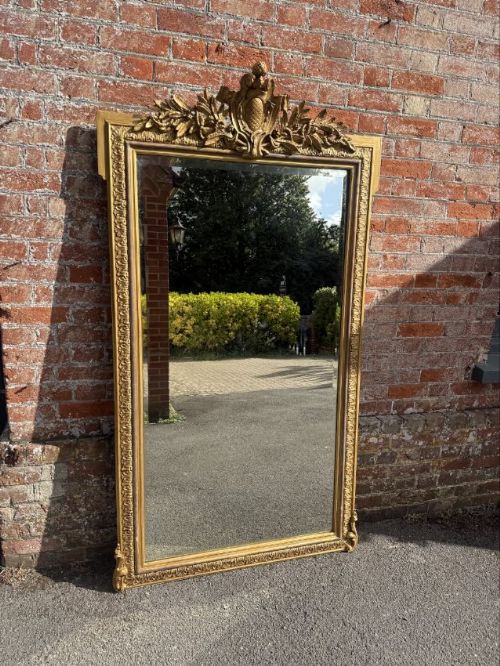
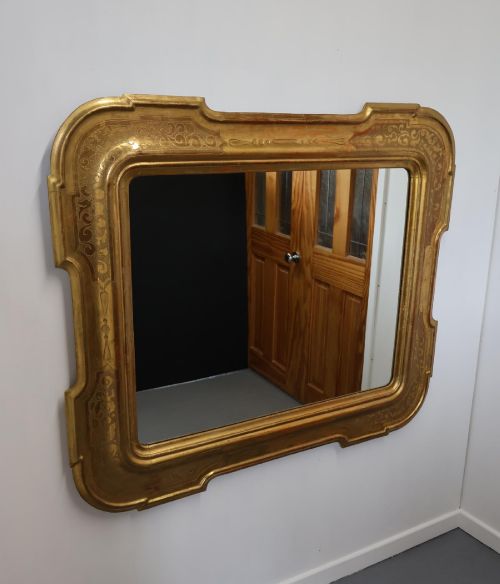
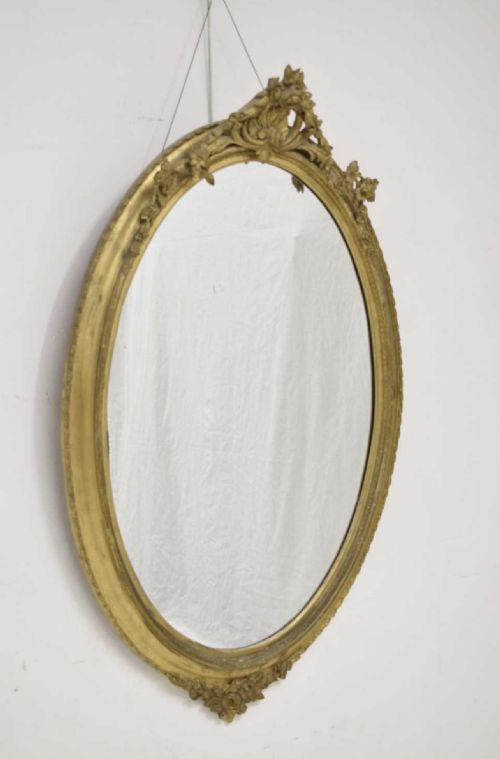
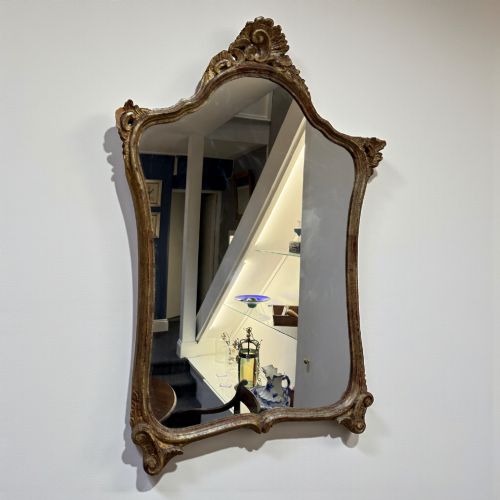
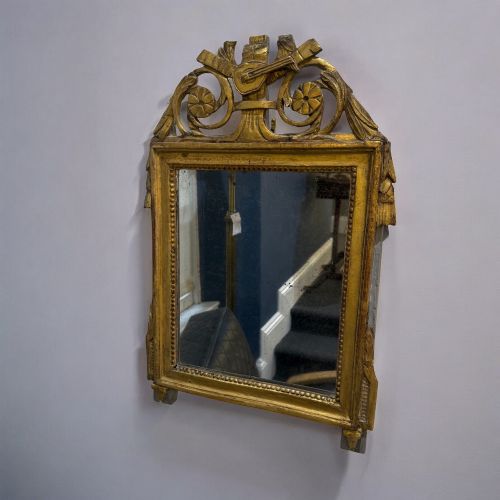
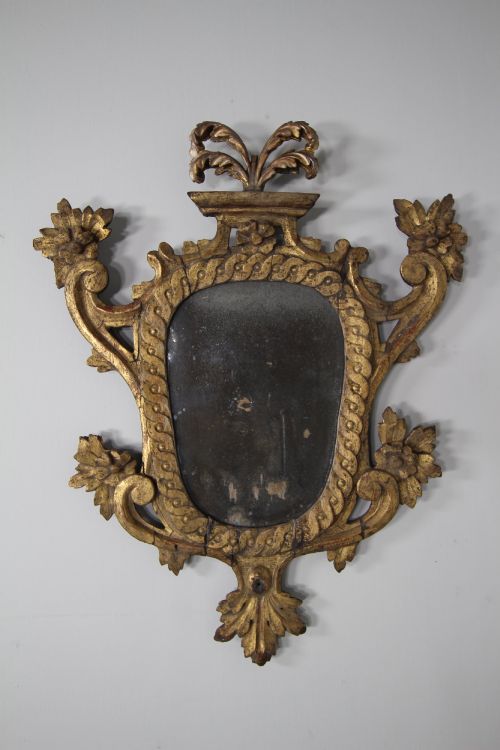
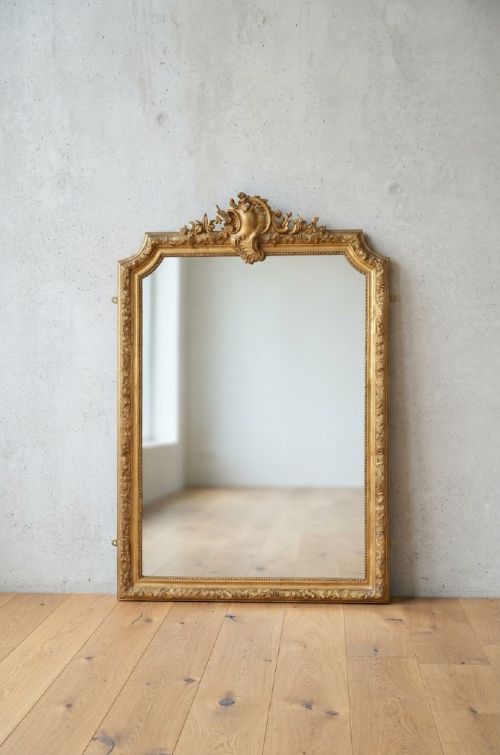
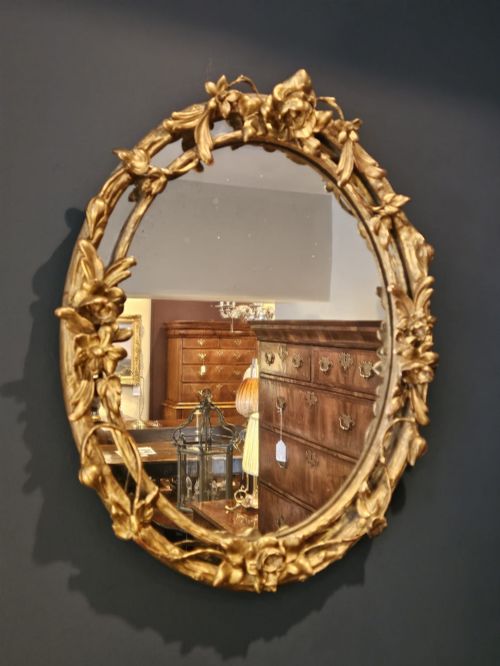
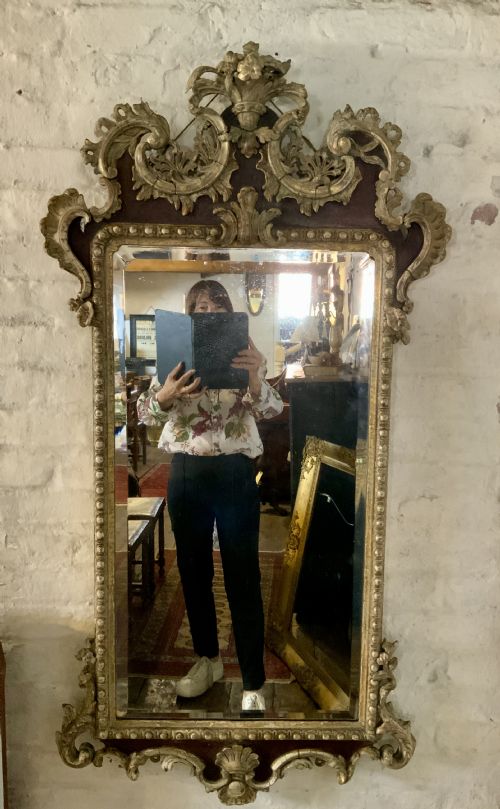
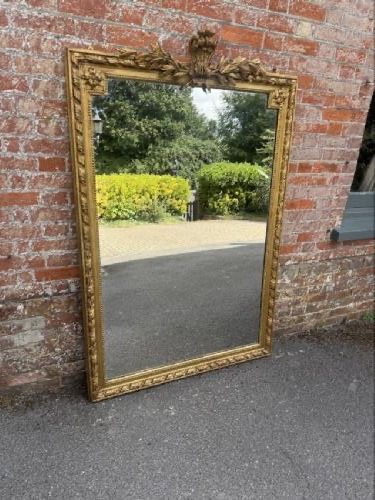
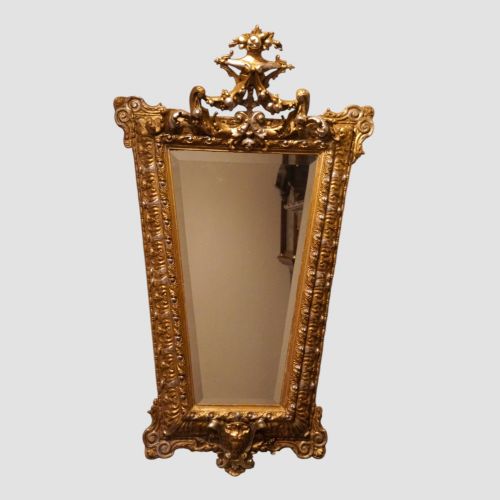
A giltwood accent wall mirror brings warmth and reflection to a room through carved wooden frames coated in gold leaf or gesso.
Giltwood Accent Wall Mirror
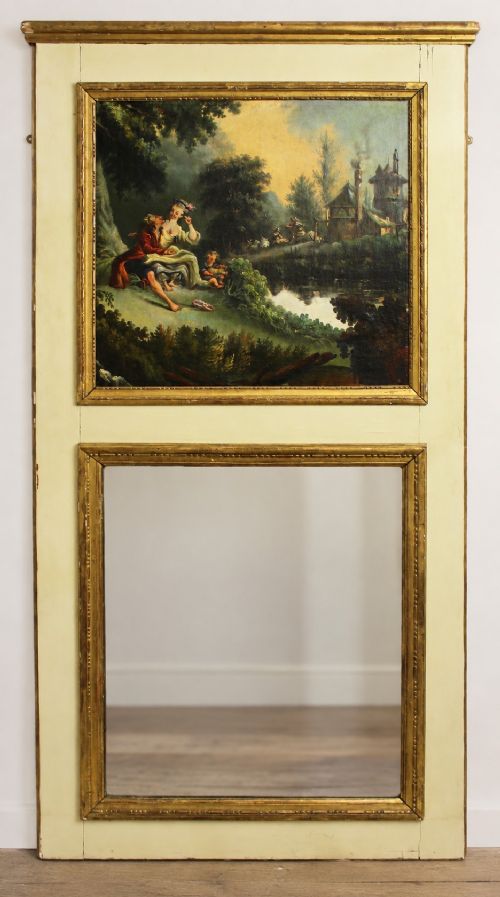
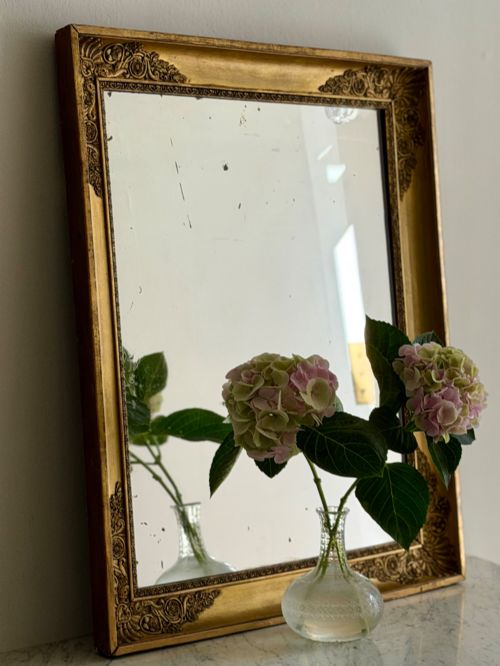
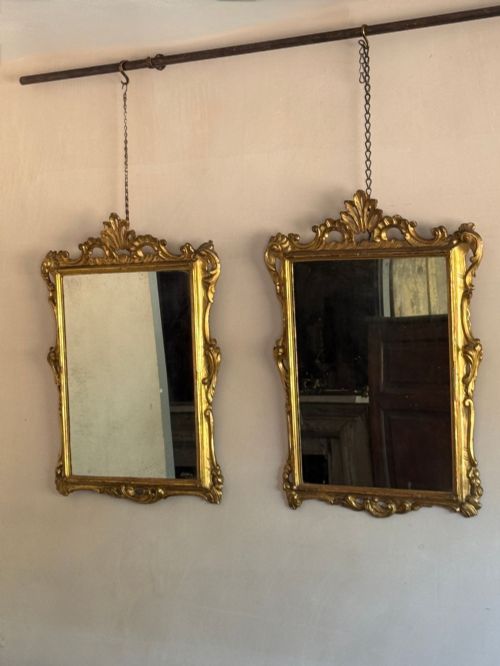
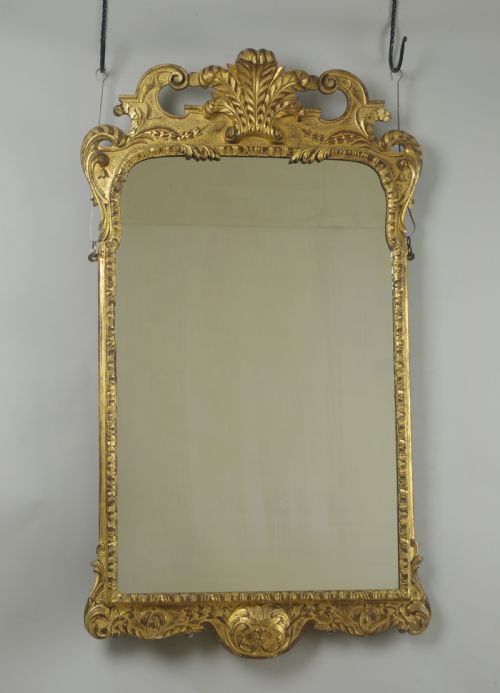
A giltwood accent wall mirror combines reflective glass with a decorative wooden frame finished in gold leaf or gilt paint. When you search for this phrase, you encounter pieces designed to catch natural light and enhance the proportions of a room.
The selections span centuries of interior decoration, with the nineteenth century and Victorian periods heavily represented alongside eighteenth-century Georgian examples and early twentieth-century revivals. Forms range from modest oval and rectangular wall mirrors to large overmantel mirrors and architectural pier glasses.
Origin points stretch across English, French, and Italian workshops. You meet ornate Rococo Revival and Baroque styles featuring scrolling foliage alongside restrained Adam style and Regency convex formats.
Materials and Construction
Frames typically begin with carved wood or moulded gesso applied over a timber base. Artisans then apply thin sheets of gold leaf or silver-gilt directly onto the prepared surface, often burnishing parts to achieve a varied sheen.
Mirror glass plates range from original silvered or mercury plates with age spots to later replacements. Many pieces incorporate specialised elements such as reverse cut glass plates, parcel gilt detailing, or walnut and timber elements showing through the gold.
Materials recorded across the inventory include carved wood, gesso, silver-gilt, and mirror glass framed in styles from Rococo to Regency.
Distinctions in Quality
Quality rests primarily on the depth and crispness of the hand-carved ornament within the wood or gesso. Finer examples display intricate relief work on motifs like rose vines or cartouche forms without the softening of detail often found in lesser press-moulded substitutes.
The integrity of the gilding and the preservation of the original wooden structure dictate the overall standard. Superior pieces maintain harmonious proportions between the mirror plate and the surrounding frame, whether executed in a grand Italian Baroque design or a smaller George III format.
John Belchier
The Giltwood Accent Wall Mirror Glossary
- Giltwood
- Wood that has been coated with gold leaf or gold paint. This technique forms the primary visual characteristic of these frames.
- Gesso
- A plaster-like mixture applied to wood frames to create a smooth surface for gilding and deep relief carving. It allows for intricate moulded details.
- Overmantel Mirror
- A large mirror designed to hang specifically above a fireplace mantel. These pieces often feature arched tops or wide horizontal formats.
- Pier Mirror
- A tall, narrow mirror traditionally hung on the pier, the solid wall space between two windows. They frequently incorporate lower console tables or match interior architectural dimensions.
- Convex Mirror
- A round mirror featuring a curved, outward-bulging glass plate that provides a wide-angle reflection of the room. These often appear in Regency formats with gilded ball-studded frames.
- Parcel Gilt
- Woodwork where only specific carved elements receive gold leaf while the underlying wood grain remains visible elsewhere. This technique creates a contrasting two-tone effect.
Giltwood Accent Wall Mirror: Frequently Asked Questions
How do I hang a heavy overmantel mirror?
Heavy overmantel mirrors require secure anchoring directly into wall studs using heavy-duty brackets or wall plates rated for the weight of the timber and glass.
Consult a professional installer if the wall construction is plaster or brick to ensure the frame remains safely supported.
Where should I place an accent wall mirror?
Place an accent wall mirror opposite a window to maximise natural light distribution and create an illusion of depth in smaller hallways or reception rooms.
Ensure the hanging height reflects the eyeline of occupants while complementing surrounding furniture proportions.
How do I clean antique giltwood frames?
Dust antique giltwood frames gently using a soft, dry ostrich feather duster or a very soft dry brush. Avoid applying water, commercial cleaning sprays, or abrasive cloths directly to the gold leaf surface.
Moisture can lift delicate gesso and gold leaf from the underlying wood substrate over time.
How can I tell a Victorian mirror from a Georgian one?
Georgian mirrors frequently display restrained symmetry, walnut or parcel gilt accents, and specific architectural proportions associated with Chippendale or Adam design periods.
Victorian pieces often lean towards heavier, high-relief carving, Rococo Revival exuberance, and distinct nineteenth-century backboard construction.