

Victorian Carved Cupboard
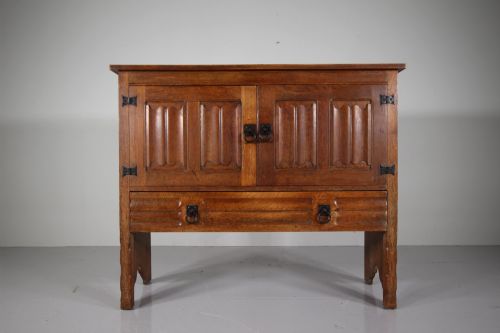
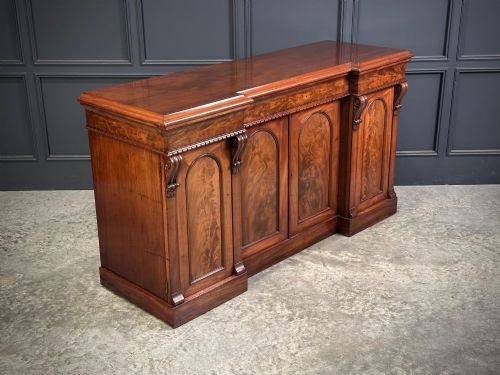
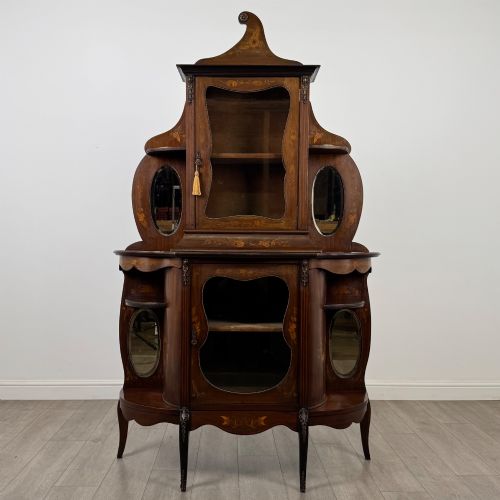
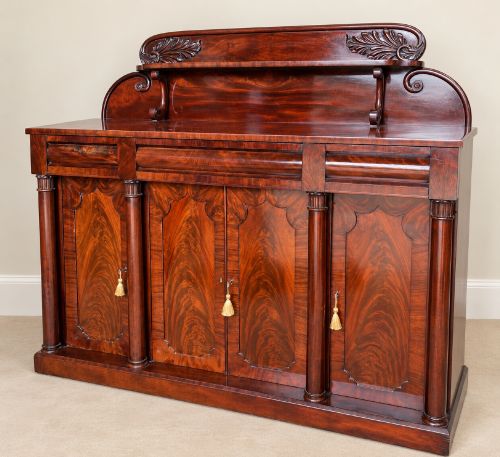
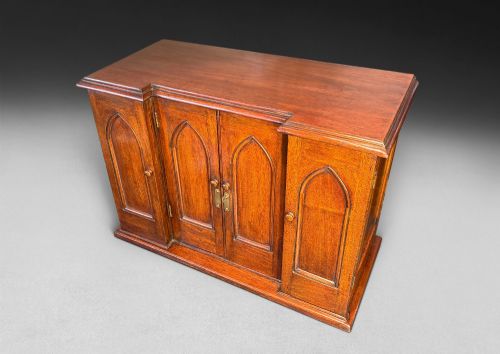
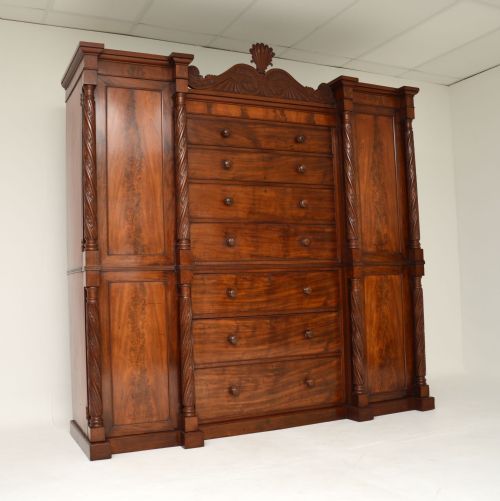
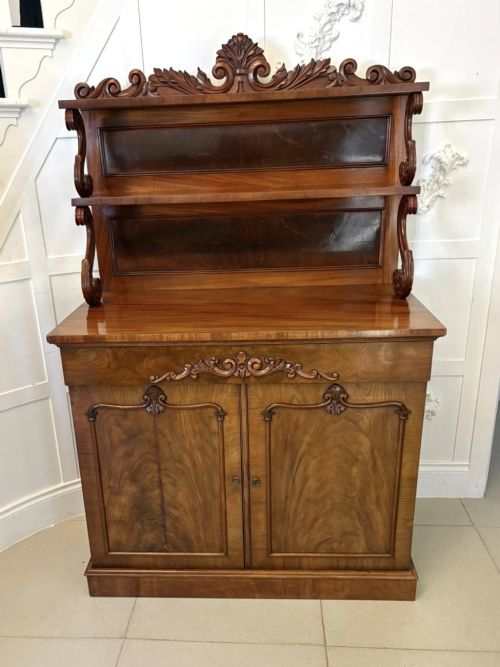
A victorian carved cupboard brings robust timber and deep relief work into a room, serving as both practical storage and a focal point.
Victorian Carved Cupboard
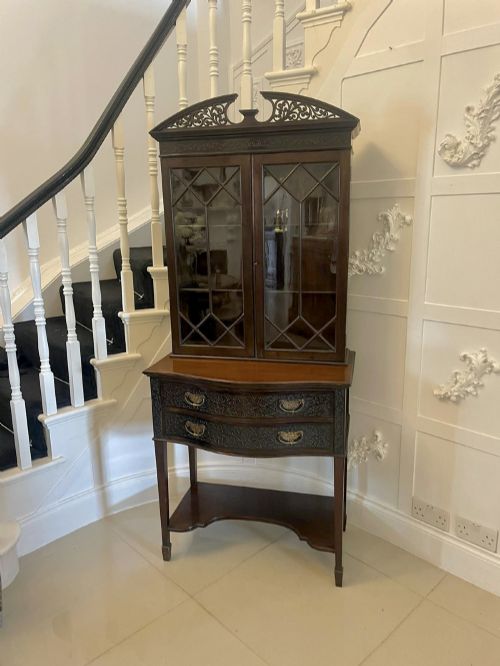
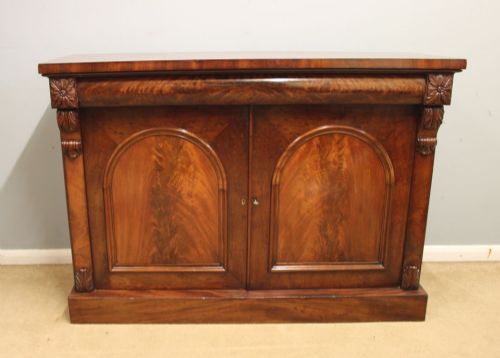
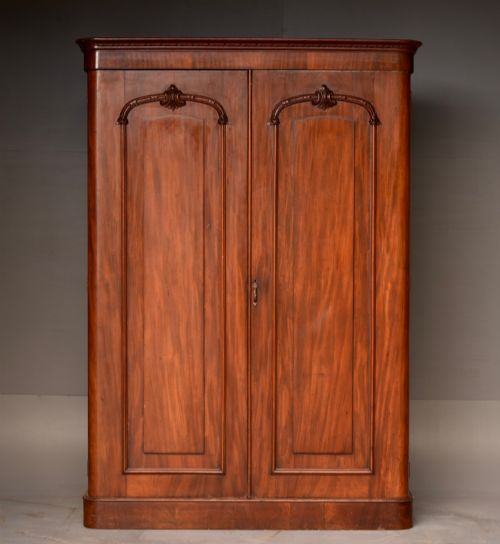
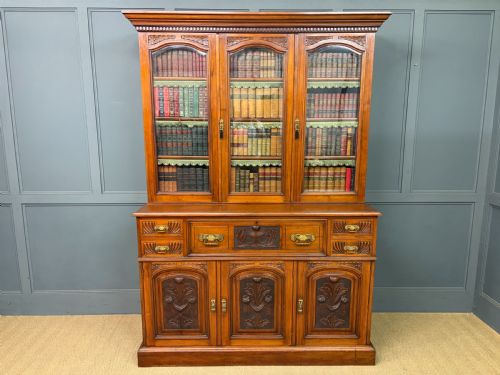
A victorian carved cupboard encompasses everything from small hanging wall cabinets and bedside pairs to imposing bookcases, sideboards, and wardrobes. Oak dominates the selection, frequently accompanied by mahogany, flame mahogany, rosewood, walnut, and elm.
Pieces span the Victorian era, including specific dates such as eighteen-sixty and nineteen-eighty, alongside nineteenth-century examples. Forms range from compact corner cabinets and petite buffets to large court cupboards and library bookcases.
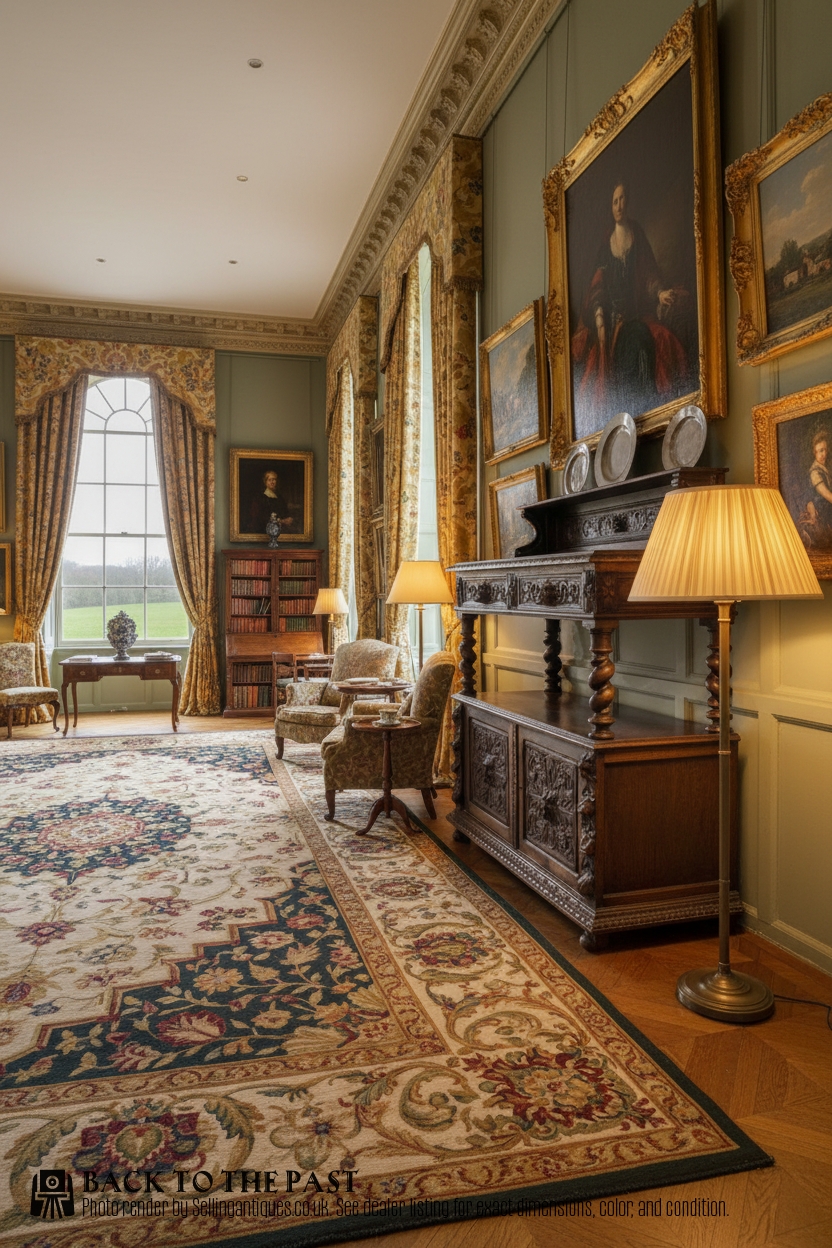
Materials and Construction
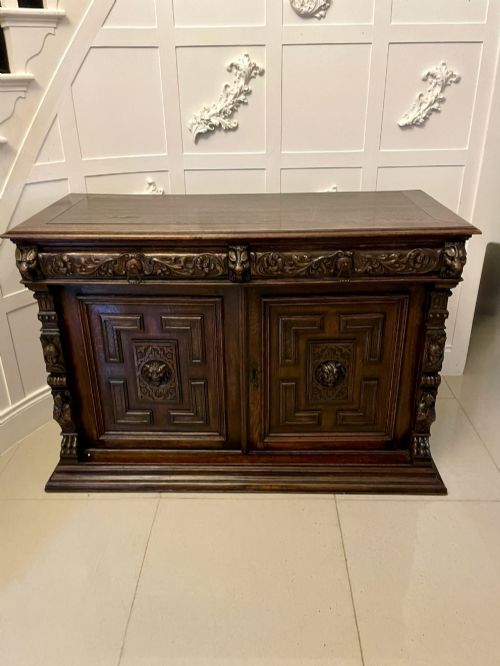
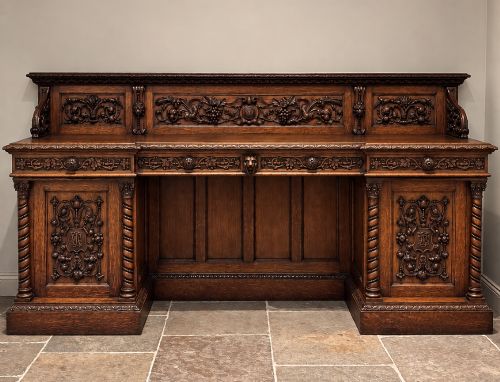
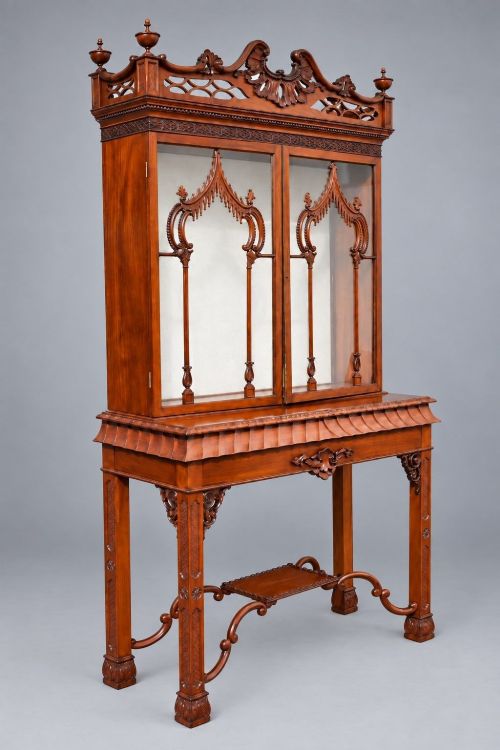
Cabinet makers worked primarily in solid hardwoods like oak, walnut, mahogany, and rosewood, occasionally incorporating glass and lead panels. Surfaces received heavy hand-carved detailing, featuring motifs such as the Green Man and Gothic revival elements.
Joinery methods of the nineteenth century ensured structural stability for large items like wardrobes and sideboards, while smaller hanging and corner cupboards utilised fitted internal shelves and wall-mounting brackets.
Retail Price Guide 2026
Typical UK retail prices for victorian carved cupboard, calculated from the Sellingantiques database of over a million retail prices indexed since 2003. This retail price guide relies exclusively on Sellingantiques data; no external sources or auction records are used, so the figures do not describe the wider market.
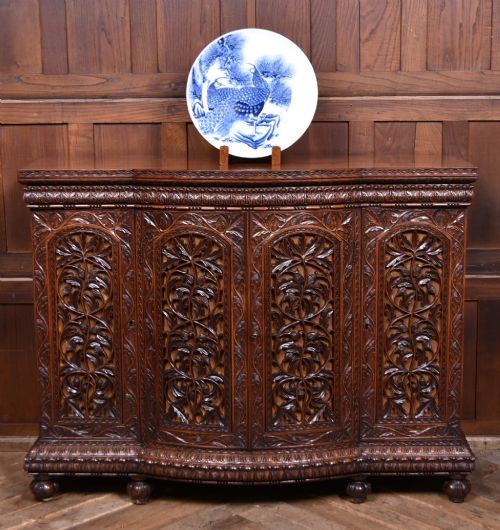
Several cupboards stare back at you through carved leafy foliage.
Assessment of Quality
The depth and ambition of the carving set examples apart, ranging from simple edge moulding to exhibition-quality figurative relief. Selection of timber grain, particularly in flame mahogany and burr walnut, dictates the visual richness of the finished piece.
Proportion and scale influence desirability, with matched pairs of bedside cabinets or monumental walnut cupboards representing different tiers of production from the period.
Maples
The Victorian Carved Cupboard Glossary
- Green Man
- A sculptural architectural ornament depicting a human face disgorged from foliage, commonly found on nineteenth-century oak furniture.
- Court Cupboard
- An antique form of storage furniture featuring recessed upper sections supported by pillars above a lower cabinet base.
- Flame Mahogany
- Timber cut from the fork of the mahogany tree to create a distinctive, swirling, flame-like grain pattern.
- Gothic Revival
- An architectural and decorative style drawing inspiration from medieval design, featuring pointed arches and heavy tracery.
- Buffet
- A sideboard or low storage cabinet used for serving food or displaying dining wares.
Frequently Asked Questions
What is a victorian carved cupboard used for?
These pieces served multiple domestic functions, from storing linens and books to holding tableware in dining rooms and halls.
Today, they provide enclosed storage for modern items while introducing nineteenth-century character to an interior.
How do I identify a gothic revival piece?
Gothic revival items display architectural motifs such as pointed arches, quatrefoils, and heavy structural framing.
They frequently feature dark oak construction and deep relief carving including Green Man masks.
Are these cupboards made of solid wood?
Nineteenth-century examples utilise solid hardwoods including oak, mahogany, walnut, rosewood, and elm.
Carpenters relied on dense timber to support the weight of heavy panel doors and deep surface carving.
Where should I place a corner cupboard?
Hanging or standing corner cabinets fit into unused room junctions to maximise floor space.
They work well in dining rooms or hallways for displaying small objects on fitted interior shelves.