


Victorian Carved Corbel
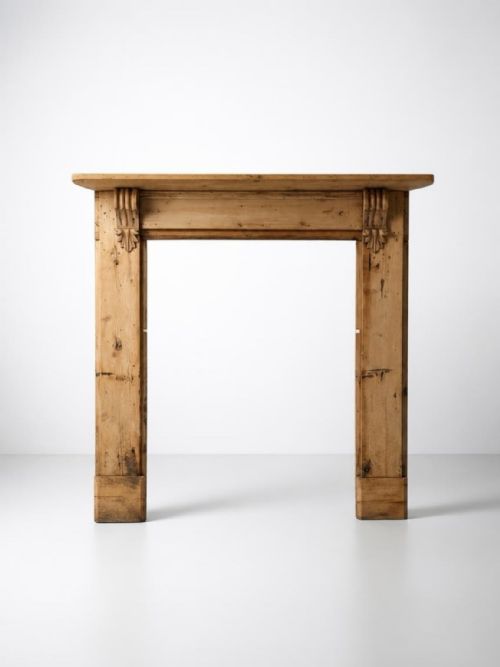
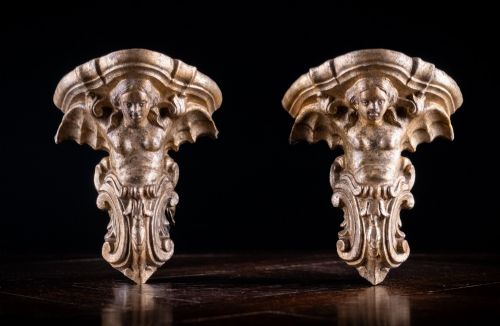
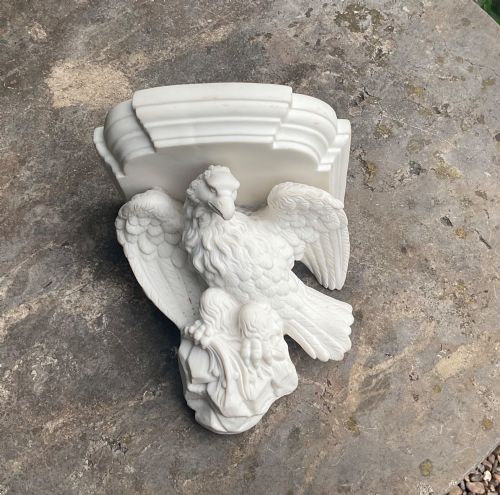
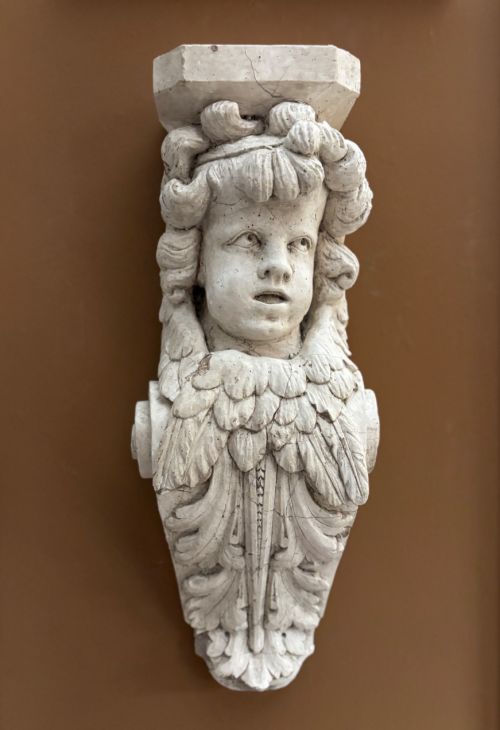
These Victorian carved corbel examples bring weight and sculptural depth to a wall, holding up shelves or framing architectural spaces with confident nineteenth-century form.
Victorian Carved Corbel
A victorian carved corbel is a projecting architectural support or wall bracket designed to carry the load of a shelf, mantel, or upper structure. The pieces seen here emerge primarily from nineteenth-century contexts, spanning the Victorian period alongside related items from the Regency and William IV eras.
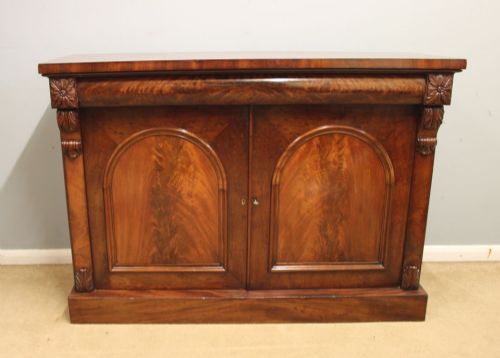
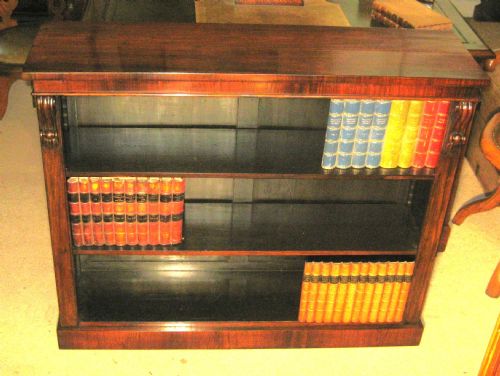
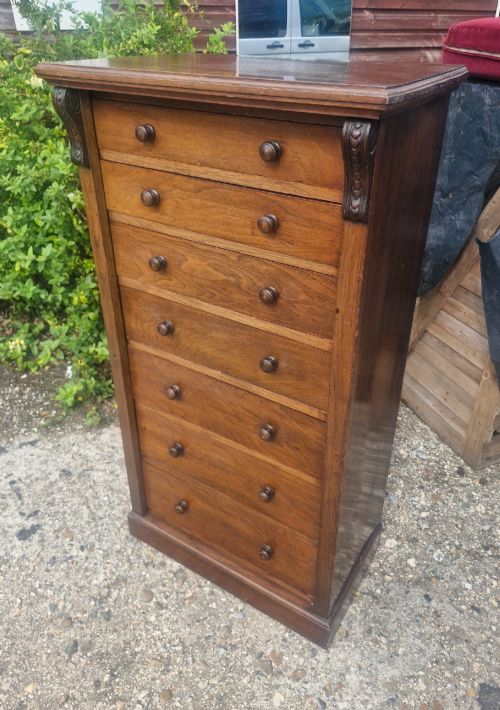
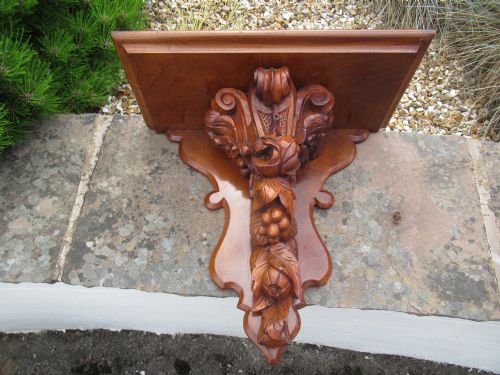
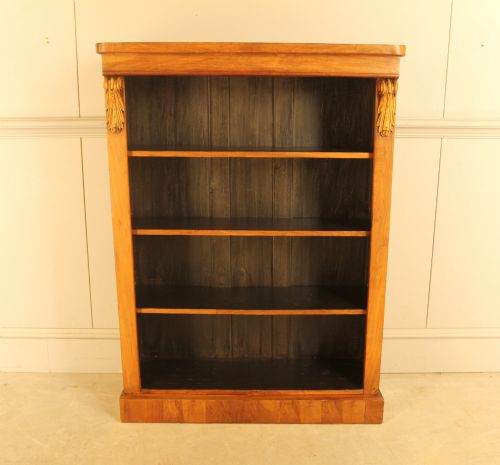
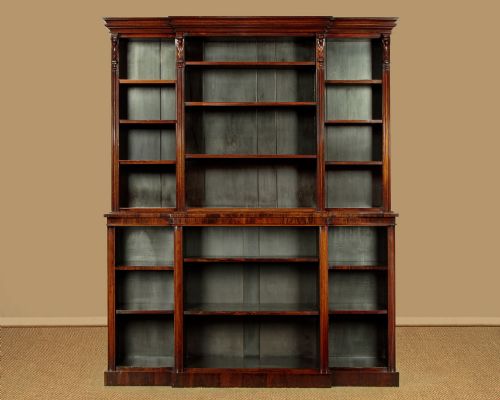
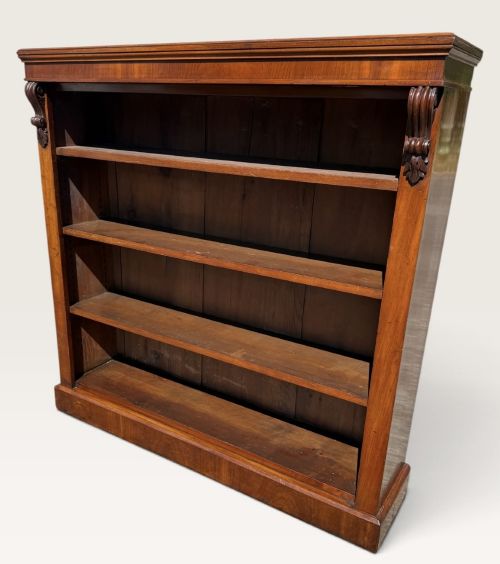
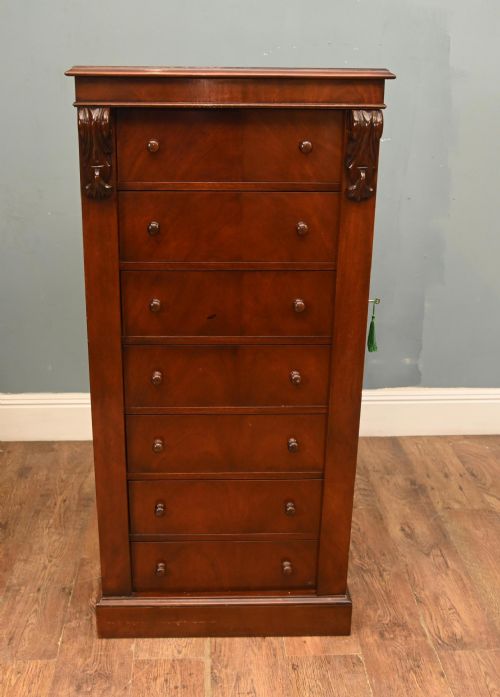
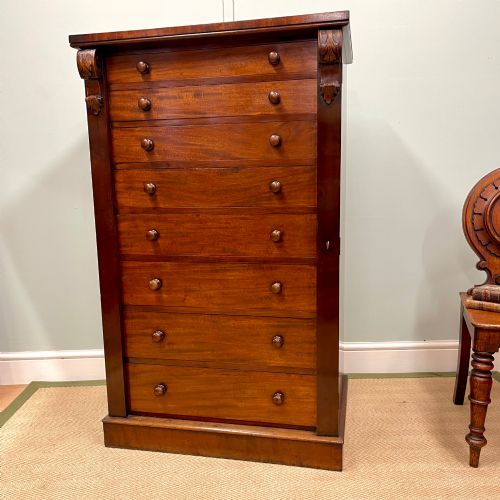
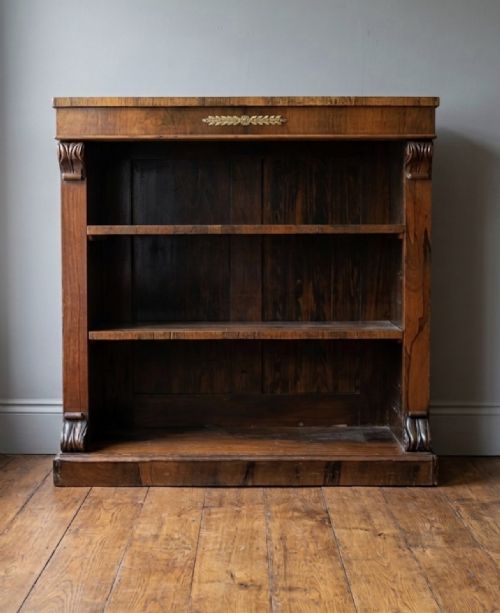
Buyers will encounter these forms attached to larger pieces of furniture like bookcases, sideboards, and Wellington chests, as well as standalone wall brackets intended for display. The surviving examples showcase a persistent interest in rich wooden and terracotta execution.
Origins stretch from standard British domestic workshops to more exotic regional interpretations, including Anglo-Indian and Black Forest styles. These decorative supports transform utilitarian wall space into a display of period craftsmanship.
Materials and construction methods
Makers relied heavily on dense hardwoods such as mahogany, walnut, rosewood, and oak, which held sharp chisel work without splitting. Softer timbers like pine and limewood also appear where deep, intricate undercutting was required for figural or botanical motifs.
Carving was executed entirely by hand, utilising gouges and chisels to build high-relief ornament ranging from scrolling foliage to animal and human figures. Selected items incorporate secondary materials like gilt terracotta and brass, combining cast elements with traditional timber work.
Among the carved timber faces, an Archangel Gabriel and a fierce tiger head keep watch over the entire collection.
Distinctions in quality and execution
Quality rests in the depth and crispness of the carving, where superior examples exhibit undercut details and lively anatomical or botanical forms rather than flat, mechanical shaping. The choice of timber also dictates grade, with finely figured rosewood, walnut, and dense mahogany holding a sharper edge than coarser utility woods.
Proportion and structural integrity separate workshop output, as finer pieces maintain balanced symmetry and clean joinery where the corbel meets its mounting backplate. The presence of specialised regional styles, such as detailed Black Forest or Anglo-Indian carving, often signals higher artistic ambition.
The Victorian Carved Corbel Glossary
- Corbel
- A structural bracket projecting from a wall to support a weight, usually treated with decorative carving. It serves both load-bearing and ornamental functions in architecture and cabinetry.
- Wellington chest
- A tall, narrow mahogany or walnut chest of drawers secured by a locking side pilaster. Many period examples integrate carved corbels flanking the upper or lower sections.
- Black Forest carving
- Highly naturalistic wood carving originating from central Europe, known for deep relief depictions of animals and foliage. These items often employ limewood or walnut.
- Anglo-Indian style
- Furniture and architectural elements produced in the Indian subcontinent under British influence, utilising exotic hardwoods and dense, intricate pierced carving. These pieces reflect a cross-cultural exchange of design in the nineteenth century.
- Undercutting
- A carving technique where material is removed beneath the motif so that portions stand free from the background. This method creates dramatic shadow and three-dimensional depth.
Victorian Carved Corbel: Frequently Asked Questions
How were corbels used originally?
Corbels served as structural and decorative supports beneath heavy mantelpieces, overhanging cornices, and structural wall projections. They carried the physical load while adding sculptural weight to domestic interiors.
In cabinetry, they functioned as architectural punctuation on large bookcases and sideboards, visually anchoring upper sections to the base units below.
What woods were used for these?
Cabinetmakers utilised dense native and imported hardwoods including mahogany, walnut, rosewood, and oak for durability and sharp chisel definition. Softer timbers such as pine and limewood appear frequently where deep, sculptural undercutting was required for figures and foliage.
Exotic variations like goncalo alves also surface among high-status nineteenth-century library furniture.
How do I spot a reproduction?
Genuine nineteenth-century pieces display hand-tool marks consistent with chisels and gouges, alongside natural timber shrinkage and patination appropriate to age. Modern copies often show uniform machine milling, abrasive artificial ageing, or modern metal fixings that clash with period construction.
Examining the back and mounting surfaces reveals the true age of the timber and the method of initial assembly.
Can these support heavy shelves?
Solid wooden corbels possess substantial structural strength and were engineered to carry significant weight in their original architectural contexts. When properly secured to a wall, they easily sustain timber shelving holding books or heavy decorative objects.
One should verify that the original mounting points remain stable and intact before loading them.