

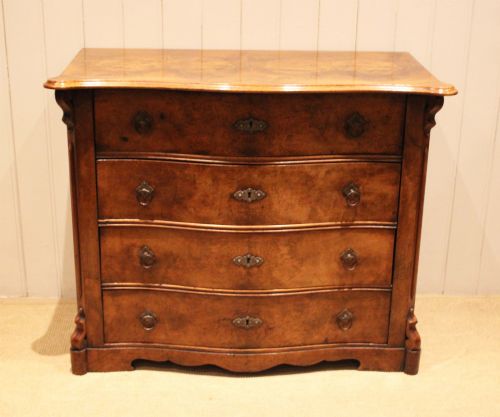

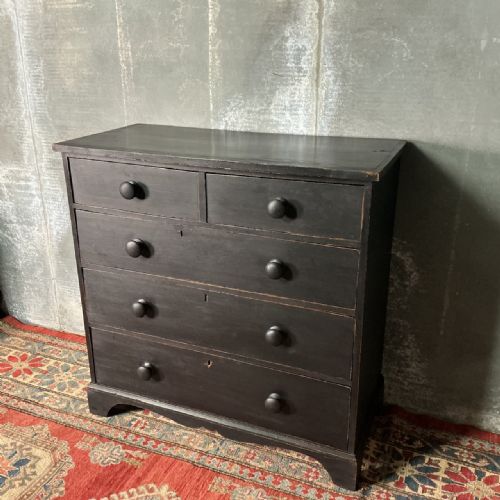
Victorian Carved Commode
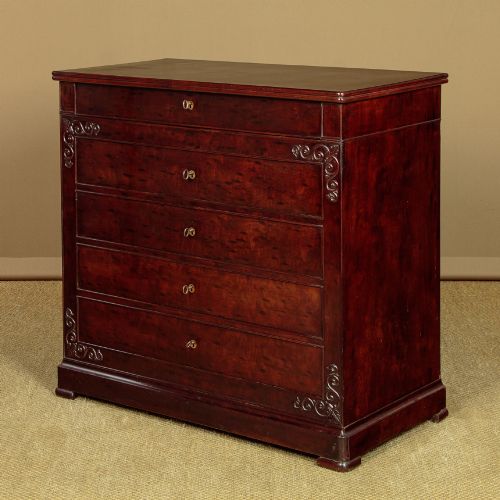
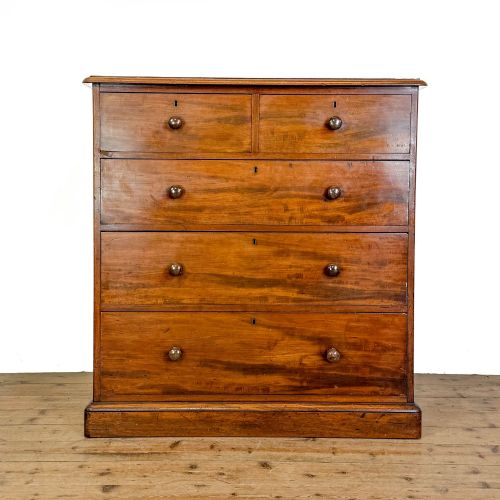
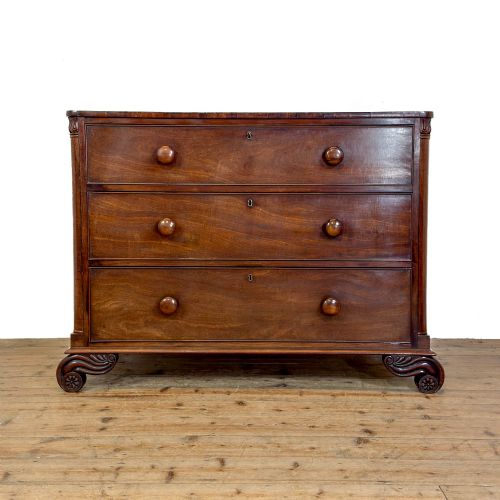
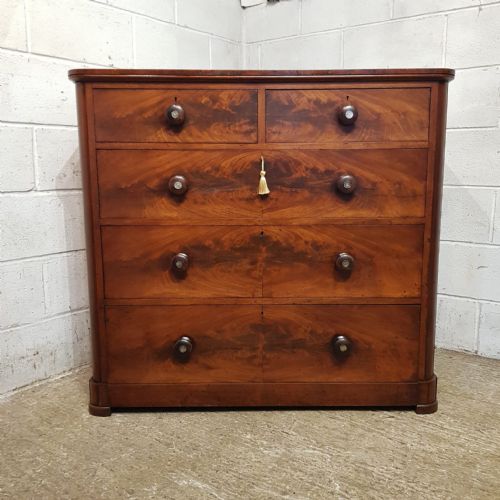
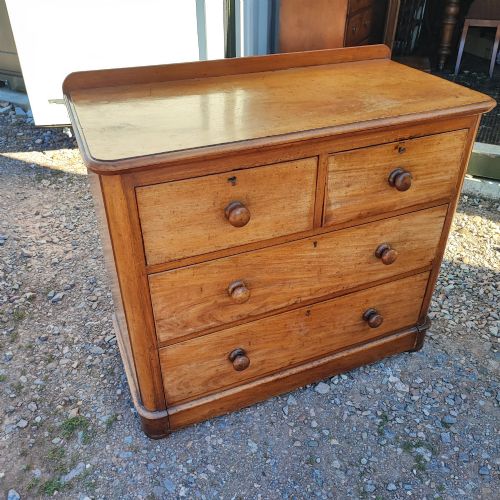
These victorian carved commode pieces are timber storage chests and commode chairs designed for utility and display, built to anchor period interiors.
Victorian Carved Commode
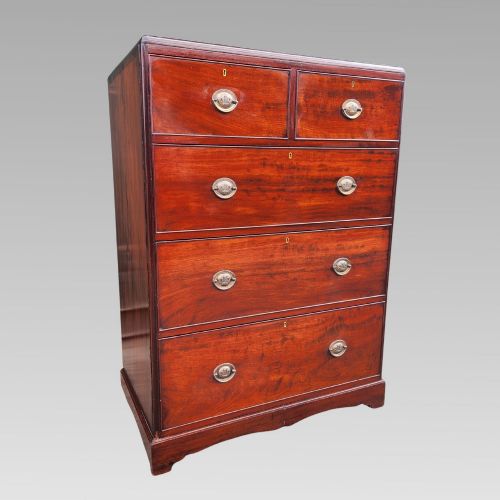
A victorian carved commode typically manifests as a sturdy chest of drawers or a specialised chair form rooted in nineteenth-century domestic life. These items serve primary storage functions through multiple stacked drawers or compartment layouts.
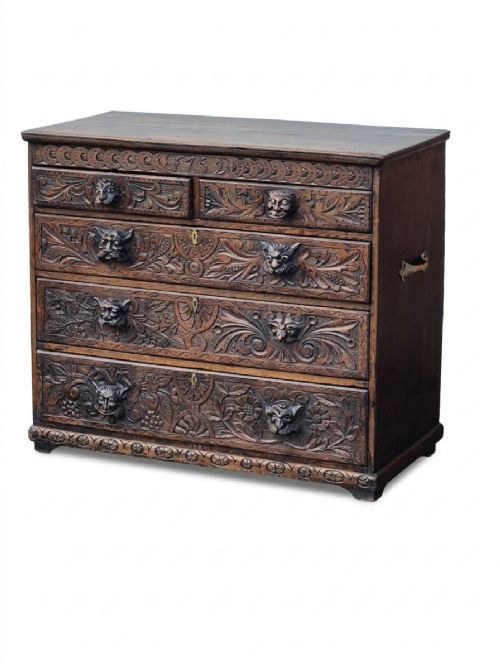
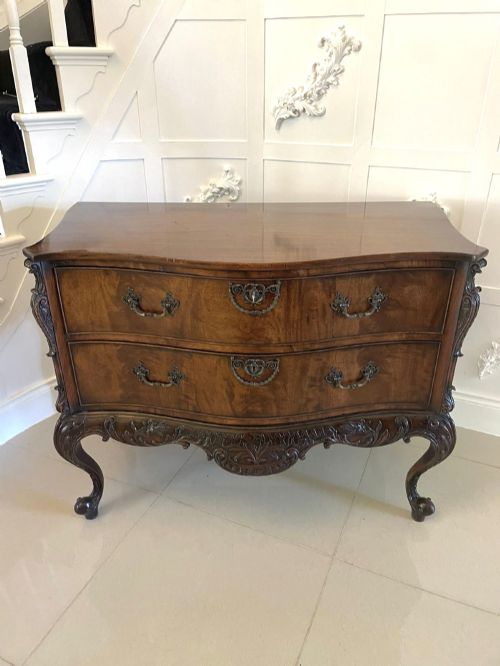
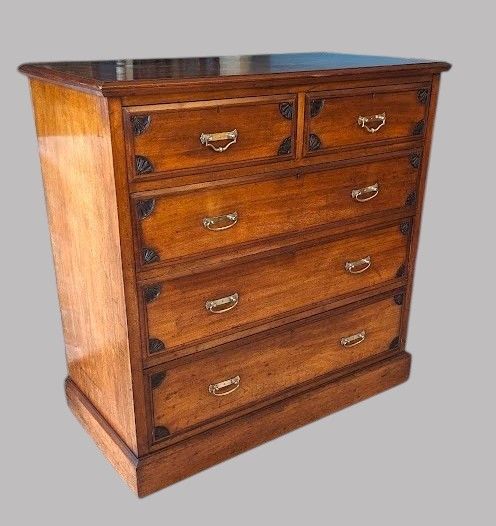
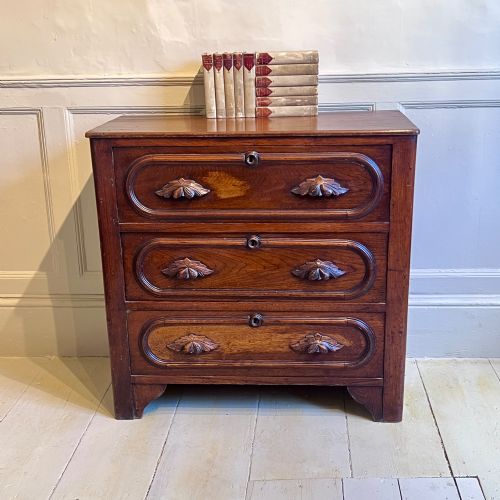
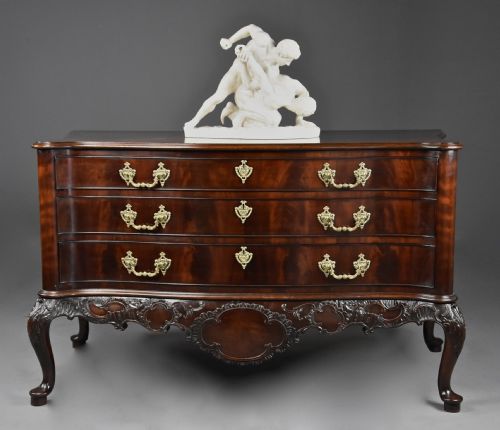
Mahogany and pine dominate the structural forms seen here, often augmented by walnut, burr walnut, and oak timbers. Pieces range from straightforward provincial painted pine to substantial serpentine fronts and elaborate grotesque carvings.
Judging Quality in Period Cabinetry
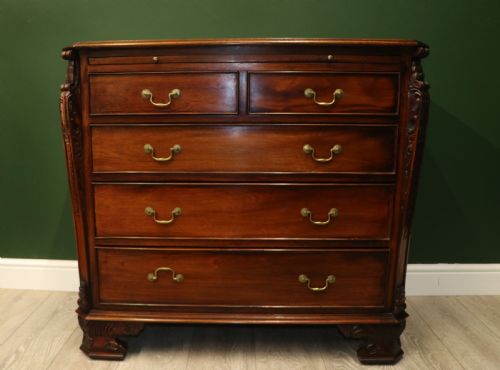
Quality rests upon the selection of timber veneers, such as figured mahogany or burr walnut, and the crispness of applied carvings like green man grotesques. The precision of drawer construction and the integration of serpentine or bow fronts separate standard utility items from finer examples.
Proportion and surface finish dictate the overall presence of a piece. Original painted finishes on pine or waxed surfaces on hardwood preserve the integrity of the original manufacture.
Some Victorian pieces incorporate unexpected green man grotesques, watching silently over your spare socks.
The Victorian Carved Commode Glossary
- Commode
- A low chest of drawers or a chair enclosing a chamber pot. These functional items evolved into decorative furniture pieces in nineteenth-century rooms.
- Serpentine front
- A furniture front curving outward in the centre and inward at the sides. This shape demands advanced woodworking skill to execute properly.
- Flame mahogany
- Timber veneer sliced to reveal a distinctive flickering flame grain pattern. Cabinet makers used this on prominent drawer fronts for visual impact.
- Burr walnut
- Wood grain featuring swirling knot formations harvested from walnut trees. It creates a highly decorative surface on Victorian drawer panels.
- Green Man
- A sculptural face motif carved from leaves and foliage. This ornamentation appears on nineteenth-century Gothic Revival furniture.
Victorian Carved Commode: Frequently Asked Questions
What is a Victorian commode?
A Victorian commode is a nineteenth-century storage chest or a seated chamber piece built from timbers like mahogany, walnut, or pine. These items were essential furnishings in bedrooms and private parlours.
They provided enclosed space for garments and personal belongings while reflecting the prevailing stylistic tastes of the period, from plain utility forms to heavily carved designs.
How do I identify a Victorian chest of drawers?
Look for timber choices such as solid mahogany, oak, and pine, combined with period construction methods. Drawer configurations often feature multiple stacked tiers with brass or wooden pulls.
Details like serpentine shapes, flame mahogany veneers, or carved panel elements point directly to nineteenth-century workshop practices.
Where were these pieces used?
These cabinets and commode chairs belonged in Victorian bedrooms, dressing rooms, and country house chambers. They held linens, clothing, and domestic essentials.
Their practical design allowed them to function discreetly against bedroom walls while offering sturdy everyday storage.
How do I care for antique mahogany furniture?
Keep wooden surfaces away from direct sunlight and extreme temperature changes to protect the timber and veneers. Regular dusting with a soft cloth maintains the finish.
Apply traditional wax sparingly when the wood appears dry, rubbing it gently into the grain to preserve the surface sheen.