

Victorian Carved Breakfast Table
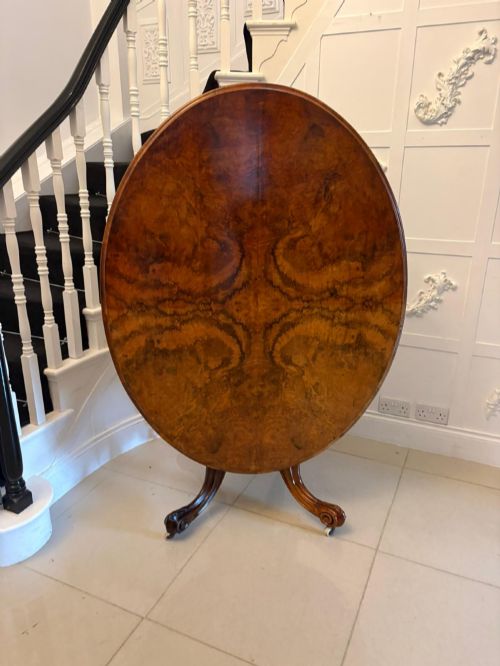
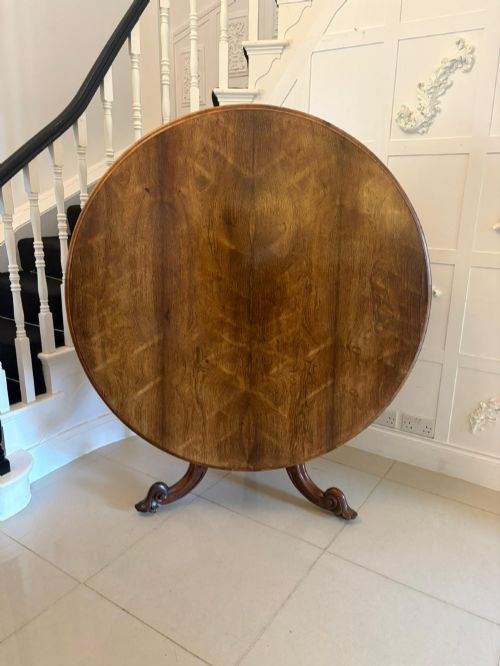
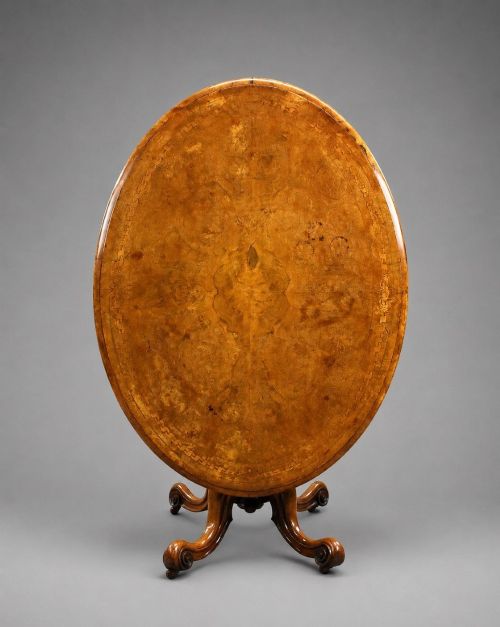
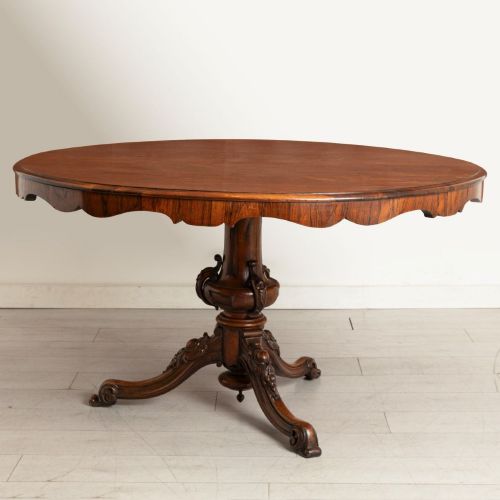
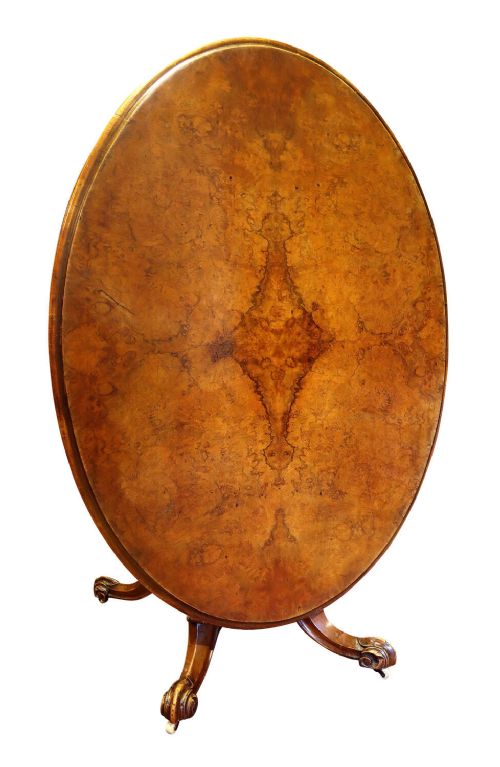
A victorian carved breakfast table brings heavy timber and turning together for a centrepiece that served mornings and evenings alike.
Victorian Carved Breakfast Table
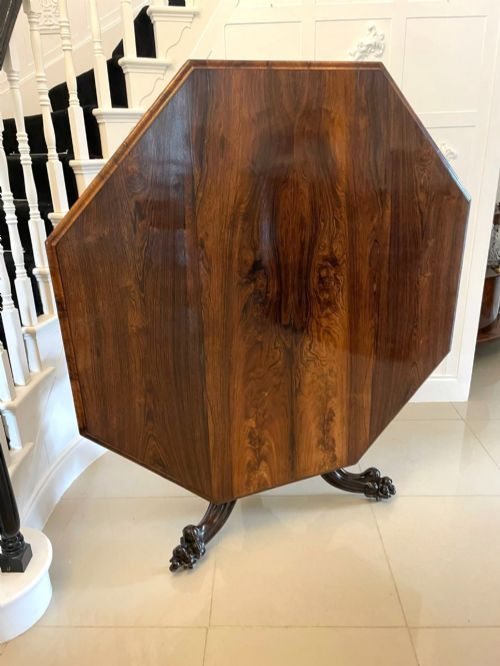
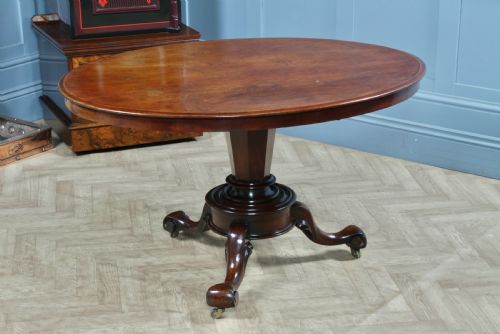
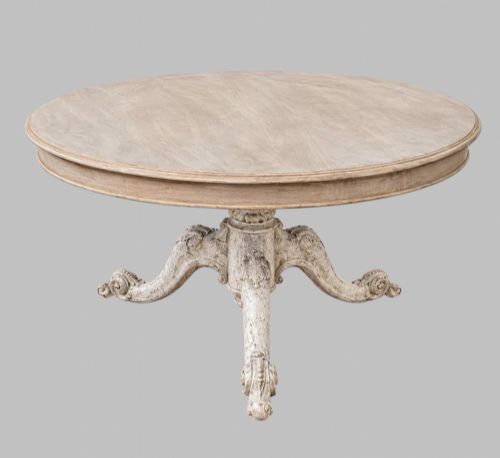
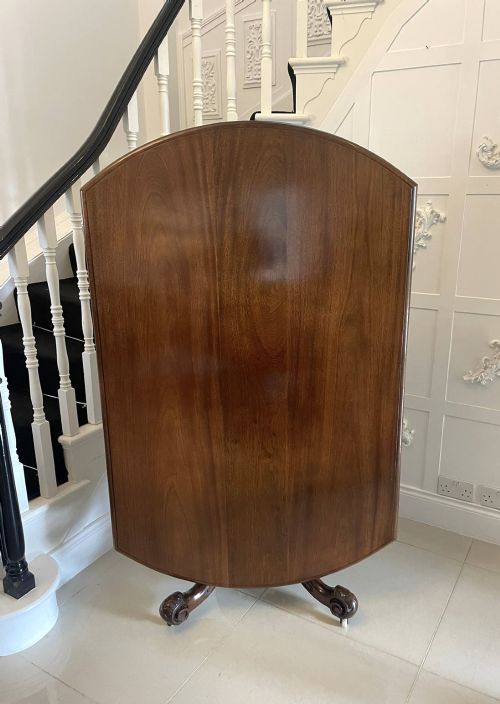
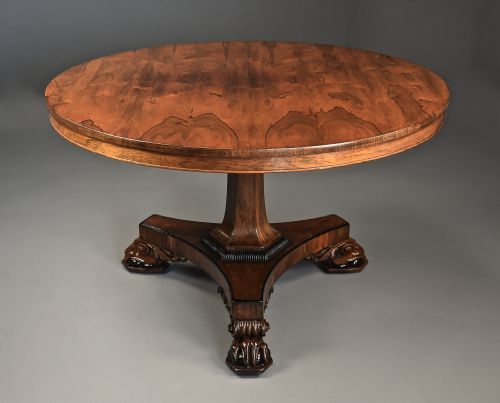
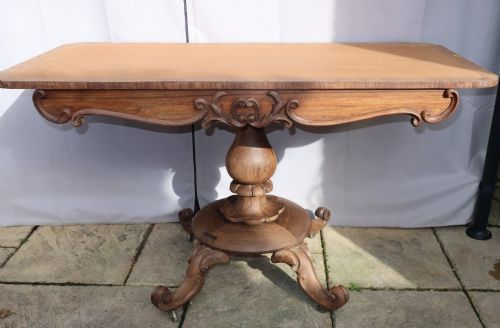
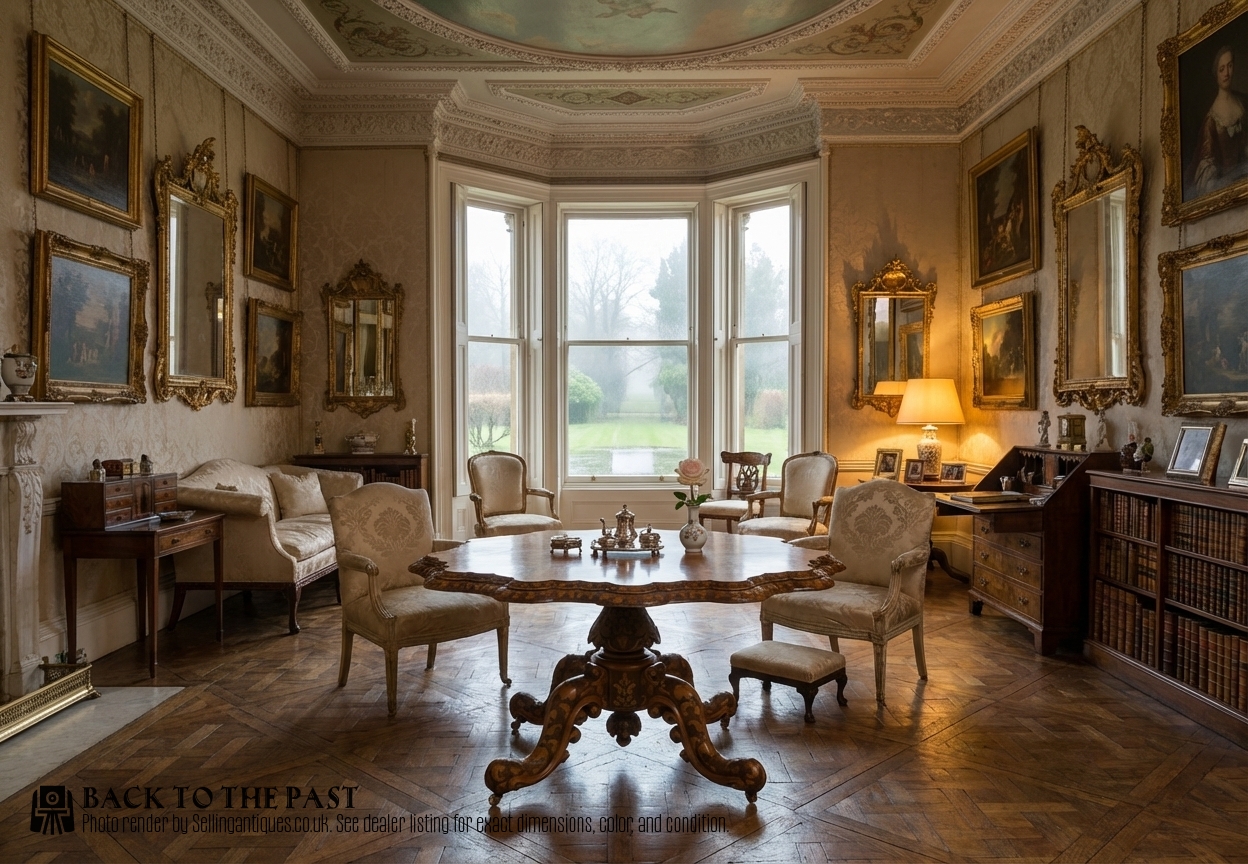
A victorian carved breakfast table is a heavy timber pedestal piece designed to stand proudly in a room, often with a top that tilts upright when not in service. The versions most commonly found here pair rich veneers or solid timbers with sturdy central pedestals, spanning round, oval and shaped silhouettes.
Makers of the period drew on William IV, Regency and Early Victorian design idioms, alongside occasional Anglo-Indian influences. These tables double easily as centre dining tables or occasional pieces, shifting function through the decades while keeping their timber surfaces central.
Craftsmanship and Proportion
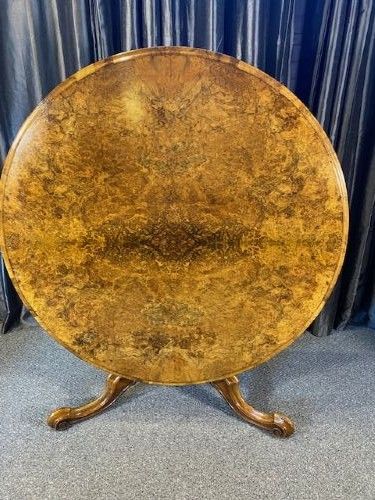
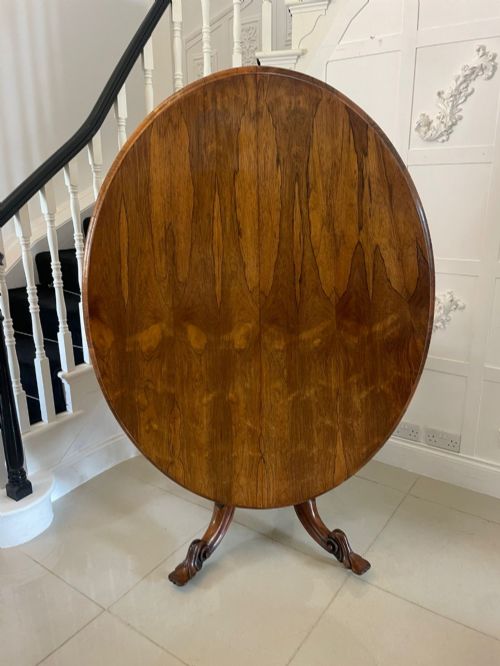
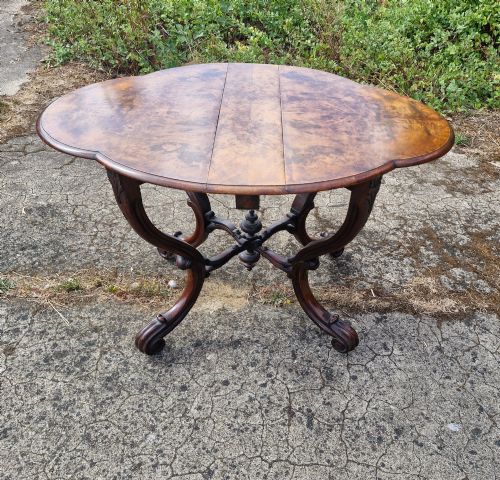
Quality rests in the selection of the timber and the depth of the carving on the central pedestal and base. Finely figured burr walnut or heavily grained rosewood elevates a piece above plain domestic mahogany.
Proportion matters greatly; the weight of the carved base must balance the sweep of the top. Crisp detailing in the turned stems and solid timber mouldings separates standard workshop production from exceptional cabinet work.
Pedestal supports range from simple tripod legs to heavy carved quadrapod and triad bases fitted with castors.
Gillows
The Victorian Carved Breakfast Table Glossary
- Tilt Top
- A hinged table top that pivots to a vertical position for storage or to save floor space when the piece rests against a wall. This mechanism uses a brass catch or wooden wedge beneath.
- Loo Table
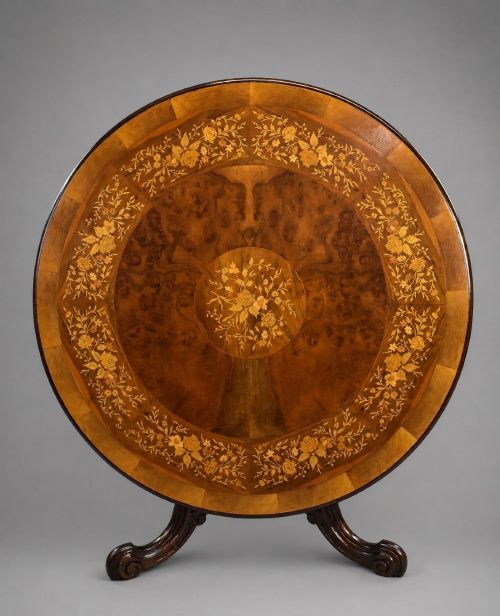
- A large round or oval Victorian table originally used for the card game loo, functioning identically to a breakfast table in everyday domestic life. These examples often display elaborate marquetry or burr walnut veneers.
- Quadrapod
- A four-way branched base supporting the central pedestal, usually sitting on castors. This formation provides stability for heavy oval and round tops.
- Triad Base
- A three-sided pedestal base resting on feet, common on mid-nineteenth-century tripod and pillar tables. It allows generous clearance for chairs.
- Marquetry
- Inlaid pieces of wood fitted into a veneer to form decorative patterns or pictorial designs. This technique decorates the top surface of walnut centre tables.
- Snap-Top
- A spring-loaded or latch mechanism that locks a tilting table top firmly into the horizontal position. It prevents the top from wobbling during dining or use.
Victorian Carved Breakfast Table: Frequently Asked Questions
Can I use a breakfast table for daily dining?
These pieces were built for heavy domestic service from sturdy hardwoods, making them entirely practical for daily meals. Their generous surface areas accommodate multiple settings with ease.
Ensure you use heat mats and coasters to protect the French polished or waxed timber finishes from marks and rings.
How does the tilt top mechanism work?
A pivot block beneath the surface allows the entire top to swing from horizontal to vertical. A brass latch or wooden toggle secures it in place when flat.
Keep fingers clear of the pivot point when releasing the catch to lower or raise the heavy timber top.
What is the difference between a loo table and a breakfast table?
In Victorian cataloguing, the terms often overlap as both describe large pedestal tables with round or oval tops. Loo tables sometimes feature more ornate marquetry or inlay intended for evening card games.
Both forms share identical construction methods, pedestal bases and tilt-top capabilities.
How do I tell an 1850 table from a 1920 style piece?
Original nineteenth-century pieces display genuine timber shrinkage, hand-cut joinery marks, and older patination on the finish. Later revival pieces often use modern fixings and standardised machine-cut timber dimensions.
Examine the underside of the top and the interior of the pedestal block for clues regarding age and construction tools.