

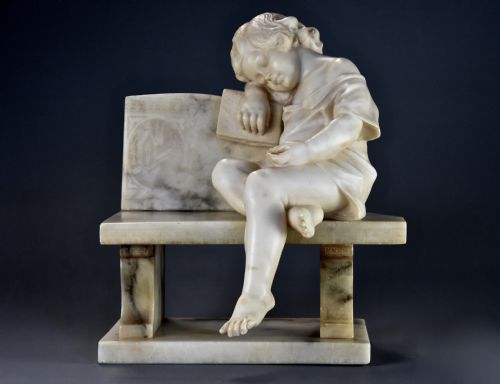
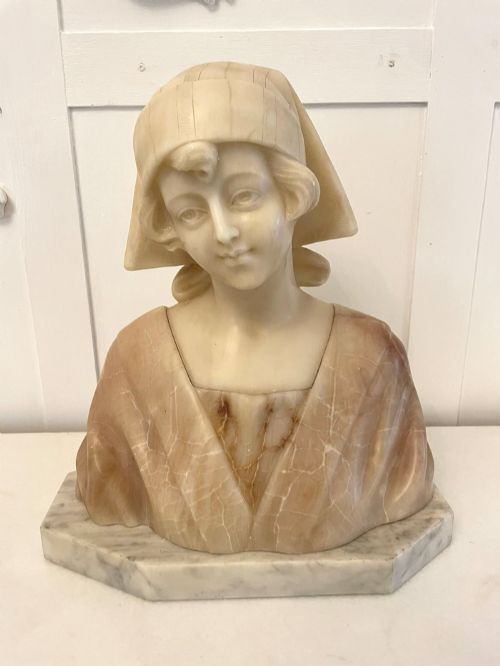
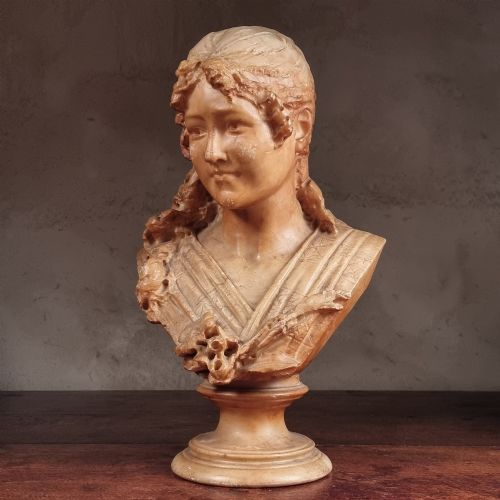
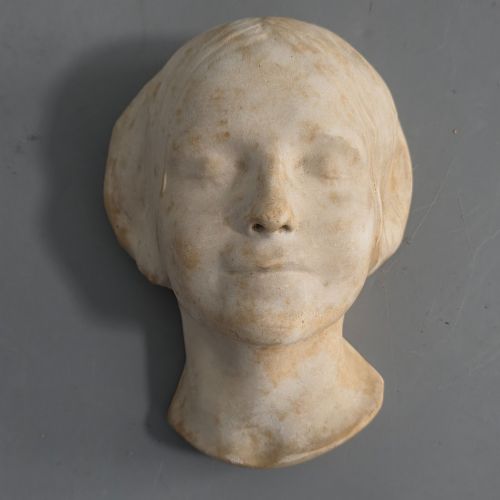
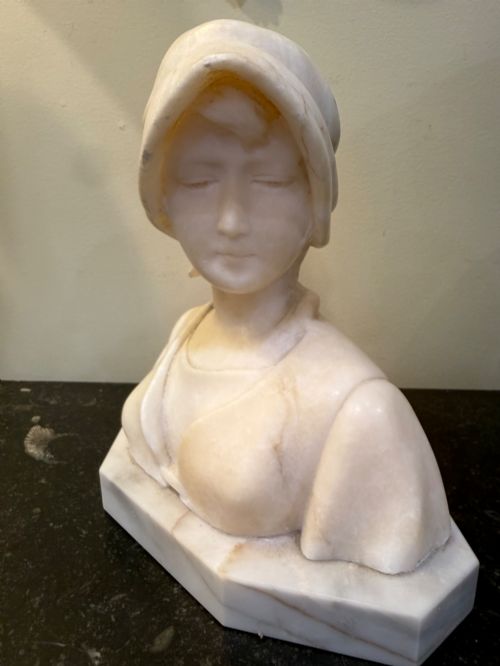


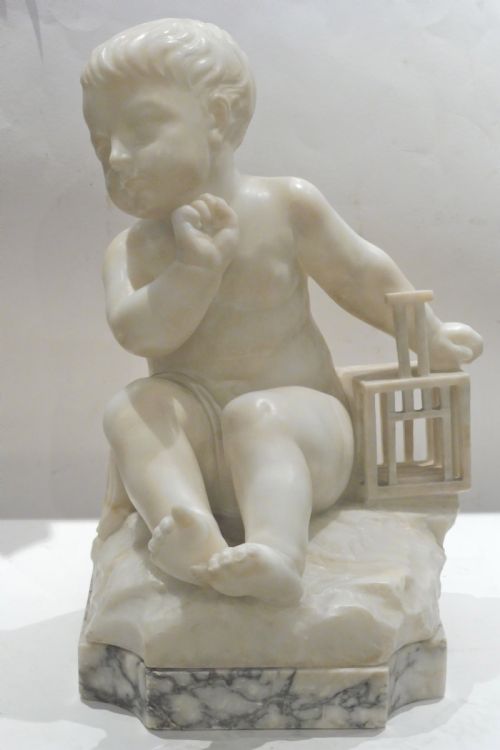


Victorian Carved Alabaster Sculpture
These Victorian carved alabaster sculpture works capture nineteenth-century portraiture and classical form in soft, translucent stone, offering enduring sculptural presence for a mantel or pedestal.
Victorian Carved Alabaster Sculpture
A Victorian carved alabaster sculpture brings nineteenth-century portraiture, classical figures, and animal studies into domestic spaces. When exploring this selection, buyers encounter portrait busts, figural groups, relief carvings, and decorative stands originating from British, Italian, and French workshops.
The objects span the nineteenth century, with particular concentration around the eighteen-eighties and eighteen-nineties. Alongside pure alabaster, forms often incorporate white marble, dark wood, or veined Carrara marble for pedestals and columns.
Stylistic influences range from strict Neoclassical and Victorian Classical Revival to Arts and Crafts interpretations and Orientalist subjects. Pieces vary from intimate cabinet figures to large sculptural groups and architectural supports.
Materials and Working Methods
Sculptors utilised fine-grained alabaster and varieties such as Derbyshire alabaster, shaping the soft stone with chisels, rasps, and abrasive powders. This mineral composition allowed carvers to achieve subtle flesh tones and translucent drapery that harder stones resisted.
Many European works combined carved alabaster figures with contrasting bases in dark wood or veined marble. Relief panels and portrait busts frequently emerged from specialised studios in Italy and Britain during the nineteenth century.
Victorian Carved Alabaster Sculpture Retail Price Guide 2026
Typical asking prices for victorian carved alabaster sculpture among the pieces listed under this phrase on Sellingantiques today, from the lower quarter to the upper quarter. They describe what is for sale here now, not the wider market.
The listings on this page span the period from eighteen-fifty to nineteen-hundred, featuring works in alabaster, marble, and stone.
The Distinction in Carving Quality
The clarity of the alabaster and the absence of heavy staining distinguish better examples. Master carvers exploited the natural translucency of the material to create depth in clothing and skin, elevating the piece beyond a simple decorative object.
P E Fiaschi·Bright And Sons·Mieczyslaw Leon Zawiejski·Joseph Gott·Pugi
The Victorian Carved Alabaster Sculpture Glossary
- Alabaster
- A soft, fine-grained stone prized for its translucency and ease of carving. It allows sculptors to achieve delicate effects of light and shadow.
- Carrara Marble
- A white or blue-grey marble quarried in the city of Carrara in Tuscany. It frequently appears in nineteenth-century architectural elements and sculptural bases.
- Relief Sculpture
- A sculptural technique where the figures project from a flat background. This method appears on nineteenth-century wall plaques and architectural panels.
- Grand Tour
- A traditional trip of Europe undertaken by upper-class European young men of means. Souvenirs from these journeys included small stone carvings and sarcophagi.
- Death Mask
- A cast taken of a person's face shortly after death. Nineteenth-century versions were sometimes translated into stone or alabaster as memorial objects.
Victorian Carved Alabaster Sculpture: Frequently Asked Questions
How do I clean nineteenth-century alabaster?
Alabaster is water-soluble and soft, meaning moisture damages the polished surface rapidly. Dust the sculpture gently with a dry, soft brush rather than using any liquid cleaners.
Keep the piece away from damp environments and direct sunlight to prevent discoloration. Professional conservation is recommended for stubborn dirt or old repairs.
Where should I display a heavy stone bust?
Large sculptures and busts require a sturdy surface such as a dedicated nineteenth-century plant stand, pedestal, or a reinforced cabinet top. Ensure the furniture can bear the substantial weight of the stone safely.
Position the object away from high-traffic walkways where it might be knocked. Good side lighting enhances the translucent qualities of the carved stone.
How can I tell alabaster from marble?
Alabaster is significantly softer than marble and can be scratched with a fingernail or a copper coin in inconspicuous areas. It also possesses a natural waxy translucency when held near a light source.
Marble feels colder to the touch and has a harder, more crystalline structure. Many nineteenth-century pieces combine both materials, using marble for bases and alabaster for figures.
What is an Orientalist figure in sculpture?
Orientalist sculpture reflects nineteenth-century European artistic interest in Middle Eastern and North African subjects. These works often depict figures in traditional regional dress or exotic settings.
Such pieces demonstrate the diverse cultural influences present in European studios during the Victorian era. They were frequently carved in Italy or France for the international market.