
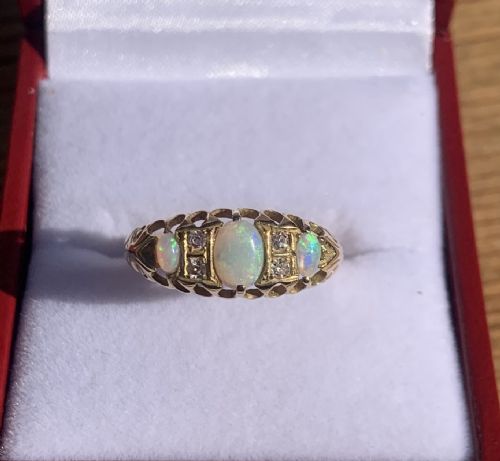


Victorian Cabochon Ring
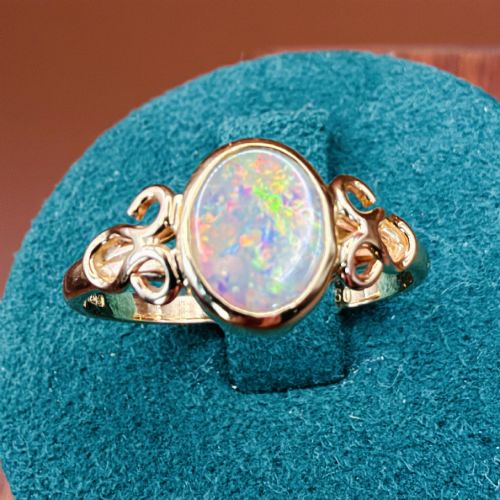
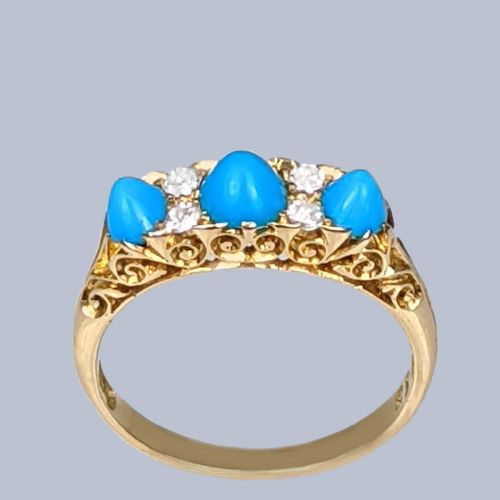
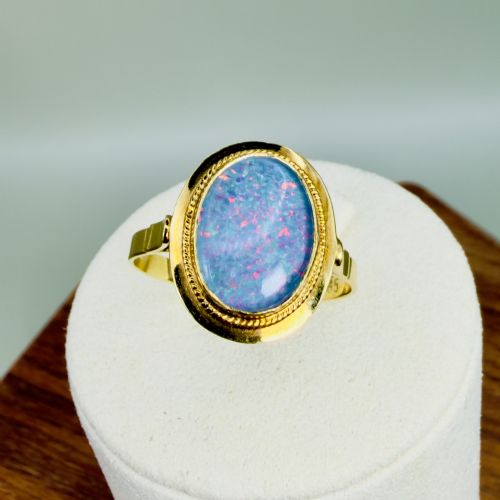
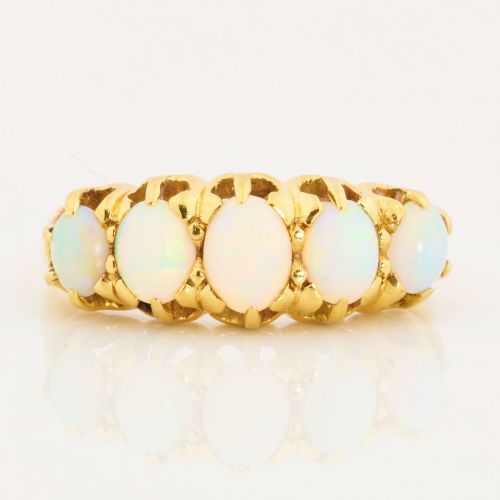
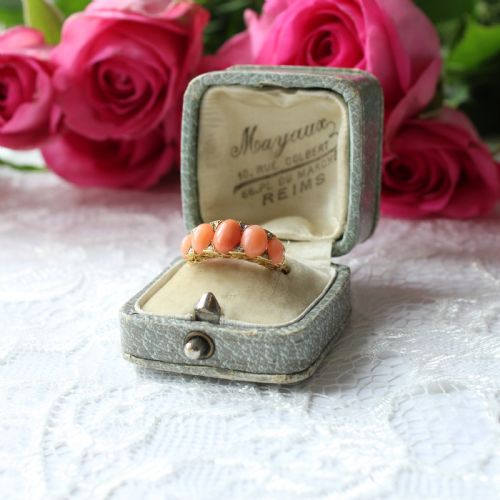
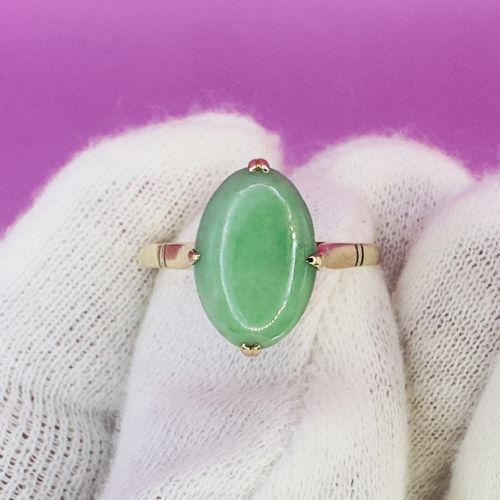
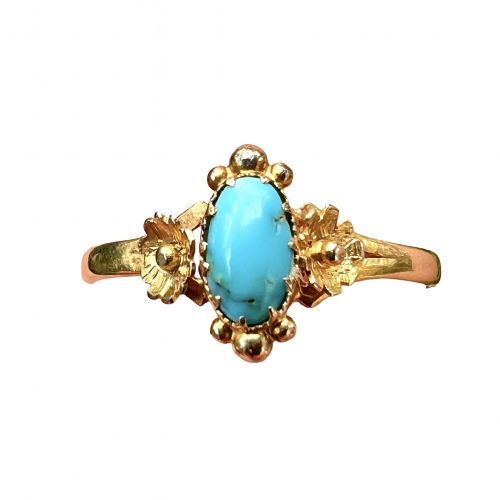
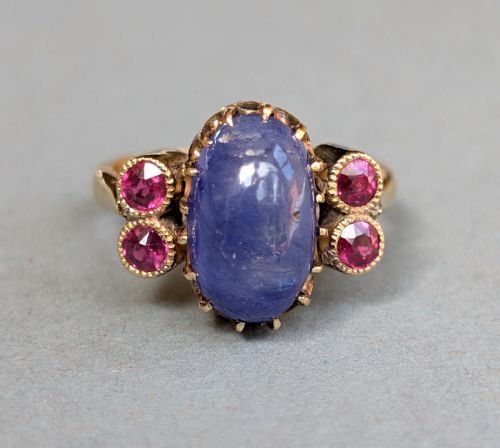
A victorian cabochon ring brings together smooth, unfaceted gemstones and rich period goldwork, offering a tactile alternative to traditional faceted jewellery.
Victorian Cabochon Ring
The selections encountered here span genuine nineteenth-century examples alongside related pieces from subsequent decades, reflecting enduring styles in gold bands.
Solitaire, cluster, and multi-stone configurations dominate the forms, reflecting how jewellers arranged smooth-domed stones to catch the light.
Materials and construction
Goldsmiths utilised yellow, rose, and white gold in various purities, shaping metal into bezel settings, claws, and delicate starburst motifs that hugged the curved stones.
Gems were selected for their natural domed profiles, whether polished opals showing play of colour, intense turquoise matrices, or deep red garnets.
Victorian Cabochon Ring Retail Price Guide 2026
Typical asking prices for victorian cabochon ring among the pieces listed under this phrase on Sellingantiques today, from the lower quarter to the upper quarter. They describe what is for sale here now, not the wider market.
Secret symbolism thrived in the Victorian era, where gemstones were cleverly combined to spell out affectionate words through their initial letters.
Distinctions in standard
Superior examples display secure, flush gemstone settings with robust gold gauge weight that withstands decades of wear without thinning at the shoulders.
The optical vitality of the central cabochon stone, combined with the crispness of surrounding hand-cut diamonds or pearls, dictates the overall refinement of the piece.
The Victorian Cabochon Ring Glossary
- Cabochon
- A gemstone shaped and polished with a smooth, rounded dome rather than faceted surfaces. This ancient cutting style accentuates the deep inner colour and optical phenomena of specific minerals.
- Old cut
- A hand-faceted diamond cut prevalent before modern machinery, characterised by a smaller table, higher crown, and open culet. These stones possess a softer, candlelit sparkle distinct from modern brilliants.
- Trilogy
- A ring setting featuring three primary gemstones arranged in a row. In antique jewellery, this configuration often symbolised the past, present, and future.
- Bezel setting
- A method of holding a gemstone in place by a narrow strip of metal that wraps entirely around the stone's perimeter. It provides secure protection for softer cabochon surfaces.
Victorian Cabochon Ring: Frequently Asked Questions
How should I care for a turquoise stone?
Turquoise is a porous material that absorbs oils, cosmetics, and water easily, which can alter its colour over time. Remove the ring before washing hands or applying lotions to preserve the integrity of the stone.
Store the piece individually in a lined box to prevent hard gems like diamonds from scratching the softer turquoise surface.
Are opals fragile to wear daily?
Opals contain internal water content and possess a lower mineral hardness, making them susceptible to impact and thermal shock. Careful wear helps protect the smooth cabochon dome from knocks and chips.
Many collectors reserve these delicate stone rings for evening wear or special occasions rather than heavy daily tasks.
How do I identify a true period piece?
Examine the rear of the setting and the shank for hand-carved details, traditional hallmarks, and the subtle irregularities typical of nineteenth-century hand tools. Castings from later eras often lack the organic flow found in genuine antique work.
Consulting hallmarks and knowing the specific gold purities commonly used in different decades aids in accurate dating.
What is a cluster configuration?
A cluster arrangement places a prominent central cabochon stone surrounded by a geometric border of smaller gems, such as rose-cut diamonds or seed pearls. This layout maximises visual impact and light reflection.
Cluster designs were immensely popular for engagement and fashion rings throughout the nineteenth century.