


Blue Stone Gold Ring
A blue stone gold ring brings together rich blue gems and warm gold in designs spanning the Victorian era through to the mid-twentieth century.
Blue Stone Gold Ring
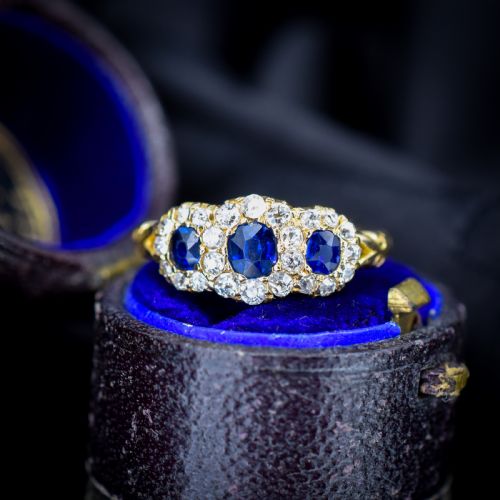
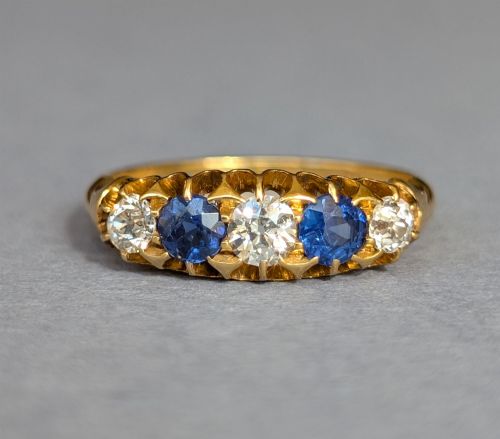
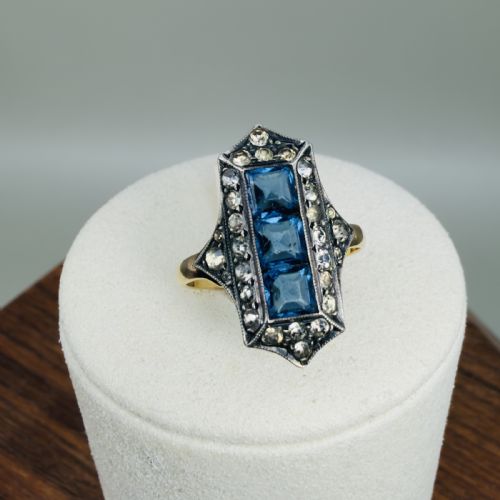
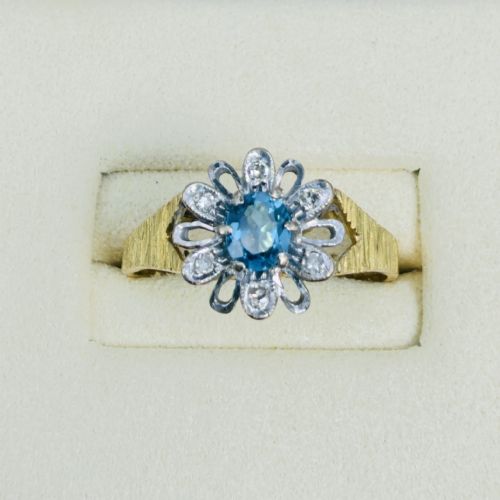
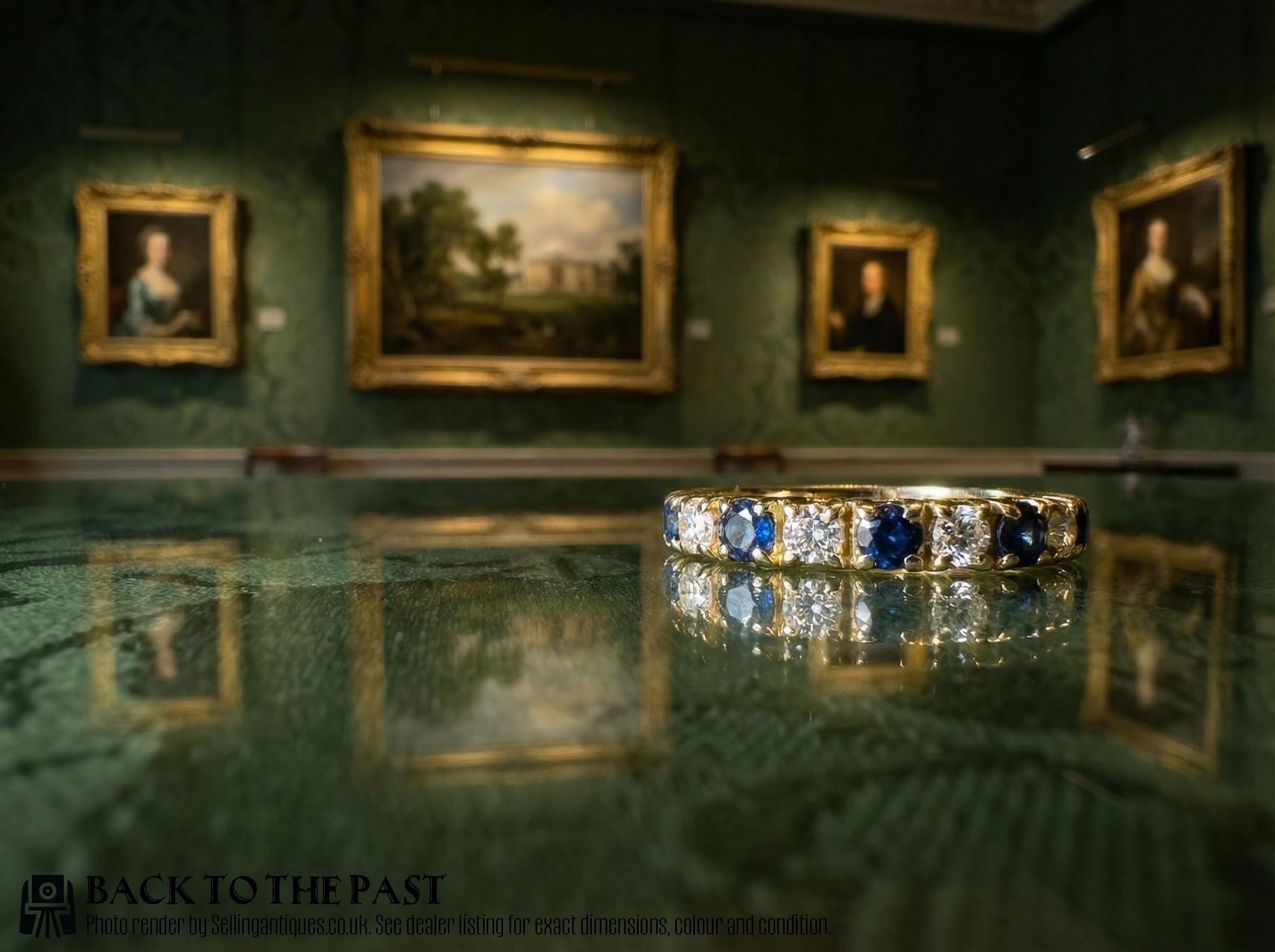
A blue stone gold ring unites coloured gems with yellow or white gold in forms ranging from delicate Victorian cluster settings to bold mid-century dress designs. The pieces on this page draw from the Victorian, Edwardian, Art Deco and mid-century periods, capturing shifting tastes in gem setting over several decades.
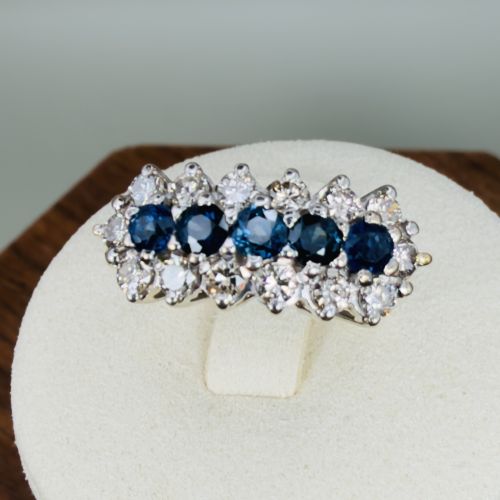
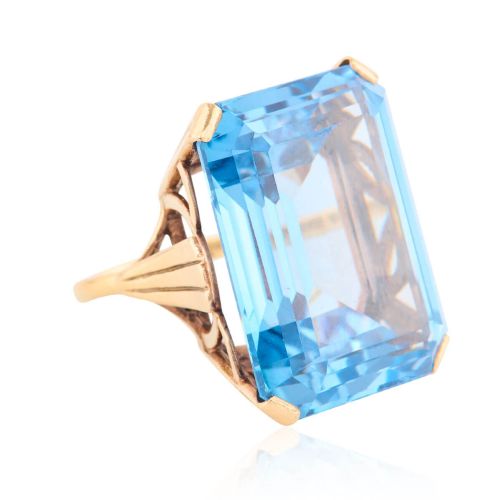
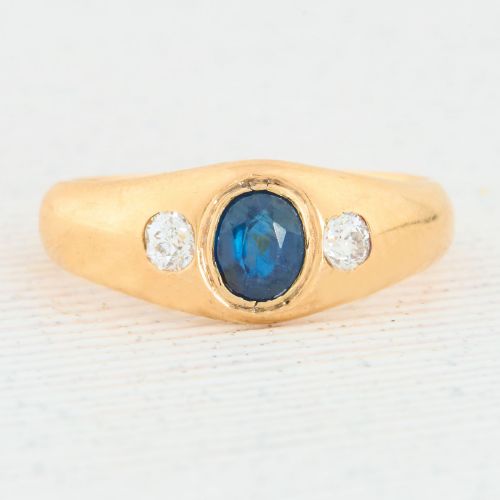
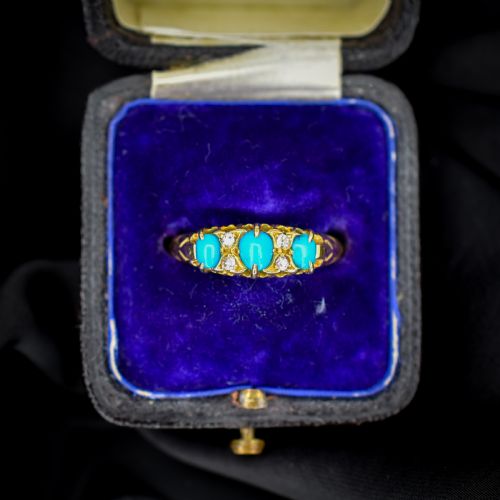
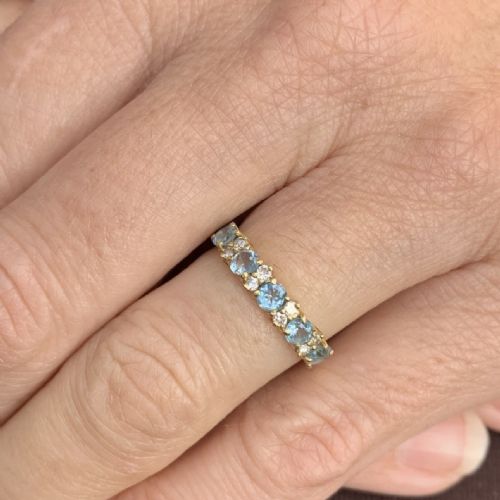
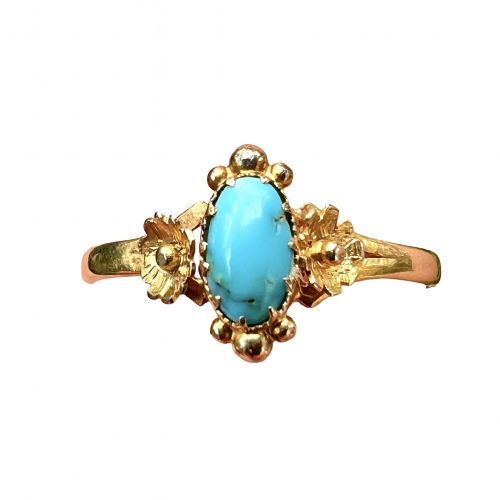
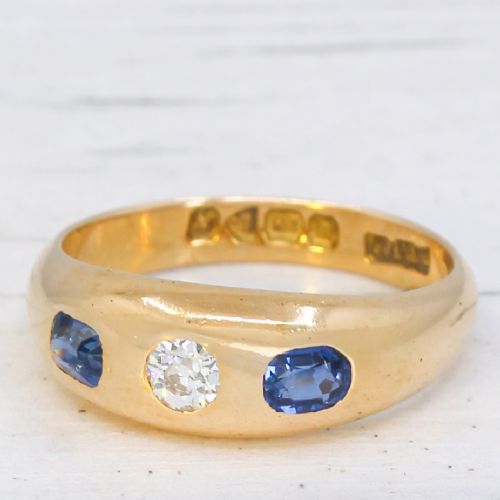
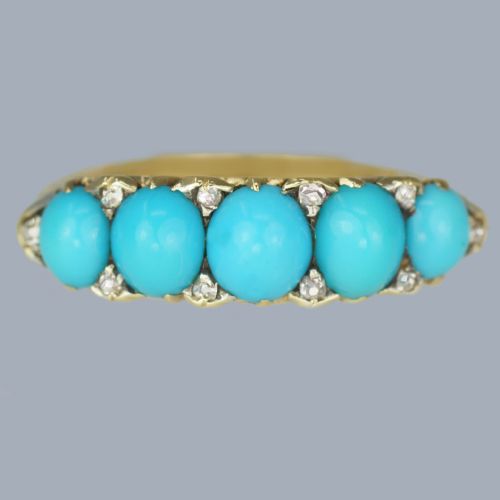
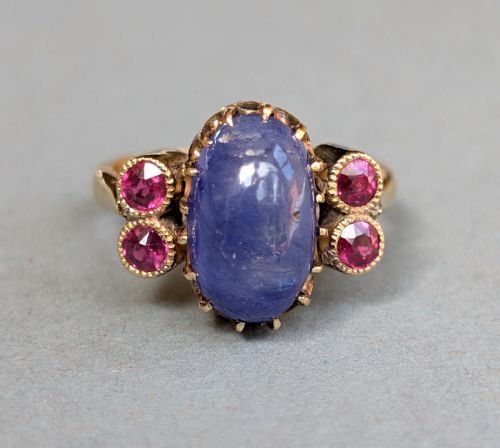
Buyers will encounter multiple configurations, predominantly sapphire and diamond combinations alongside turquoise, aquamarine, zircon and paste stones. Cluster, trilogy, boat and gypsy rings appear frequently across the selection, reflecting popular historical silhouettes.
Materials and construction
The construction relies heavily on 18ct yellow and white gold, alongside platinum settings used to secure diamonds and blue stones safely. Goldsmiths shaped these metals into intricate scrollwork, boat galleries and flush gypsy mountings that anchor the central gems.
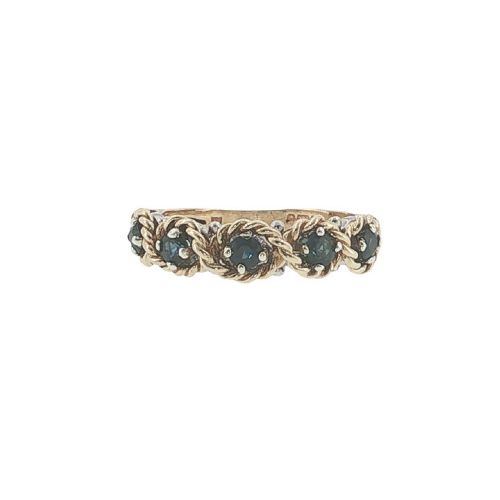
Stones are faceted or cut into oval, round and old-cut configurations, paired with diamonds using claw, bezel and pavé techniques. The integration of silver alongside gold appears in earlier pieces, demonstrating transitional manufacturing methods of the period.
Blue Stone Gold Ring Retail Price Guide 2026
Typical asking prices for blue stone gold ring among the pieces listed under this phrase on Sellingantiques today, from the lower quarter to the upper quarter. They describe what is for sale here now, not the wider market.
The selection includes 18ct yellow gold, white gold and platinum settings spanning the Victorian, Edwardian and Art Deco periods.
Evaluating quality and character
Quality rests in the depth of colour within the blue stone and the precision of the stone cutting, which dictates how light moves across the facet planes. Weight, clarity and the secure integration of supporting diamonds distinguish finer examples from standard production pieces.
The integrity of the gold work itself, from hand-carved shoulders to well-preserved claw settings, determines the enduring appeal and structural stability of each ring.
The Blue Stone Gold Ring Glossary
- Cluster ring
- A ring featuring a central stone surrounded by a border of smaller gems, often diamonds framing a blue centrepiece.
- Gypsy ring
- A style where stones are flush-set directly into a heavy, tapering gold band rather than held in raised claws.
- Trilogy ring
- A three-stone setting representing the past, present and future, typically combining a central blue stone with two flanking diamonds.
- Boat ring
- A navette-shaped setting resembling an upturned hull, elongated along the finger to showcase multiple stones.
- Paste
- Hand-cut glass or lead crystal used historically as a bright substitute for precious gemstones in decorative dress rings.
Blue Stone Gold Ring: Frequently Asked Questions
How do I care for an antique gold ring?
Clean your ring gently with warm soapy water and a soft brush, avoiding harsh ultrasonic cleaners that might dislodge older stones.
Store antique jewellery separately in fabric-lined boxes to prevent softer gems like turquoise from scratching against harder diamonds.
Can these rings be resized easily?
Most gold rings can be adjusted by a skilled jeweller, though patterned bands or those with stones set all the way around require careful handling.
Consult a specialist to ensure the structural integrity of the shoulders and gallery remains intact during any alteration.
What is the difference between a cluster and a trilogy ring?
A cluster ring arranges a group of smaller stones tightly around a dominant central gem, creating a wide floral or geometric face.
A trilogy ring lines up three stones horizontally across the finger, usually featuring a prominent sapphire flanked by two diamonds.
How do I identify the period of my ring?
Look to the overall silhouette, setting style and any hallmarks stamped inside the gold band to determine the era of manufacture.
Victorian and Edwardian pieces often feature delicate hand-engraving and silver-topped gold, while Art Deco designs favour geometric symmetry and platinum.