

Antique Blue Gemstone Ring
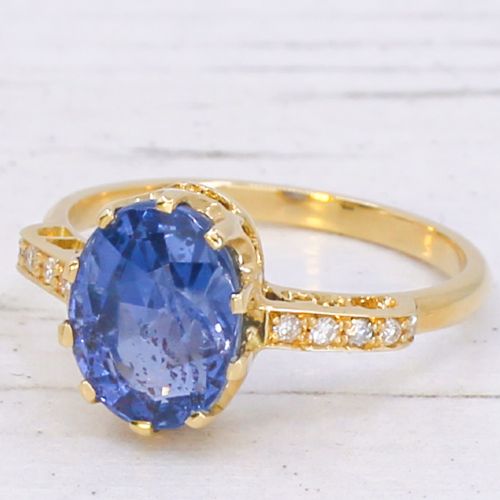
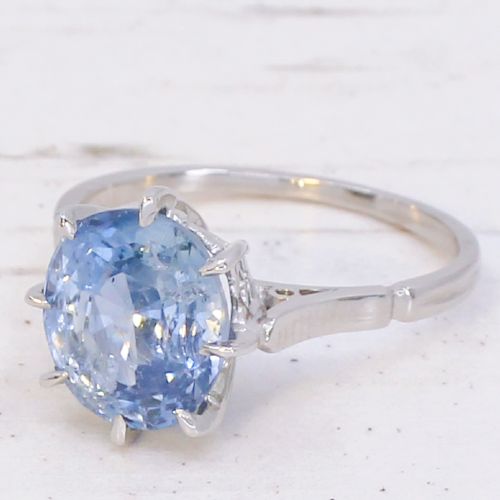
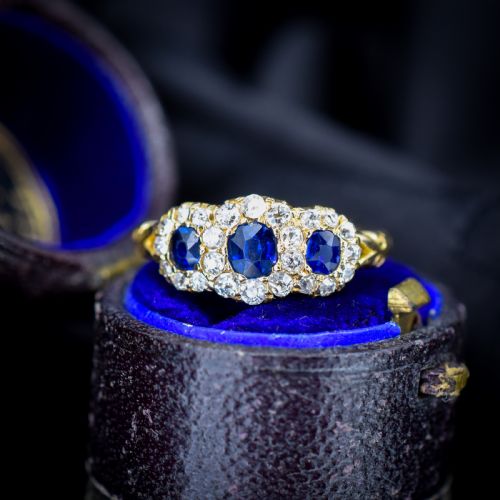
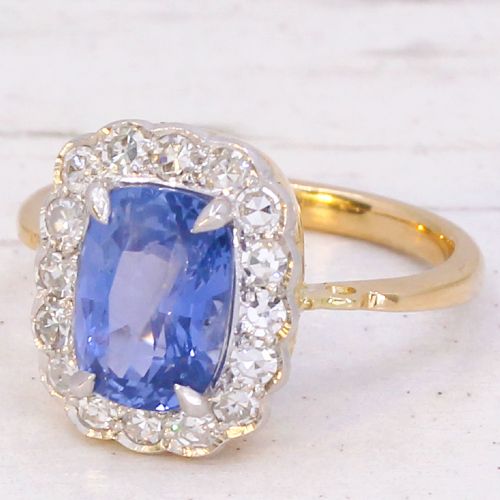
An antique blue gemstone ring carries the quiet weight of the Victorian, Edwardian and Art Deco eras on the hand.
What an antique blue gemstone ring is
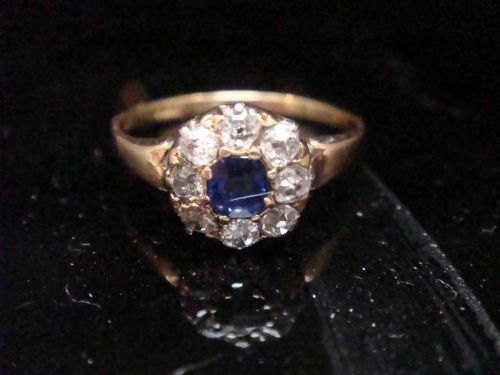
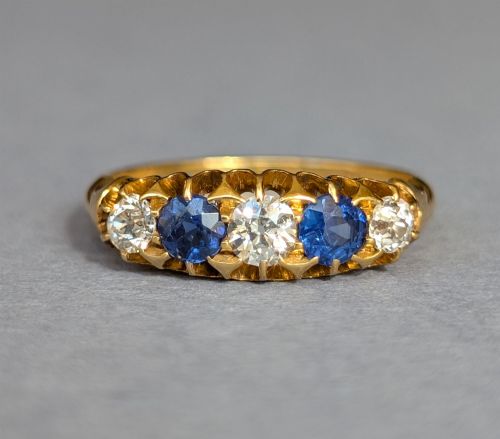
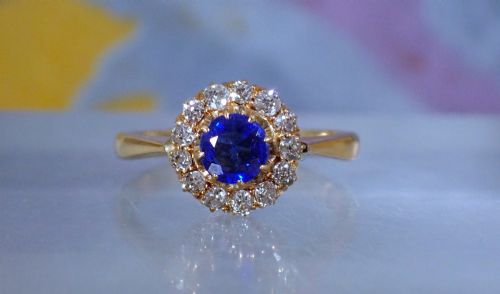
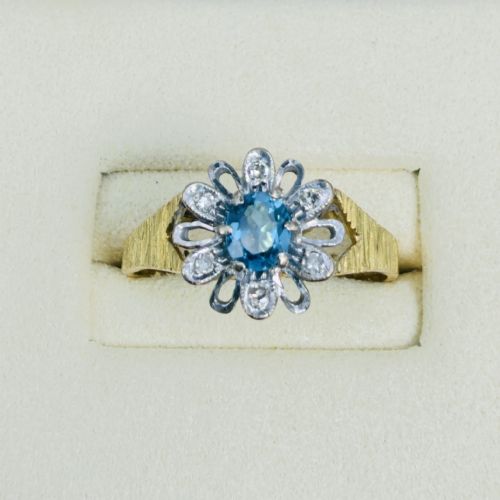
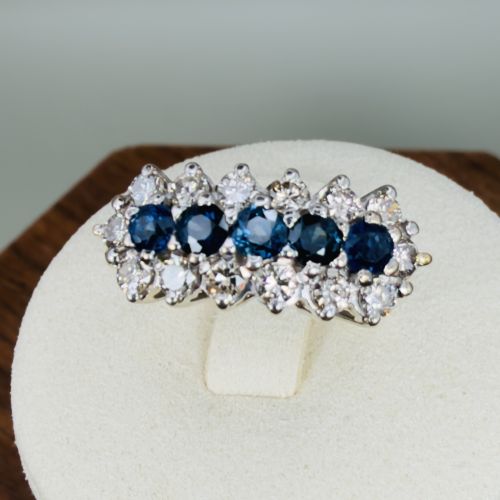
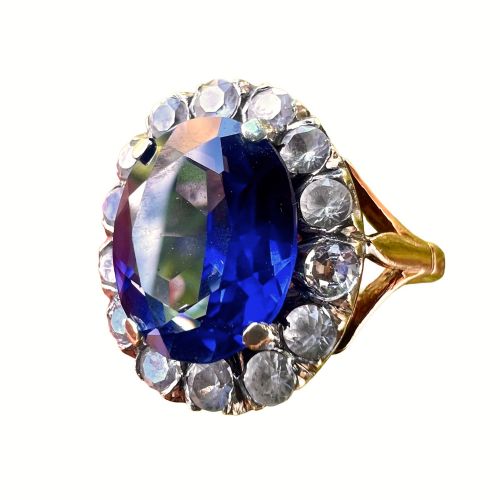
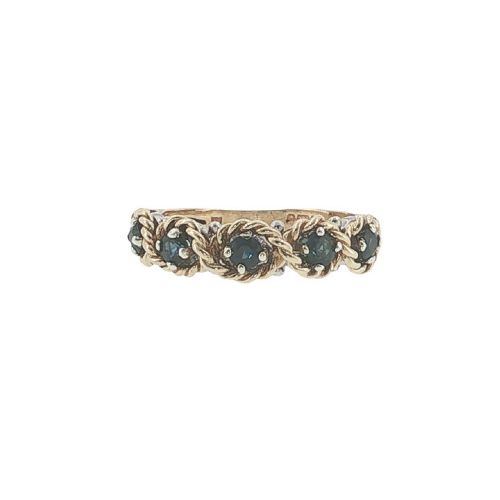
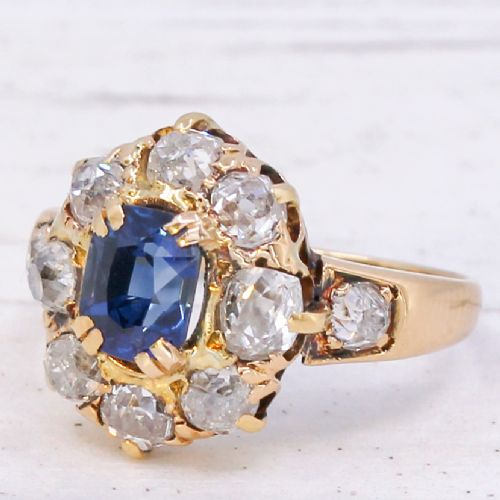
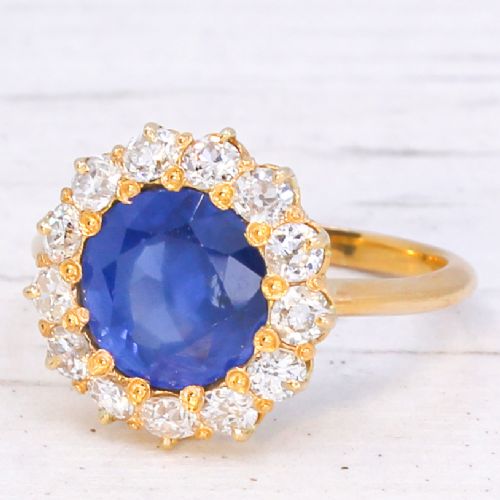
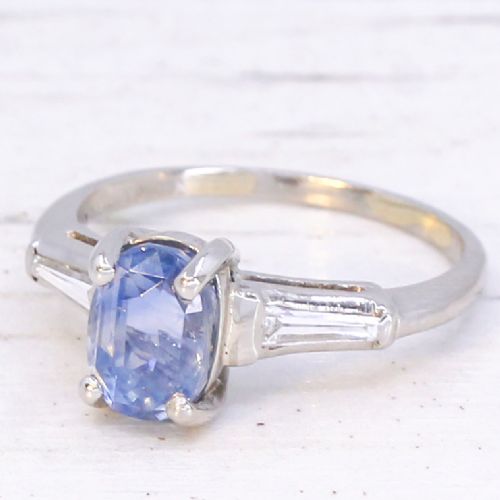
An antique blue gemstone ring brings together historical periods spanning the Victorian era through to the nineteen thirties. These pieces emerge in styles ranging from early cluster formations to sleek Art Deco geometries and traditional five stone arrangements. The pieces found here demonstrate the enduring appeal of blue stones paired with contrasting white diamonds.
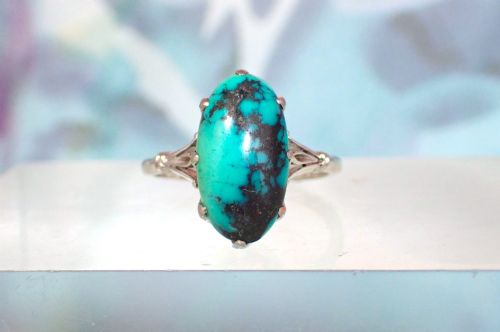
The sapphire remains the most prominent blue gemstone across the selection, appearing alongside turquoise and aquamarine. Collectors encounter yellow gold, white gold and platinum settings that reflect the shifting aesthetic preferences of their respective decades. Each ring holds a distinct character shaped by the craftsmanship of its specific period.
How they were made
The construction of these rings relies on precious metals such as eighteen carat gold, white gold and platinum. Artisans shaped these metals by hand to house central blue gemstones alongside brilliant or old cut diamonds. Metalwork from the Victorian and Edwardian periods often shows meticulous attention to detail in the setting claws and shoulders.
Gemstones in these historical rings feature traditional cutting styles, including the distinctive facets of old cut diamonds and prominent sapphires. The mounting techniques secure the stones firmly while allowing light to pass through the aquamarine, turquoise or sapphire. Master jewellers balanced durability with aesthetic lightness in both cluster and solitaire designs.
Retail Price Guide 2026
Typical UK retail prices for blue gemstone ring, calculated from the Sellingantiques database of over a million retail prices indexed since 2003. This retail price guide relies exclusively on Sellingantiques data; no external sources or auction records are used, so the figures do not describe the wider market.
A persistent Victorian superstition held that turquoise could absorb the illness of its wearer and change colour in response.
What varies in quality
The calibre of an antique blue gemstone ring rests upon the depth of colour and clarity within the central stone. Superior examples display vibrant saturation in the sapphire or aquamarine without inclusions that interrupt the passage of light. The accompanying diamonds contribute to the overall brilliance through their cut and integration into the design.
Structural integrity and the condition of the metalwork further distinguish the finer pieces in a collection. Original settings that retain their precise geometry and secure the stones without modern intervention command greater appreciation. The harmony between the central blue gem and the supporting precious metal defines the upper tier of these jewels.
The Antique Blue Gemstone Ring Glossary
- Old cut diamond
- A precursor to the modern brilliant cut, characterised by a higher crown, smaller table and open culet. These stones were shaped by hand to catch the flickering light of gas lamps and candles.
- Cluster ring
- A jewellery configuration featuring a prominent central gemstone surrounded by a border of smaller stones, typically diamonds. This arrangement maximises visual impact on the hand.
- Solitaire ring
- A simple and enduring design featuring a single prominent gemstone mounted on a precious metal band. This style places total visual emphasis on the quality of the main stone.
- Aquamarine
- A pale blue to light greenish blue variety of beryl utilised in dress rings during the early twentieth century. The name derives from the Latin for seawater.
- Platinum
- A dense, malleable and ductile precious metal prized for its strength and naturally white lustre. It gained widespread popularity in fine jewellery settings during the Edwardian and Art Deco periods.
Frequently Asked Questions
How do I care for an antique ring?
Protect your antique blue gemstone ring by removing it before engaging in heavy manual labour, gardening or swimming. Store each piece in a separate fabric lined box to prevent the metals and stones from scratching one another.
Clean the metal and gemstones gently using warm soapy water and a soft brush. Avoid harsh chemical dips or ultrasonic cleaners, particularly when turquoise or aquamarine is present in the setting.
Can an antique ring be resized?
Most rings fashioned from eighteen carat gold, white gold or platinum can be adjusted by a skilled jeweller. The process involves adding or removing a small section of metal from the shank to achieve the correct fit.
Intricate cluster designs and rings featuring stones channel set around the entire band require careful assessment before alteration. Consult a specialist who understands antique settings to preserve the structural integrity of the piece.
How do I identify the period of a ring?
Dating relies on observing the combination of materials, gemstone cuts and overall stylistic motifs present in the piece. Victorian examples often utilise yellow gold and distinct stone arrangements, whereas Edwardian pieces lean towards platinum and delicate openwork.
Art Deco creations from the nineteen thirties favour geometric lines and streamlined settings. Hallmarks stamped inside the band can also provide official clues to the assay office and year of manufacture.
What is the difference between sapphire and aquamarine?
Sapphire is a precious variety of corundum known for its deep, saturated blue hues and exceptional hardness. It has been a favoured centre stone in fine jewellery for centuries.
Aquamarine belongs to the beryl family and displays a much lighter, translucent blue or greenish blue tone. It became particularly popular for dress rings during the nineteen thirties.