
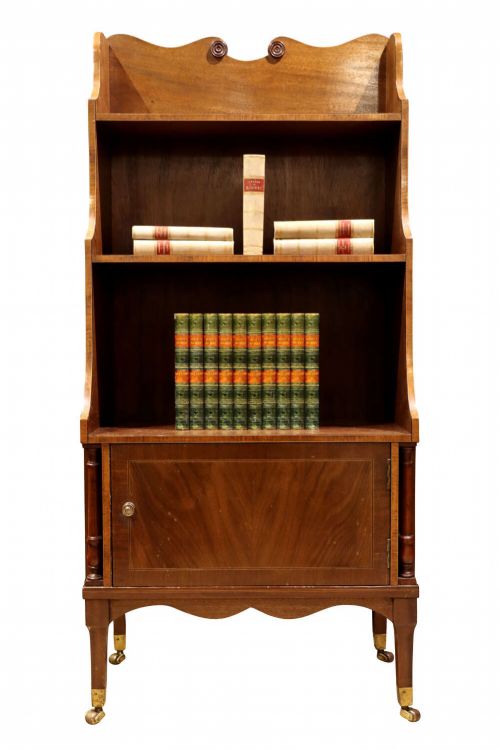


Victorian Cabinet on Castors
These Victorian cabinet on castors pieces combine period timber frames with rolling brass feet, offering both display space and easy movement around a room.
Victorian Cabinet on Castors
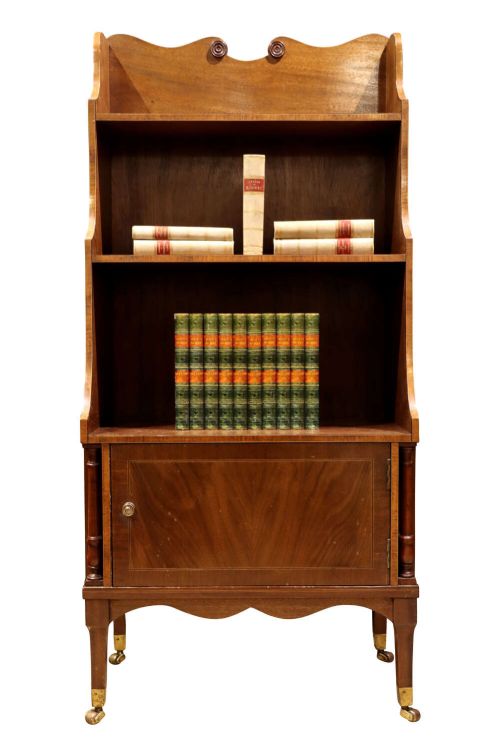
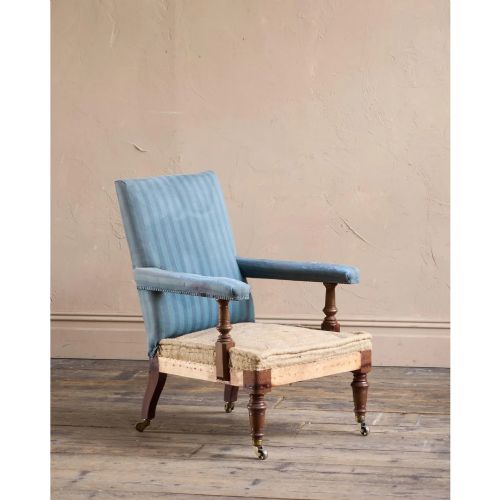
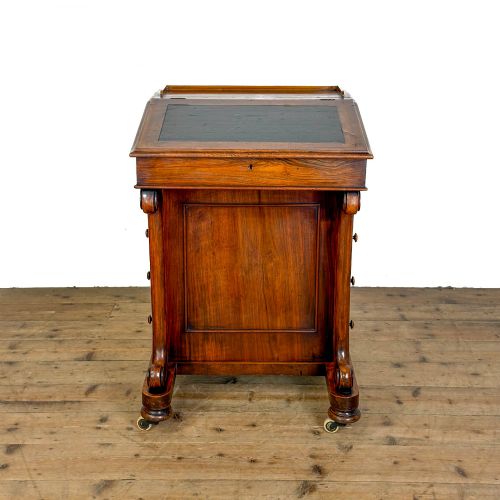
When you search for a Victorian cabinet on castors, you encounter a variety of forms designed for domestic storage and display during the nineteenth century. The selection ranges from inlaid mahogany waterfall bookcases and walnut music canterburys to rosewood cellarettes and work tables fitted with mobility hardware.
Canterburys and bedside tables form the most common versions on this page, often featuring low wooden frames supported by small metal wheels. These items reflect the functional demands of Victorian interiors, where furniture needed to shift position easily for cleaning or changing room layouts.
The periods and styles span from Georgian antecedents through to late Victorian and 1900 productions, capturing a steady evolution in craftsmanship. Materials vary widely, encompassing dark hardwoods alongside lighter satin birch and specialised treatments like burr walnut.
Aspects of quality
Quality rests on the selection of timber veneers, such as figured burr walnut or rich rosewood, and the precision of any wood inlay. The crispness of turned wooden elements and the original condition of the brass castors also distinguish finer examples from standard workshop output.
Design complexity marks the division between basic utility items and superior cabinet work. Pieces featuring multi-tier shelving, integrated drawers, or sophisticated glazed doors demonstrate higher levels of nineteenth-century joinery.
Design forms include music canterburys, waterfall bookcases, work tables, and bedside cabinets.
Morison and Co·J A Mein Edinburgh·Waring and Gillow·J.C.Loudon
The Victorian Cabinet on Castors Glossary
- Castor
- A small wheel mounted on a swivel, attached to the base of furniture to allow easy rolling and repositioning. They are frequently made of brass on nineteenth-century examples.
- Canterbury
- A low stand with partitions, originally designed for holding sheet music or books, often fitted with a drawer and castors below. They appear in walnut, mahogany, and rosewood.
- Waterfall bookcase
- A set of open shelves that graduate in depth from bottom to top, creating a stepped profile reminiscent of cascading water. These units sometimes incorporate enclosed cabinet space at the base.
- Cellarette
- A lockable container used for storing bottles of wine or spirits within a dining room setting. Nineteenth-century versions often sit on castors for mobility.
- Work table
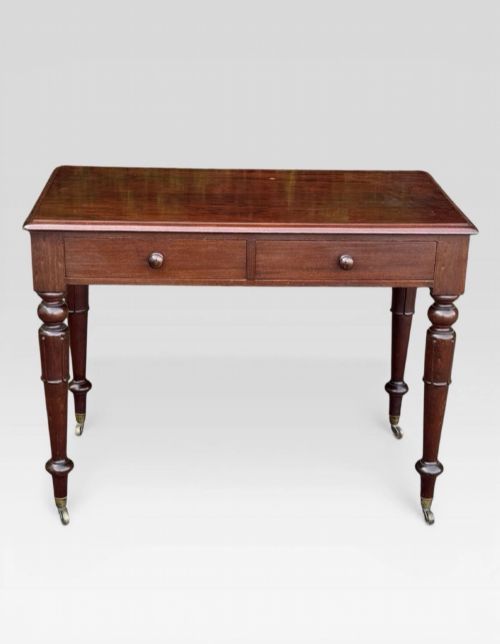
- A small domestic table equipped with drawers or fabric bags for sewing and needlework supplies. They frequently feature turned legs and rolling feet.
Victorian Cabinet on Castors: Frequently Asked Questions
What is a canterbury?
A canterbury is a low compartmentalised stand used originally for storing sheet music, folios, or books within a Victorian parlour. They often include a small lower drawer and rest upon castors.
These pieces were designed to sit beside a piano or seating area for quick access to performance materials.
Are the castors original?
Many nineteenth-century pieces retain their original brass or metal castors, which show appropriate oxidation and wear consistent with age. Replacement castors do occasionally occur due to centuries of domestic movement.
Examining the fixing screws and the seating of the wheel mount helps determine if the hardware belongs to the initial manufacture.
How do I care for mahogany?
Mahogany furniture benefits from minimal intervention, relying on regular dusting with a soft, dry cloth to protect the polished surface. Avoid placing wooden pieces in direct sunlight or near heat sources to prevent timber splitting.
Applying occasional appropriate wax preserves the depth of the grain without building up heavy residue.
How do I date a piece?
Dating relies on stylistic markers, construction methods, and timber choices typical of specific decades within the nineteenth century. Pieces labelled as Victorian span a broad range from eighteen thirty-seven to nineteen hundred, while specific dates like eighteen eighty offer tighter chronological brackets.
Interior secondary woods, drawer dovetailing, and hardware styles provide further physical clues to the period of origin.