



Victorian Bronze Cherub Figurine
These nineteenth-century bronze cherub figurine examples bring classical winged figures into domestic interiors through cast metal work.
Victorian Bronze Cherub Figurine
A victorian bronze cherub figurine represents winged putti, cherubs, or classical children engaged in musical, mythological, or domestic pursuits. These sculptures take the form of single statuettes, pairs on marble or wood bases, and integrated elements within mantel clocks, desk stands, and table lamps.
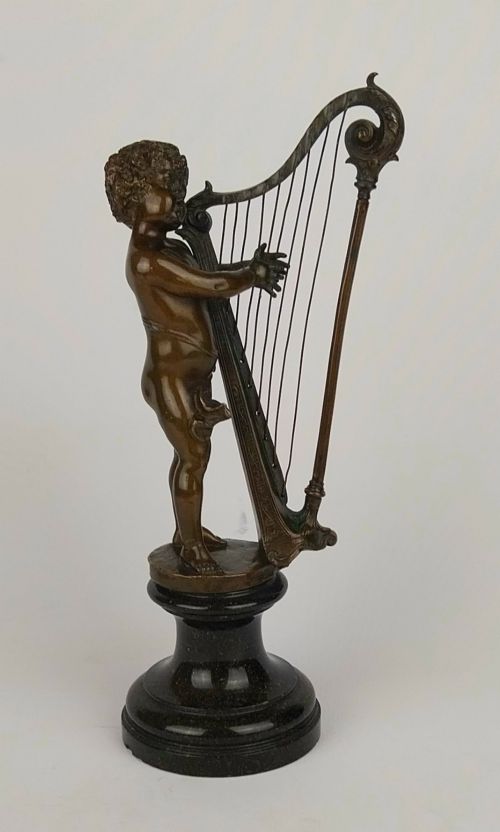
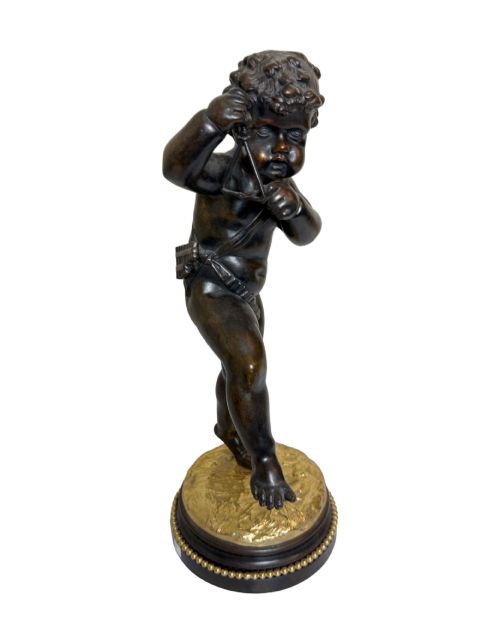
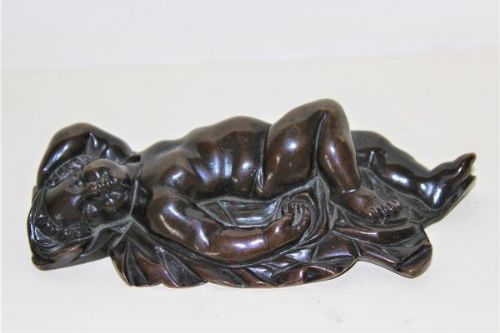
The majority of pieces hail from nineteenth-century French and Italian workshops influenced by neoclassical and classical revival tastes. Subjects range from sleeping children and grape-gatherers to musicians playing harps and triangles.
Buyers encounter standalone bronze sculptures alongside functional objects adapted during the period or later converted for domestic utility. The figures draw upon grand tour inspirations and nineteenth-century decorative aesthetics.
How they were made
These figures rely on metal-casting techniques using bronze, often finished with dark patination or gilt surfaces. Sculptors and founders shaped the metal to capture detailed hair, wings, and drapery.
Many bronzes incorporate contrasting structural or decorative elements such as marble bases, variegated stone stands, inlaid wood, fabric, and glass beads. Desk stands and clock cases additionally utilise coromandel wood alongside the cast metal components.
Victorian Bronze Cherub Figurine Retail Price Guide 2026
Typical asking prices for victorian bronze cherub figurine among the pieces listed under this phrase on Sellingantiques today, from the lower quarter to the upper quarter. They describe what is for sale here now, not the wider market.
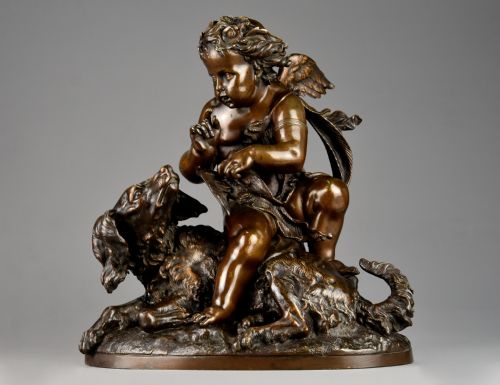
Several bronzes catch cherubs mid-mischief, including a spaniel dog sharing the scene and figures enthusiastically gathering grapes.
What varies in quality
Quality rests in the crispness of the metal chasing and the sensitivity of the modelling in the figures' faces and limbs. Finer castings preserve subtle musculature and feather articulation without soft edges or obscured details.
The choice and execution of the base material significantly influence the character of the piece. Integrated supports involving variegated marble, inlaid wood, or complex clock assemblies demonstrate greater ambition than simple mounted casts.
The Victorian Bronze Cherub Figurine Glossary
- Putto
- A plump, often winged child figure derived from classical art. These motifs appear frequently in Renaissance revival and nineteenth-century decorative metalwork.
- Patinated bronze
- Metal treated with chemicals to produce a stable surface colour, typically dark brown or green. This finish protects the metal and highlights sculptural contours.
- Gilt bronze
- Bronze coated with a layer of gold through fire gilding or electroplating. The technique yields a bright metallic lustre.
- Neoclassical
- A revival style drawing inspiration from the art and architecture of classical Greece and Rome. It prioritises balance, proportion, and mythological subject matter.
- Grand tour
- The nineteenth-century practice of elite travellers collecting art and antiquities across Europe. Souvenirs from these journeys heavily influenced Victorian decorative taste.
Victorian Bronze Cherub Figurine: Frequently Asked Questions
Are these figures solid bronze?
Nineteenth-century sculptures of this type are typically cast using the lost-wax or sand-casting method. While many smaller statuettes are solid cast bronze, larger compositions and figures attached to clocks or lamps may be hollow to reduce weight.
Foundries used various finishing techniques, including hand-chasing after casting, to refine surface details before applying patination or gilding.
How should I clean a bronze figure?
Bronze requires minimal intervention to preserve its original surface and patination. Dusting gently with a dry, soft cloth is sufficient for routine maintenance.
Avoid using water, oils, or abrasive metal polishes, as these substances can strip the historic patina and damage the underlying metal.
What is the difference between a cherub and a putto?
In art historical terms, a putto represents a secular mythological child, often associated with love or Bacchic revelry. A cherub strictly belongs to a celestial order of angels.
In nineteenth-century commerce and cataloguing, the terms are frequently used interchangeably to describe winged child figures.
How do I date a nineteenth century bronze?
Dating relies on stylistic clues, casting methods, and associated materials such as marble bases or clock movements. Nineteenth-century pieces often reflect contemporary French or Italian revival tastes.
Examining the underside for tool marks, threaded screws, or foundry stamps helps establish the period of manufacture.