



Cast Bronze Tabletop Statue
These cast bronze tabletop statues bring solid weight and classical or animalier form straight into a room.
Cast Bronze Tabletop Statue
A cast bronze tabletop statue is a compact metal sculpture designed to sit on a desk, shelf or mantelpiece. The pieces found here span from the nineteenth century into the contemporary period, taking the form of figures, animals and clock garnitures.
The selections range across distinct aesthetic movements, including Art Deco, Neoclassical, Animalier and Orientalist designs. Human subjects like Bacchus and cherubs appear alongside stags, tigers and bears.
Nineteenth-century examples often draw inspiration from classical antiquity, such as Pompeian originals or Italian studies. Later twentieth-century works shift towards dynamic animal subjects and distinct Art Deco movement.
Materials and construction
The primary material is cast bronze, frequently finished with patination to alter the surface colour and tone. Some nineteenth-century pieces employ cold painted bronzed finishes over metal bases.
Secondary materials support the metal figures, utilising marble, stone and oak for bases and integrated clock housings. Enamel details occasionally add colour accents to the metallic surfaces.
Cast Bronze Tabletop Statue Retail Price Guide 2026
Typical asking prices for cast bronze tabletop statue among the pieces listed under this phrase on Sellingantiques today, from the lower quarter to the upper quarter. They describe what is for sale here now, not the wider market.
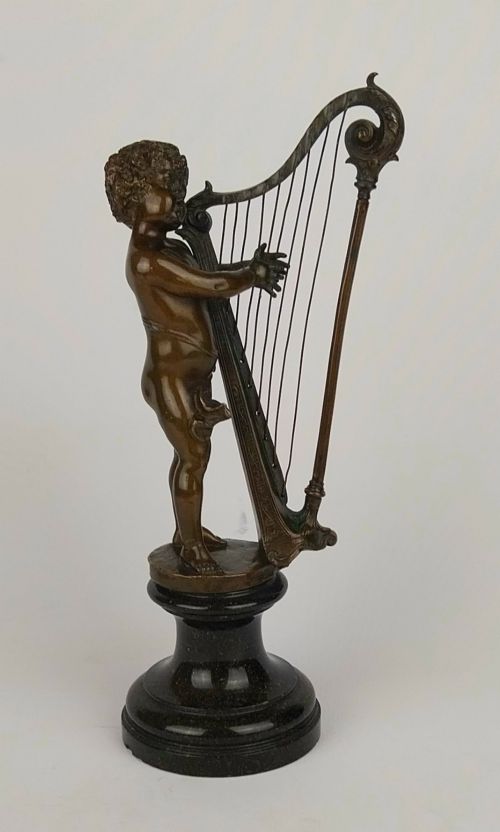
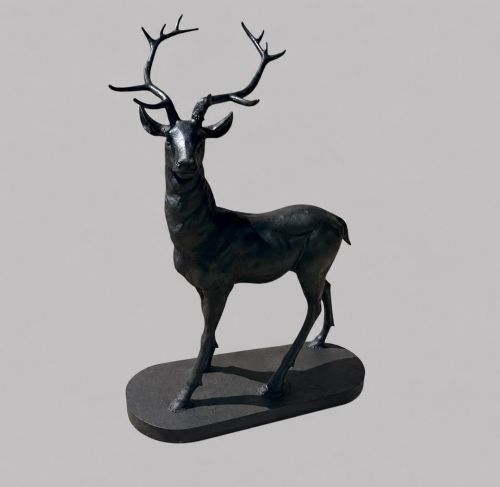
A solitary heavy bear observes proceedings alongside trotting cobs and harp-playing cherubs.
Assessing quality in bronze statuary
The secondary materials also dictate overall standard, particularly the density and polish of marble bases or the complexity of integrated stone and clock structures.
Georges-Charles Coudray·Philip Blacker·Vannetti·Elizabeth Anna Clapp·Bruno Zach·Louis Hottoot
The Cast Bronze Tabletop Statue Glossary
- Animalier
- A nineteenth-century artistic style focusing on the realistic depiction of animals, particularly predators and game. These sculptures often capture wild creatures in dynamic movement or repose.
- Patinated Bronze
- Bronze that has been treated with chemical solutions to produce a specific surface coloration or aged appearance. This treatment protects the metal while defining the visual contours of the sculpture.
- Cold Painted
- A technique where paint is applied to an unheated bronze surface, common in Austrian and European bronzes of the nineteenth and early twentieth centuries. The pigments are typically oil or varnish based.
- Grand Tour
- A traditional trip through Europe undertaken by upper-class young men in the eighteenth and nineteenth centuries, yielding small bronzes and antiquities as souvenirs. These pieces often replicated classical sculpture.
- Putto
- A plump, naked male child figure frequently depicted in classical and Renaissance art, similar to a cherub. They often appear playing instruments or interacting with mythological figures like Bacchus.
Cast Bronze Tabletop Statue: Frequently Asked Questions
Where should I place a cast bronze statue?
These sculptures suit tabletops, sideboards and mantels where their solid weight provides stability. Ensure they sit out of direct, harsh moisture to protect the patinated surface.
Pairing a small bronze with wooden furniture or marble surfaces highlights the contrasting textures of the materials used in the base.
How do I identify an Animalier bronze?
Animalier bronzes focus strictly on the anatomy and natural behaviour of animals. Look for realistic muscle tension and active postures rather than stylised decoration.
These works became particularly prominent during the nineteenth century, capturing bears, stags and tigers with careful observation.
What is a cold painted bronze?
Cold painted pieces feature pigment applied directly to the metal without heat firing. This method allows for intricate multi-coloured details on clothing or feathers.
Care is required with these surfaces, as moisture or harsh cleaning can disturb the applied paint layer.
How can I tell a nineteenth-century bronze apart from later work?
Nineteenth-century examples frequently draw upon classical themes like Bacchus or incorporate heavy marble plinths. The patination tends to show deeper, softer wear patterns accumulated over time.
Twentieth-century pieces, particularly those from the Art Deco era, shift towards sleek lines and more stylised human or animal subjects.