

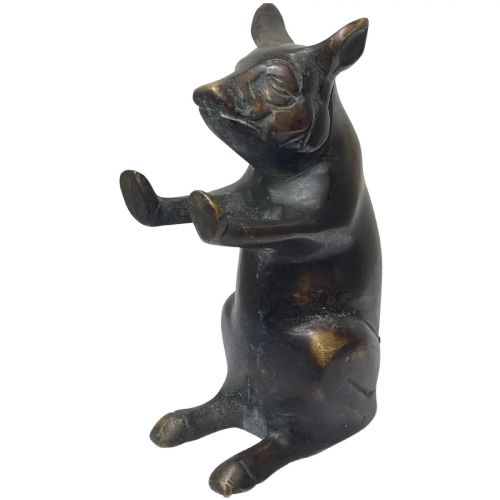
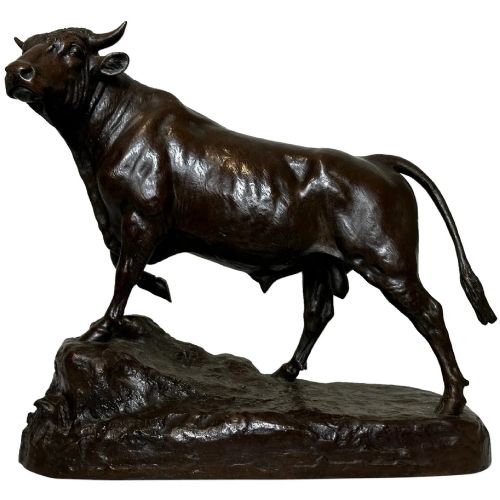
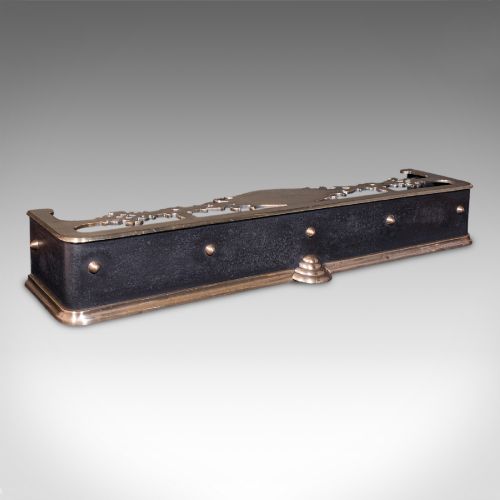
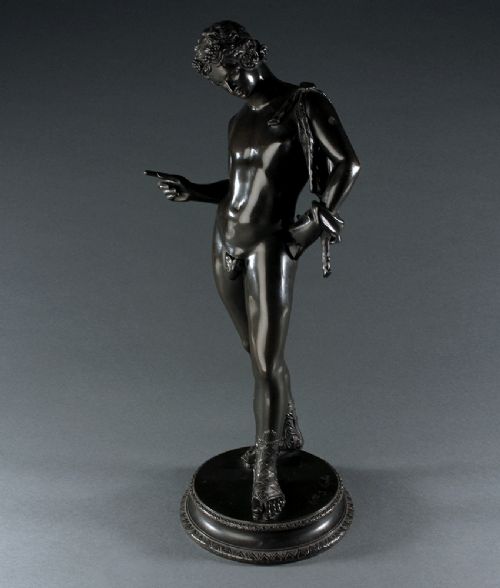

Victorian Bronze Cast
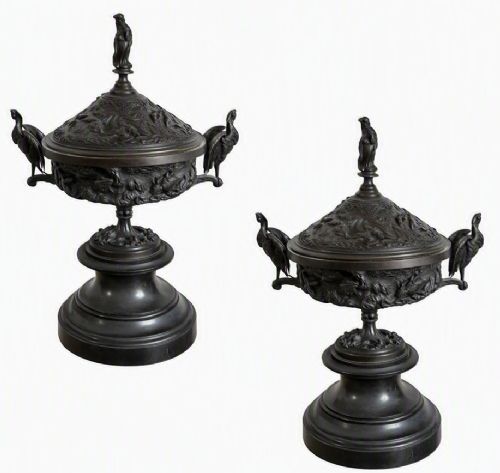
Victorian bronze cast works bring weight and narrative detail to interiors, spanning realistic animal figures and Gothic furnishings.
Victorian Bronze Cast
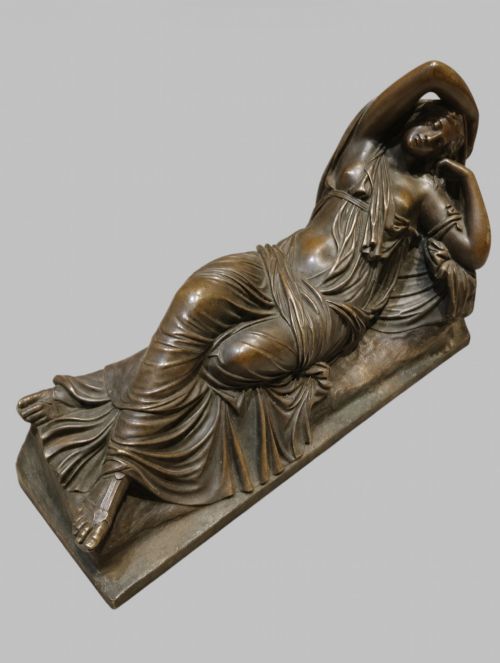
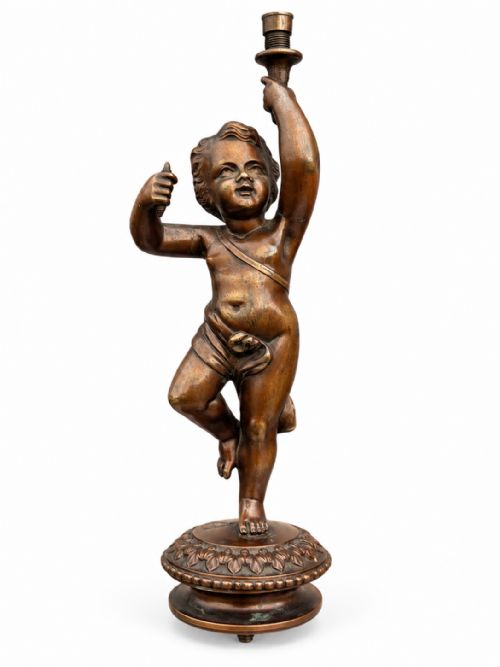
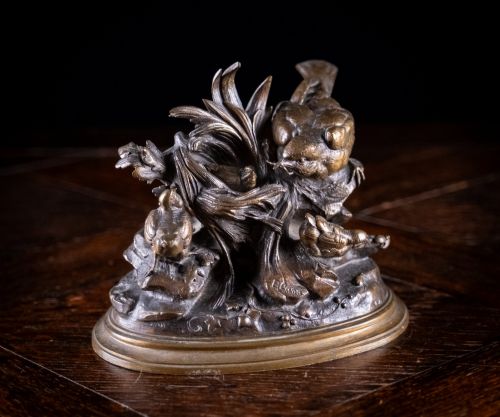
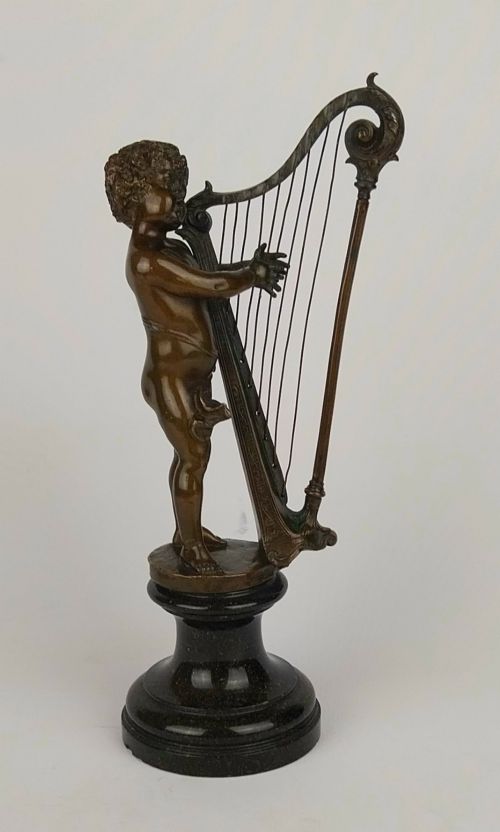
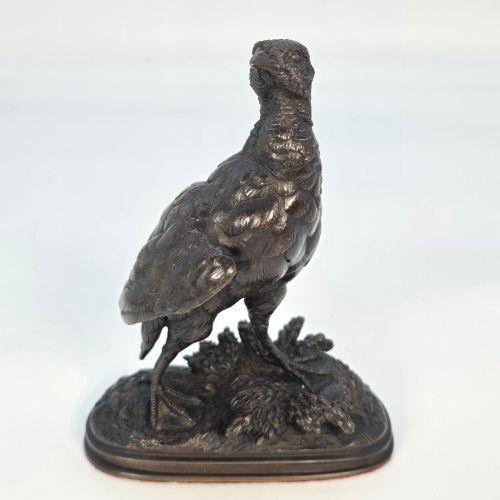
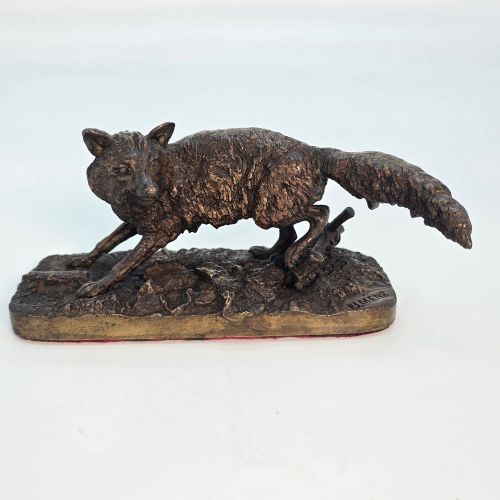
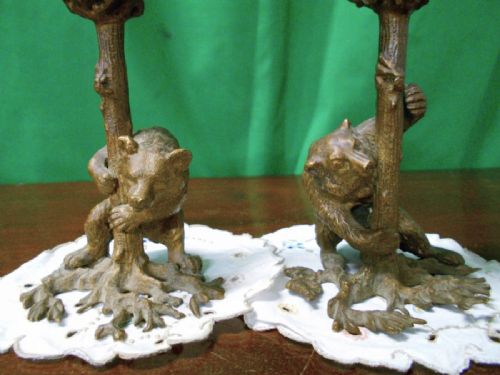
Victorian bronze cast pieces encompass sculptural works, heavy utilitarian items and decorative household furnishings produced across the nineteenth century. The selection leans heavily toward animalier studies, candlesticks, door furniture and fireplace accessories created in Britain and continental Europe.
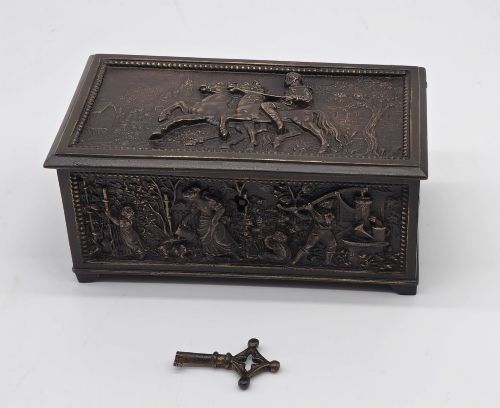
Buyers encounter distinct forms ranging from patinated bird and hound studies to architectural wall sconces, ewers and jewellery caskets. Many items combine cast bronze elements with marble bases, uranium glass or brass fittings to suit domestic spaces.
How They Were Made
Foundries utilised traditional metal-casting techniques to shape molten bronze, brass and cast iron into intricate forms. Molten metal poured into moulds captured fine textures in fur, feathers and ornamentation.
Surface treatments included applied patinas and gilding to enrich the metal. Artisans finished cast components through hand-chasing and mounting on bases of wood or marble.
Victorian Bronze Cast Retail Price Guide 2026
Typical asking prices for victorian bronze cast among the pieces listed under this phrase on Sellingantiques today, from the lower quarter to the upper quarter. They describe what is for sale here now, not the wider market.
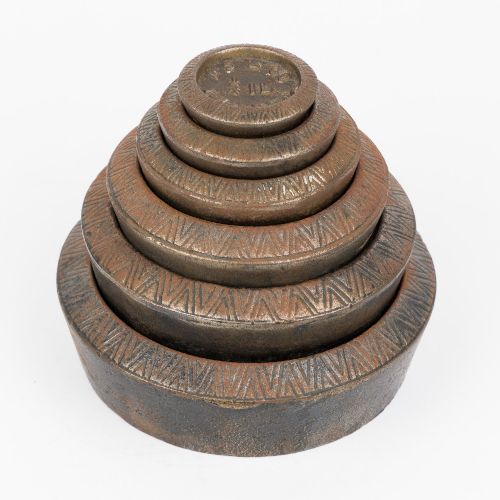
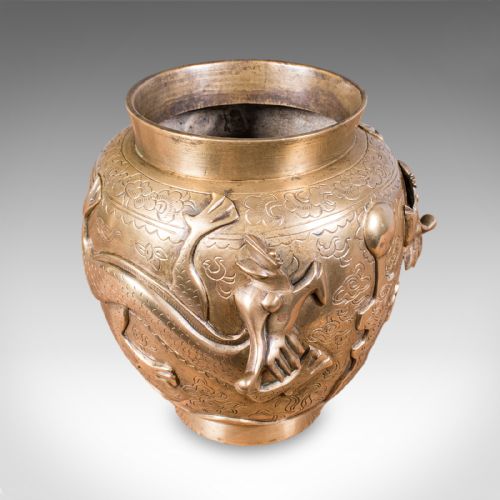
Listings feature nineteenth-century materials including patinated bronze, cast iron, gilt bronze and brass across decorative and utilitarian forms.
What Varies in Quality
Quality rests upon the crispness of the casting and the precision of the hand-chasing applied after the metal cools. Superior examples retain sharp anatomical detail in figures and clean articulation in ornamental cast motifs.
The integrity of the surface finish and the quality of associated materials, such as genuine marble plinths or matched mounting components, distinguish high-grade production.
Frederic Leighton·Ferdinand Pautrot·Pierre Jules Mene·Jules Moigniez·Poix Blin·Parkes And Hadley·Louis Emile Cana·E Villanis·Alfred Dubucand
The Victorian Bronze Cast Glossary
- Animalier
- A nineteenth-century artistic movement focusing on realistic depictions of animals, particularly dogs, horses and birds. Sculptors in this tradition worked extensively in cast bronze.
- Patinated bronze
- Metal treated with chemical solutions to produce a controlled surface coloration, ranging from deep brown to green. This treatment protects the metal and defines sculptural contours.
- Gilt bronze
- Bronze coated with a thin layer of gold or gold amalgam for a bright metallic lustre. The technique appears frequently on nineteenth-century decorative hardware and caskets.
- Epergne
- A large table centrepiece featuring multiple branching holders for fruit, flowers or sweetmeats. Examples frequently incorporate cast metal frames supporting glass vessels.
Victorian Bronze Cast: Frequently Asked Questions
What is animalier bronze?
Animalier bronze refers to nineteenth-century sculptures depicting animals in naturalistic poses. These works were produced in large numbers by specialised European foundries.
The style captures domestic and wild species with anatomical precision, often mounted on solid bronze or marble bases.
How do I identify a Victorian bronze?
Identification relies on examining the casting quality, patination methods and stylistic markers associated with the nineteenth century. Look for hand-finished chasing work and period-specific motifs.
Many pieces bear foundry marks, signatures or dates cast directly into the metal base or sculpture body.
Where were these pieces used?
These items served functional and decorative roles within Victorian domestic interiors, ranging from studies placed on libraries and desks to hardware fitted onto doors and fireplaces.
Utility objects like doorstops, ewers and candlesticks combined practical strength with ornate cast decoration suited to period rooms.
Are cast iron and bronze similar?
Cast iron and bronze are both metals shaped through moulding processes, but they possess distinct weights, colours and material properties. Bronze allows for finer sculptural detail and accepts rich patination.
Cast iron served primarily for heavier structural or utilitarian items such as doorstops, fender bases and pub tables.