
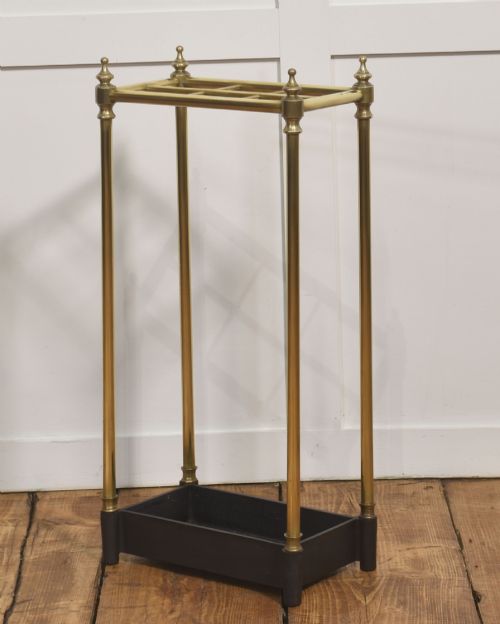
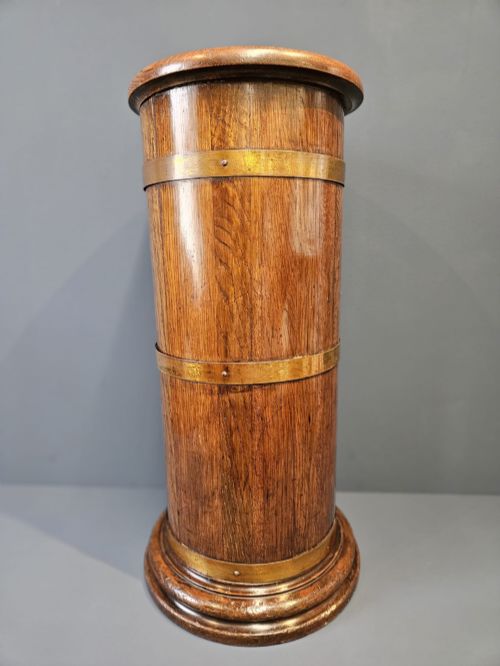
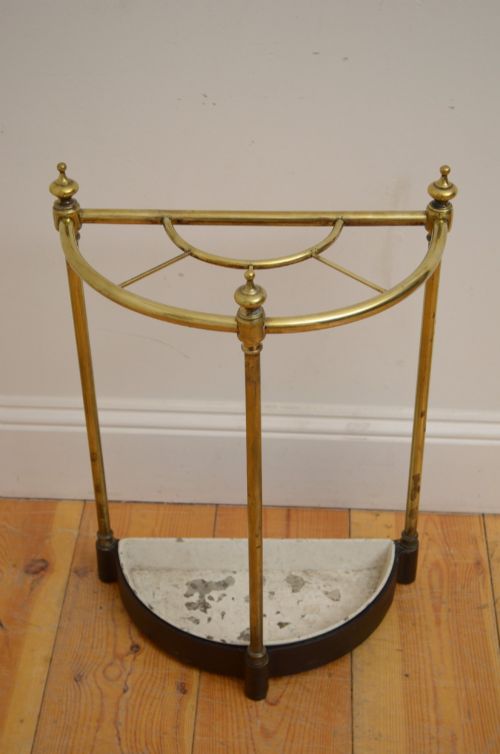
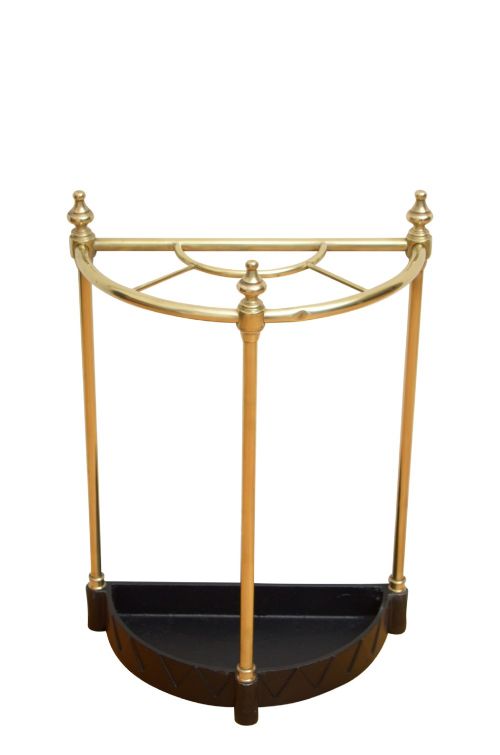
Victorian Brass Umbrella Holder
These Victorian brass umbrella holder pieces combine metalwork and practicality, offering a smart hallway addition for holding walking canes and wet sticks.
Victorian Brass Umbrella Holder
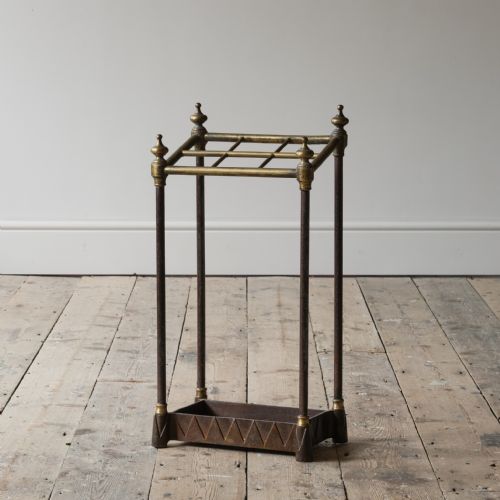
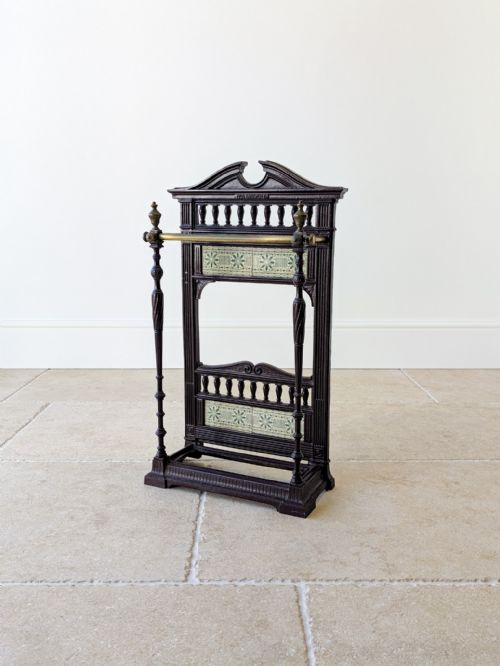
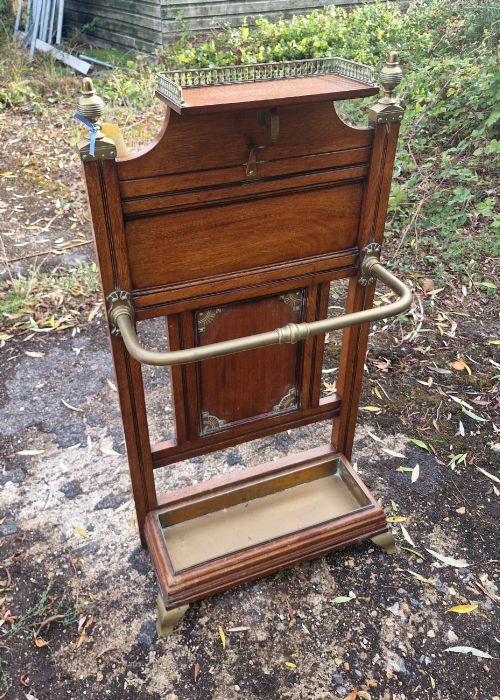
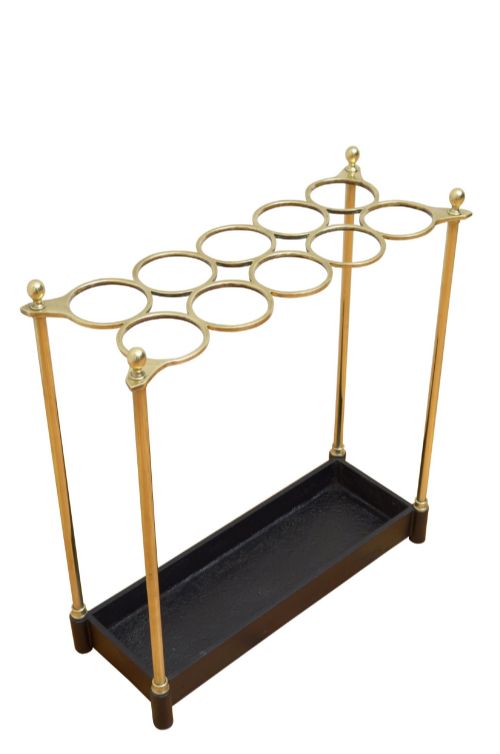
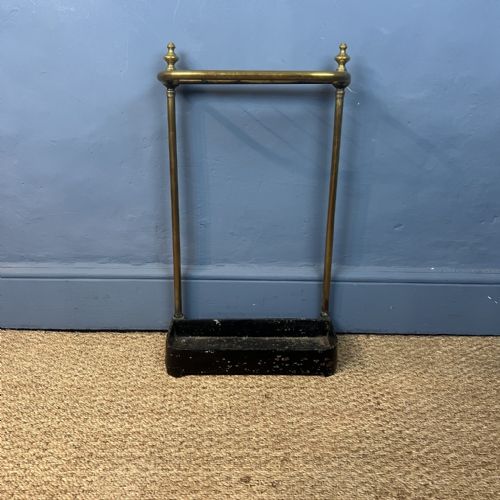
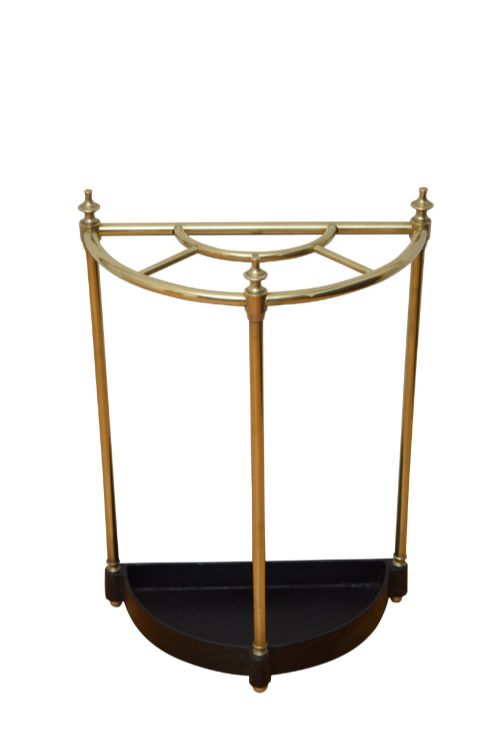
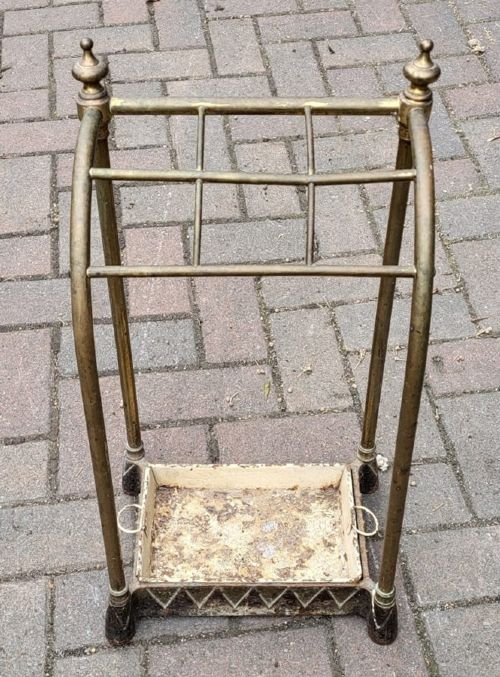
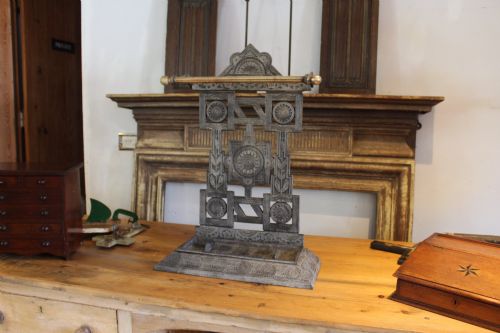
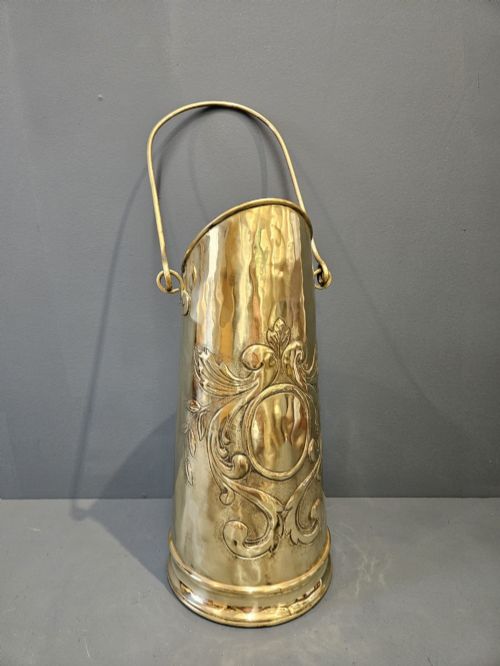
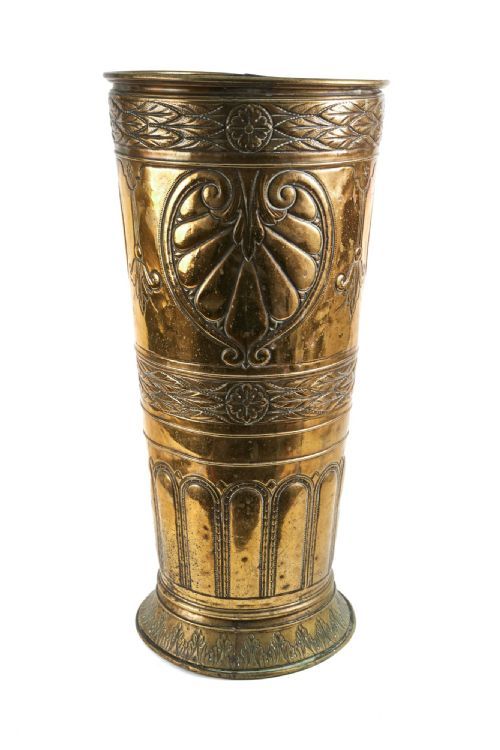
When searching for a victorian brass umbrella holder, collectors encounter heavy hallway furnishings designed to keep wet walking sticks and umbrellas contained in domestic entryways. These pieces primarily date from the nineteenth century into the Edwardian period, appearing in distinct configurations such as semi-lune wall-fitting frames and freestanding cylindrical vessels.
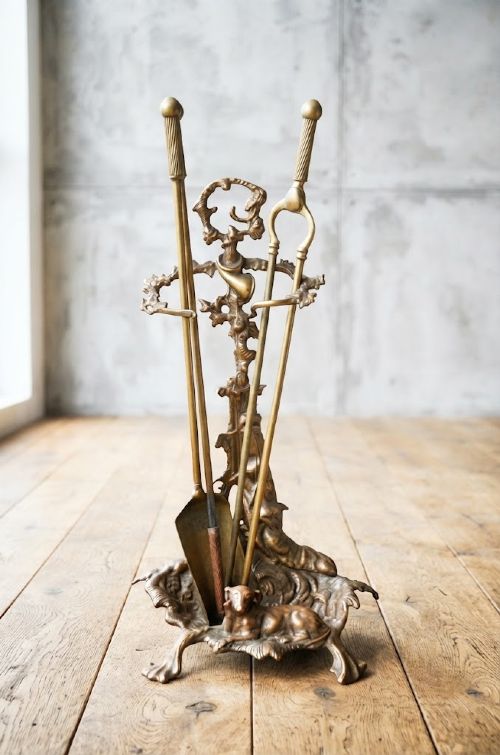
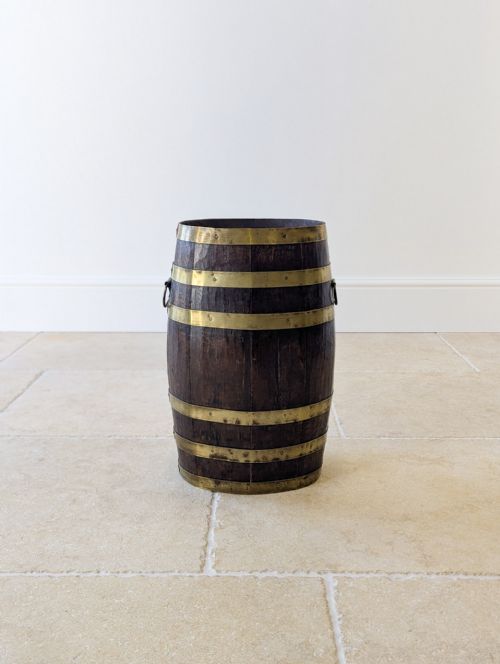
The most common examples on this page pair polished metal frameworks with heavy iron bases or wooden bodies. Many incorporate cast iron elements alongside sheet brass, whilst others utilise coopered oak or mahogany bound with metal bands to create sturdy barrels for daily domestic use.
How they were made
Maker workshops constructed these hall stands by combining heavy cast elements with beaten or spun metal sheets. Cast iron provided the structural weight and stability needed at the base, while brass formed the decorative rails, collars, and finials.
Wooden variations relied on traditional cooperage techniques, binding staves of oak or mahogany with brass hoops. Drip trays were frequently cast in iron or pressed from sheet metal to catch moisture from wet umbrellas.
What varies in quality
Quality in a victorian brass umbrella holder rests on the crispness of the metal casting and the integrity of the underlying construction. Superior examples feature well-defined decorative motifs, secure joints, and heavy bases that prevent tipping when loaded with wet sticks.
Lower tier items often show crude soldered repairs, thin gauge metal that flexes under weight, or mismatched replacement drip trays. The presence of maker attributions or distinct stylistic movements elevates the standing of an individual piece.
Coalbrookdale·Thomas Jeckyll·Shoolbred
The Victorian Brass Umbrella Holder Glossary
- Demi-lune
- Half-moon shape. This design allows the stand to sit flat against a hallway wall, saving valuable floor space in narrow entryways.
- Coopered
- Assembled from wooden staves bound by metal hoops. This traditional woodworking technique mimics barrel-making to contain umbrellas securely.
- Drip tray
- A removable metal base plate placed beneath the stand. It catches rainwater from wet sticks to protect hallway flooring.
- Finial
- A decorative terminal ornament topping the corners or uprights. These brass details often feature ball or turned designs characteristic of the period.
Victorian Brass Umbrella Holder: Frequently Asked Questions
Where should I place an umbrella stand?
These pieces belong in a hallway or entrance lobby where guests arrive with walking sticks and wet umbrellas. Their compact footprints, particularly semi-lune designs, allow them to fit snugly against entrance walls.
Ensure the floor beneath the drip tray can tolerate occasional moisture if the tray lacks a complete base.
How do I clean brass and iron stands?
Maintain the metal surfaces with a dry cloth to remove dust and prevent the accumulation of grime in decorative recesses. Avoid harsh chemical polishes that strip away the aged patina accumulated over decades of domestic use.
Check that the internal drip trays are emptied regularly to prevent rust from forming on underlying iron components.
Are these stands suitable for daily use?
Solid construction and heavy iron or wooden bases make these pieces well-suited for holding modern umbrellas and walking canes. Their robust build handles daily retrieval and placement without tipping.
Place heavier walking sticks toward the centre to maintain balance within open-frame brass rails.
How do I distinguish Victorian from Edwardian stands?
Victorian examples frequently display heavier ornamentation, Gothic Revival influences, or dark coopered oak barrels with prominent brass bands. Edwardian pieces often lean toward lighter Aesthetic Movement or Art Nouveau metalwork.
Examine the construction joints and casting marks for clues regarding the manufacturing decade.