
Victorian Brass Tray
These pieces called a victorian brass tray bring functional utility and bright metallic warmth to a room.
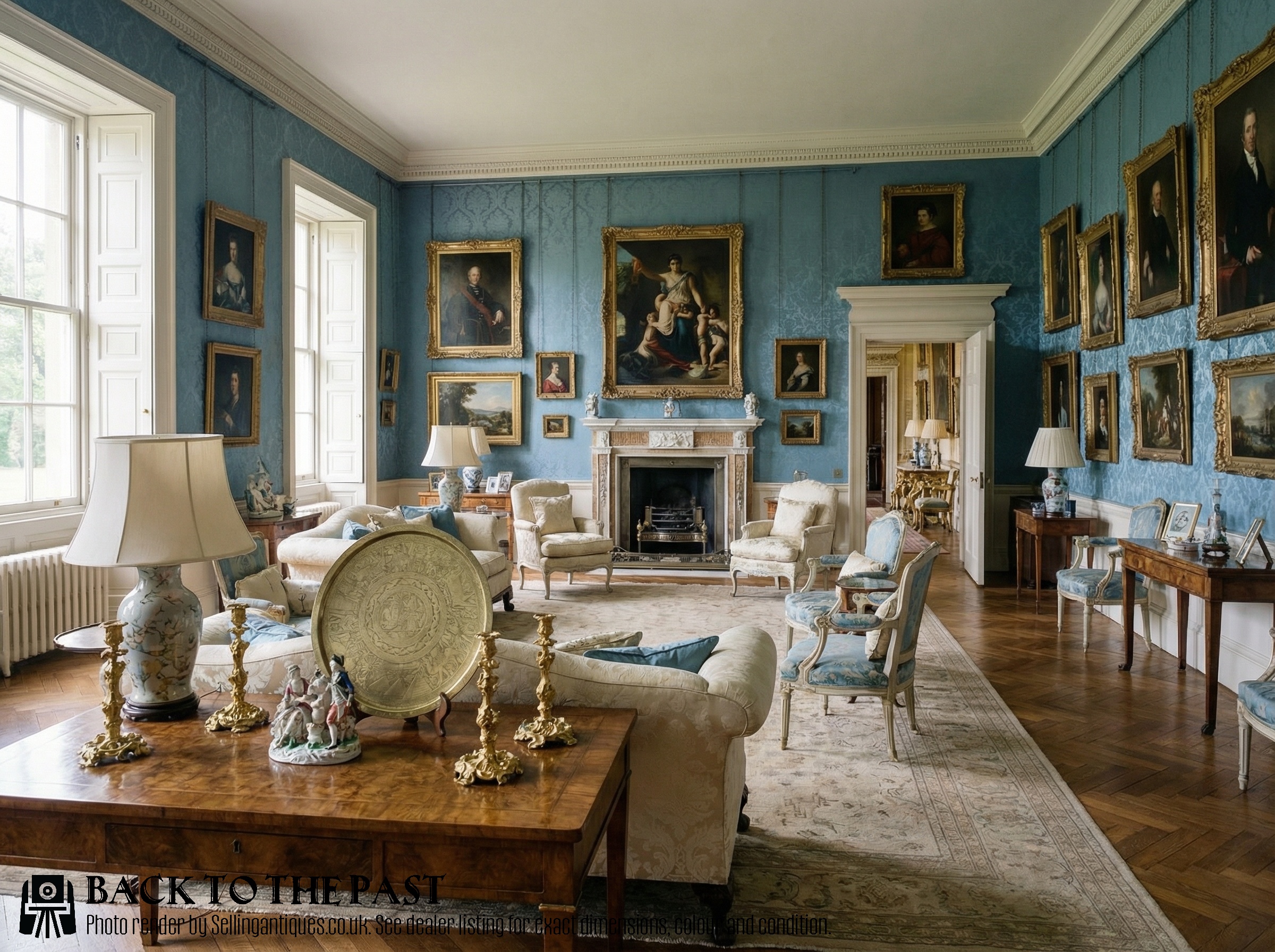
Victorian Brass Tray
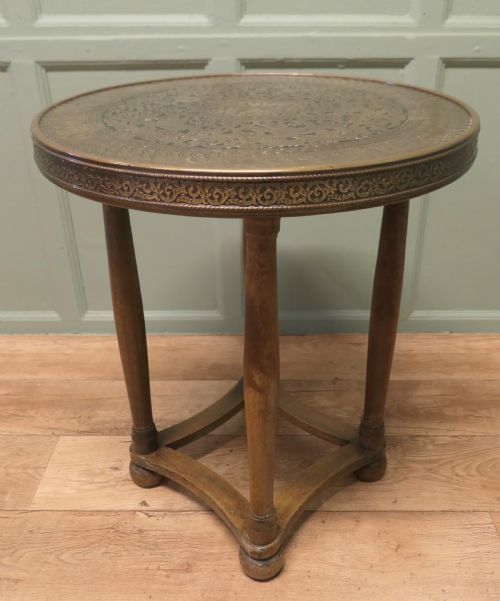
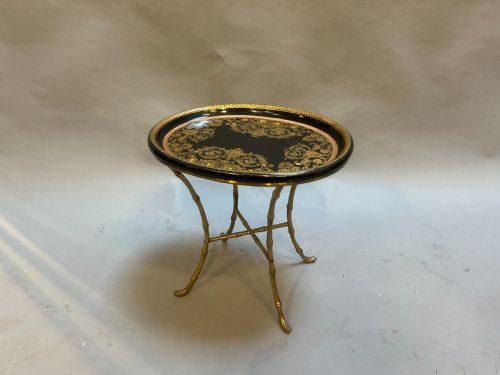
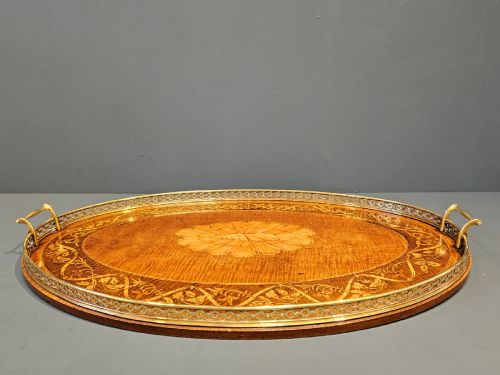
A victorian brass tray encompasses a variety of forms designed for holding, serving, or displaying objects within a domestic interior. The selection here leans heavily toward circular serving platters, engraved chargers, and smaller desk accessories like pen trays.
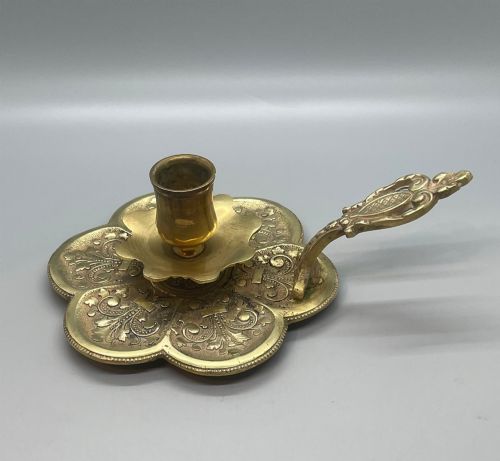
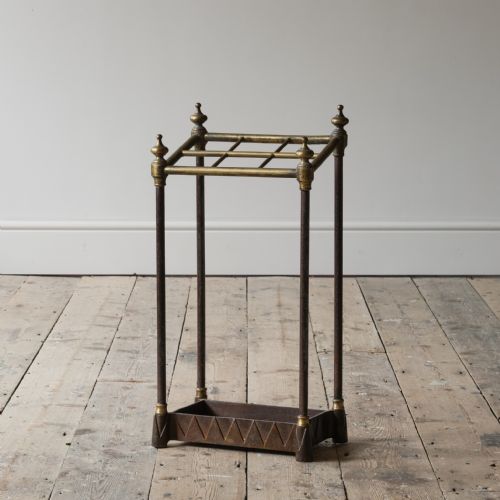
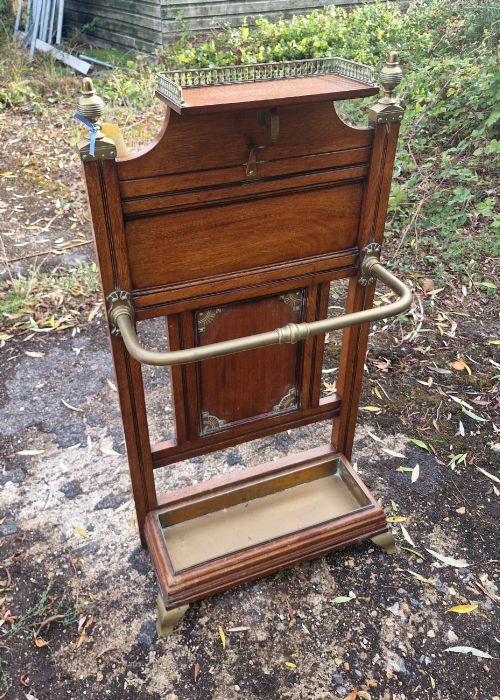
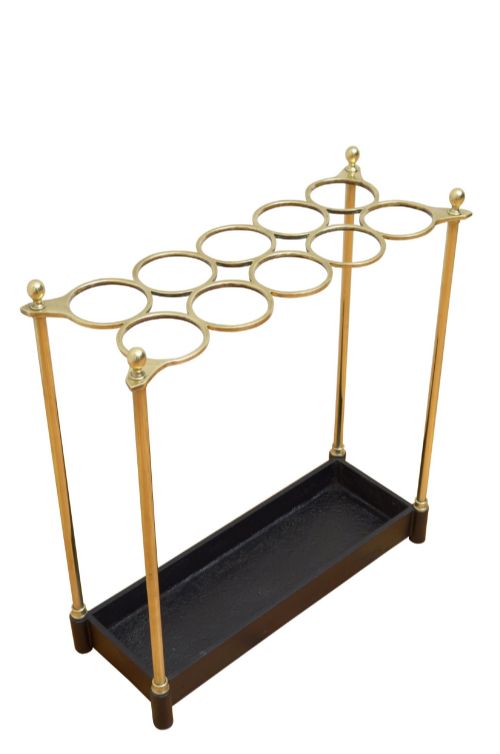
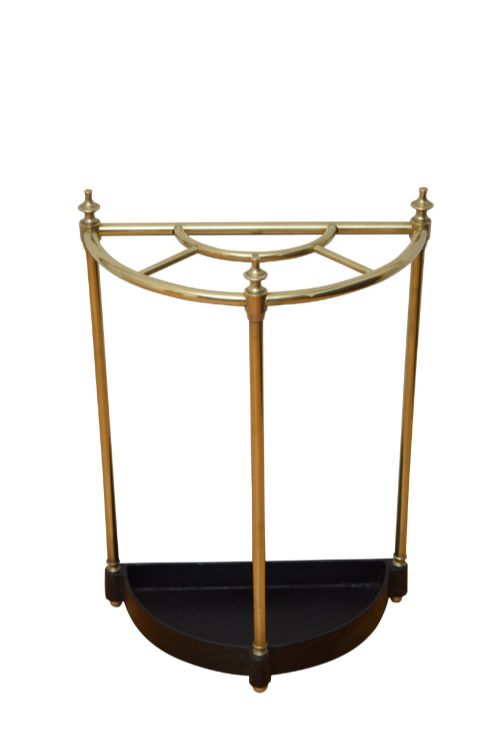
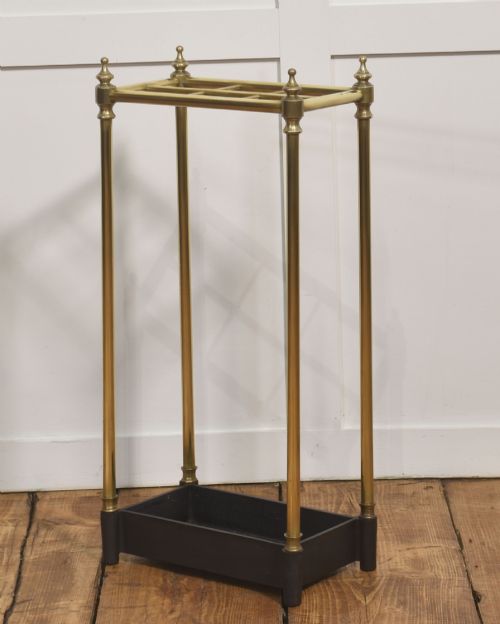
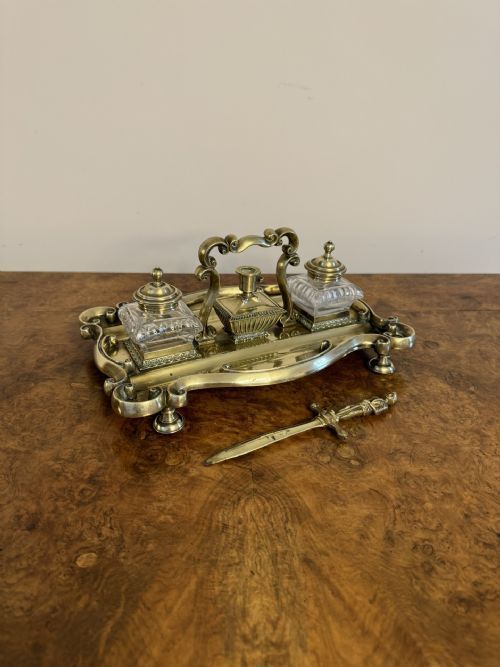
Makers of the period also produced utilitarian items in brass, such as umbrella stands with built-in drip trays and companion inkstands. These domestic accessories reflect the diverse decorative tastes of the nineteenth century, moving from plain utility to intricate surface decoration.
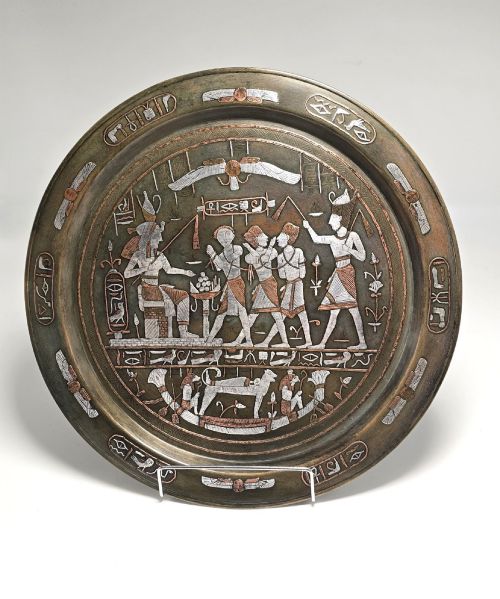
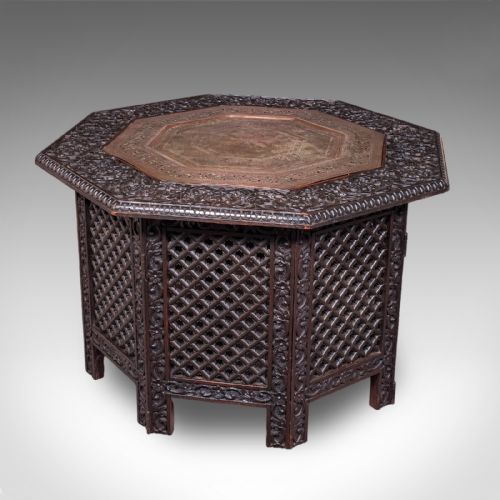
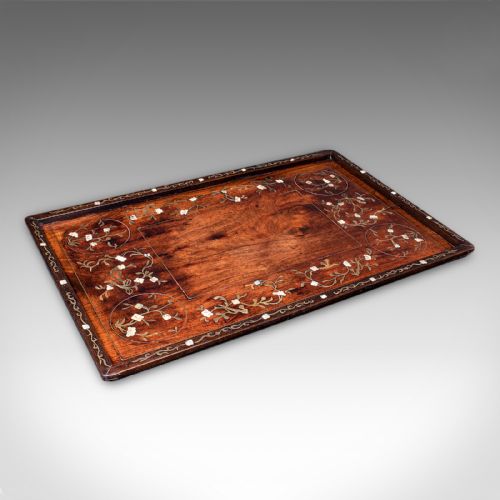
Most examples originate from English workshops, though Anglo-Indian and Cairo Ware pieces demonstrate the period's broader trade connections and fascination with overseas metalwork techniques. Buyers will encounter both heavy cast items and lighter sheet brass vessels across these categories.
Materials and construction
The primary material, brass, was frequently manipulated through casting, spinning, or heavy hammering to create rigid structures capable of daily use. Many serving trays and chargers feature detailed hand engraving or applied mixed metal inlays.
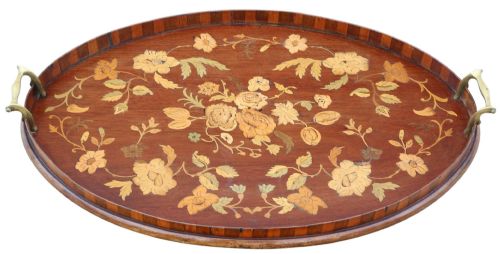
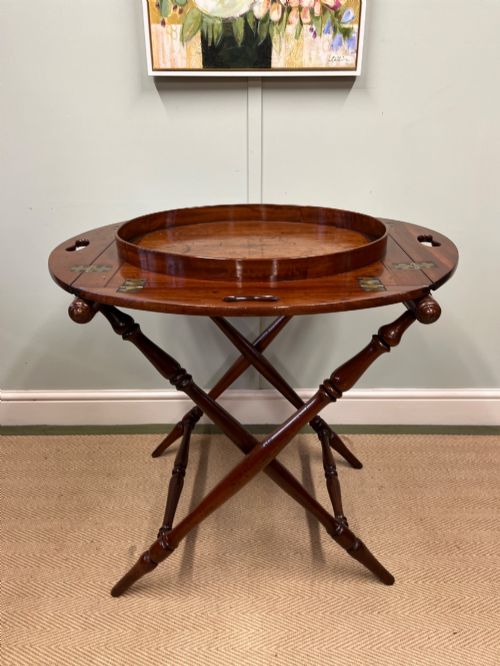
Where structural rigidity was required, makers combined brass with cast iron or sturdy timbers such as mahogany and satinwood. Drip trays and base mounts often utilised cast iron for added weight, while wooden trays relied on marquetry and boulle work for surface embellishment.
Listings include both domestic English brassware and imported Anglo-Indian items utilising silvered brass.
Judging the standard
Quality in these items rests upon the crispness of the chasing and the depth of the metal engraving. Superior examples display sharply defined motifs without the softening that indicates worn tooling.
The choice of secondary materials also signals better production standards. Trays combining solid hardwoods with precise brass mounts and fitted handles represent a higher grade of craftsmanship than plain pressed sheet alternatives.
Edwards and Roberts
The Victorian Brass Tray Glossary
- Charger
- A large ornamental platter designed for display rather than passing round food at the table.
- Cairoware
- Nineteenth-century metalware produced in Egypt, featuring intricate silver and copper inlay on a brass ground.
- Boulle work
- An elaborate form of marquetry utilising brass and tortoiseshell inlaid into wood surfaces.
- Demi-lune
- A half-moon shape commonly found in umbrella stands designed to sit flat against a hallway wall.
- Pen tray
- A small desk accessory shaped specifically to hold writing instruments and nibs.
Victorian Brass Tray: Frequently Asked Questions
How were brass trays cleaned originally?
Victorian households relied on mild abrasive pastes and chalk mixtures to maintain the bright finish of their metalware.
Frequent polishing over generations has softened the high points of hand-engraved designs on many surviving pieces.
Can I use an antique tray for serving food?
Most decorative chargers and older brass platters were intended for display or dry goods rather than wet service.
Using them for modern dining requires careful consideration of the historic metal surface and any applied finishes.
Where were these stands placed in a Victorian home?
Umbrella and stick stands sat directly in the entrance hall to catch rainwater from walking accessories.
Smaller desk trays found their home in the library or study alongside matching inkstands.
How do I distinguish Cairo Ware from domestic brass?
Cairo Ware pieces exhibit distinct Islamic-inspired geometric patterns executed with mixed metal silver and copper inlays.
English domestic brass typically relied on floral engraving, cast ball finials, or plain polished surfaces.