

Victorian Brass Single Bedsteads
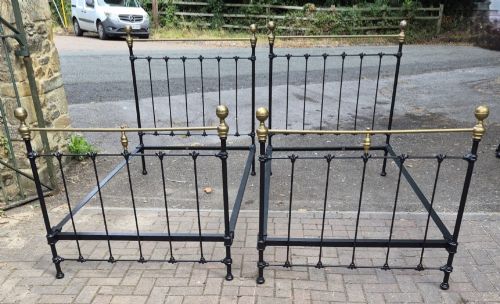
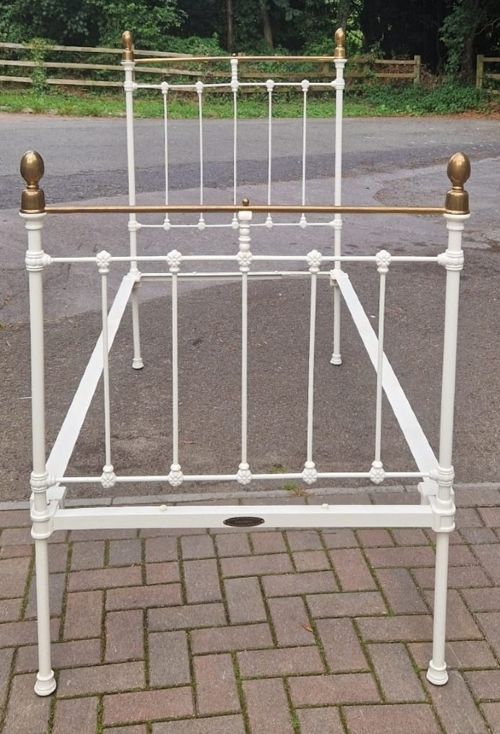
Victorian brass single bedsteads bring substantial metal framing and warm metal polish into smaller bedrooms with period character.
Victorian Brass Single Bedsteads
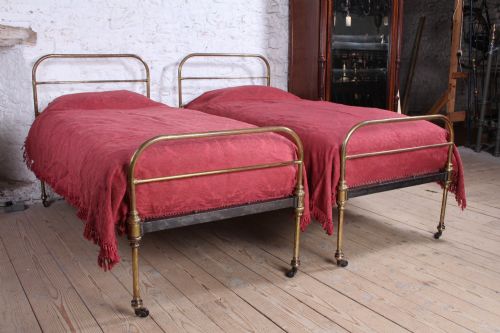
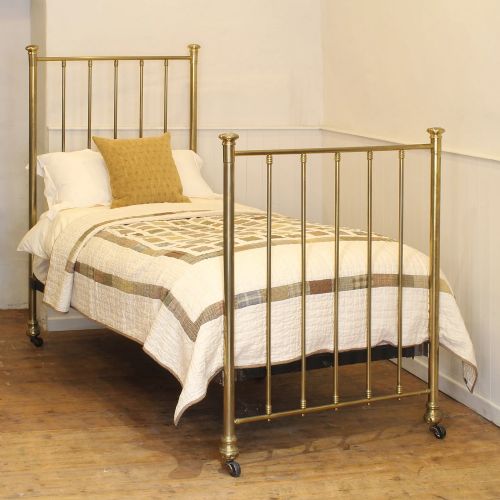
Victorian brass single bedsteads combine sturdy metal frames with the warm finish of polished brass, offering a distinct sleeping platform for single rooms. These items appear primarily from the nineteenth century into the Edwardian era, spanning periods like the 1870s and 1890s.
Makers such as Hoskins & Sewell, Heals, R W Winfield, and Shoolbred produced these single beds alongside French Belle Epoque variants and simpler iron combinations. Buyers frequently encounter frames featuring cast iron components, ceramic elements, and painted surfaces alongside the primary brass work.
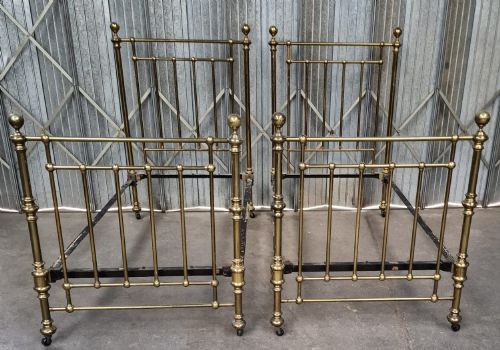
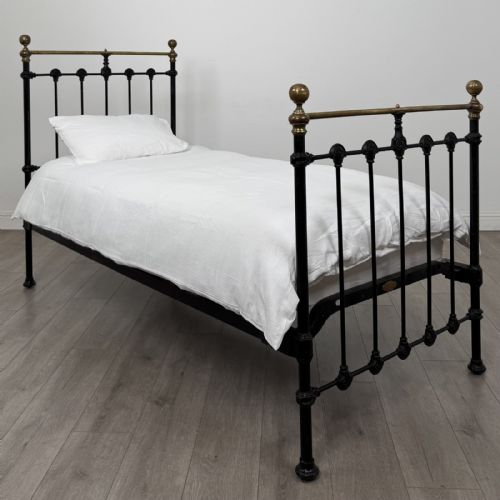
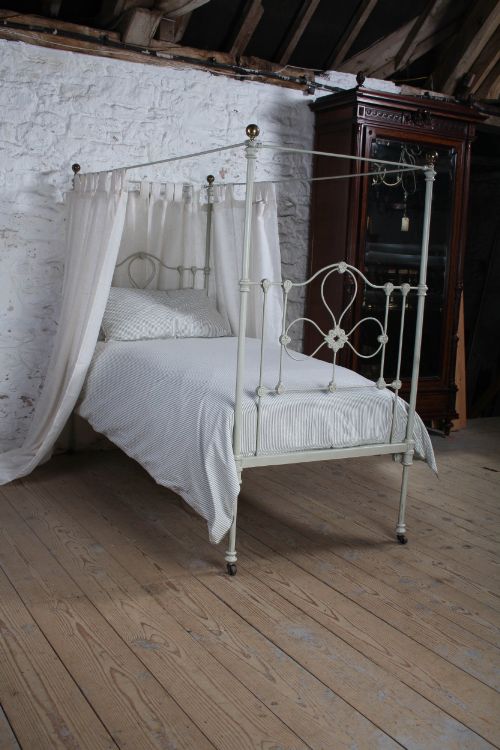
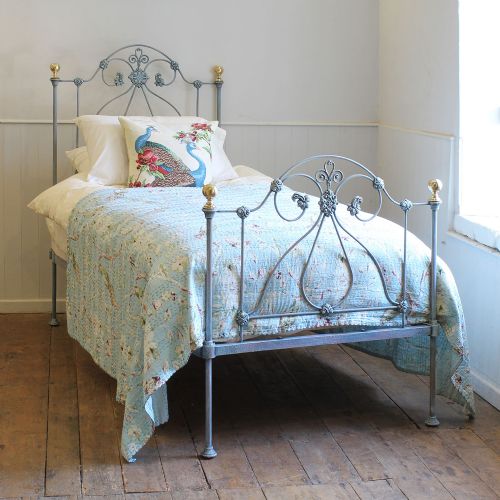
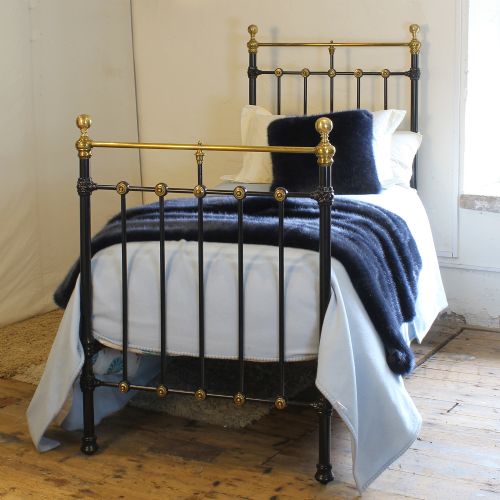
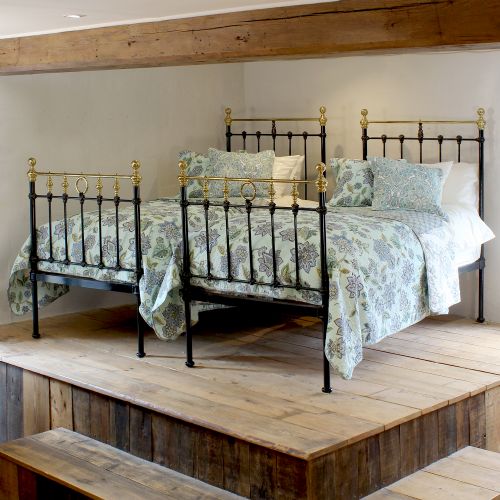
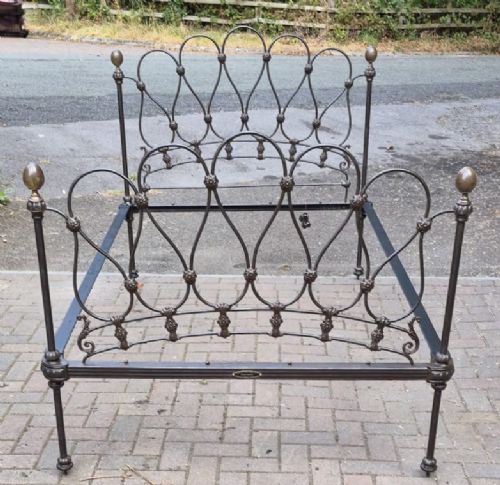
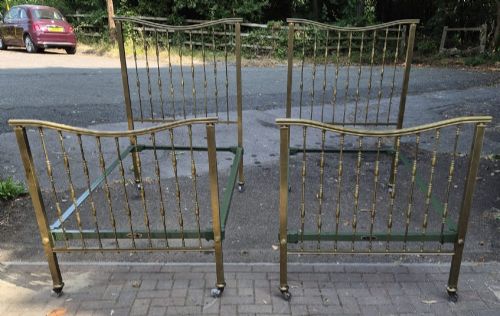
The assortment includes large single sizes, small single platforms, and pairs designed to join together or match across guest chambers. Forms range from all-brass constructions to black or white painted cast iron frames finished with brass decoration.
Materials and construction
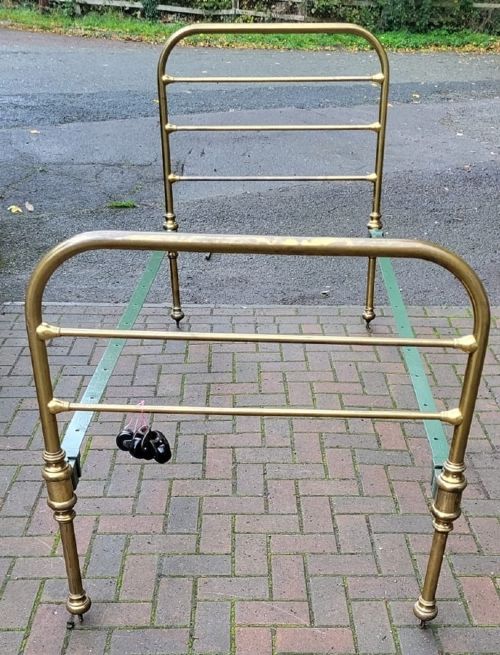
These bedsteads rely heavily on combinations of brass and cast iron, utilising hand-forged techniques alongside cast components. Metal tubing and shaped bars form the structural skeleton, often joined by decorative rings, hoop details, and ceramic fittings.
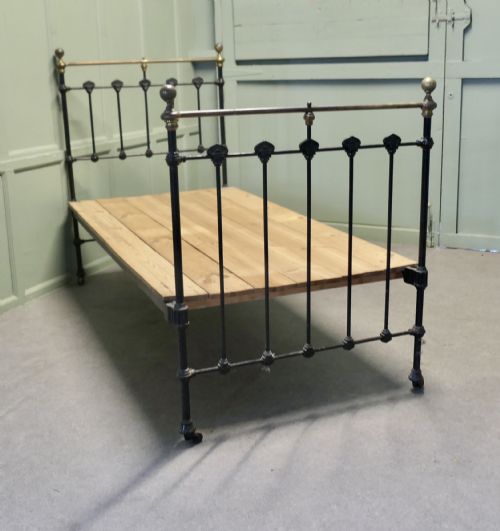
Surfaces receive different treatments depending on the model, from polished or verdigris brass to painted black or white cast iron finishes. Slatted bases and platform styles provide the underlying support for mattresses within these antique frames.
Victorian Brass Single Bedsteads Retail Price Guide 2026
Typical asking prices for victorian brass single bedsteads among the pieces listed under this phrase on Sellingantiques today, from the lower quarter to the upper quarter. They describe what is for sale here now, not the wider market.
Listings feature single bedsteads spanning from the 1850s Victorian era through to Edwardian production, incorporating wood, ceramic, and painted cast iron.
Defining quality in metal frames
Quality reveals itself in the weight and solidity of the cast iron and brass components, as well as the crispness of decorative turnings and hoop details. Maker attribution to workshops like Hoskins & Sewell or R W Winfield often distinguishes standard production from finer examples.
The integrity of joints, the preservation of original painted or verdigris surfaces, and the matching nature of pairs influence the standing of a bedstead. Robust construction ensures these single frames remain practical for daily use while retaining their period aesthetic.
Hoskins & Sewell·Heals·R W Winfield·Shoolbred
The Victorian Brass Single Bedsteads Glossary
- Bedstead
- The framework of a bed consisting of headboard, footboard, and side rails. This structure supports the mattress and base.
- Cast Iron
- An iron-carbon alloy poured into moulds to create rigid structural and decorative components. It provides heavy stability for nineteenth-century bed frames.
- Verdigris
- A green patina formed naturally on brass or copper through atmospheric exposure. This chemical layer indicates age and weathering on metal surfaces.
- Slatted Base
- A framework of horizontal wooden slats set across the bed rails to support a mattress. This construction method allows airflow beneath the bedding.
Victorian Brass Single Bedsteads: Frequently Asked Questions
What mattress size fits these single bedsteads?
Many nineteenth-century single frames measure around three feet in width, though dimensions vary slightly across specific periods and makers. Custom or modern standard single mattresses often require checking the internal rail measurements.
Ensuring the correct fit protects the side rails and maintains stability during use. Slatted bases provide a reliable foundation for modern mattress depths within these antique frames.
Can antique iron and brass beds be joined together?
Certain pairs of single beds come designed to join together into a larger sleeping configuration. Matching sets from makers like Hoskins & Sewell occasionally share compatible dimensions and matching decorative schemes.
Examining the side rails and mounting hooks reveals whether two individual frames align properly. This flexibility suits guest rooms requiring adjustable bed arrangements.
How do I care for brass and iron bed frames?
Maintaining metal frames involves dusting regularly and occasionally cleaning brass components with appropriate non-abrasive metal cleaners. Painted cast iron surfaces require simple wiping with a dry or slightly damp cloth to preserve the finish.
Avoiding harsh chemical solvents protects original verdigris patinas and painted details. Regular checks on joint bolts keep the bedstead steady and secure.
How do I distinguish Victorian from Edwardian beds?
Victorian frames often display heavier cast iron elements, elaborate brass ornamentation, and deeper verdigris or dark finishes. Edwardian examples frequently shift towards simpler lines, lighter proportions, and brighter all-brass constructions.
Maker stamps and stylistic cues like hoop details or ceramic fittings help pinpoint the manufacturing era. Comparing construction techniques clarifies the transition between nineteenth and twentieth-century workshops.