



Vintage Brass Twin Frames
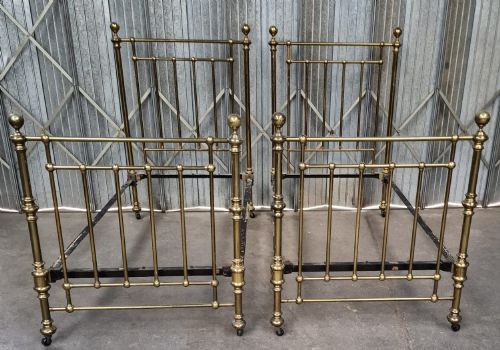
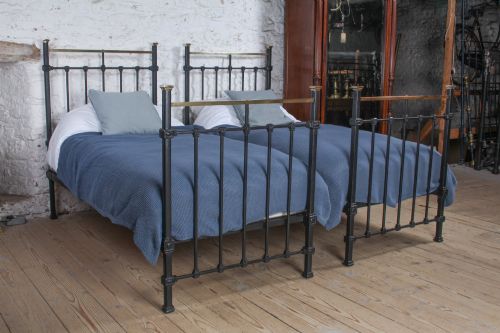
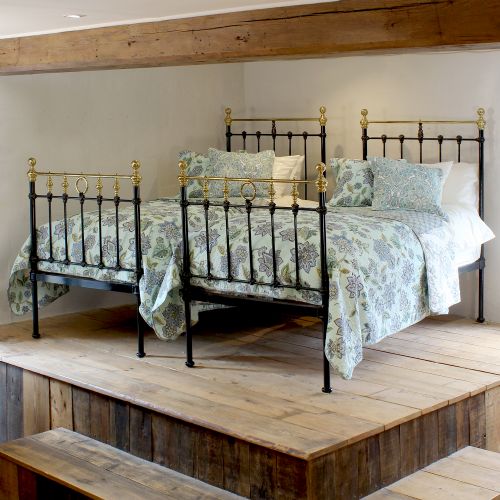
These vintage brass twin frames and matching bed frames bring robust Victorian and Edwardian craftsmanship directly into the modern bedroom.
Vintage Brass Twin Frames
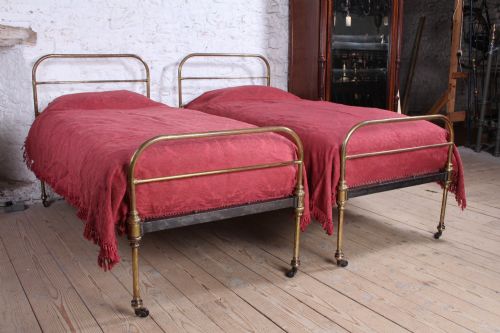
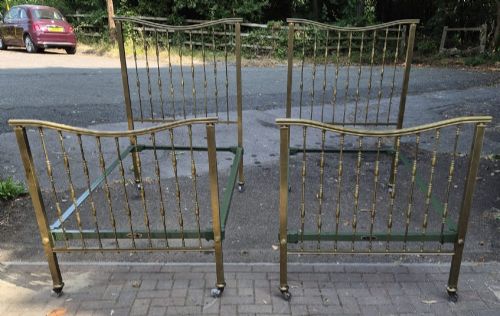
When searching for vintage brass twin frames, buyers encounter sturdy Victorian and Edwardian bedsteads designed to be used individually or joined as pairs. The inventory shows large single sizes, often constructed from heavy brass tubing alongside iron and timber elements.
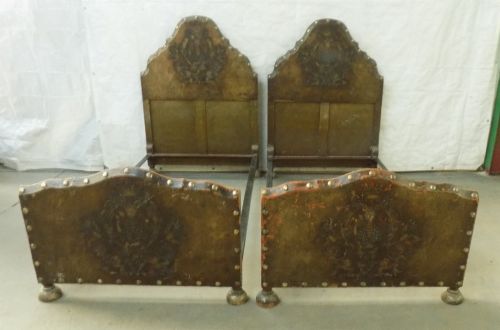
Most pieces date from the late nineteenth and early twentieth centuries, featuring makers such as Hoskins & Sewell and R W Winfield. Alongside metallic finishes, stylistic variants include Dutch Revival painted leather and Portuguese traditional forms.
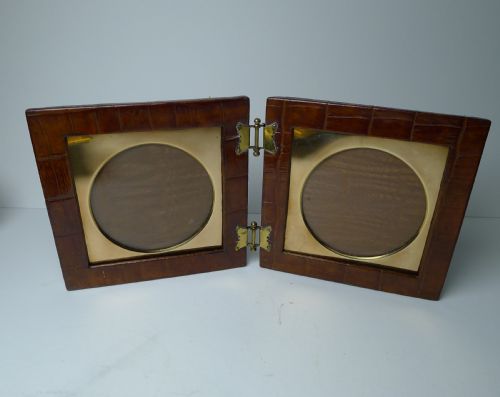
While the literal search term often implies desktop picture frames, this collection comprises full-scale antique beds and bedsteads alongside a solitary folding photograph frame. Buyers primarily select these substantial frames to anchor a period bedroom scheme.
Materials and construction methods
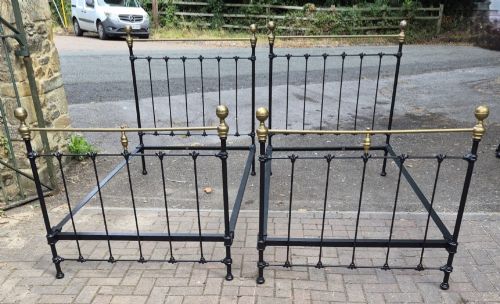
Makers utilised heavy brass and cast iron to build these durable frames, frequently combining black cast iron components with bright brass decorative mountings, rings, and tubing. Structural soundness relied on robust metal casting and secure corner joints.
Secondary materials such as timber, leather, and ceramic appear across specific regional styles, including hand-painted leather surfaces and walnut accents. These varied media demonstrate how late nineteenth-century workshops blended utilitarian metalwork with decorative upholstery.
Vintage Brass Twin Frames Retail Price Guide 2026
Typical asking prices for vintage brass twin frames among the pieces listed under this phrase on Sellingantiques today, from the lower quarter to the upper quarter. They describe what is for sale here now, not the wider market.
Among a sea of heavy Victorian metal beds, a single crocodile double folding travel picture frame quietly hides in the inventory.
Distinguishing quality in period frames
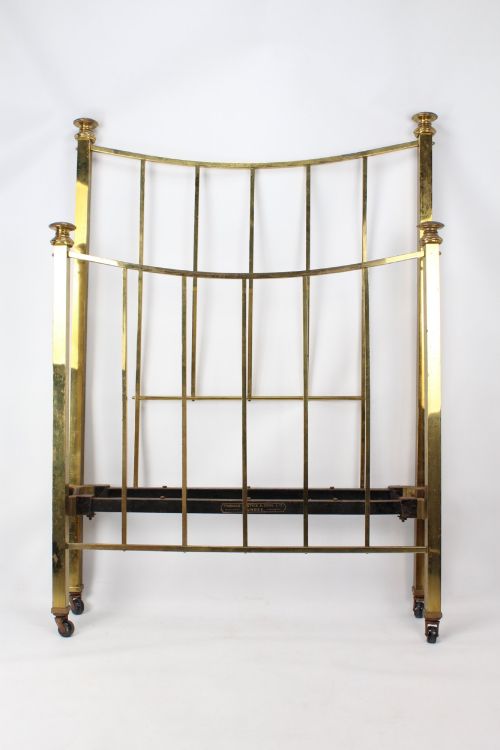
Superior examples showcase prominent maker attribution, such as signed stamps by established metalfounders like Hoskins & Sewell or R W Winfield, which elevates the historical interest of the metalwork. Weight, substantial tube gauges, and intact original brass decoration differentiate finer production standards from simpler utility models.
The integrity of secondary materials, from well-preserved hand-painted leather panels to sound walnut and iron framing, separates expertly preserved pieces from those requiring extensive structural intervention. Quality rests on the original factory execution rather than subsequent restoration.
Hoskins & Sewell·R W Winfield
The Vintage Brass Twin Frames Glossary
- Bedstead
- The complete framework of a bed, including headboard, footboard, and side rails, as distinguished from the mattress and bedding. In antique pieces, these are constructed from heavy metals or timber.
- Cast iron
- An iron-carbon alloy poured into a mould to create complex decorative shapes and structural components. It provides heavy rigidity in nineteenth-century bed frames.
- Dutch Revival
- An architectural and decorative style drawing inspiration from seventeenth-century Dutch design. Pieces in this manner often incorporate painted leather or traditional motifs.
- Square tube
- A hollow metal profile formed with right-angled corners used in late Victorian and Edwardian manufacturing. This shape offered enhanced structural stability compared to round tubing.
Vintage Brass Twin Frames: Frequently Asked Questions
Can these single beds be joined together?
Many of the listed frames are specifically designed to be joined as a pair to form a wider sleeping arrangement. The original metal fixings allow two single bedsteads to sit flush against one another.
Buyers should verify the specific joining mechanism noted in the listing details to ensure compatibility for their bedroom layout.
What periods do these pieces represent?
The inventory spans the late Victorian and Edwardian eras, with dates clustering between the 1870s and 1910. This period represents the height of industrial metal bed production in Britain.
Stylistic shifts during these decades moved from heavy ornamental brass castings towards cleaner square-tubed iron and brass combinations.
How do I care for antique brass frames?
Maintaining antique metal requires gentle dusting and occasional cleaning with appropriate non-abrasive metal cleaners. Avoid harsh chemical polishes that can strip the natural aged patina developed over a century.
Preserving the surface finish maintains both the historical character and the visual warmth of the original brass and iron components.
Are these frames suitable for daily use?
These robust nineteenth-century iron and brass structures were built for heavy domestic service and remain exceptionally sturdy. Their durable metal construction handles modern mattress weights reliably.
Checking that all original joints and side rails are secure ensures safe daily use in a contemporary home.