

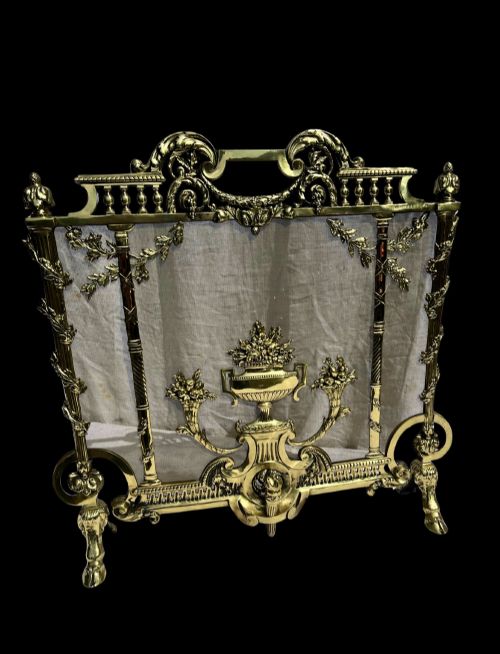
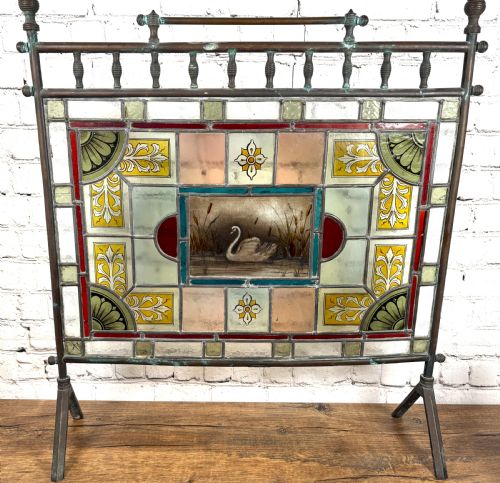

Victorian Brass Screen
When you search for a victorian brass screen, you uncover protective hearth furniture designed to shield rooms from open flames while adding decorative presence.
Victorian Brass Screen
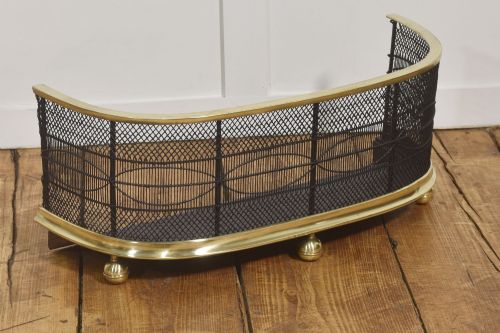
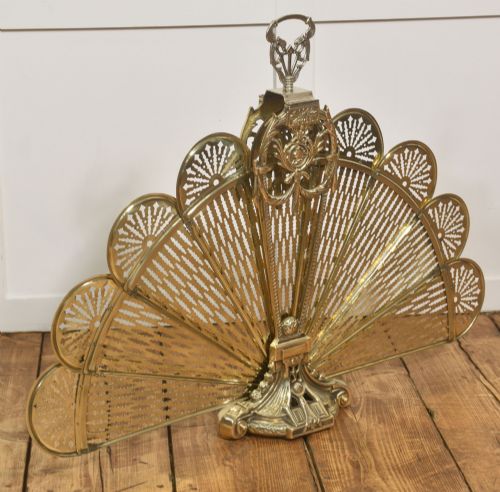
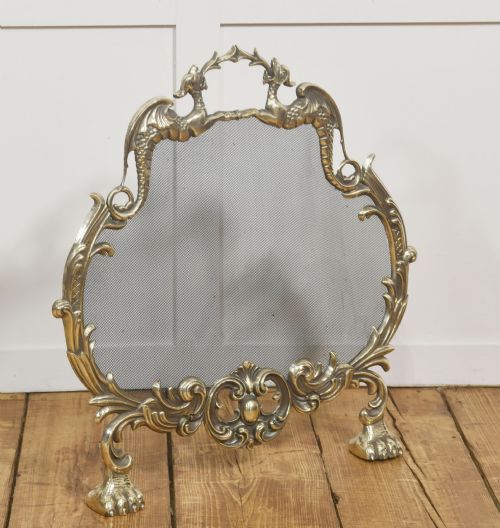
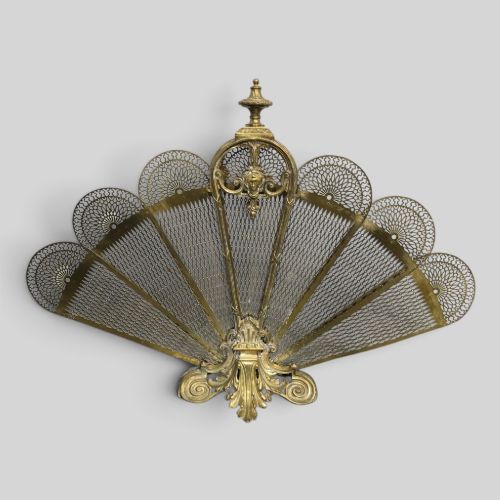
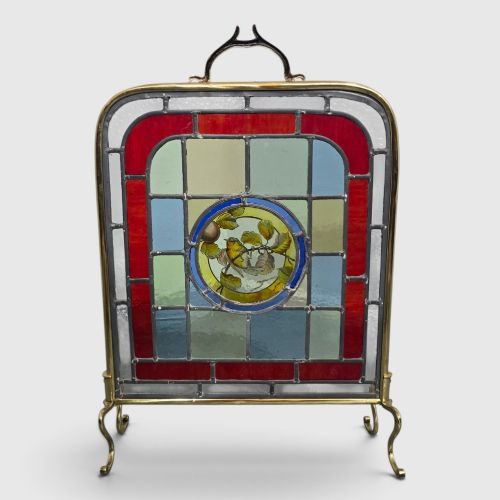
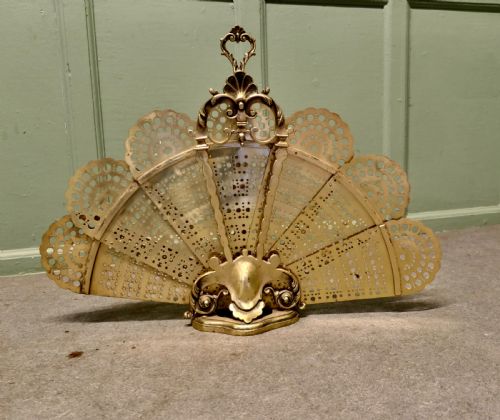
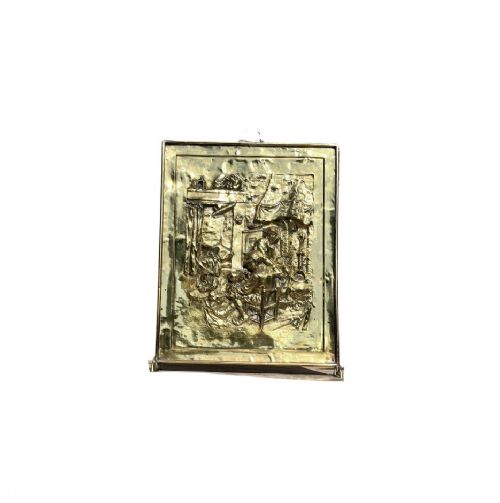
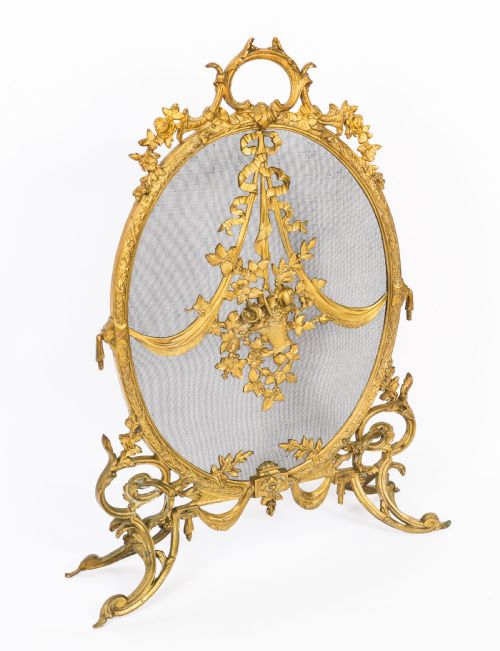
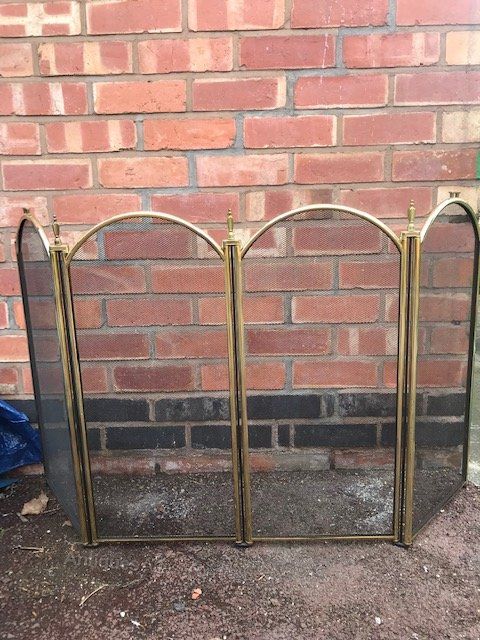
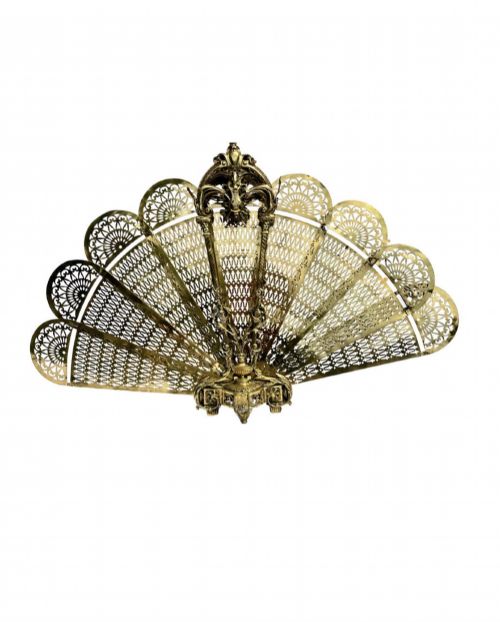
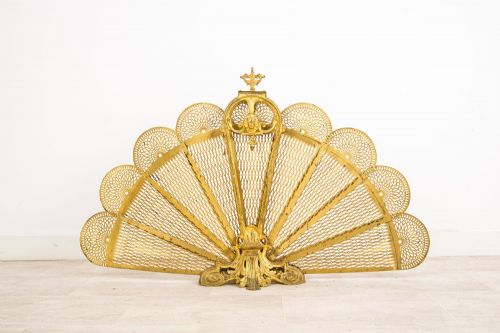
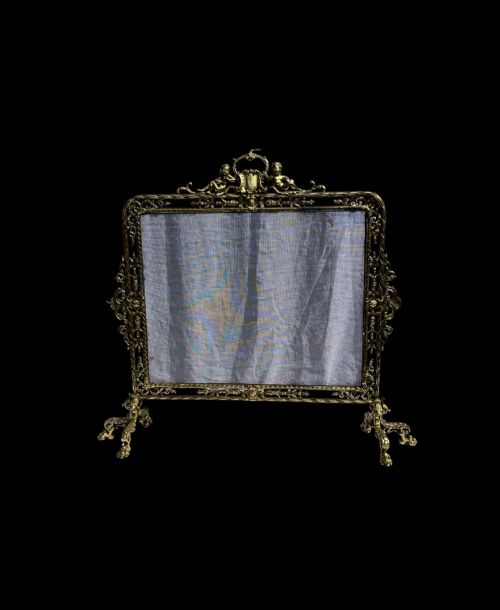
A victorian brass screen serves primarily as a domestic fire guard, fireplace accessory, or spark shield designed for nineteenth-century hearths. These pieces appear in forms such as folding peacock fan fire screens, rigid framed panels, and curved nursery fenders.
Makers produced these guards in various revival styles, including French Rococo, Arts and Crafts, and French Empire. You will frequently encounter folding mesh guards and ornamental solid brass panels across these listings.
Materials and Techniques
Craftsmen utilised cast and sheet brass, often combining wire mesh, iron, and gilt finishes to build durable frames. Many examples incorporate subsidiary materials like lead, stained glass, bevelled mirror glass, and painted leather panels.
Techniques relied upon piercing, embossing, chasing, and riveting to assemble intricate decorative motifs and folding mechanisms.
Listings feature items dated from the seventeenth century through to the early twentieth century, with a strong concentration of Victorian and Arts and Crafts examples.
Assessing Quality
Quality depends upon the weight of the metal and the precision of the piercing, chasing, or assembly. Finer specimens display rigid hinges on folding sections and securely mounted glass, mirror, or stained glass inserts rather than loose joints.
M Pillischer·Christopher Dresser·AFC
The Victorian Brass Screen Glossary
- Fire guard
- A protective barrier placed in front of an open fireplace to contain sparks and embers. These were essential for household safety in nineteenth-century interiors.
- Peacock fan screen
- A folding fire screen composed of expanding radiating brass blades that resemble a tail. When closed, the fan collapses into a compact vertical unit.
- Nursery fender
- A low enclosing metal guard designed to keep young children at a safe distance from the fire. They often feature integrated wire mesh or cloth rails.
- Chasing
- The technique of hammering metal from the front to create depressed surface designs and relief patterns. This decorative method defines ornate brass panels.
- Pole screen
- An adjustable vertical screen mounted on a stand to shield a person's face from the direct heat of a fire. They frequently incorporate embroidered panels.
Victorian Brass Screen: Frequently Asked Questions
What is a victorian brass screen used for?
These screens served primarily to deflect radiant heat from an open coal fire and catch stray sparks. They also acted as decorative room dividers during warmer months when hearths remained unlit.
Homeowners continue to utilise them for interior styling, placing them against unused fireplaces to create an architectural focal point in a living room.
What is the difference between a fire screen and a nursery fender?
A fire screen is typically a tall, flat, or folding panel designed to stand directly in front of the fireplace opening to block heat and sparks. In contrast, a nursery fender forms a low enclosing perimeter around the hearth.
Nursery fenders often incorporate fine wire mesh guards or cloth rails to prevent children from approaching too close to the fire.
How do I care for antique brass hearth accessories?
Maintain brass surfaces by dusting gently with a dry or slightly damp cloth to prevent the accumulation of soot and grime. Avoid harsh chemical cleaners that strip historical patination and age.
If the metal requires polishing, apply a mild proprietary brass cleaner sparingly, taking care to avoid adjacent materials such as stained glass, mirrors, or painted leather panels.