

Victorian Brass Paraffin Burner
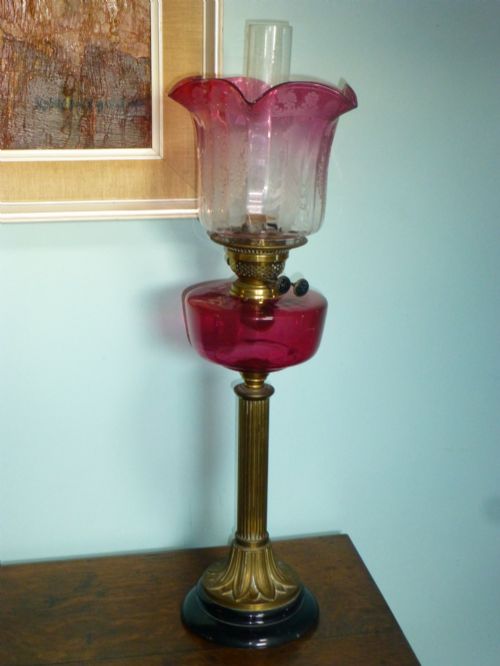
A victorian brass paraffin burner brings warm period illumination and heavy metal craftsmanship into a room.
Victorian Brass Paraffin Burner
A victorian brass paraffin burner takes the form of an oil lamp or table lamp designed to burn liquid fuel for light. Buyers search this phrase to find domestic lighting pieces that double as decorative interior objects.
The versions met most often on this page date from the nineteenth century into the Edwardian era. They combine metal reservoirs and columns with glass fonts and shades.
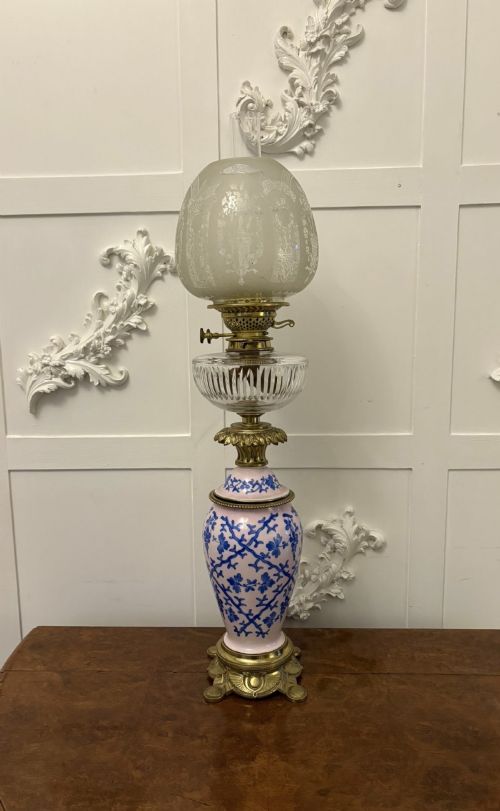
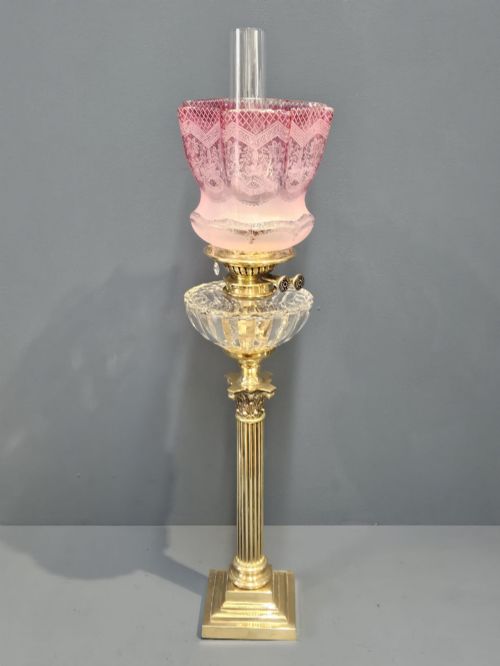
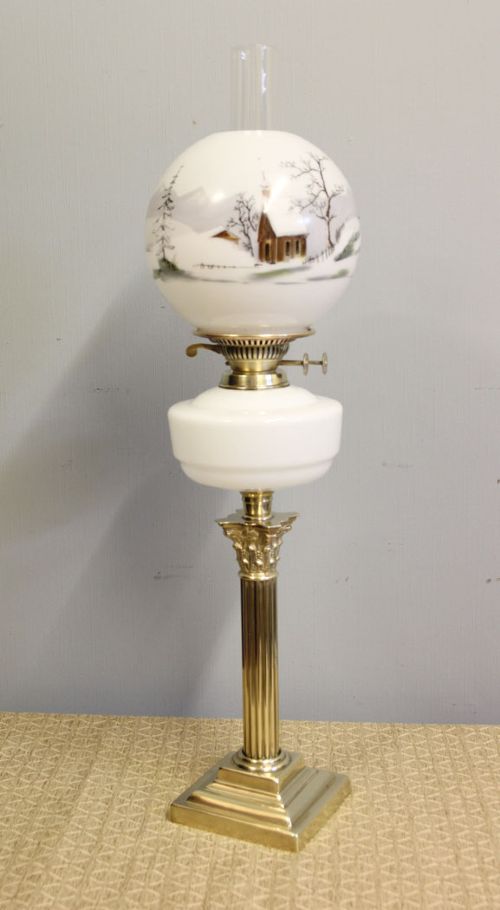
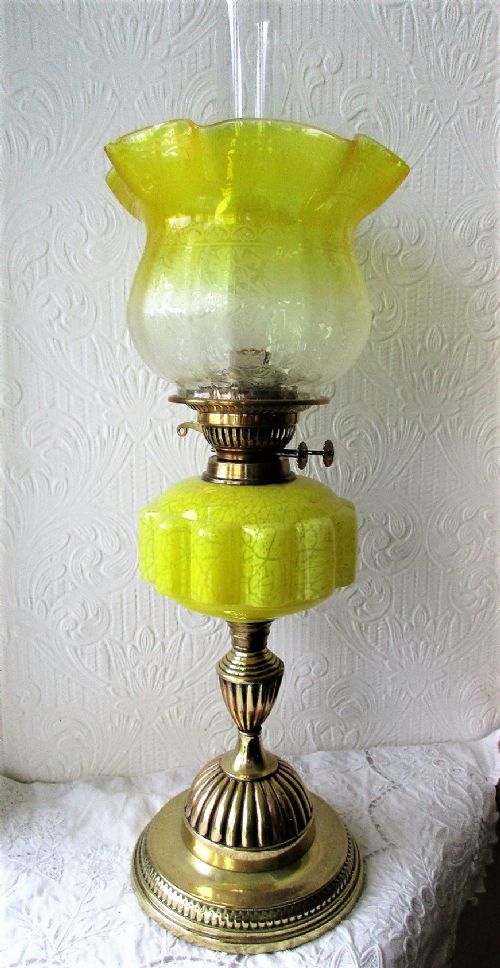
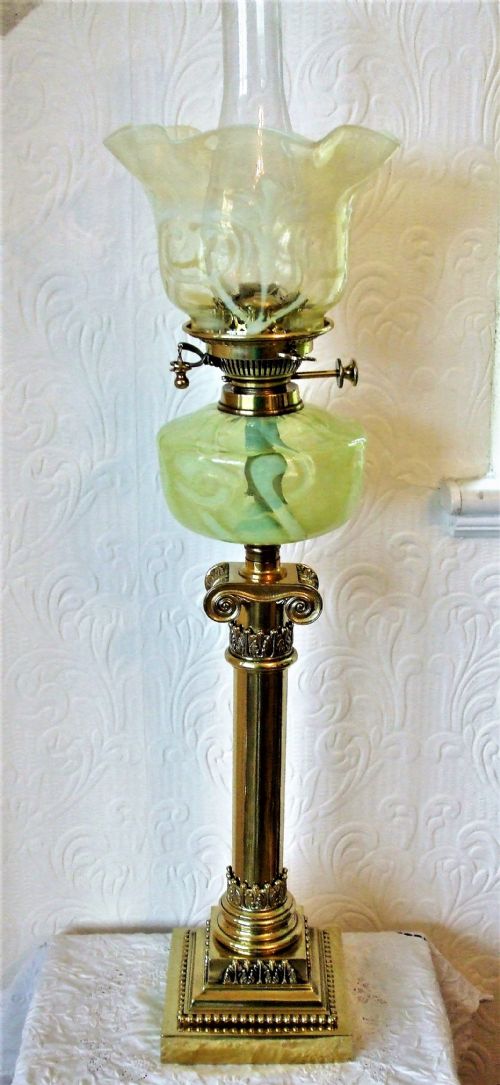
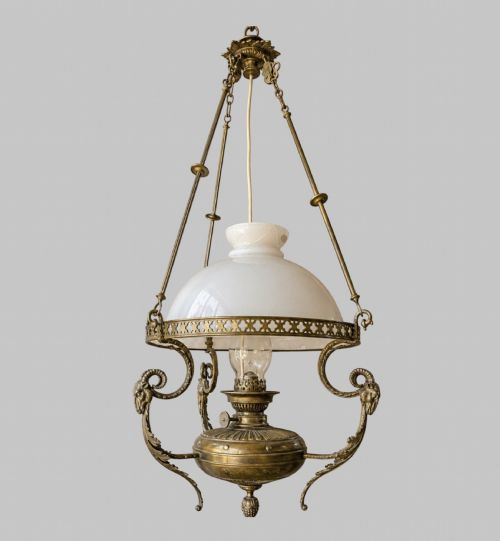
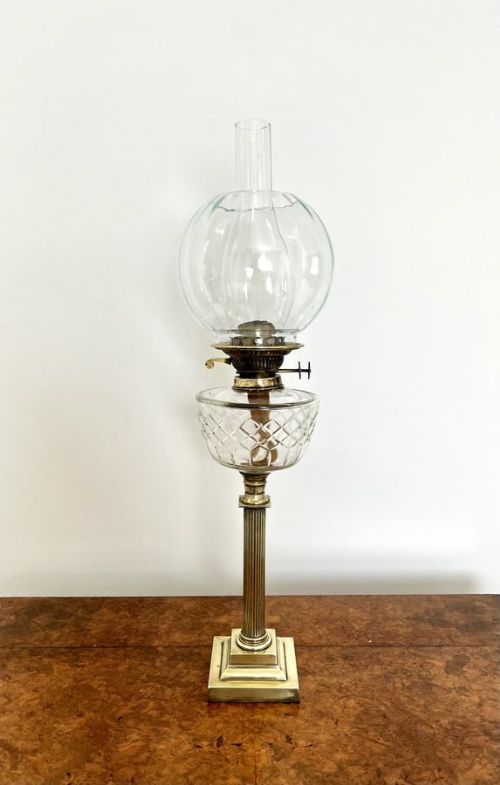
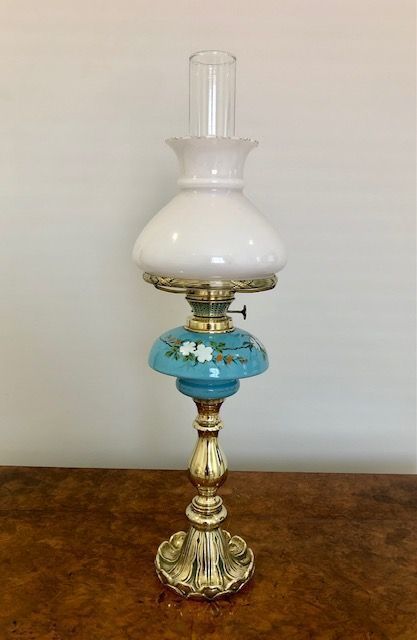
Makers produced standard table models alongside tall Corinthian column lamps and hanging ceiling lights. Many feature coloured glass shades or botanical hand-blown designs.
Materials and construction
Makers formed the structural columns and bases from solid brass, occasionally incorporating copper or silver plating. Metal spinning and casting created the heavy weighted bases required to support tall fonts.
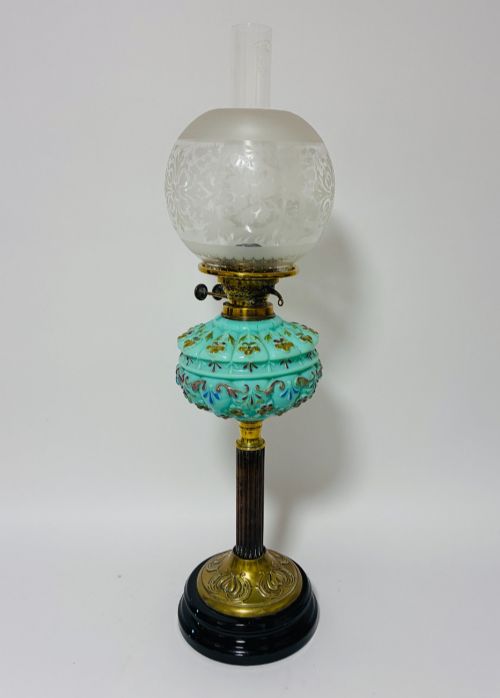
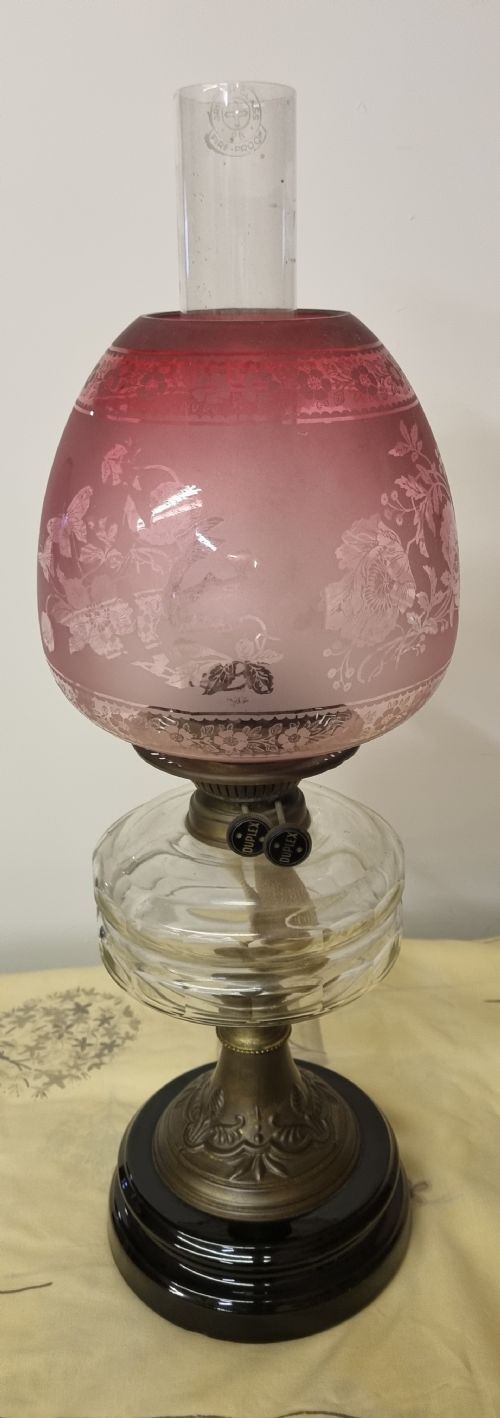
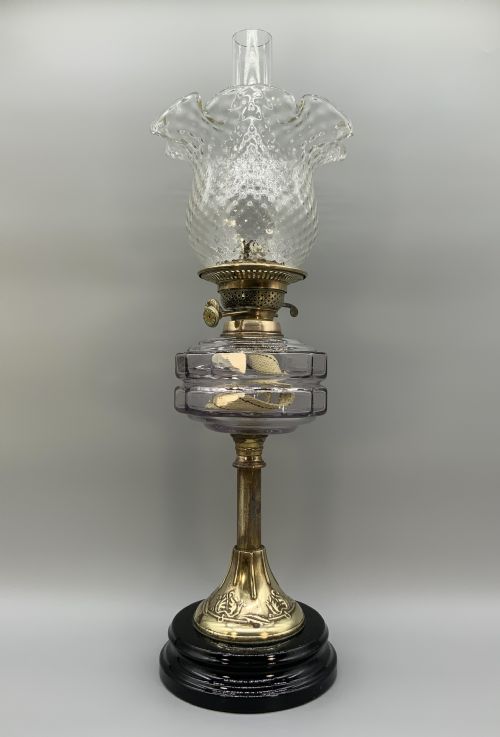
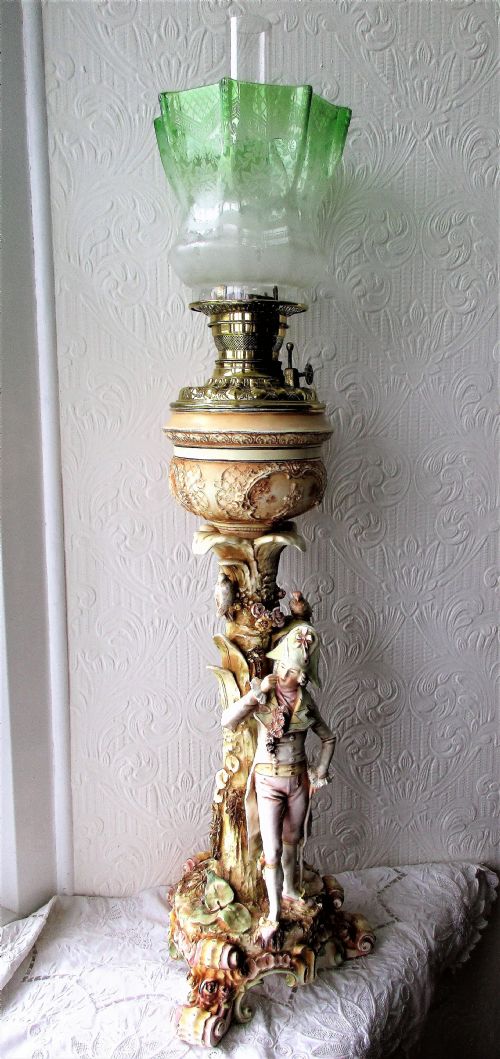
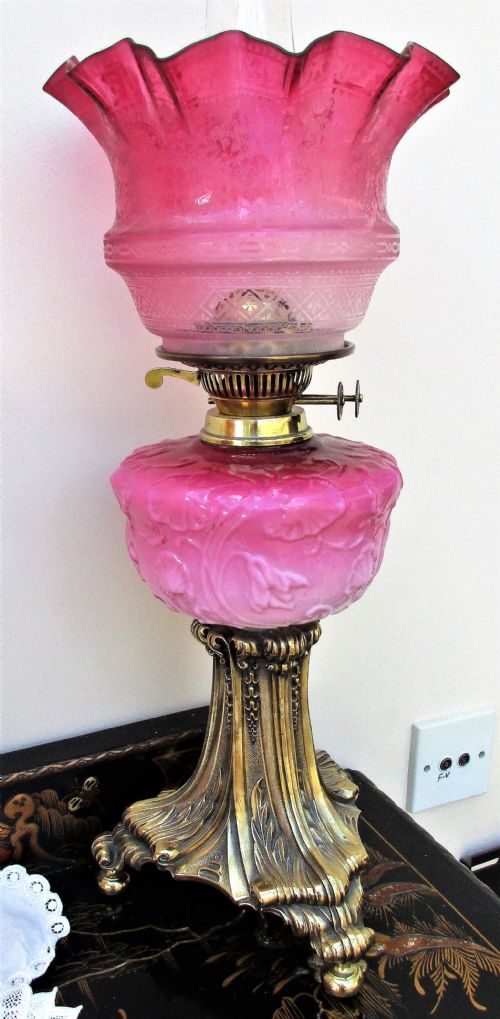
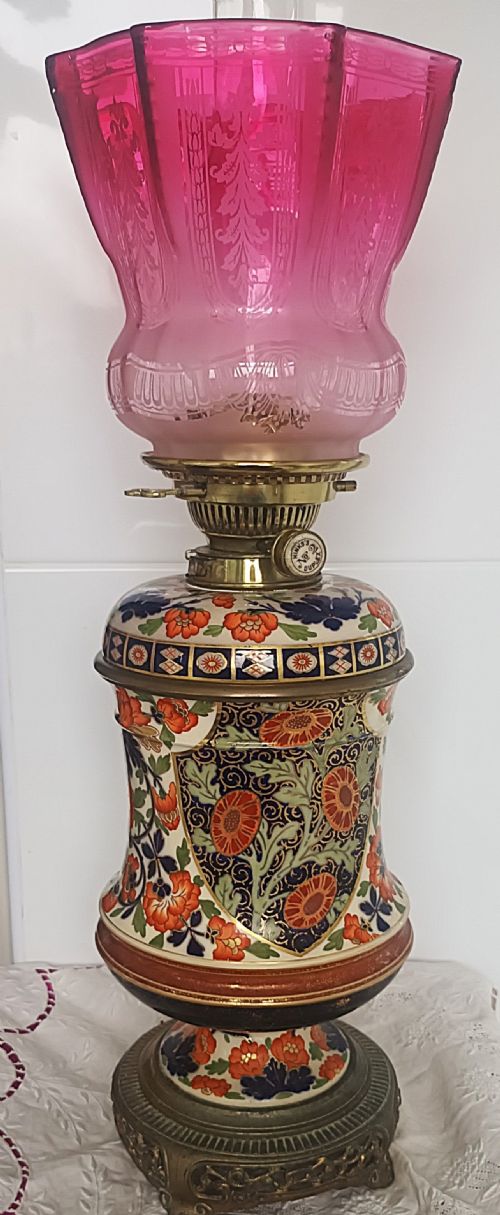
Fonts and shades utilised clear, cut, opaline or cranberry glass, sometimes paired with glazed ceramic components. Hand-blown glass techniques allowed for decorative winter scenes and etched tulip patterns on the shades.
Makers such as Hinks and Wild and Wessel appear among the engineering patents recorded on these nineteenth-century metal burner galleries.
The measure of quality
Quality rests in the substantial weight of the cast brass components and the crispness of architectural details like Corinthian capitals. Heavy gauge metal and stable telescopic mechanisms separate robust pieces from lighter domestic items.
The refinement of the glass shade dictates the upper tier of the range. Hand-blown cranberry glass, intricate etched patterns and undamaged ceramic reservoirs elevate a lamp far beyond standard production.
Hinks·Taylor Tunnicliff·Wild and Wessel
The Victorian Brass Paraffin Burner Glossary
- Duplex burner
- A double-wick burner mechanism designed to produce a brighter flame than single-wick variants. These systems often utilise twin knobs to control each wick independently.
- Corinthian column
- An architectural column style featuring ornate acanthus leaf decoration on the capital. Makers frequently adopted this classical form for tall lamp standards.
- Peg lamp
- A small oil lamp fitted with a metal peg at the base designed to drop directly into a candlestick or separate receptacle. This allowed existing holders to serve as oil lighting.
- Font
- The oil reservoir sitting atop the lamp column or base. These vessels were shaped from brass, ceramic or coloured glass.
- Opaline glass
- A semi-translucent white glass popular for lamp shades and vases. It diffuses light softly without complete transparency.
Victorian Brass Paraffin Burner: Frequently Asked Questions
How do I operate a paraffin burner safely?
These historical lamps are best retained for decorative display rather than daily domestic use. Modern safety standards advise against filling antique reservoirs with fuel and igniting the wicks.
If restoration is desired, consult a specialist to ensure the burner mechanism remains structurally sound and free from leaks before any test lighting.
What is a duplex burner?
A duplex burner uses two parallel flat wicks housed side by side under a single gallery. This configuration draws more air and fuel to create a substantially brighter flame.
Recognising this twin-wick setup helps date pieces to the later nineteenth century when higher illumination became standard.
How do I tell Victorian from Edwardian lamps?
Victorian examples frequently showcase heavier classical revival forms, such as Corinthian columns and rich cranberry glass fonts. The metalwork tends to be ornate and deeply cast.
Edwardian pieces often introduce lighter Art Nouveau aesthetics, featuring flowing botanical motifs and opaline or pastel glass shades.
Can I convert these lamps to electricity?
Many collectors choose to run electrical wiring down through the central column to use the lamp as a modern table light. This conversion can usually be done without damaging the original burner components.
Retaining the original wick mechanism alongside a concealed wire preserves the physical integrity of the antique.