


Antique Oil Lantern Light
An antique oil lantern light brings the honest weight of brass, copper, and iron together with the steady burn of historical lighting.
Antique Oil Lantern Light
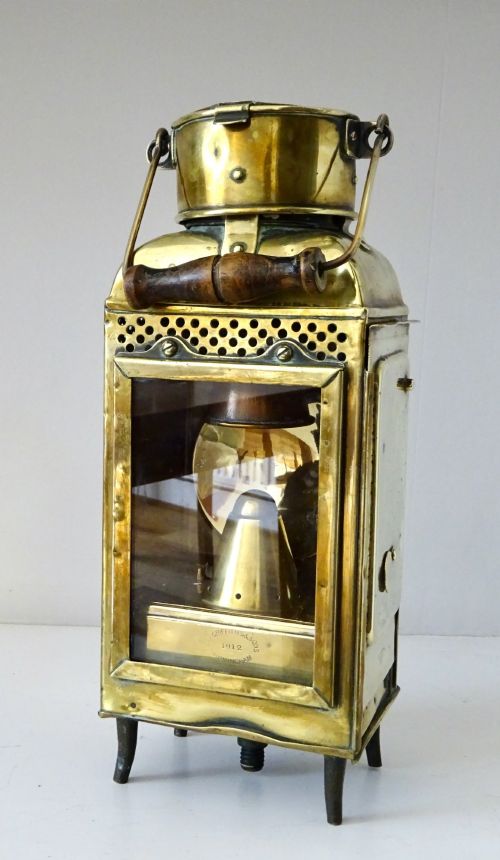
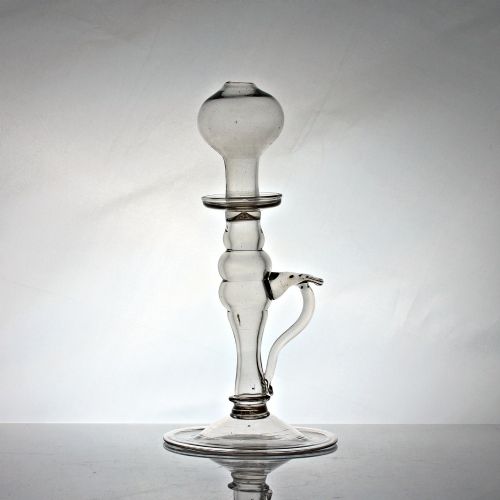
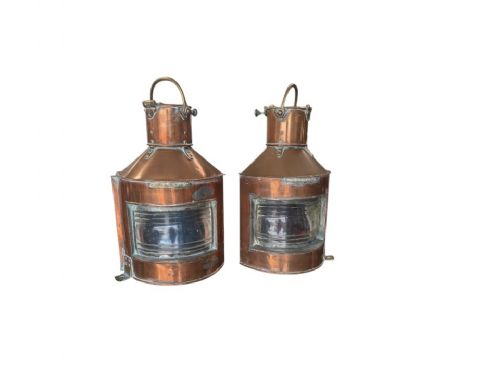
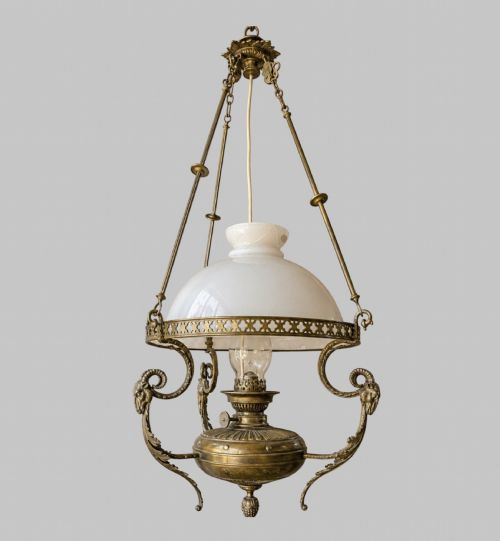
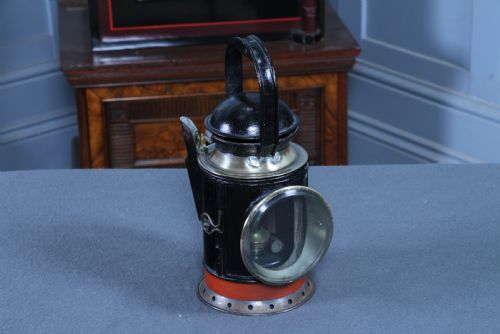
When you search for an antique oil lantern light, you are looking at utilitarian lighting shaped by maritime, railway, and domestic history from the eighteenth century to the mid-twentieth century. These pieces span sturdy railway hand lanterns with tri-colour lenses, heavy copper ship lamps, and domestic Victorian paraffin lamps featuring glass fonts and brass burners.
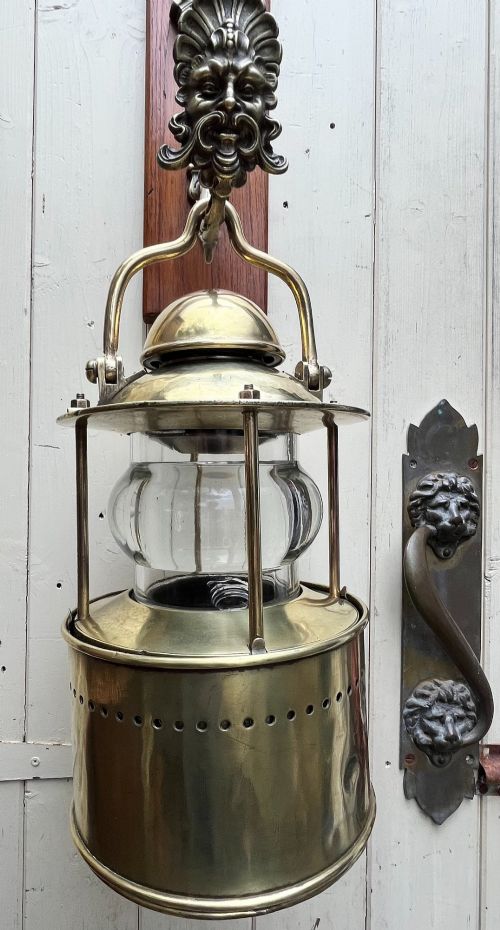
The versions you are most likely to meet on this page belong to the Victorian and Edwardian eras, alongside industrial railway examples from the early twentieth century. They range from simple brass table lamps to specialised wall lanterns and hanging fixtures designed to burn oil cleanly in domestic rooms or out in the weather.
How they were made
Makers constructed these lanterns and lamps using combinations of durable metals such as brass, copper, cast iron, and iron, often pairing them with blown or milk glass reservoirs and shades. Riveted joints, soldered seams, and heavy cast metal components ensured these objects could withstand daily use on railways, ships, and in homes.
Makers incorporated specialised mechanisms including Hinks burners and internal lens assemblies to manage combustion and direct light effectively. Ceramic and wooden elements appear alongside metalwork on domestic table lamps, while railway and maritime pieces rely heavily on robust weather-resistant enclosures.
Listings feature brass, copper, iron, and glass materials across periods spanning the eighteenth century to the mid-twentieth century.
What varies in quality
Quality in these lighting pieces rests on the substance of the metalwork, the weight of the cast components, and the presence of original maker details such as stamped brass plates or named burner mechanisms. Heavy brass or thick copper construction marks out better examples from lighter, purely decorative items.
The survival of original glass elements, including coloured lenses, intact fonts, and matching shades, separates standard survivors from superior pieces. Finer items retain their original mechanisms and functional integrity, showing careful proportion and honest industrial or domestic craftsmanship.
Eli Griffiths & Sons·Alderson & Gyde Ltd·Hinks
The Antique Oil Lantern Light Glossary
- Font
- The reservoir that holds the oil in a lamp or lantern. It is typically fashioned from glass, ceramic, or metal and sits beneath the burner.
- Burner
- The mechanical assembly mounted on top of the font that regulates the wick and flame. Famous examples include the Hinks burner found on Victorian paraffin lamps.
- Tri-colour lens
- A specialised multi-coloured glass lens used in railway hand lanterns to signal different status or direction. They are found on inspector and signal lamps.
- Paraffin lamp
- A domestic lighting fixture designed to burn paraffin or kerosene oil. These often include decorative glass shades and brass columns.
- Port and starboard
- Nautical terms designating the left and right sides of a vessel. Lanterns made for these positions use specific coloured glass panels.
Antique Oil Lantern Light: Frequently Asked Questions
What is an antique oil lantern light?
These objects are historical lighting devices powered by oil, encompassing domestic table lamps, hanging paraffin fixtures, and heavy-duty railway or ship lanterns.
They reflect the utilitarian and domestic needs of the eighteenth, nineteenth, and early twentieth centuries, utilising brass, copper, iron, and glass.
How were railway oil lanterns used?
Railway lanterns served multiple operational roles on lines operated by companies such as the GWR and LNER. Inspectors and signalmen carried hand lamps with multi-coloured lenses to communicate messages and navigate tracks safely.
Carriage lamps illuminated passenger compartments, relying on robust metal frames to endure constant motion and exposure to the weather.
How do I identify a Victorian oil lamp?
Victorian oil lamps often feature heavy brass bases, detailed metalwork, and glass fonts that sometimes display vibrant colours like blue. Many incorporate specific burner mechanisms, such as those by Hinks, which help date the piece.
They generally date from the latter half of the nineteenth century into the Edwardian period, bridging domestic comfort with functional design.
Can I use an antique oil lamp today?
Many of these pieces survive in a condition suitable for functional use, though collectors often treat them primarily as decorative objects or historical artefacts. Restoring or lighting them requires checking the integrity of the font and burner.
Wiring them for electricity is also a common adaptation for domestic interiors, preserving the exterior appearance while providing modern convenience.