





Victorian Brass Metalwork
Victorian brass metalwork covers everything from heavy domestic candlesticks to intricate Cairo Ware trays, offering substantial utility and decorative character.
Victorian Brass Metalwork
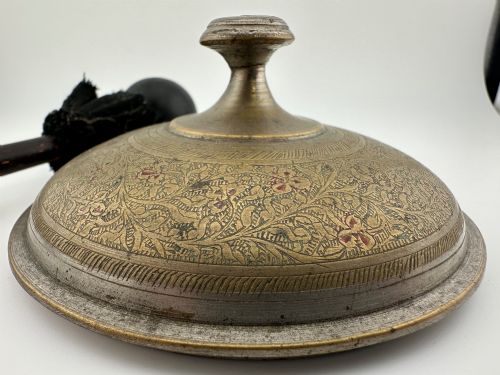
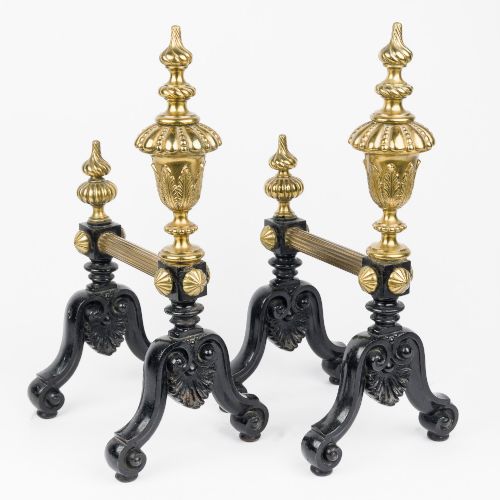
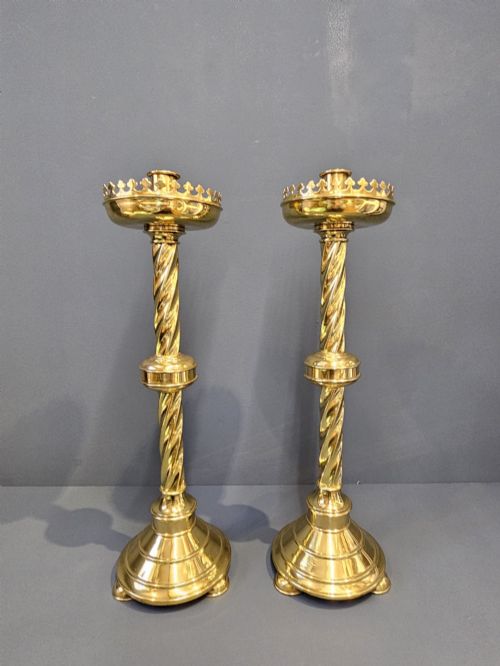
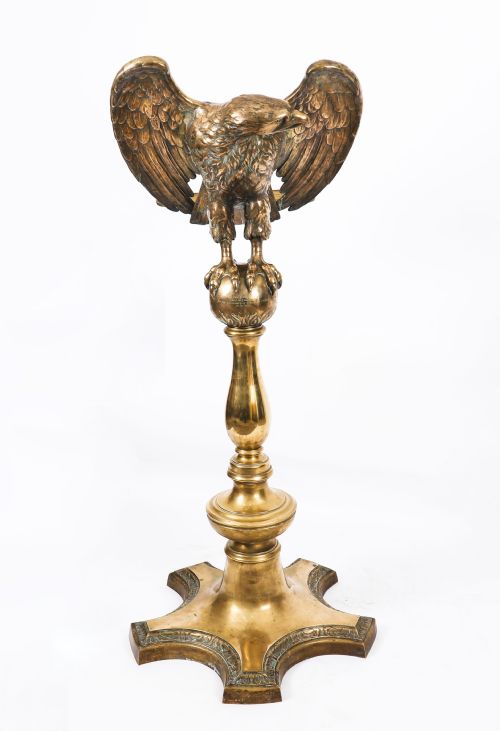
Victorian brass metalwork encompasses a diverse array of utilitarian and decorative objects, ranging from domestic fireplace accessories and lighting to imported Islamic and Indian vessels. Candlesticks, trays, jardinieres and gongs dominate the forms, reflecting both everyday nineteenth-century interiors and an expanding global taste.
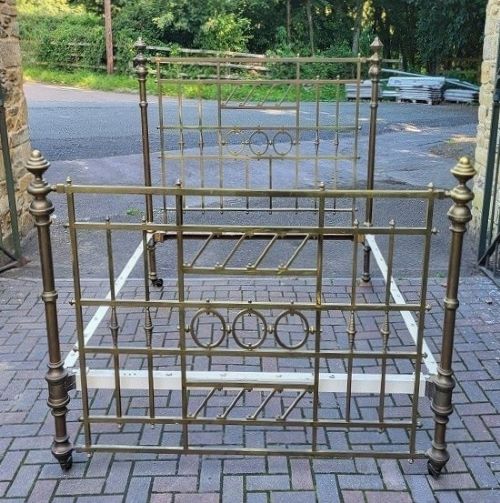
Buyers will encounter standard domestic brass alongside mixed metal creations, engraved chargers and architectural elements spanning the mid to late nineteenth century and into the early twentieth century. These pieces bring tactile weight and warm metallic tones to a room, serving functional roles much as they did originally.
Judging quality in metalwork
Depth and crispness of decoration separate standard items from finer examples, particularly where hand engraving, chasing or pierced work reveals deliberate artistic execution rather than hasty stamping. The weight of the metal and the integrity of joints or applied mounts dictate the overall durability and presence of an object.
Stylistic coherence within revival or exoticisms such as Cairo Ware or Arts and Crafts production indicates a more accomplished workshop origin. Superior items display careful finishing to the reverse and edges, maintaining clean lines and secure fittings across mixed components.
Victorian Brass Metalwork Retail Price Guide 2026
Typical asking prices for victorian brass metalwork among the pieces listed under this phrase on Sellingantiques today, from the lower quarter to the upper quarter. They describe what is for sale here now, not the wider market.
Elephants feature steadfastly around the base of certain bronze bells, keeping a watchful eye over domestic summons.
The Victorian Brass Metalwork Glossary
- Cairo Ware
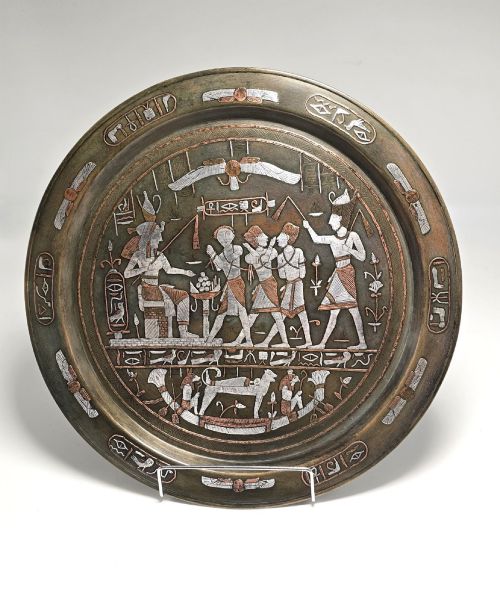
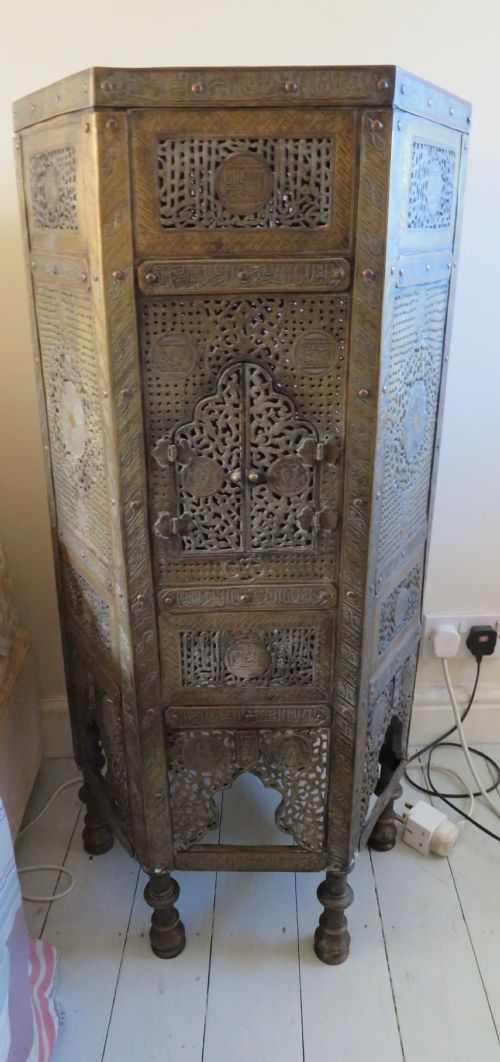
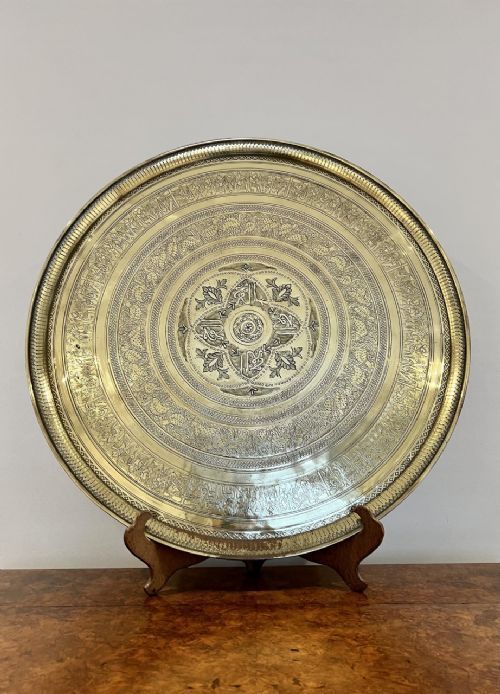
- A specific style of nineteenth-century metalwork featuring brass inlaid with silver, copper and white metal in dense Islamic geometric and arabic calligraphy patterns. These items were often produced in Egypt or exported for the European market.
- Repousse
- A metalworking technique where the artisan hammers the design from the reverse side to form a raised relief on the front. This method creates tactile, three-dimensional decorative surfaces on copper and brass chargers or boxes.
- Chased
- Surface decoration applied directly to metal by hammering with specialised punches rather than removing material. It adds fine linear detail and texture alongside engraved incisions.
- Tazza
- A small shallow cup or bowl elevated on a stem and foot, used historically for serving food or displaying items. Bronze examples often feature decorative stones or classical revival motifs.
Victorian Brass Metalwork: Frequently Asked Questions
What is Cairo Ware?
Cairo Ware refers to nineteenth-century brass metalwork inlaid with copper, silver and white metal, featuring intricate Islamic and geometric designs.
These pieces were popular curiosities during the Victorian period, bringing exotic craftsmanship into European homes.
How do I clean antique brass?
Antique brass generally benefits from gentle dusting and minimal intervention to preserve its historic patina and aged surface finish.
Aggressive metal polishes strip away dark oxidation that collectors value, so cleaning should be restricted to removing loose grime with a soft cloth.
Where were these pieces used?
Victorian brass metalwork served functional and decorative roles throughout the home, from church chancels and drawing rooms to hearths and studies.
Items like gongs, samovars, candlesticks and coal buckets were central to daily Victorian domestic life.
How do I date Victorian metalwork?
Dating relies on stylistic movements, manufacturing techniques like machine stamping versus hand hammering, and occasional maker marks or registration numbers.
Comparing items to documented examples from periods like Arts and Crafts or the Aesthetic Movement helps narrow down the decade of production.