
Victorian Brass Light Fixture
A victorian brass light fixture brings weighted metalwork and period illumination into a room, offering both practical light and distinct historical character.
Victorian Brass Light Fixture
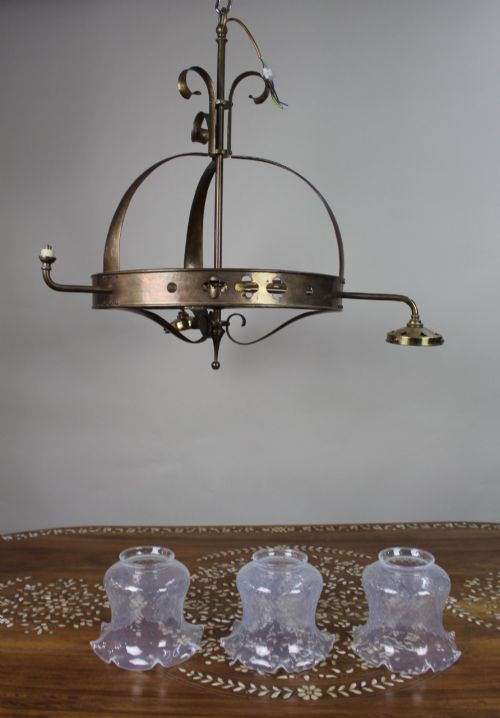
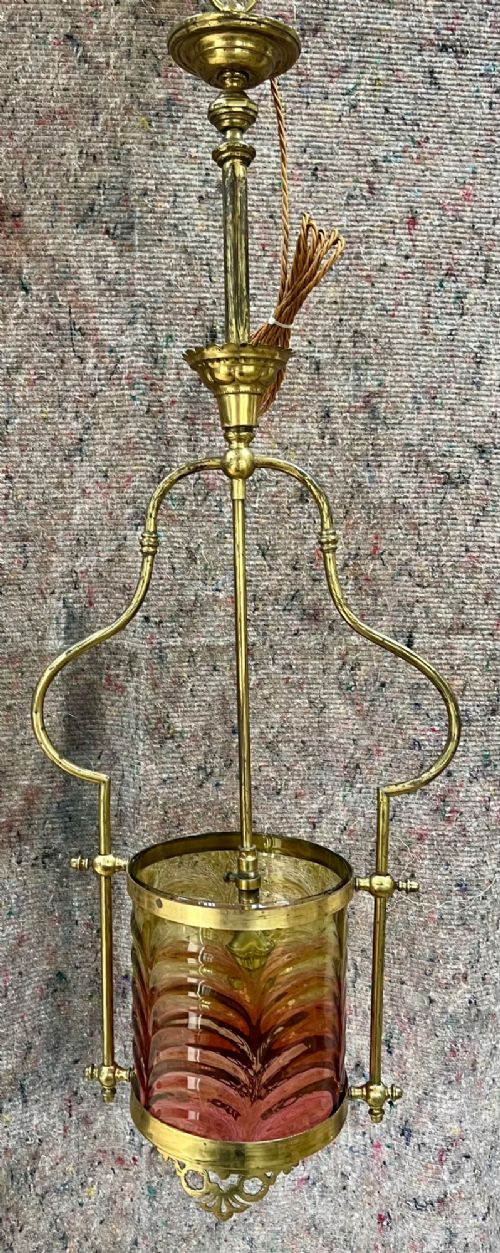
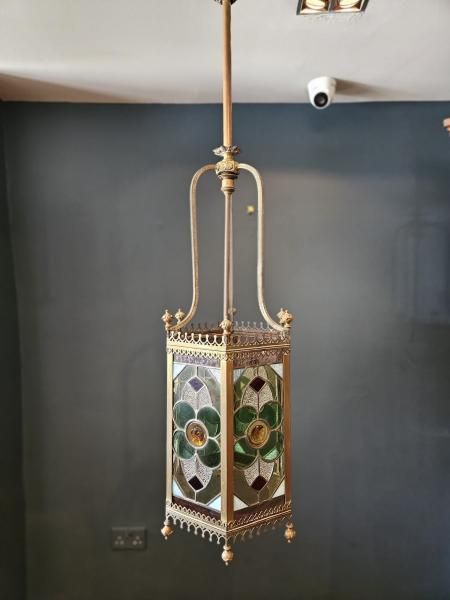
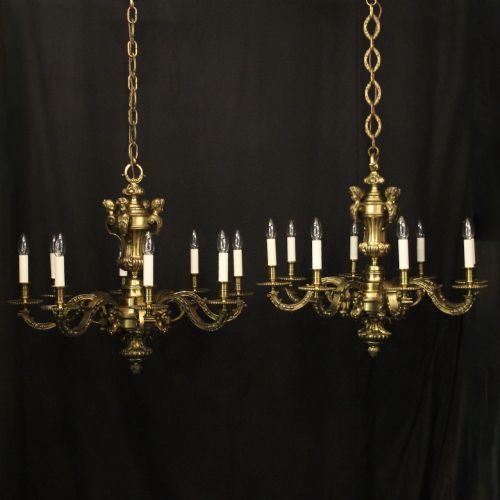
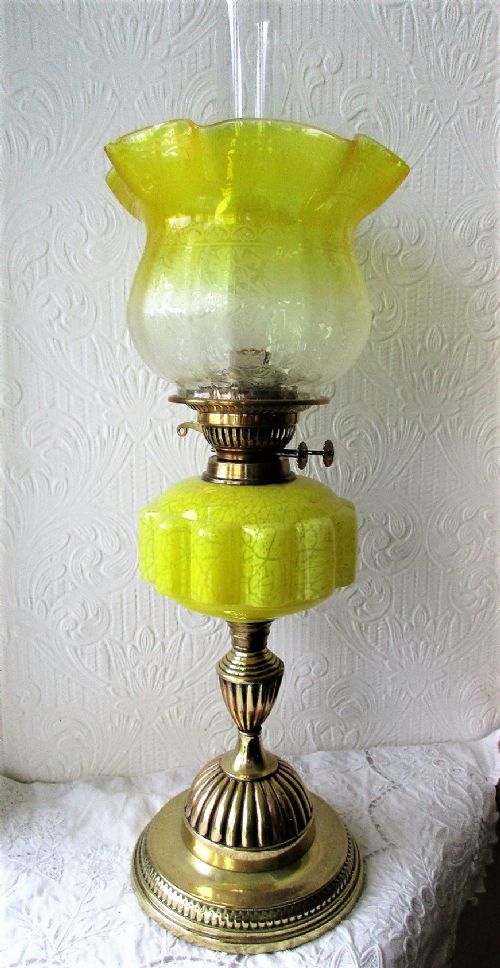
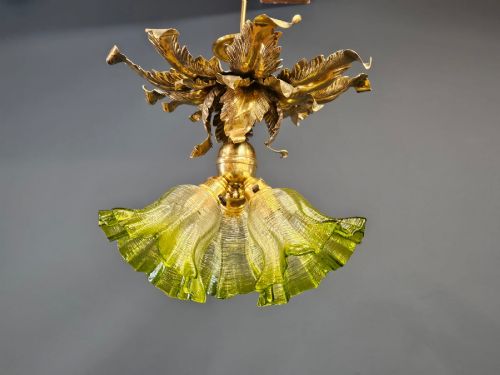
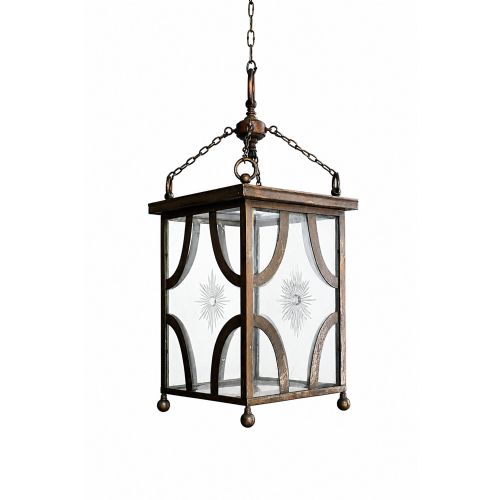
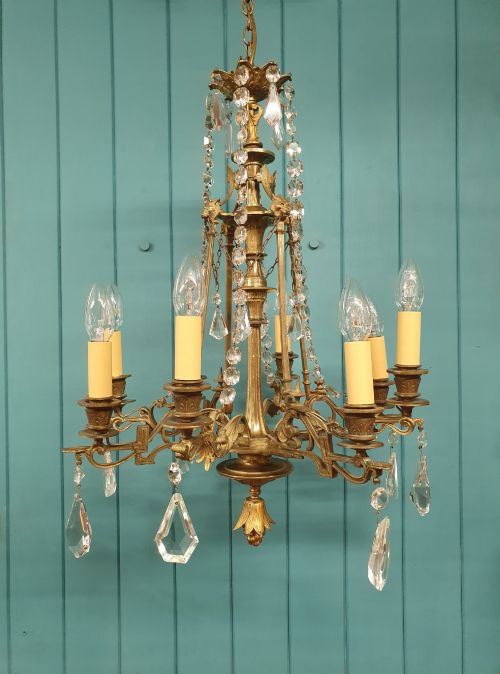
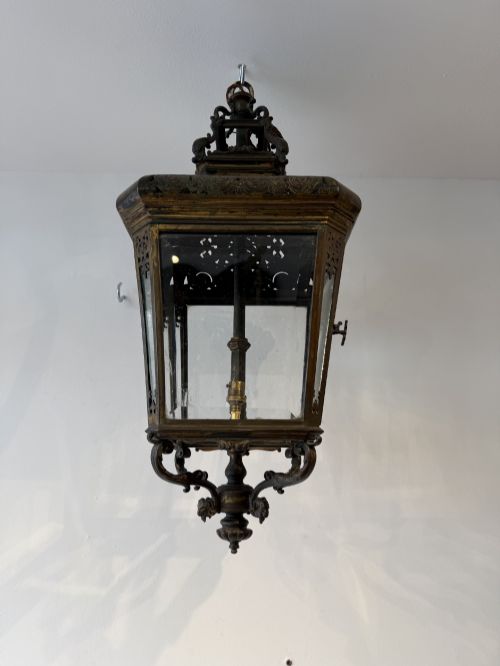
When searching for a victorian brass light fixture, buyers encounter a diverse range of ceiling lights, wall lights, and floor-standing pieces dating from the nineteenth century into the early twentieth century. The selection spans robust gasoliers, ornate chandeliers, and functional oil lamps adapted from various periods including Edwardian, Gothic Revival, and Arts and Crafts styles.
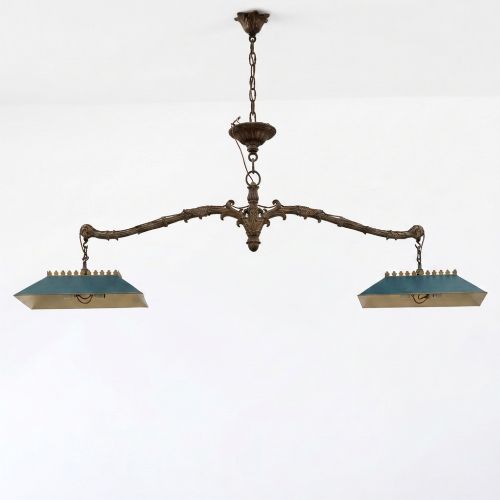
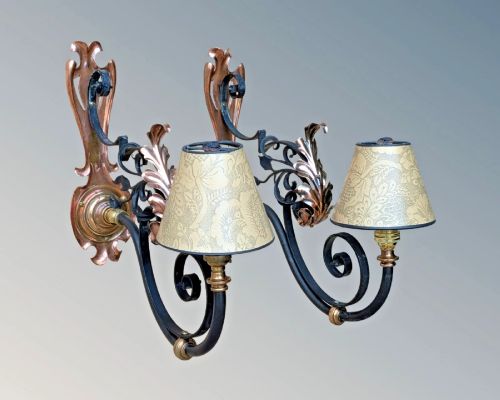
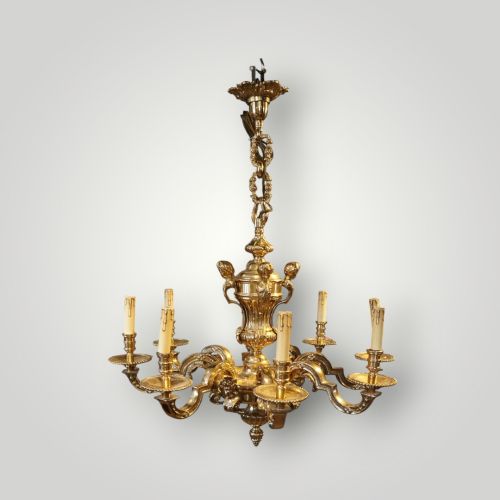
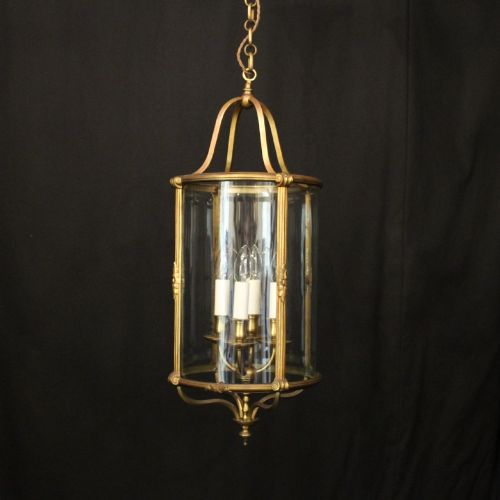
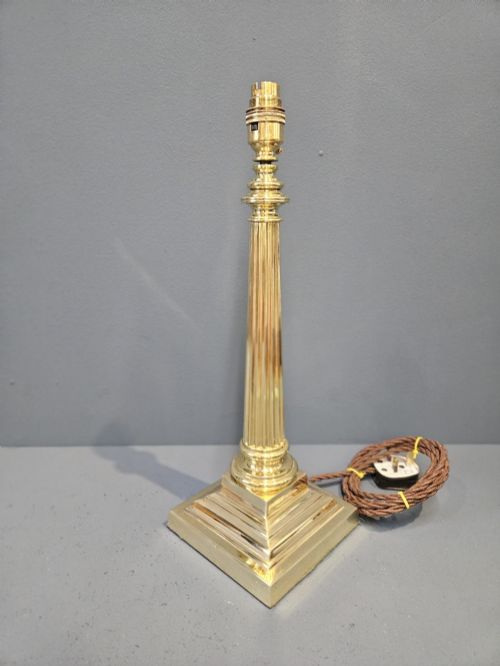
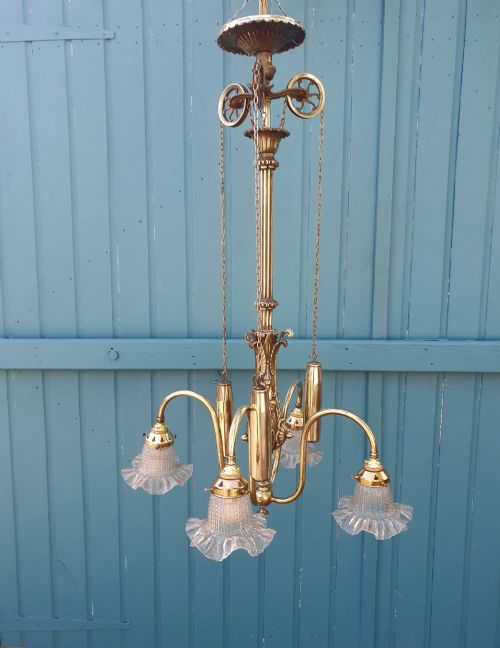
The most frequent pieces on this page are ceiling-hung fixtures, such as multi-arm chandeliers and glass lanterns, alongside mounted wall sconces and heavy column table lamps. These items reflect the domestic lighting technology of their day, moving from oil and gas to early electrical adaptation while retaining their brass and bronze structures.
Materials and construction
Makers utilised cast and spun brass, bronze, and gilt metal, frequently combining the metalwork with blown, cut, or leaded glass shades. Structural components often involved heavy gauge brass tubes, wrought iron, and copper elements assembled with threaded joints or rivets.
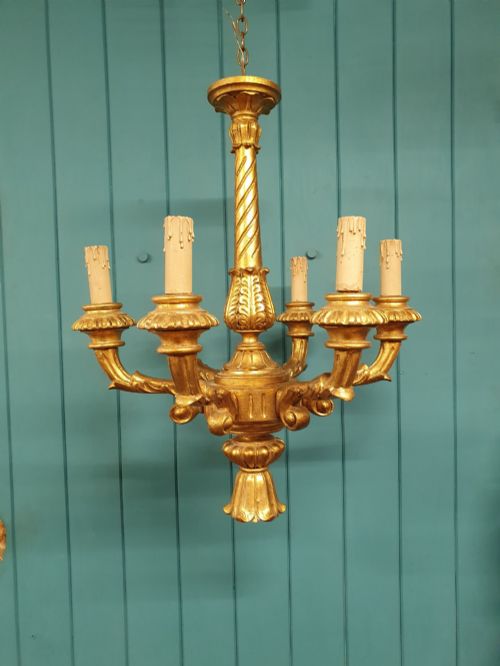
Surface finishes range from polished brass and patinated bronze to gilt accents and gesso details on wooden cores. Glass components encompass opalescent shades, pink crimped glass, and crystal prisms secured to the metal frames.
Listings feature brass, bronze, and copper paired with opalescent, cut, and leaded glass across Victorian and Edwardian periods.
Assessing quality and finish
Quality in these lighting pieces rests on the weight of the metal casting, the crispness of chased details like lion masks or leaf designs, and the integrity of the original glass shades. Heavier gauge brass and balanced multi-arm configurations separate finer workshop production from standard utility items.
The sophistication of the mechanism, such as a working rise and fall counterweight or complex multi-burner oil fonts, distinguishes superior examples. Retaining original coloured glass, cut crystal drops, or matching pairs further elevates a fixture's standing.
Liberty
The Victorian Brass Light Fixture Glossary
- Gasolier
- A gas chandelier designed to burn coal gas for illumination before the widespread adoption of electric lighting. These fixtures often feature hollow brass arms that channel gas to the burners.
- Plafonnier
- A ceiling light fixture mounted flush or close to the ceiling surface, frequently utilising a decorative glass bowl or shade held in a brass or bronze frame.
- Newel post lamp
- A decorative light fixture positioned on the newel post at the foot of a staircase. They provide directional illumination in hallways and entryways.
- Holophane
- A brand of scientific glass shade designed with prismatic ribs to diffuse and direct light efficiently. These are commonly found on industrial and pendant lights from the early twentieth century.
- Rise and fall chandelier
- A pendant light equipped with a pulley or counterweight mechanism allowing the height of the fixture to be adjusted. This design was particularly useful over billiard tables and dining spaces.
Victorian Brass Light Fixture: Frequently Asked Questions
How do I install a vintage fixture?
Vintage lighting fixtures often require professional rewiring and mounting modifications to meet modern electrical safety standards safely. A qualified electrician can adapt older brass fittings for contemporary ceilings.
Care must be taken to ensure the ceiling structure can support the substantial weight of heavy bronze or cast brass chandeliers and lanterns.
Can oil lamps be converted to electricity?
Many period oil lamps and table lamps have been thoughtfully converted to electricity over the decades to allow daily use in modern homes. This process typically involves running a concealed cord through the central burner or column.
Retaining the original oil font and burner parts preserves the historical appearance of the lamp while accommodating modern bulbs.
What rooms suit a brass chandelier?
Multi-arm brass chandeliers and glass lanterns fit well in reception rooms, high-ceilinged hallways, and dining areas where their scale can be fully appreciated. Their warm metal tones complement traditional architectural details like cornicing and picture rails.
Pendant lights and smaller wall sconces work effectively in kitchens, studies, and bedrooms.
How do I clean antique brass?
Antique brass is best maintained with a soft, dry cloth to remove dust without disturbing the aged patina that accumulates over generations. Harsh chemical polishes should be avoided because they strip away the historical surface finish.
Glass shades can be washed separately in warm soapy water and dried thoroughly before being reattached to the metal frame.