



Victorian Candle Chandelier Light
These victorian candle chandelier light examples combine brass, bronze, and glass to illuminate interiors with period character.
Victorian Candle Chandelier Light
A victorian candle chandelier light brings nineteenth-century illumination into modern rooms through hanging lanterns, multi-arm fixtures, and ceiling candelabra. Buyers searching for a victorian candle chandelier light encounter pieces originating from English and French workshops, spanning the nineteenth century into the early twentieth century.
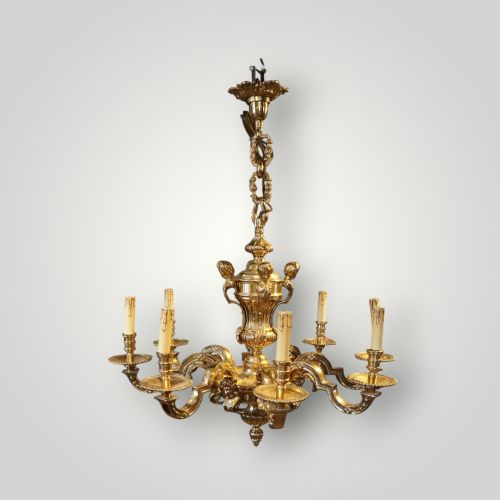
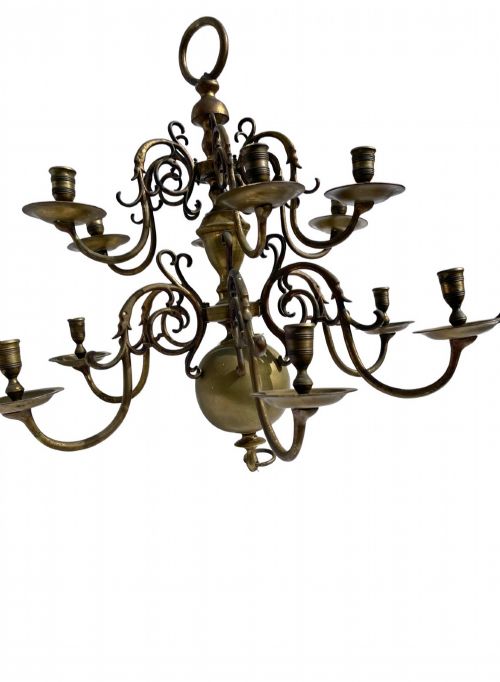
The assortment on this page includes styles from French Rococo and Gothic Revival to Dutch Baroque Revival and Aesthetic period ecclesiastical designs. Most examples offer multi-light configurations designed for candles, suspended by chains or mounted directly as ceiling fittings.
Distinctions in quality
Quality appears in the crispness of the metal chasing, the depth of the gilding, and the purity of the cut glass prisms. Finer fixtures exhibit substantial weight through solid bronze or heavy brass construction rather than thin stamped metal.
The complexity of the design, from simple ecclesiastical brass rings to elaborate French Rococo castings with multiple branches, separates standard production from high-end workshop output. Original surface patination and intact glass components further distinguish superior pieces.
Victorian Candle Chandelier Light Retail Price Guide 2026
Typical asking prices for victorian candle chandelier light among the pieces listed under this phrase on Sellingantiques today, from the lower quarter to the upper quarter. They describe what is for sale here now, not the wider market.
Listings feature brass, bronze, gilt metal, and silver plate across Victorian and early twentieth-century periods.
Joseph Wilmotte
The Victorian Candle Chandelier Light Glossary
- Gilt bronze
- Metal alloy coated with a layer of gold, providing a durable and decorative surface finish that resists tarnish. It is frequently found on French nineteenth-century lighting.
- Gothic Revival
- Architectural and decorative style drawing on medieval forms, characterised by pointed arches and robust metalwork. This aesthetic appears on several ecclesiastical and domestic brass chandeliers.
- Lustre
- Glass pendant or prism hung from a lighting fixture to catch and refract light. Single examples and multi-branch chandeliers utilise these to amplify illumination.
- Cage chandelier
- Open metal framework supporting internal candle arms and glass drops. This form provides a structured enclosure for the lighting components.
- Silver plate
- Base metal coated with a thin layer of silver through electroplating or older immersion methods. It offers a bright reflective surface on mid-nineteenth-century ceiling fittings.
Victorian Candle Chandelier Light: Frequently Asked Questions
How do I clean a brass chandelier?
Dust the metal surfaces regularly with a soft, dry cloth to prevent grime accumulation. Avoid harsh chemical polishes that can strip original nineteenth-century patination.
Glass components and lustres can be removed and washed in warm soapy water before being dried thoroughly and reattached.
Were these lights electrified?
Most nineteenth-century fixtures were originally designed and used for candles before later being adapted for electricity. Many retain their original candle tubes, drip pans, and sconce configurations.
Buyers often choose to keep them configured for candles or have a professional electrician safely run modern wiring through the internal channels.
How do I identify a Gothic Revival piece?
Gothic Revival lighting displays distinct medieval motifs such as quatrefoils, heavy tracery, and pointed structural elements. These pieces are typically fashioned from solid brass or iron.
They often originate from ecclesiastical settings or domestic commissions influenced by nineteenth-century architectural revivals.
What is the difference between a hall lantern and a chandelier?
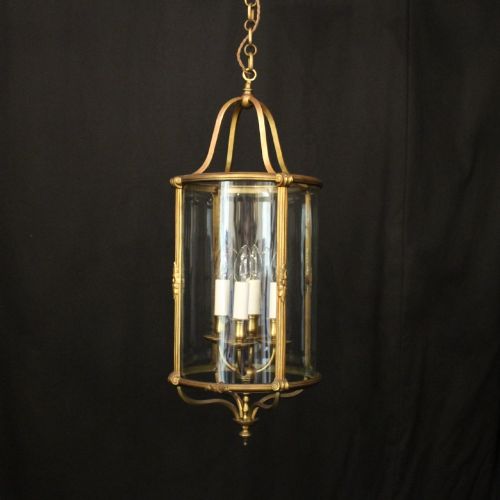
Hall lanterns feature an enclosed glass body surrounding the internal candle or light source, designed specifically for narrow entrance spaces and corridors. They hang securely from a single chain or suspension rod.
Chandeliers project outward with multiple open arms branching from a central stem to distribute light across a larger room.