





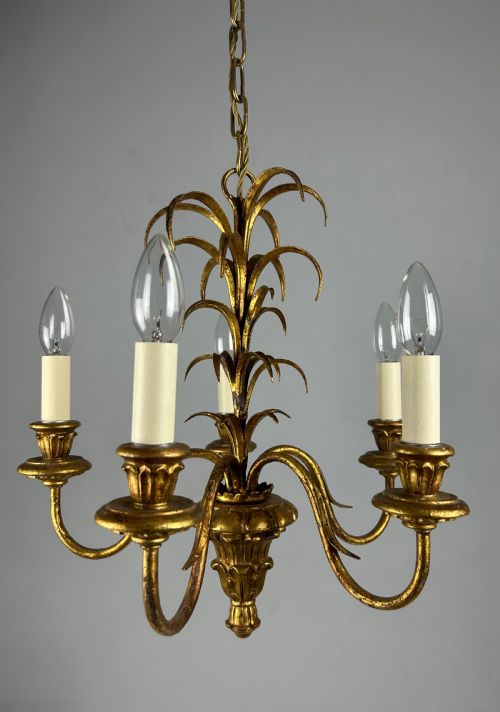

Brass Branch Chandelier Light
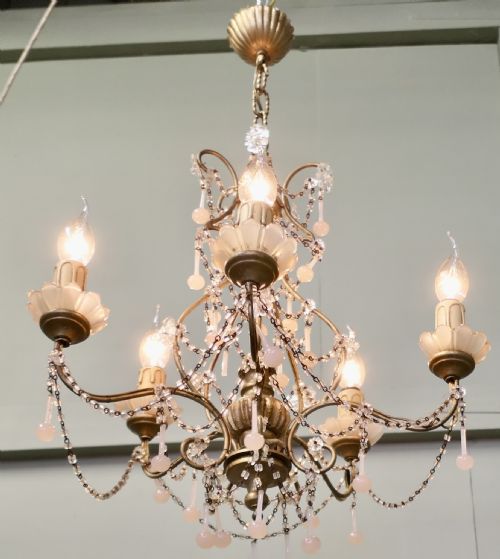
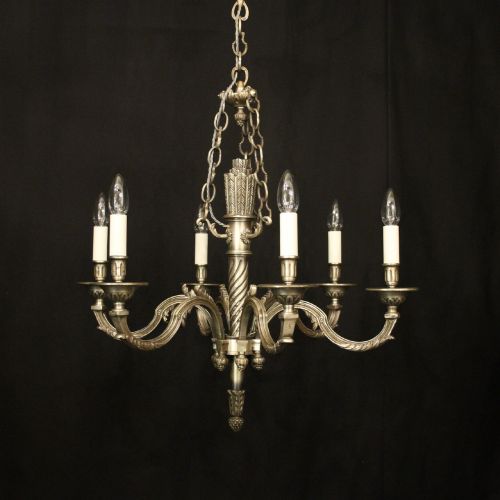
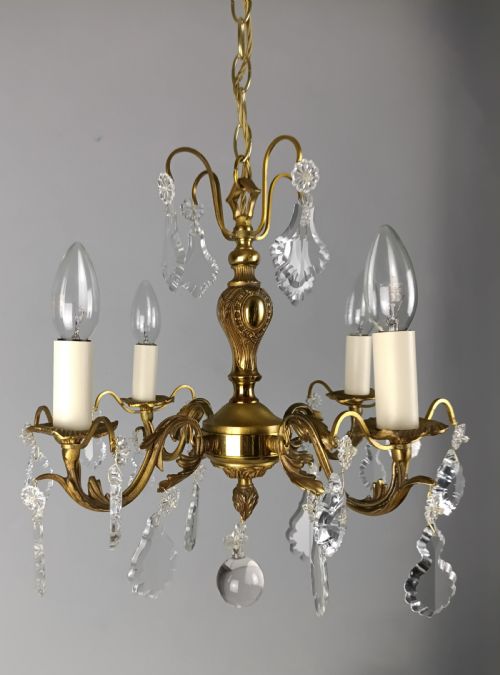
A brass branch chandelier light brings organic form and warm metallic reflection to a room, combining naturalistic arm configurations with period illumination.
Brass Branch Chandelier Light
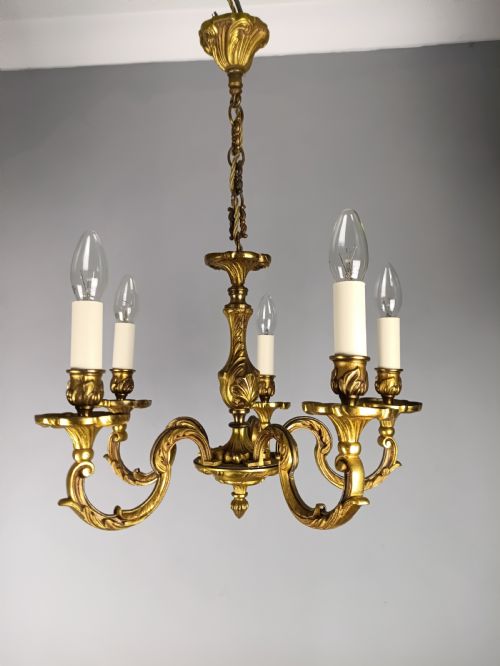
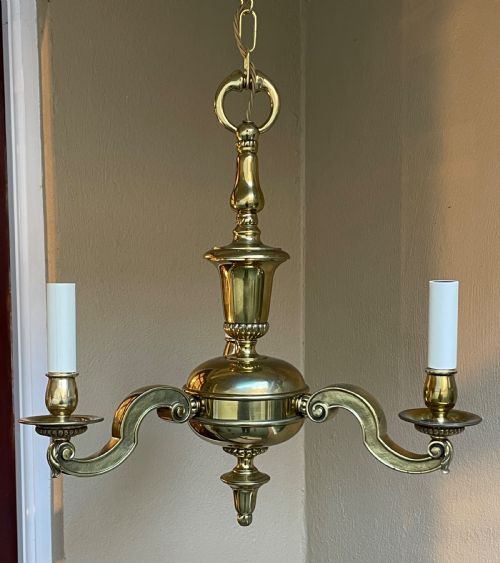
A brass branch chandelier light unites botanical casting with metal framing, taking forms that echo natural boughs, palm fronds, or formal scrollwork. Buyers searching this phrase encounter fixtures designed to suspend from ceilings and distribute light across multiple arms, ranging from compact three-branch lights to grand twelve-light configurations.
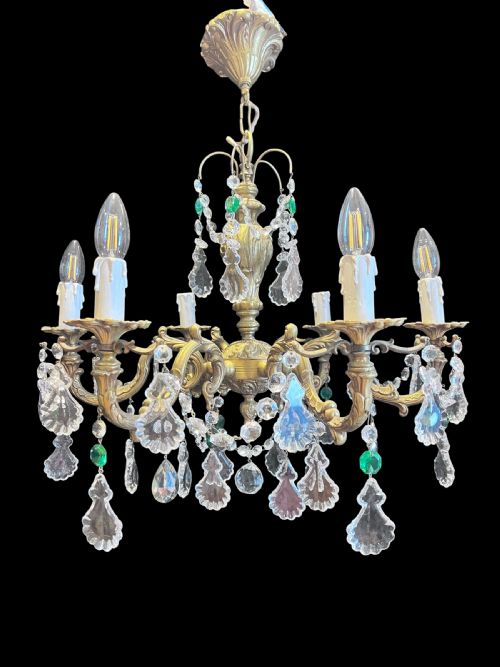
The pieces on this page span the Victorian era, the Edwardian period, and the 1920s and 1930s, alongside nineteenth-century examples and earlier revival styles. French and Dutch designs dominate the selection, bringing ornate Rococo, Empire, and Neoclassical vocabularies together with solid brass and gilded bronze construction.
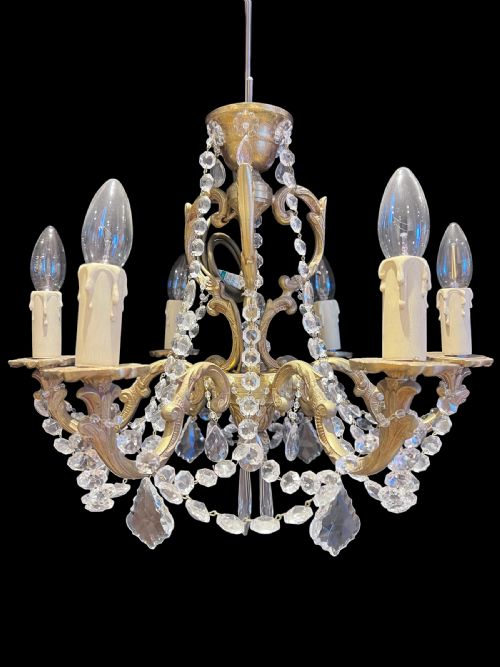
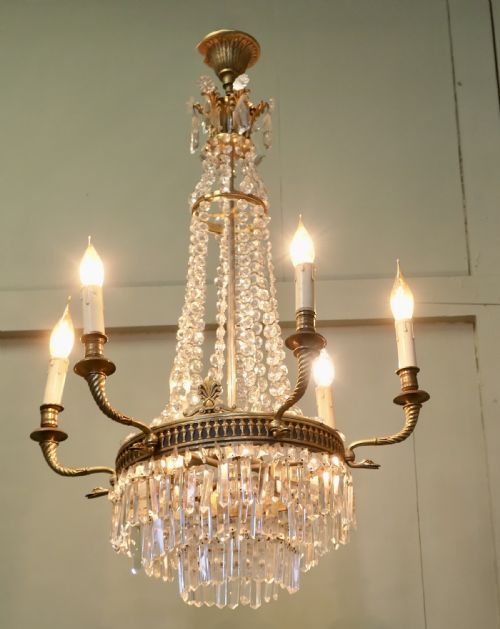
Many items incorporate hanging cut crystal drops, glass prisms, or coloured glass elements that refract the bulb light. Alongside standard ceiling suspensions, the inventory includes variations such as tent and waterfall formations, billiard lights, and convertible table lamps.
How they were made
Foundry work relied heavily on cast brass, gilt bronze, and ormolu, poured and chased to achieve crisp surface detail on acanthus leaves and branch joints. Artisans shaped structural arms by hand, securing sockets and drip pans to central stems using threaded brass components.
Crystal and glass components were hand-cut and drilled, then suspended from the metal armature using wire ties or brass pins. Gilding was applied via mercury fire-gilding or gold leaf techniques on bronze and brass substrates, creating a resilient finish that endures on surviving nineteenth and twentieth-century examples.
The inventory records brass branch chandelier light designs across Victorian, Edwardian, 1920, and 1930 periods, incorporating cut crystal and gilt bronze.
What varies in quality
The precision of the casting distinguishes finer examples, where naturalistic branch textures and leaf mounts retain sharp relief rather than softened contours. Superior metalwork shows careful hand-chasing after casting, which eliminates mould seams and refines the junctions where arms meet the central column.
The integration of decorative components also defines the grade of a fixture, seen in the clarity and depth of cut glass crystals and the weight of the solid brass or gilt bronze armature. Well-balanced proportions across multi-branch configurations ensure the chandelier hangs true and projects light evenly.
The Brass Branch Chandelier Light Glossary
- Ormolu
- Gilded bronze, produced by applying a finely ground gold-mercury amalgam to a bronze base and heating it to drive off the mercury. This technique created a durable, rich golden surface seen on high-end French fixtures.
- Gasolier
- A light fixture designed originally for gas lighting, often converted later for electricity. These pieces retain heavy brass pipes and specialised key valves alongside traditional branch arms.
- Tent and waterfall
- A chandelier configuration where strings of cut crystals form an upper canopy tent shape above a widening cascade of drops. It maximises refraction from a central light source.
- Girandole
- A branched candleholder or light fixture designed to be mounted on a wall or placed on a table surface. In period terms, it often shares stylistic vocabulary with matching ceiling chandeliers.
- Acanthus
- A classical ornamentation motif derived from the Mediterranean plant of the same name, carved or cast onto furniture and metalwork. It frequently appears on the shoulder mounts of branch chandeliers.
Brass Branch Chandelier Light: Frequently Asked Questions
How do I hang a heavy brass chandelier safely?
Suspension requires locating a ceiling joist or installing a dedicated steel brace box capable of supporting the full weight of the metal and crystal armature. A professional electrician should secure the hanging loop and verify that the structural wiring matches the load.
Once anchored overhead, the fixture can be adjusted to the desired height using matching chain links. Ensuring the weight rests entirely on the structural ceiling connection rather than the electrical supply wire is essential.
Can these vintage chandeliers be rewired for modern homes?
Most antique fixtures are adapted for contemporary electrical standards by replacing perished internal wiring with modern insulated cable. This process preserves the original exterior brass components while making the piece safe for daily domestic use.
Rewiring often includes safety testing such as PAT testing to confirm the metal frame is properly earthed. Specialised sockets are selected to fit existing candle tubes or shade fittings without altering the historical appearance.
How do I clean crystal drops without damaging the brass?
Crystal prisms are best cleaned in situ using a mild solution of warm water and a touch of dish soap applied with a soft cloth. Removing each drop for washing is also an option if the connecting pins are sturdy enough for handling.
Harsh chemical polishes should be kept away from the brass frame to protect patination and applied gilding. A dry microfiber cloth helps maintain the metalwork without stripping the aged finish.
What is the difference between French and Dutch branch chandeliers?
French designs lean towards elaborate Rococo, Neoclassical, and Empire styles, featuring gilt bronze, naturalistic branch castings, and abundant crystal ornamentation. Their silhouettes prioritize flowing asymmetrical curves and decorative leaf mounts.
Dutch styles emphasise robust construction in solid brass and copper, often featuring multiple tiers of arms radiating from a central baluster stem. Their aesthetic stems from seventeenth-century maritime traditions, focusing on structural symmetry and heavy metal presence.
How do I date an antique brass chandelier?
Dating relies on examining the casting quality, assembly methods, and the style of decorative motifs like acanthus leaves or crystal cuts. Hand-threaded components and sand-cast surfaces generally point towards nineteenth-century or earlier production.
Twentieth-century examples from the Edwardian era or the 1920s and 1930s often display standardised threading and machine finishing alongside Art Deco or revival aesthetics. Documented periods in the inventory help cross-reference these stylistic clues.