





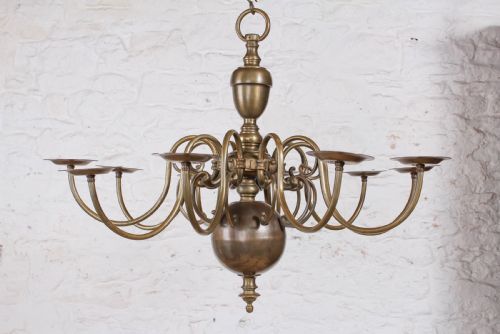

Flemish Brass Pendant Light
These flemish brass pendant light pieces bring deep historical presence and warm metallic character to a room.
Flemish Brass Pendant Light
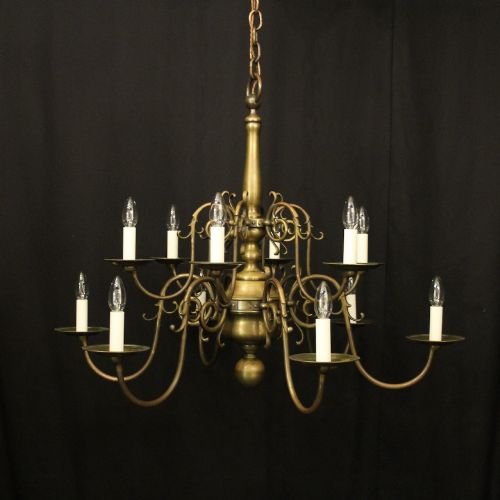
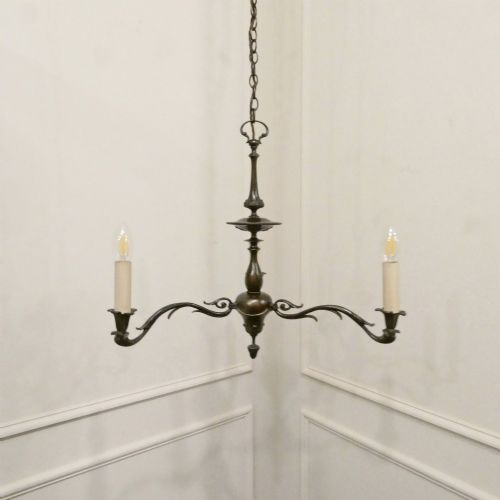
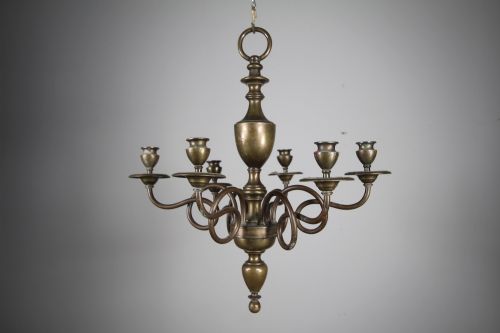
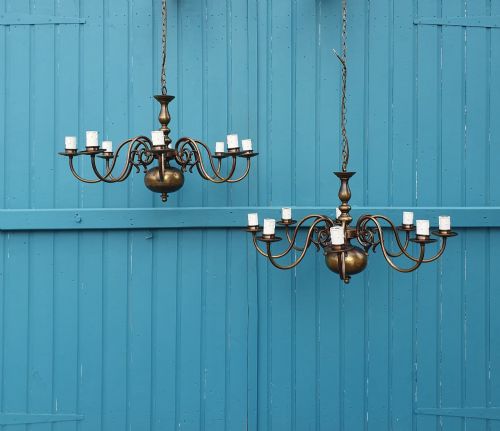
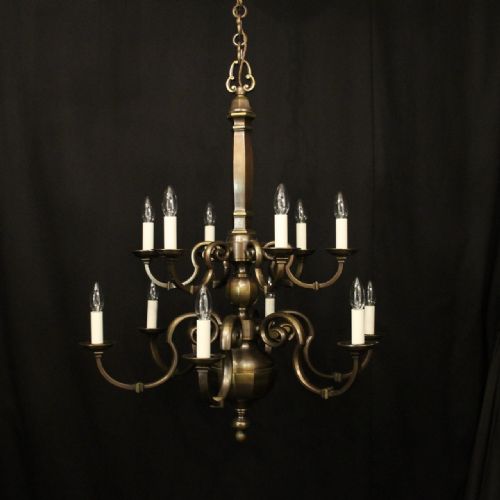
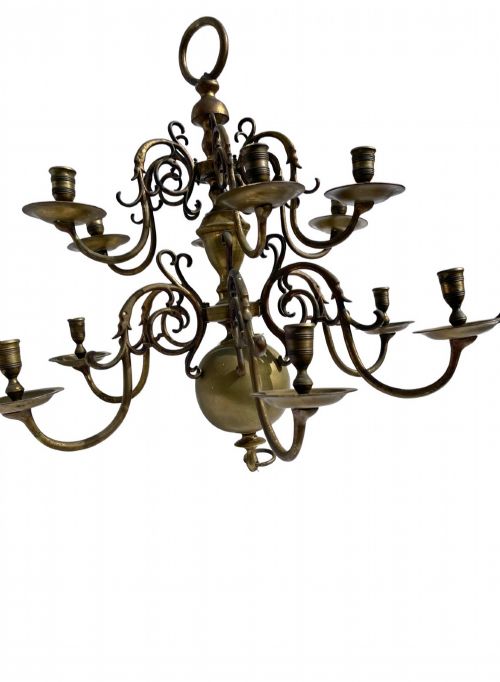
A flemish brass pendant light is a substantial hanging fixture designed to illuminate large spaces with multiple candle arms or branches. When you search for this phrase, you find heavy metal chandeliers originating from periods spanning the eighteenth century through to the early twentieth century.
The pieces you meet most often on this page date from the nineteenth and early twentieth centuries, including Edwardian examples and revivals from the nineteen-twenties and thirties. These later iterations often draw heavily on earlier Dutch and Flemish baroque styles.
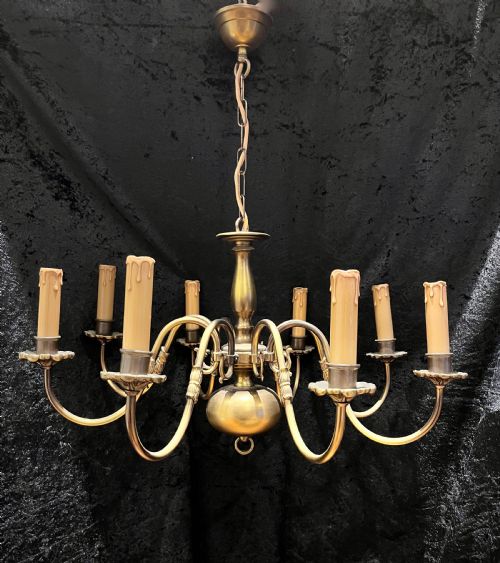
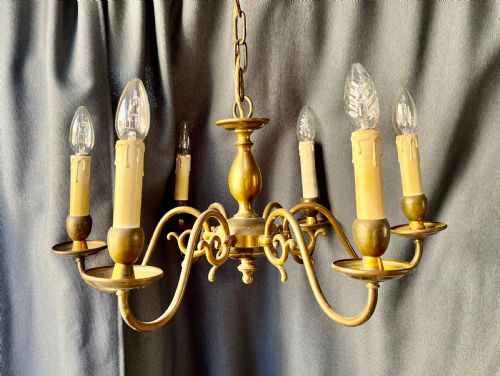
Forms range from compact seventeenth-century style two-tier twelve-branch designs down to smaller six-light and eight-arm pendants. Their primary function remains overhead lighting delivered through multifaceted brass or bronze construction.
Materials and construction methods
Construction relies heavily on cast and turned brass, solid brass, and occasionally bronze or silver-plated brass elements. Makers utilised durable metal alloys to create sturdy multi-tiered frames capable of supporting numerous candle branches without flexing.
Individual components like arms, central stems, and drip pans were cast separately before being assembled into complex multi-light chandeliers. The finished surfaces display the natural warm metallic tones inherent to traditional brass working.
Flemish Brass Pendant Light Retail Price Guide 2026
Typical asking prices for flemish brass pendant light among the pieces listed under this phrase on Sellingantiques today, from the lower quarter to the upper quarter. They describe what is for sale here now, not the wider market.
Some models feature up to twelve branches, ensuring your ceiling gets thoroughly medieval.
Assessing quality and craftsmanship
Quality in these fixtures rests upon the crispness of the casting and the proportional harmony of the branches extending from the central column. Heavier gauges of brass and more intricate detailing on the arms distinguish superior examples from simpler production.
The complexity of the tier structure also marks the difference between standard domestic pieces and grander multi-branch interpretations. Original surface patination accumulated over the centuries adds depth that distinguishes well-preserved items.
The Flemish Brass Pendant Light Glossary
- Brass
- An alloy of copper and zinc known for its bright golden appearance and durability. It forms the primary structural and visual material for nearly all pieces listed here.
- Chandelier
- A branched ornamental light fixture designed to be suspended from a ceiling. These objects utilise multiple arms to hold numerous light sources.
- Dutch Baroque
- A seventeenth-century artistic style characterised by ornate decoration, dramatic forms, and rich detail. Many later pendant lights consciously revive this aesthetic.
- Silver Plate
- A thin layer of silver applied to the surface of a base metal object such as brass. This finish offers the appearance of solid silver while maintaining underlying metal strength.
Flemish Brass Pendant Light: Frequently Asked Questions
How do I hang a heavy brass chandelier safely?
These metal fixtures possess considerable weight, particularly multi-tier and twelve-branch models from the eighteenth and nineteenth centuries. Installation requires securing the ceiling mount directly into structural timber rather than relying solely on plasterboard.
Employing a professional electrician ensures the weight is distributed properly via an appropriate chain and hook system. Adequate ceiling height is also essential to clear head height given the substantial drop of these multi-arm designs.
What periods do these pendant lights come from?
The selection spans from eighteenth-century originals through the nineteenth century and into the Edwardian era. You will also encounter early twentieth-century pieces dating from nineteen-ten, nineteen-twenty, and nineteen-thirty.
Many twentieth-century examples are revival pieces that emulate earlier Dutch baroque and Flemish renaissance styles. Examining the casting techniques and wear patterns helps differentiate eighteenth-century originals from later revivals.
How should I clean antique brass without damage?
Maintaining these metal surfaces involves gentle dusting with a soft, dry cloth to prevent the buildup of grime. Avoid harsh chemical cleaners or abrasive polishes that strip away the historical patination accumulated over generations.
Preserving the natural aged finish protects the character of the piece and maintains its visual integrity. If deeper cleaning is necessary, consult a specialist in metal conservation.
Can these antique lights be used with modern wiring?
Most antique fixtures are adapted to accept modern electrical standards while retaining their historical exterior appearance. Rewiring allows these historic candle branches to function safely within a contemporary domestic setting.
An accredited electrician can inspect the internal channels and fit appropriate modern lamp holders. This process ensures compliance with current safety regulations without altering the outward historic presentation.