




Victorian Brass Knocker
A victorian brass knocker brings heavy character to a front entrance, offering a tactile piece of architectural history for daily use.
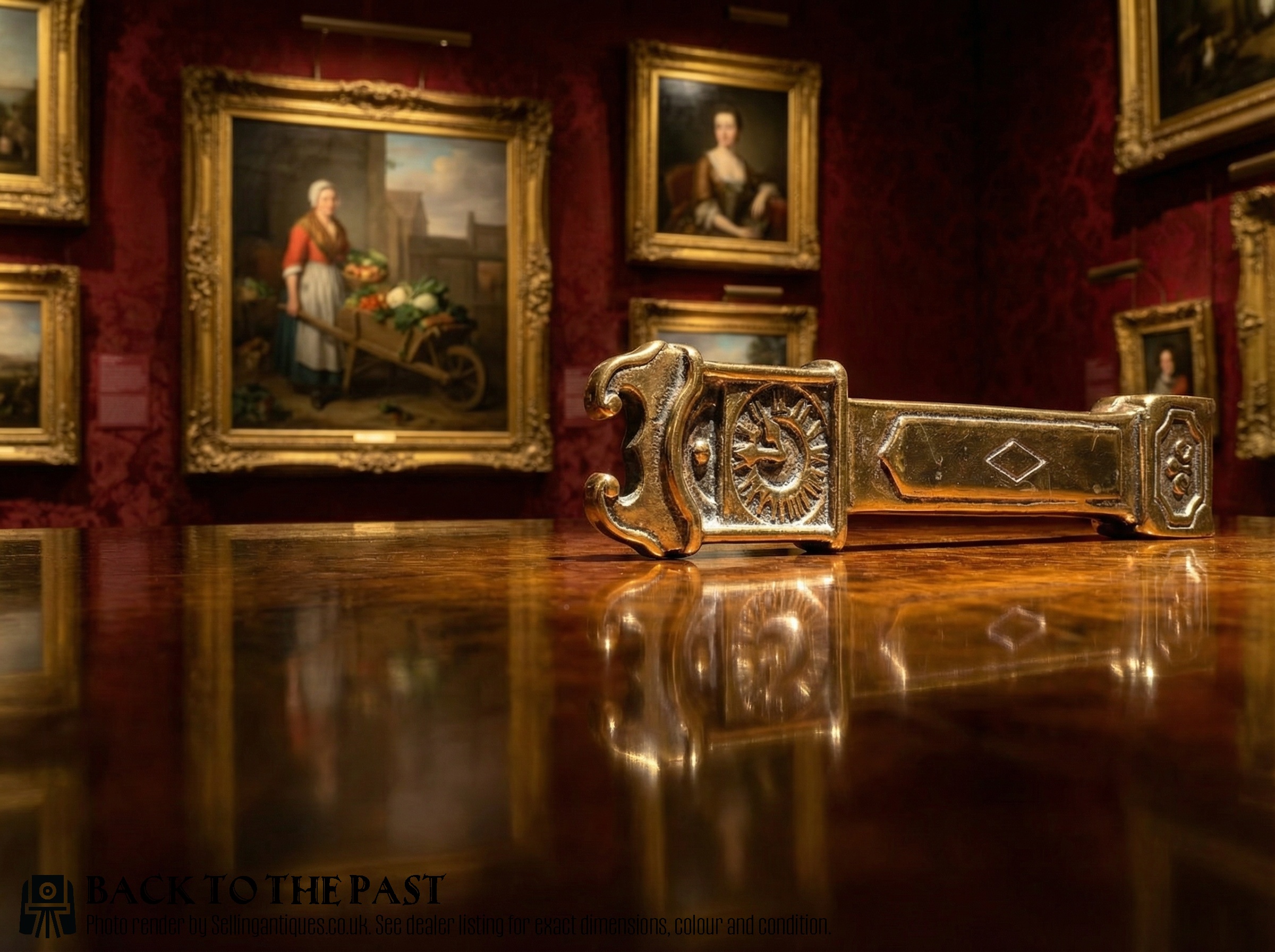
Victorian Brass Knocker
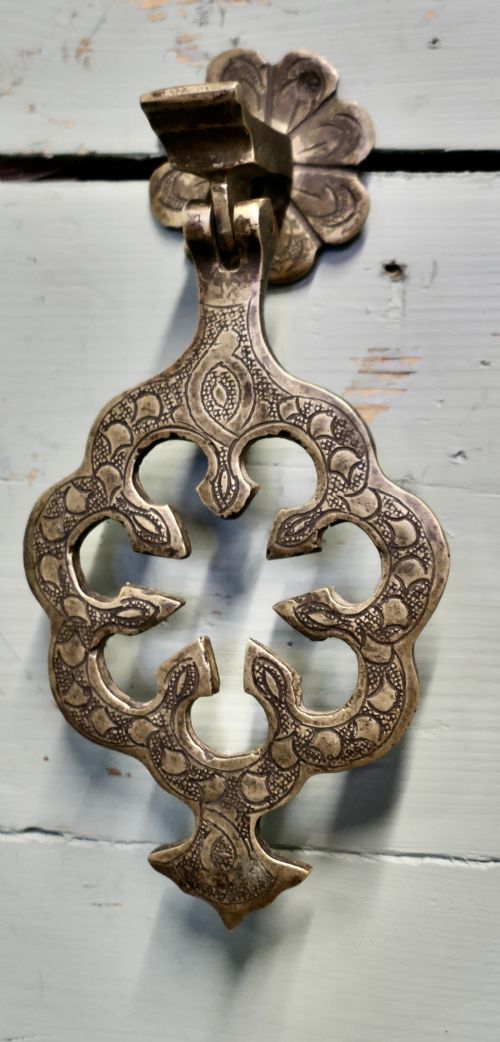
A victorian brass knocker is architectural hardware designed to mount directly onto an exterior timber door. These fixtures date primarily from the nineteenth century and encompass utilitarian door hardware alongside decorative architectural fittings.
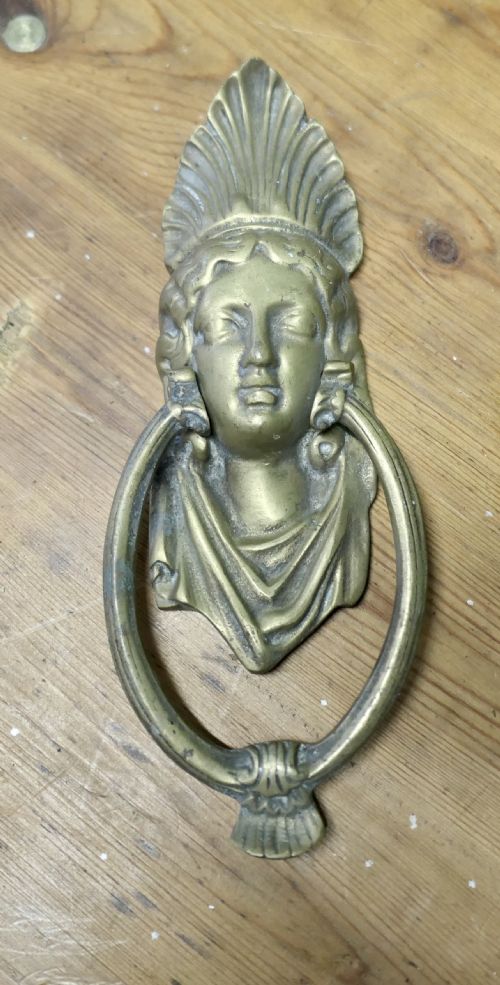
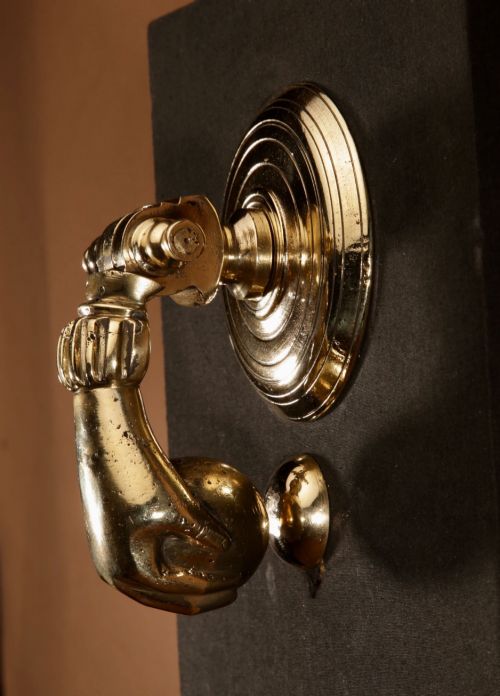
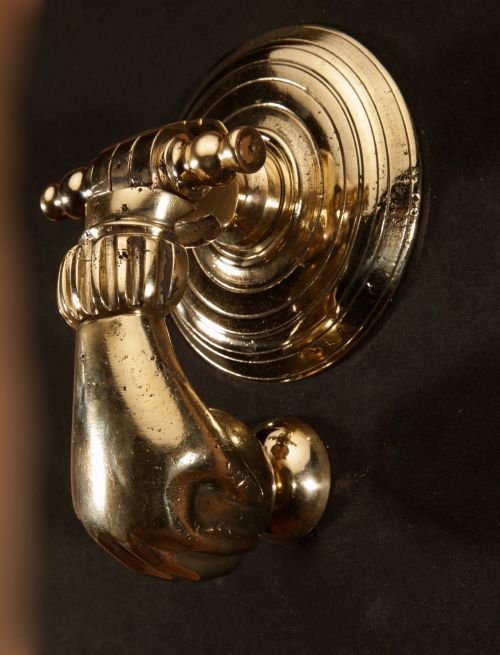
The most common examples on this page take the form of traditional lion masks, architectural urns, and maritime motifs such as dolphins and anchors. Novelty forms depicting hands, elves, imps, and mythical sea dragons also appear regularly.
Makers produced these pieces for domestic residences, public buildings, and marine vessels. Many designs incorporate integrated letterboxes or striking plates alongside the hinged drop knocker.
How they were made
Foundries manufactured these knockers predominantly using cast brass, solid brass, and bronze. Molten metal poured into sand moulds created the substantial weight and deep relief characteristic of the period.
Listings feature periods spanning the Victorian era, the wider nineteenth century, and early twentieth century revivals up to the nineteen forties.
What varies in quality
The choice of material alters the character of the object, with heavy solid brass and polished bronze yielding a more resonant strike and a richer surface patina than lighter cast metals.
The Victorian Brass Knocker Glossary
- Striking plate
- A reinforced metal pad mounted to the door face beneath the hammer to protect the timber from repeated impacts. It matches the finish of the knocker.
- Doctors knocker
- A drop bar type featuring a pivot at the top and a striking knob mounted lower on the backplate, historically used to allow silent or muffled signaling.
- Caryatid
- A sculpted female figure serving as an architectural support or decorative element on the backplate of the hardware.
- Gothic
- A decorative style incorporating pointed arches, tracery, and medieval motifs popular during the nineteenth century revival periods.
- Maltese dolphin
- A traditional marine motif cast in heavy metal, frequently utilised on coastal doors throughout the era.
Victorian Brass Knocker: Frequently Asked Questions
How do I clean a brass knocker?
Maintenance depends entirely on the finish you prefer to keep on the metal surface. Many owners leave the natural dark patina undisturbed to preserve its age.
Applying a mild metal polish with a soft cloth removes active tarnish if a bright brass appearance is desired. Avoid harsh abrasives that wear down fine cast details.
Are these knockers suitable for exterior doors?
These fixtures were cast for heavy everyday exterior use on nineteenth century properties. Solid brass and bronze withstand weathering outdoors reliably.
Ensure the mounting screws match the weight of the casting to support the hardware securely against wind and repeated impacts.
What is a doctors knocker?
A doctors knocker operates with a hinged vertical drop bar rather than a traditional pivoting ring. This design allowed medical professionals to be summoned without startling patients with a loud knock.
The lower knob strikes a matching plate mounted directly to the door below.
How do I date a brass door knocker?
Dating relies on stylistic clues, casting methods, and material weights seen across nineteenth century and later examples. Neoclassical and Gothic revival forms indicate specific design eras.
Heavier cast bronze and solid brass construction typically points to earlier production periods, while standardised fixings suggest later manufacturing.