



Victorian Brass Framed Mirror
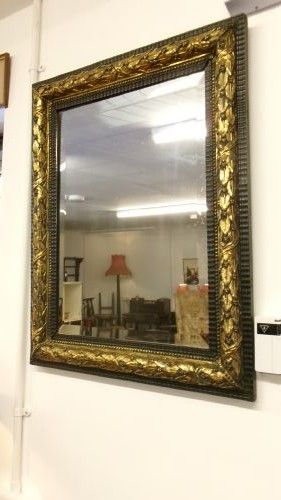
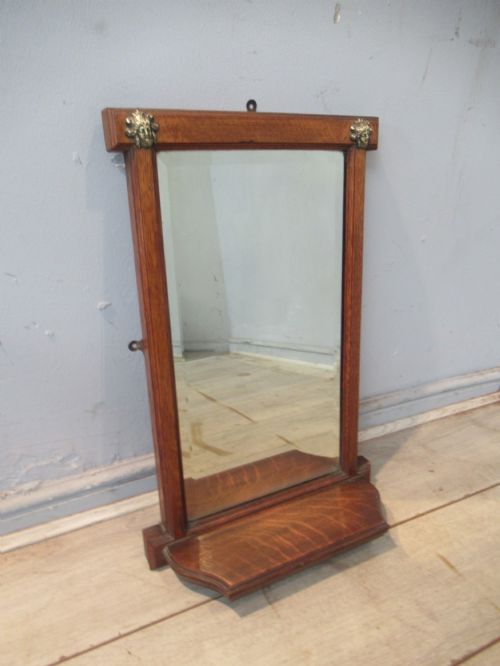
A victorian brass framed mirror brings warmth and reflective depth to a room, combining heavy cast or embossed metal with period glass.
Victorian Brass Framed Mirror
A victorian brass framed mirror encompasses a range of reflective items produced during the nineteenth century and associated eras. Wall mirrors and table mirrors dominate the selection, often taking rectangular, oval, or cushion-framed shapes.
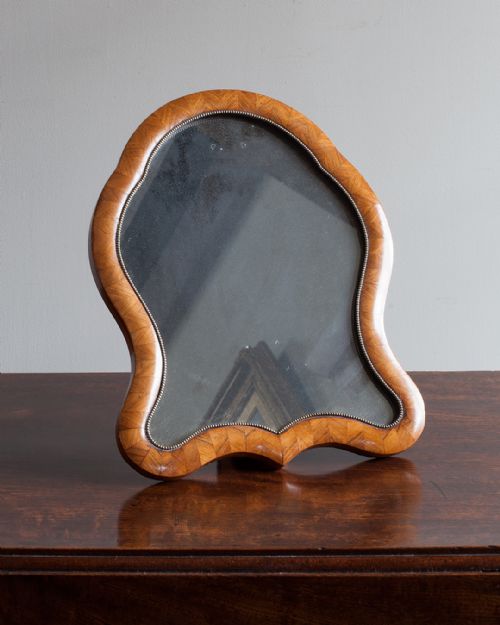
The materials span brass, cast brass, and mirror glass, frequently mounted on timber structures including kingwood, oak, walnut, and ebonised wood. Continental influences also appear, visible in French Rococo Revival and Dutch Revival styles.
Examples on this page date predominantly from the Victorian period, alongside adjacent nineteenth-century years and Edwardian interpretations. Buyers encounter compact table versions as well as substantial wall-hanging plates.
How they were made
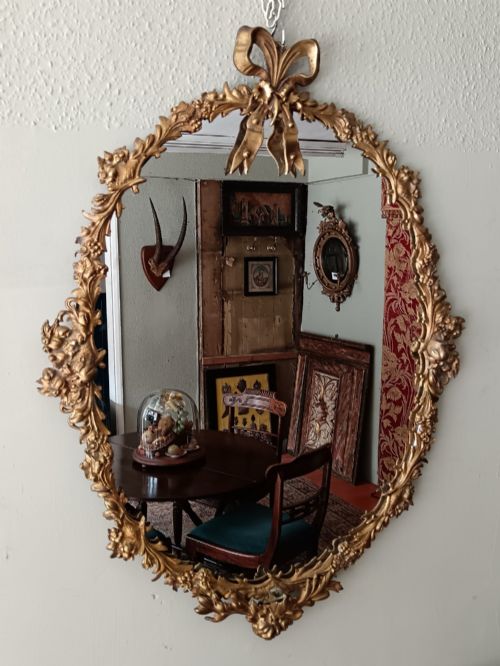
Makers utilised cast and embossed brass to form decorative frames, employing techniques that allowed for intricate relief work such as mask crests and cherub motifs. Metal components were joined or mounted onto wooden backings made from oak, walnut, and exotic timbers like kingwood.
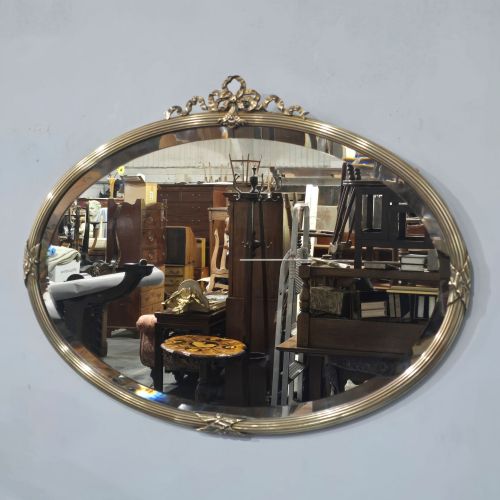
Plates of mirror glass were set within these frames, often featuring bevelled edges that catch the light. Patinated finishes on the metal and hand-embossed details demonstrate the manual labour involved in their construction.
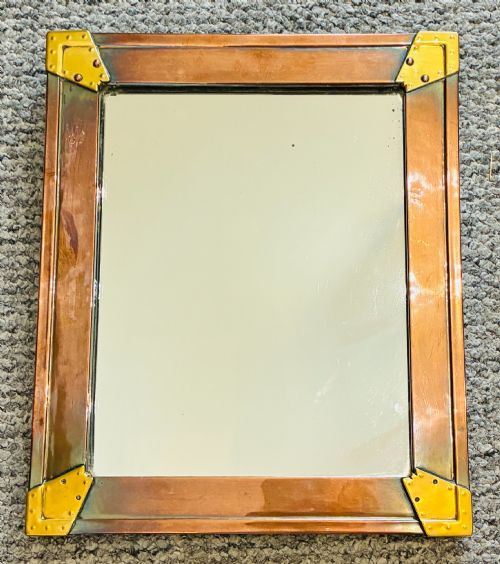
Listings demonstrate materials including brass, kingwood, walnut, ebonised wood, and copper across Victorian and Edwardian periods.
What varies in quality
The definition and depth of the brass casting separate standard items from superior examples, with crisp relief work on motifs indicating higher skill. The choice of backing timber and the retention of the original mirror plate also influence the character of the piece.
Proportion and weight contribute to desirability, particularly in cushion frames and cast wall mirrors where substantial metalwork commands attention. The integration between the brass frame and the wooden structure shows the care taken by the original maker.
The Victorian Brass Framed Mirror Glossary
- Cushion mirror
- A mirror featuring a convex, padded-looking frame profile that projects forward from the wall. This puffed shape catches light across multiple angles.
- Overmantel mirror
- A large horizontal mirror designed to sit above a fireplace mantelpiece. These pieces often incorporate architectural detailing or brass accents.
- Bevel edge
- An angled edge ground along the perimeter of the mirror glass. It creates a prismatic light effect around the border.
- Kingwood
- A dense, richly grained tropical timber used for luxury cabinetwork and mirror frames. It provides a dark, contrasting background to brass mounts.
- Embossing
- A stamping or hammering technique used to raise designs in sheet metal. This creates decorative patterns on the brass frame without casting.
Victorian Brass Framed Mirror: Frequently Asked Questions
How do I hang a heavy brass mirror?
Heavy wall mirrors require secure fixings into wall studs or appropriate masonry anchors to support the combined weight of the brass frame and glass plate. Checking the integrity of the original hanging loops on the back ensures safety.
Positioning the mirror at eye level maximises its reflective capacity and balances the proportions of the surrounding wall space.
Are the mirror plates original?
Many surviving pieces retain their original glass, which often exhibits subtle foxing or age spots that confirm period authenticity. Examining the thickness and silvering backing helps determine if the plate dates from the nineteenth century.
Replacement glass appears in some listings where the original plate suffered damage over time.
How do I clean an antique brass frame?
Dusting the frame gently with a dry, soft cloth preserves the historic patina accumulated on the metal surface. Harsh commercial metal polishes should be avoided as they remove the aged character.
Applying a microcrystalline wax can protect the brass from further oxidation without altering its appearance.
What is a cushion framed mirror?
A cushion frame curves outward towards the outer edge, creating a pillowed profile that reflects light from multiple facets. This style gained popularity during the Victorian era.
The inflated form gives the mirror a sculptural quality on the wall.