


Victorian Brass Easel
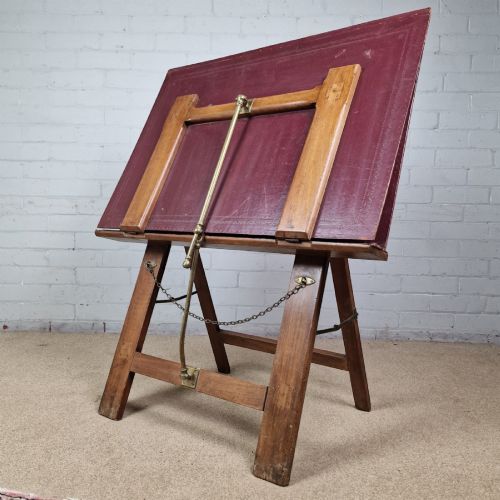
A victorian brass easel holds a portrait or a volume with structural clarity, turning small domestic objects into tabletop monuments.
Victorian Brass Easel
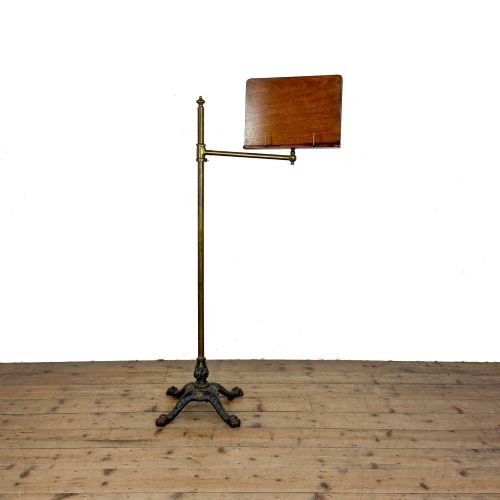
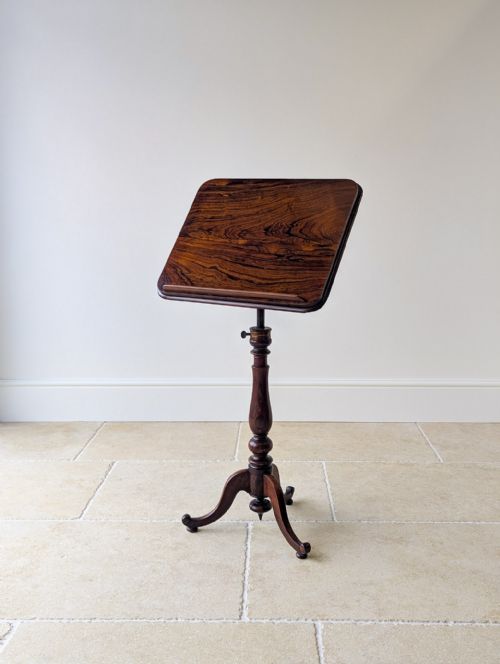
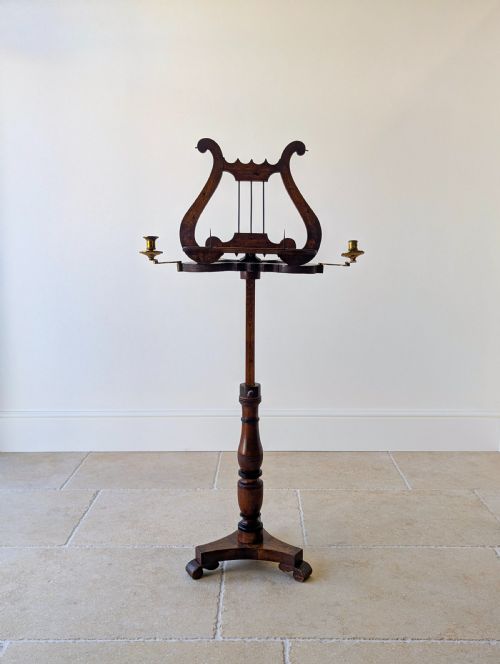
A victorian brass easel combines display stands and picture frames built to support photographs, books, and small panels upon tables and desks. These pieces appear across the nineteenth century in various forms, from simple adjustable frames to ornate reading stands.
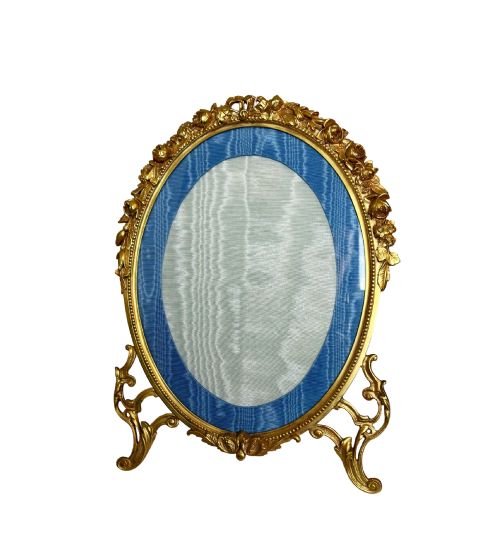
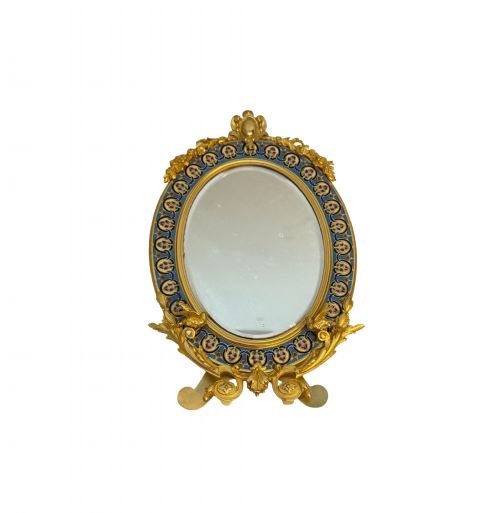
The inventory on this page shows variations including double photo frames, strut clocks, and book stands framed in brass, gilt bronze, and ormolu. Buyers seeking a victorian brass easel will encounter tabletop supports styled after French rococo revival, neoclassical, and plain Victorian aesthetics.
Materials and construction
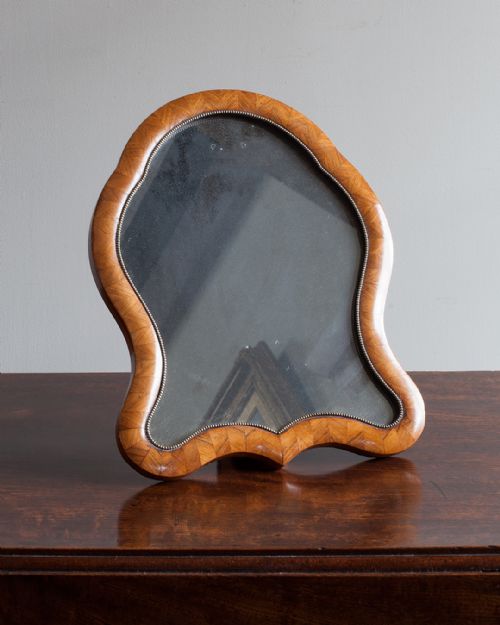
The primary material is brass, frequently cast or stamped, alongside gilt bronze and ormolu for heavier decorative finishes. Frames and stands often integrate secondary materials such as mahogany, rosewood, glass, enamel, and paste stones to enhance the visual weight of the object.
Makers utilised hinge mechanisms, adjustable struts, and heavy backing plates to ensure that items remained stable when supporting books or heavy glazed frames. Piercing, chasing, and moulding techniques created the detailed surface ornamentation typical of the period.
Some nineteenth-century reading stands were designed for bedside use by people who liked to study sermons before sleeping.
Judging quality and execution
The distinction between ordinary and superior pieces rests upon the crispness of the cast ornamentation and the solidity of the mechanical joints. Better examples display deep chasing in the metal and robust hinges that hold an angle without slipping under weight.
Finishes also separate standard production from finer pieces, where hand-applied gilding, inset enamel panels, or mounted agate stones show careful craftsmanship. The weight of the metal and the integrity of the rear strut indicate the original tier of manufacture.
Howell And James London·Berlin KPM
The Victorian Brass Easel Glossary
- Ormolu
- Gilded bronze, usually mercury-gilded, applied to decorative hardware and picture frames. It gives a warm metallic lustre that distinguishes finer nineteenth-century work from plain lacquered brass.
- Champleve
- An enamelling technique where troughs are dug into a metal surface and filled with vitreous enamel before firing. It frequently appears on French table mirrors and clocks from the late nineteenth century.
- Strut clock
- A timepiece supported by a hinged rear leg, allowing it to stand upright on a desk or table. These often share the decorative easel format seen in picture frames.
- Folio stand
- A hinged stand designed to hold large books, prints, or folios open for viewing. They use wooden or metal frameworks to support heavy volumes.
- Paste stone
- Faceted glass or crystal cut to imitate precious gemstones and set into metal frames. It adds colour and sparkle to decorative photograph frames and easel mounts.
Victorian Brass Easel: Frequently Asked Questions
Can these stands hold heavy books?
Sturdier reading stands and book easels from the nineteenth century are engineered to support heavy volumes or folios. The base ledge and rear support take the primary load.
Lighter photograph easels and small table mirrors are built strictly for thin panels and glass frames. Check the depth of the bottom ledge before placing a thick book on display.
How should I clean antique brass?
Dust the metal gently with a dry microfibre cloth to remove surface particles. Avoid harsh chemical polishes that strip the historic patina and wear away thin gilt surfaces.
If cleaning is necessary, use warm soapy water on a damp cloth, drying the piece immediately to prevent water marks on the metal or surrounding wood.
Are glass panels original?
Many frames retain their original bevelled or flat glass panes, identifiable by minor surface bubbles and small imperfections. Replacement glass is common in pieces that saw heavy domestic use.
Inspect the edges of the glass and the mounting clips to see if the pane fits snugly within the cast brass rebate without modern sealants.