


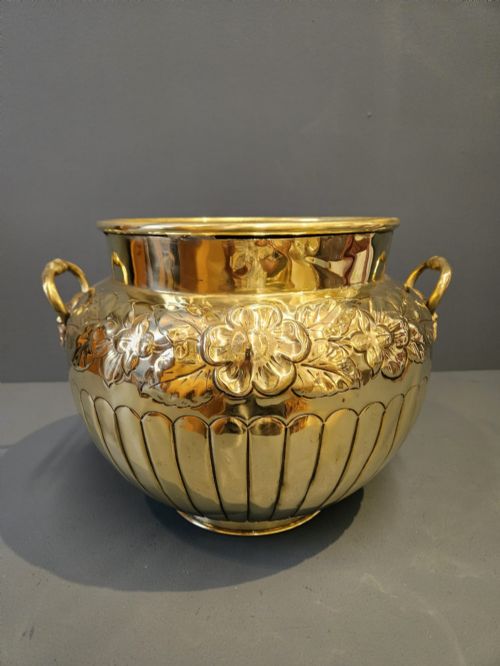



Victorian Brass Cachepot
These nineteenth-century metal vessels house indoor greenery, bringing nineteenth-century plant displays into rooms with robust character.
Victorian Brass Cachepot
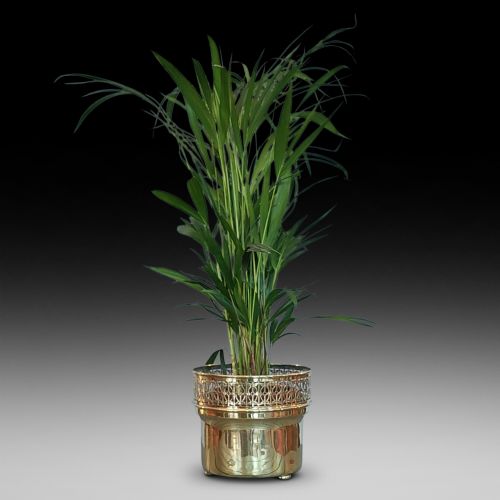
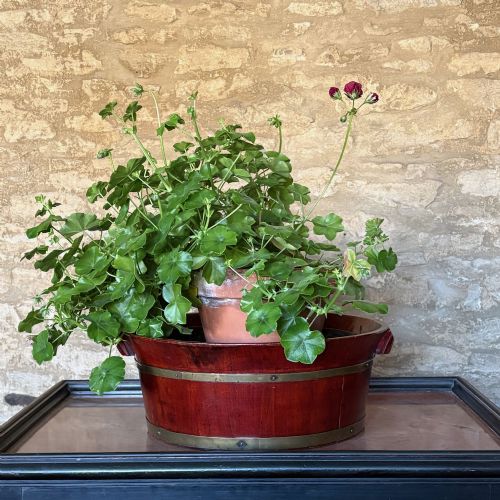
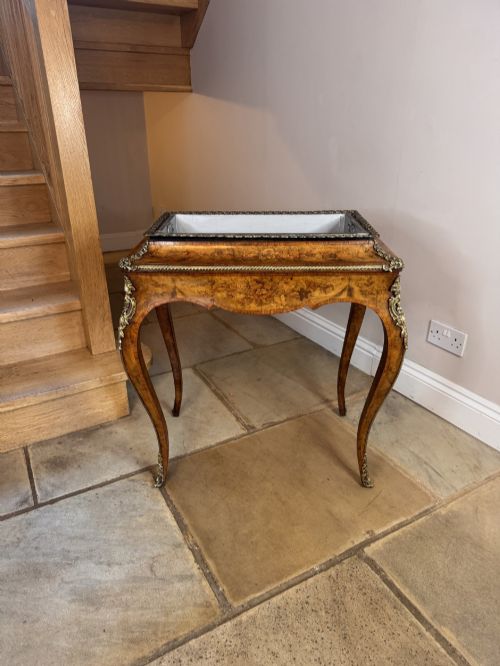
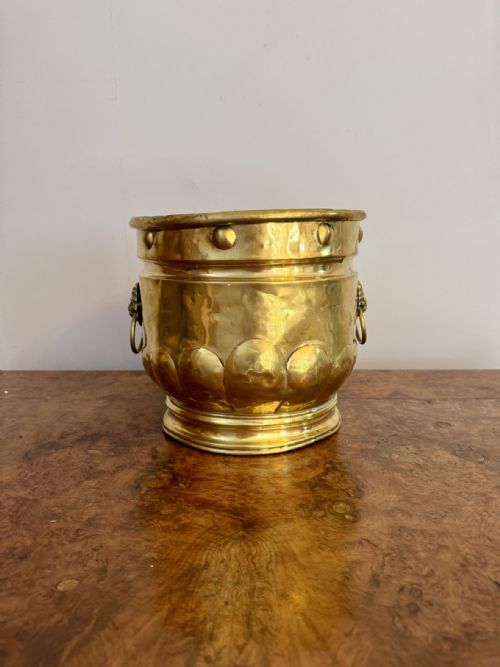
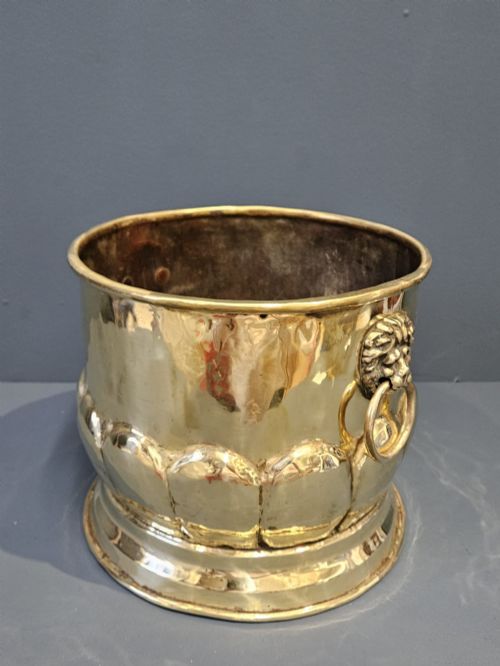
A victorian brass cachepot serves to hold potted plants indoors, concealing standard earthenware flowerpots within decorative metal housings. Collectors often encounter these pieces under related forms such as jardinieres, planters, plant stands, and coal buckets.
The materials span brass, copper, bronze, iron, tin, mahogany, and marble. Metal vessels dominate the selection, frequently paired with handles, crests, or shields.
Originating across the nineteenth century, including specific dates from eighteen fifty to nineteen hundred, these items reflect diverse stylistic influences. Pieces range from Gothic Revival and Anglo-Indian designs to Louis XVI Revival, Japanese Meiji period works, Arts and Crafts creations, and Edwardian examples.
How they were made
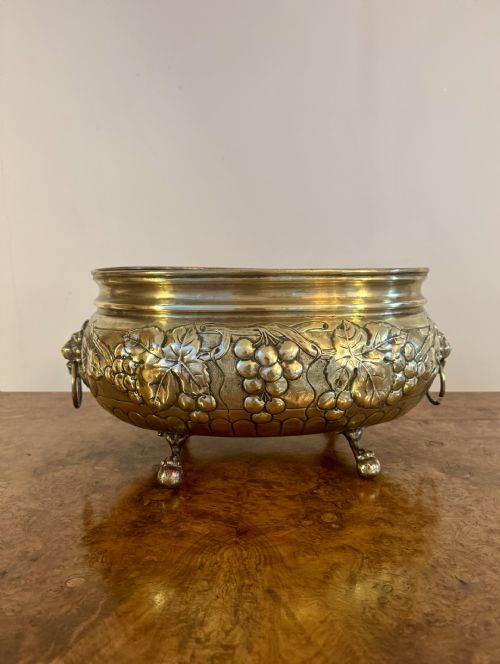
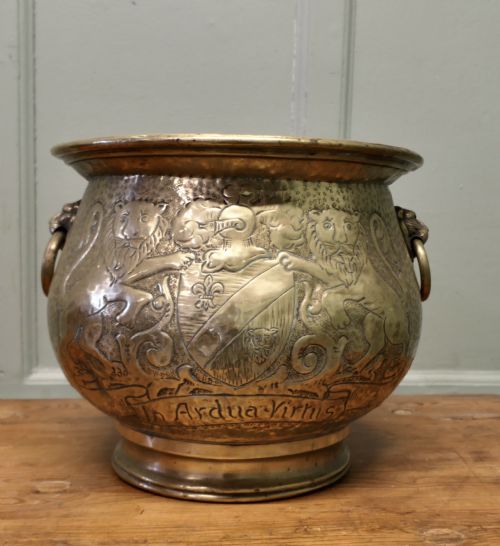
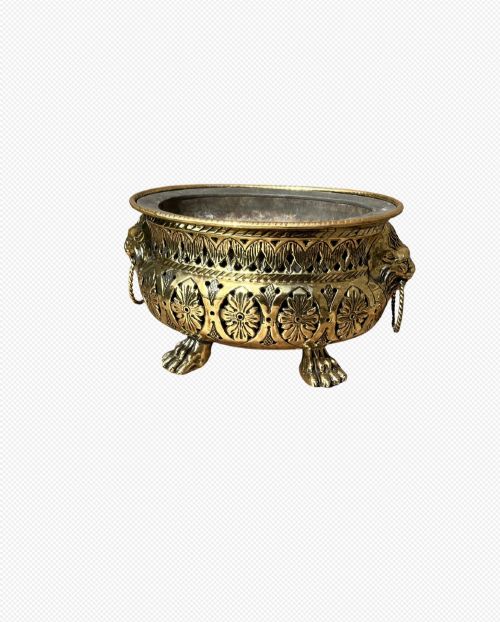
Makers utilised sheet brass, copper, and bronze, shaping the metal through beating, spinning, and joining techniques. Many surfaces display hand-engraving, repoussé work, or pierced patterns.
Some forms incorporate additional elements like animal heads, lions mask handles, and shields. Structural support occasionally involved iron or wood components such as mahogany and marble.
Victorian Brass Cachepot Retail Price Guide 2026
Typical asking prices for victorian brass cachepot among the pieces listed under this phrase on Sellingantiques today, from the lower quarter to the upper quarter. They describe what is for sale here now, not the wider market.
Styles represented include Gothic Revival, Anglo-Indian, Louis XVI Revival, Meiji period, Arts and Crafts, and Edwardian.
What varies in quality
The thickness of the metal and the weight of the vessel indicate the solidity of construction. Thicker brass and copper retain structural integrity better over time.
The definition and depth of hand-engraving, repoussé detailing, and applied elements like lions mask handles or crests distinguish standard production from superior work. Pierced metalwork requires precision to maintain clean geometric or floral apertures.
The Victorian Brass Cachepot Glossary
- Cachepot
- A decorative pot used to conceal an ordinary flowerpot. The word derives from the French for hiding a pot.
- Jardiniere
- A large ornamental pot or stand for holding plants or flowers. These items sit on floors, tables, or plant stands.
- Repoussé
- A metalworking technique where the metal is hammered from the reverse side to form a raised design in relief. This creates tactile surface decoration on brass and copper vessels.
- Pierced brass
- Metalwork perforated with decorative cut-out patterns. This technique lightens the visual weight of the container while creating intricate designs.
Victorian Brass Cachepot: Frequently Asked Questions
How were cachepots used in nineteenth-century homes?
Households placed these metal vessels inside parlours and reception rooms to hold potted ferns and flowering plants. They protected indoor surfaces from water while adding decorative metallic shine to domestic interiors.
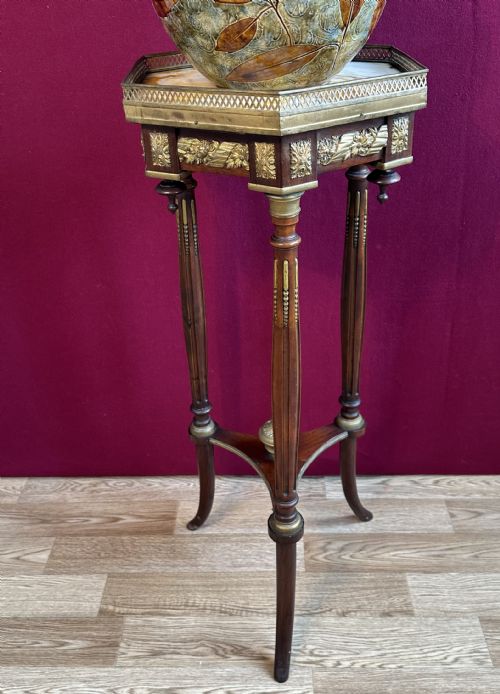
Larger versions stood directly on the floor or on dedicated plant stands, whereas smaller examples occupied tabletops and mantelpieces.
Can these containers hold water directly?
Most antique metal vessels feature seams and pierced designs that allow moisture to escape. Using an inner plastic or ceramic pot protects the antique metal from corrosion.
Placing a saucer inside the base catches excess drainage water from regular watering.
How do I care for antique brass and copper?
Dusting with a dry soft cloth prevents particle buildup on engraved and repoussé surfaces. Aggressive chemical polishing removes historic patina, which many collectors prefer to preserve.
Handling the metal with clean hands minimises oils transferring to the surface.
What styles appear in these metal plant pots?
Designs draw upon Gothic Revival, Anglo-Indian Raj motifs, Japanese Meiji aesthetics, and Arts and Crafts principles. These varied influences reflect the eclectic taste of the nineteenth century.
Specific ornamentation includes lions mask handles, animal heads, crests, and shields.