
Victorian Brass Burner
These victorian brass burner pieces bring domestic warmth and historic light to a room, offering functional metalwork paired with glass shades.
Victorian Brass Burner
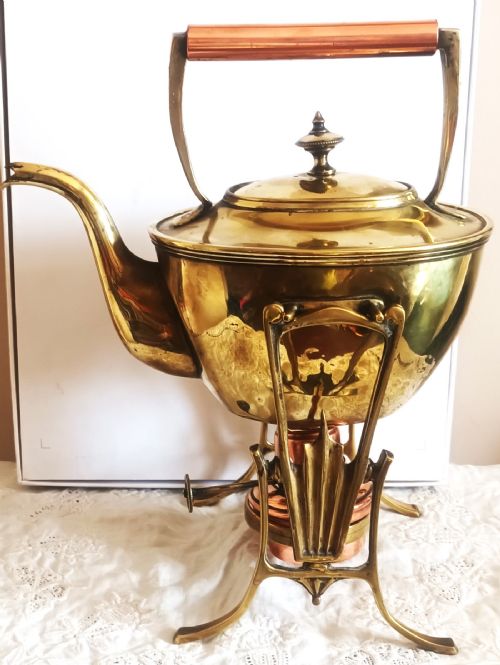
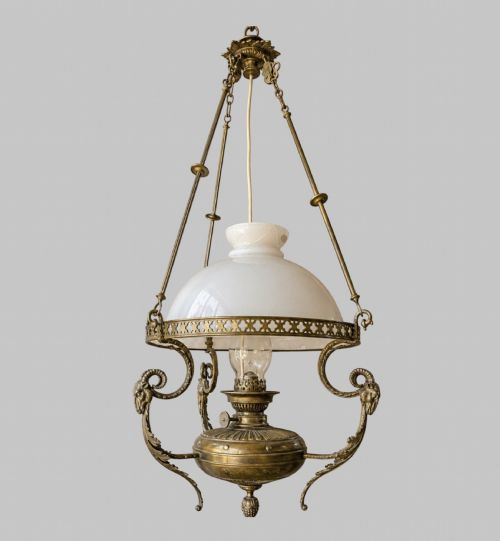
When you search for a victorian brass burner, you encounter domestic lighting and heating equipment produced during the nineteenth and early twentieth centuries. These pieces encompass oil lamps, spirit kettles, standard lamps, and ceiling lights, reflecting the period reliance on paraffin and oil for illumination.
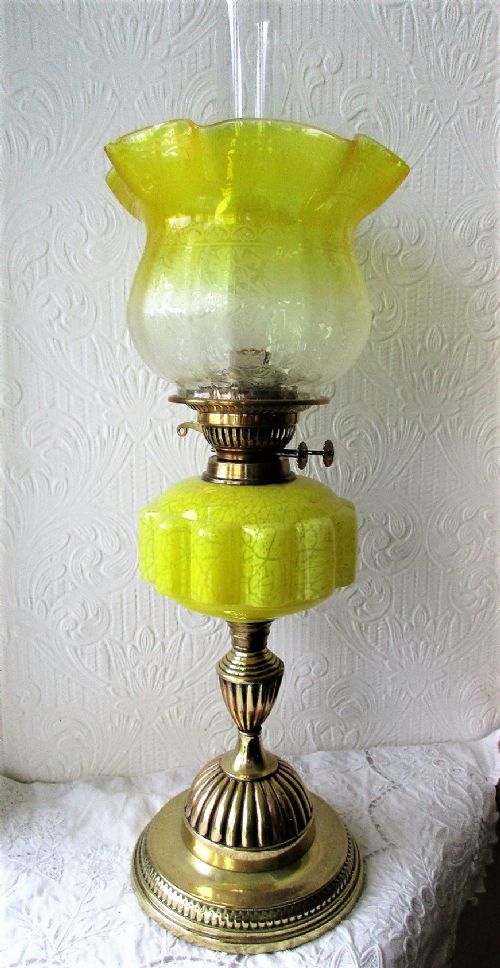
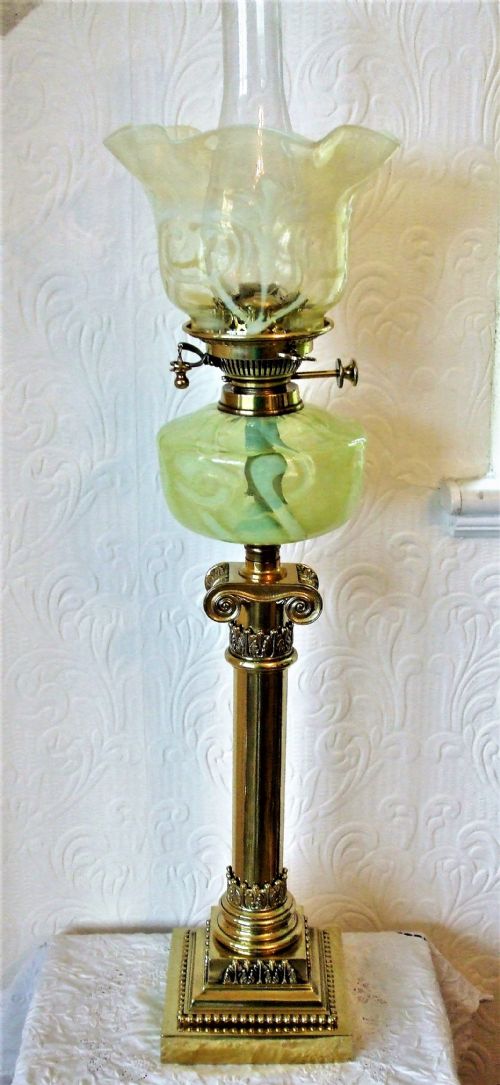
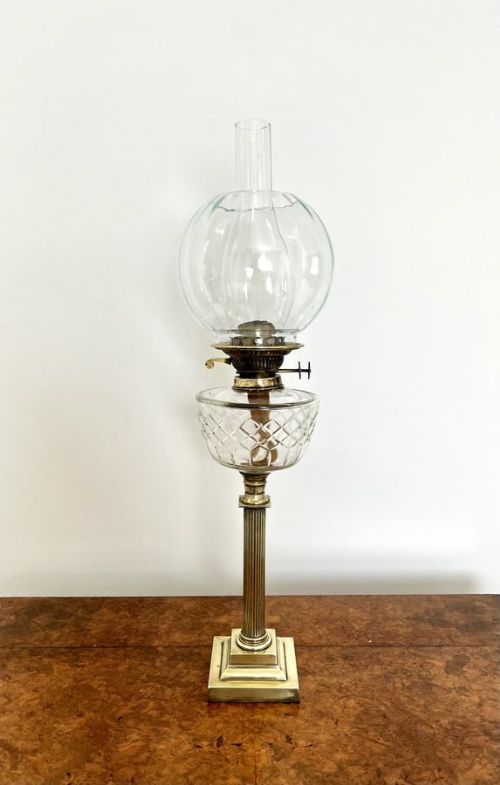
The most common forms on this page are oil lamps featuring metal columns and decorative fonts, alongside kettles fitted with spirit burners. They range from simple table models to tall floor-standing lamps and column designs.
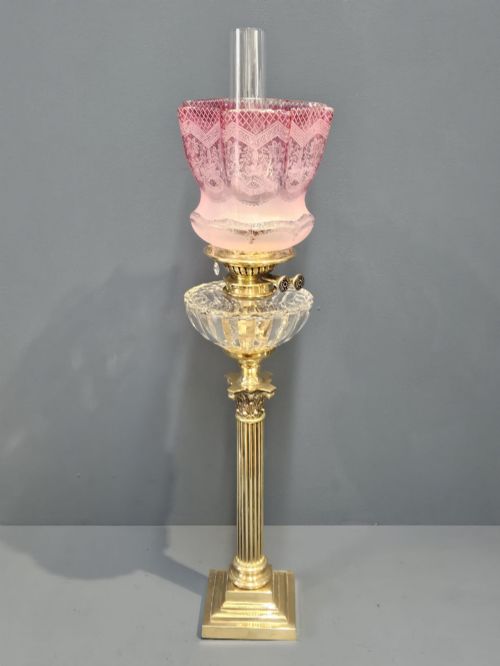
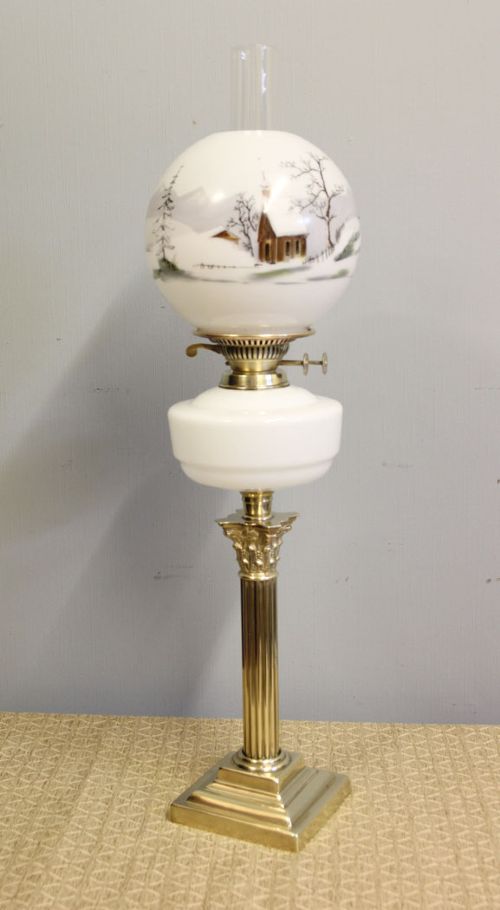
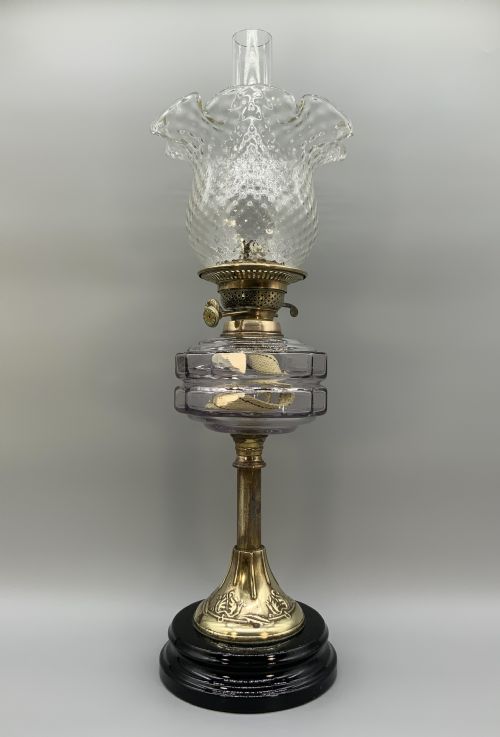
Makers and manufacturers utilised various stylistic movements, incorporating Aesthetic Movement details, Art Nouveau curves, and classical Corinthian columns. These stylistic choices place the items firmly within the Victorian and Edwardian eras.
How They Were Made
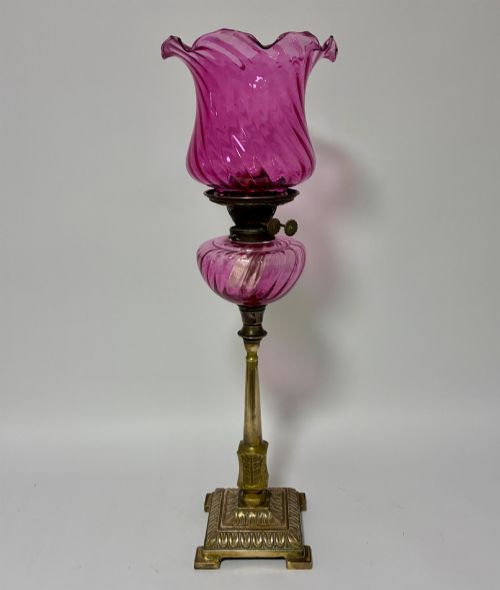
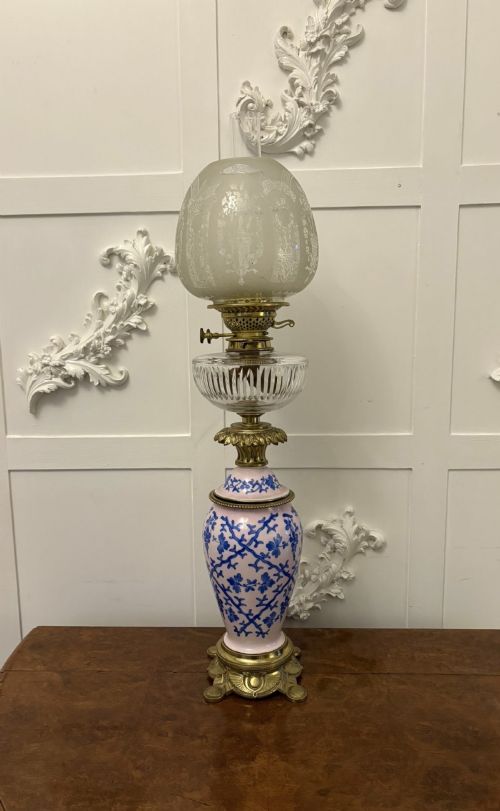
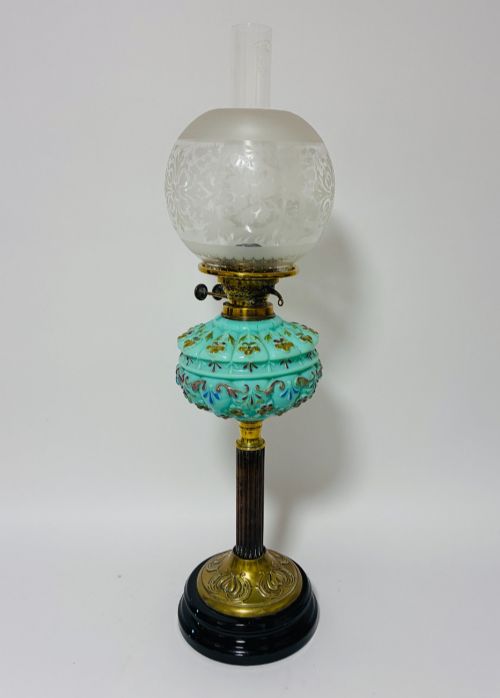
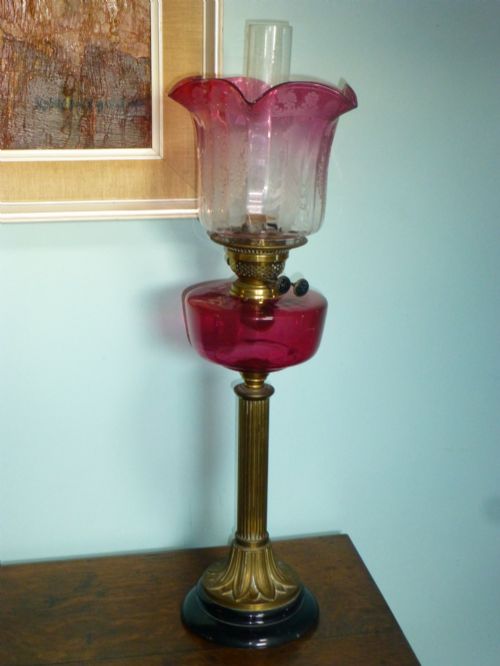
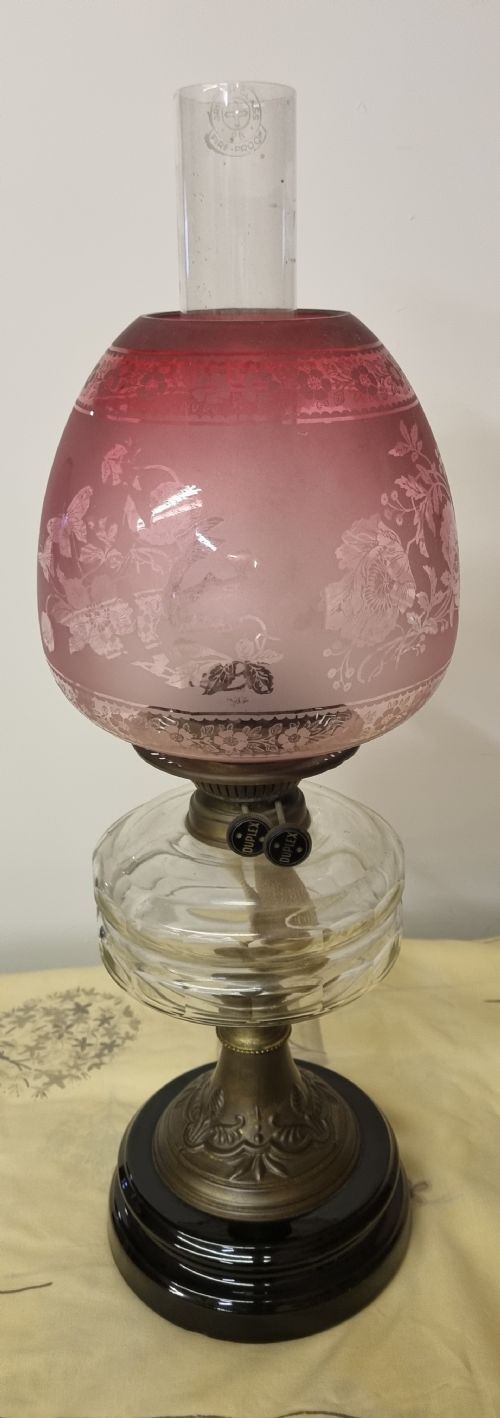
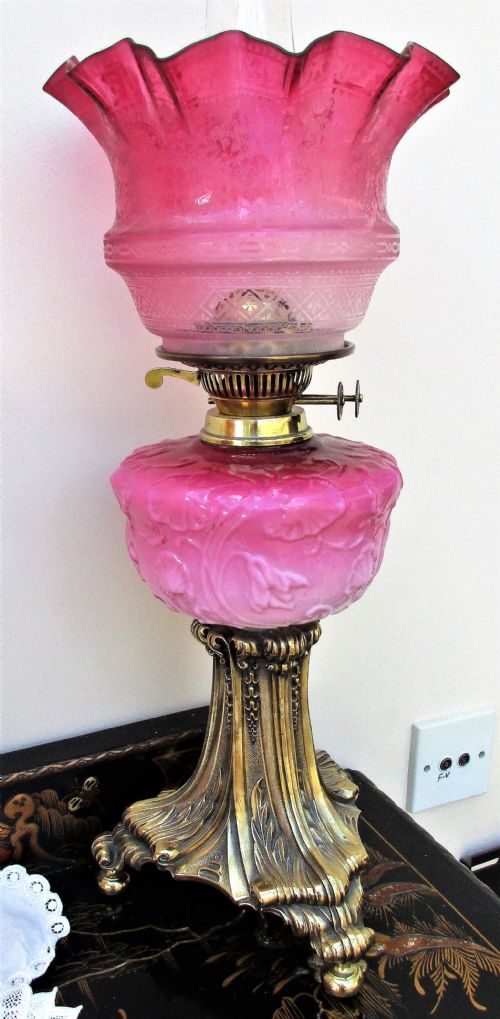
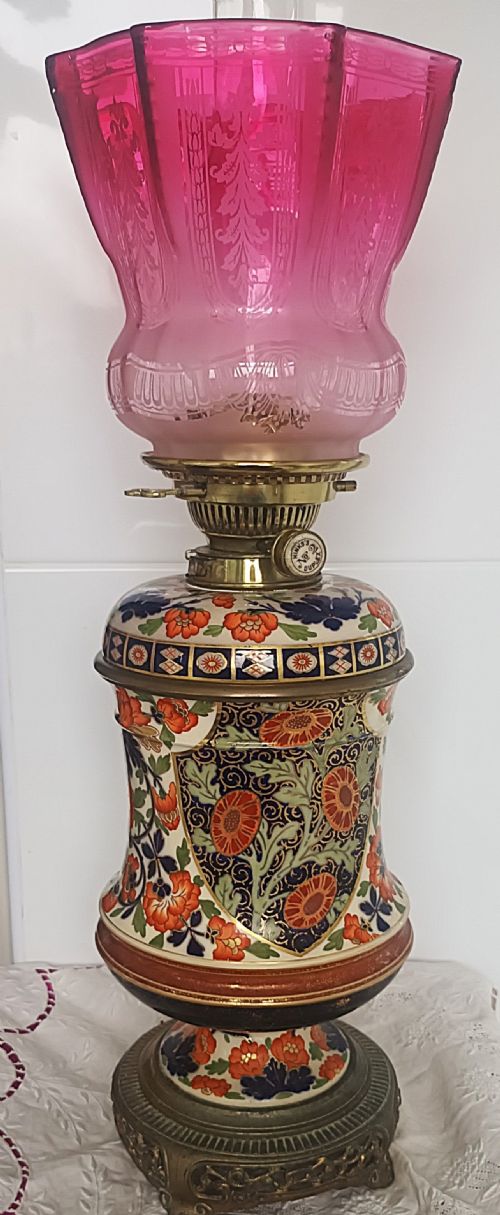
The construction relies heavily on brass, copper, and cast metal components, shaped into columns, fonts, and stands. These metal bases are frequently paired with glass elements, including clear glass, opaline glass, and cranberry glass shades.
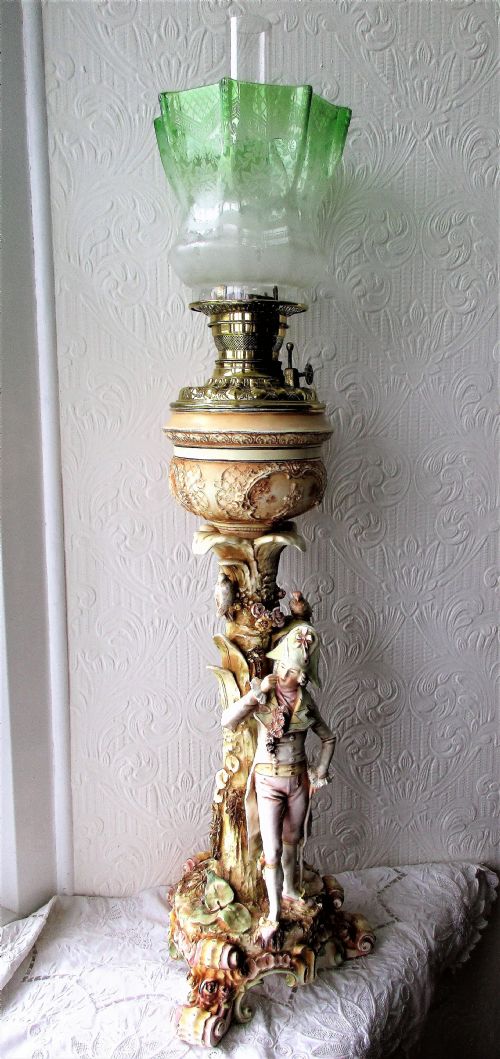
Ceramic and porcelain bodies appear alongside metal parts, decorated with botanical motifs or winter scenes. Hand-blown glass shades and etched tulip designs complete the construction of the lighting apparatus.
Listings span the nineteenth and early twentieth centuries, featuring brass, copper, porcelain, and various coloured glass materials.
What Varies in Quality
Quality rests upon the weight and solidity of the brass or copper casting, alongside the crispness of architectural details on column designs. Finer examples display well-defined Corinthian capitals and substantial metal gauges rather than thin, pressed sheet construction.
The integration of materials also dictates distinction, particularly where hand-blown cranberry or etched glass shades match the proportions of the base. Signed mechanisms and established burner makers add significant interest to an item.
William Soutter & Sons·Hinks·Taylor Tunnicliff·Wild And Wessel
The Victorian Brass Burner Glossary
- Duplex burner
- A double-wick burner system designed to produce a brighter flame than single-wick variants. This mechanism appears frequently on larger nineteenth-century table lamps.
- Corinthian column
- An architectural column style featuring ornate acanthus leaf capitals, frequently adopted for the stems of tall oil lamps. It reflects classical revival tastes in Victorian interior design.
- Font
- The reservoir container that holds the paraffin or oil beneath the burner assembly. Fonts are often cast in coloured glass, ceramic, or matching brass.
- Spirit kettle
- A water kettle mounted on a stand above a small spirit burner, used for heating water at the tea table. These incorporate brass and copper construction.
- Opaline glass
- An opaque, milky-white glass popular for lamp shades during the Victorian and Edwardian periods. It diffuses light softly across a room.
Victorian Brass Burner: Frequently Asked Questions
How do I operate a Victorian oil lamp?
Operating these lamps involves filling the reservoir with suitable lamp oil and allowing the wick to saturate fully before lighting. The flame height is regulated using the side thumbwheel.
Care must be taken to trim the wick evenly to prevent smoke and soot accumulation on the glass shade during use.
Are these burners safe to use today?
Most buyers treat these pieces as decorative items or convert them for modern electrical use rather than burning paraffin. Using historical oil lamps requires careful inspection of seals and components.
If retained for traditional use, they demand careful handling and placement away from draughts and flammable materials.
How do I identify the period of a brass lamp?
Dating relies on stylistic clues, such as the presence of Aesthetic Movement motifs, classical Corinthian columns, or flowing Art Nouveau lines. Maker names stamped on the burner knobs provide a reliable guide.
Materials also offer hints, as cranberry glass and heavy brass casting point towards the Victorian era, while lighter opaline shades often lean towards the Edwardian period.
What is the difference between a table lamp and a standard lamp?
Table lamps are proportioned for placement on furniture surfaces, possessing shorter columns and moderate font sizes. Standard lamps are tall floor-standing models designed to illuminate a room from floor level.
Both types utilise similar brass burner mechanisms and glass shade configurations despite their difference in scale.