



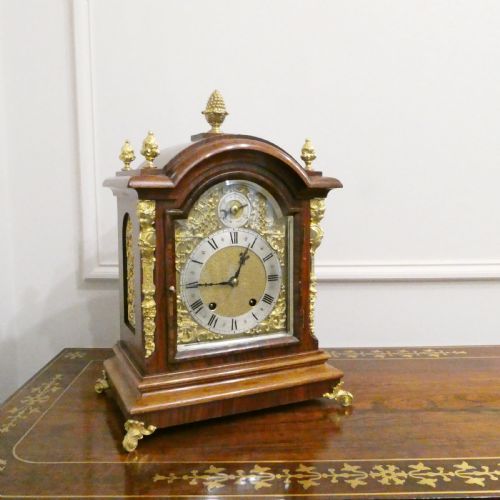
Victorian Brass Bracket Clock
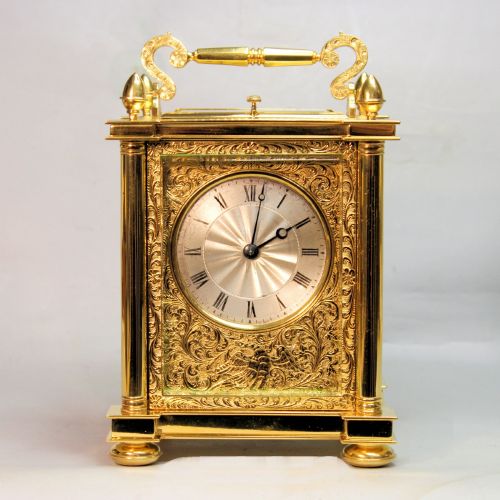
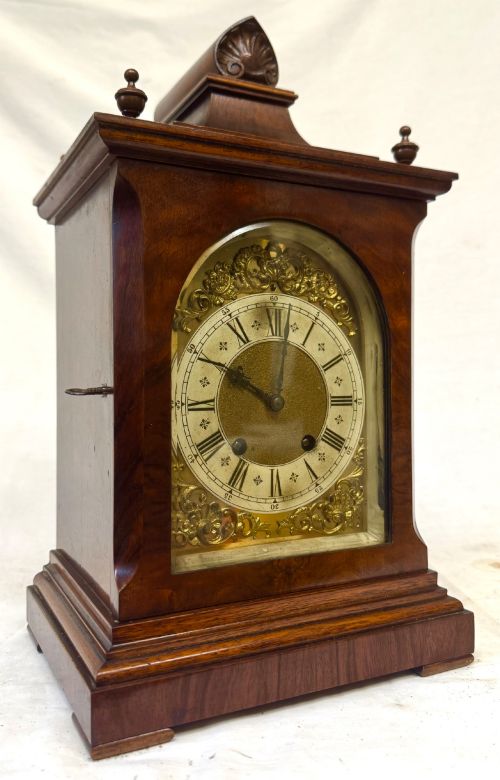
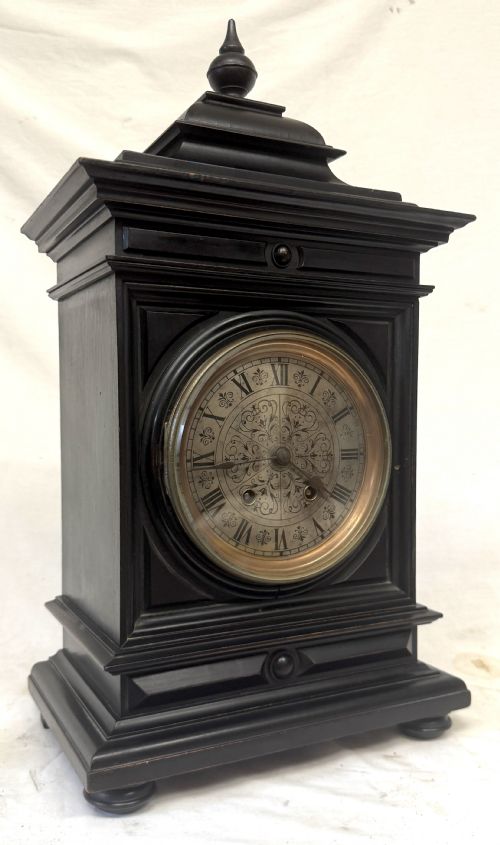
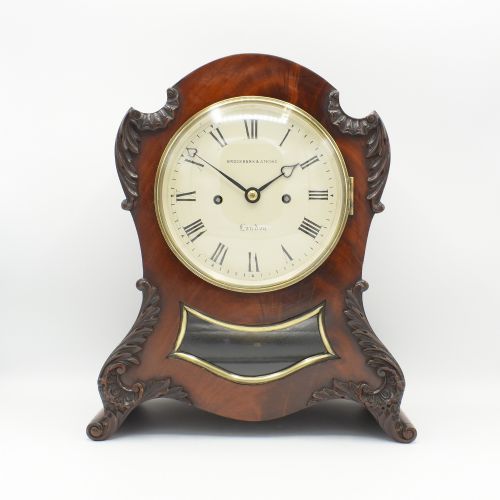
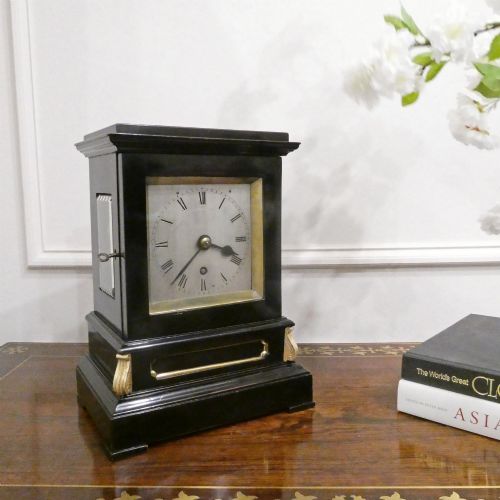
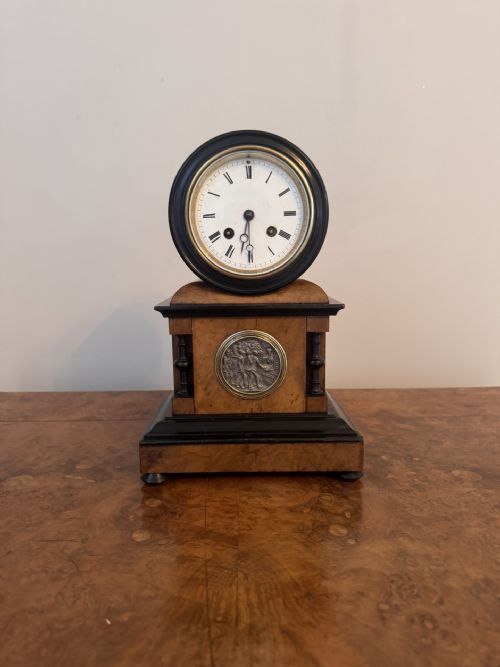
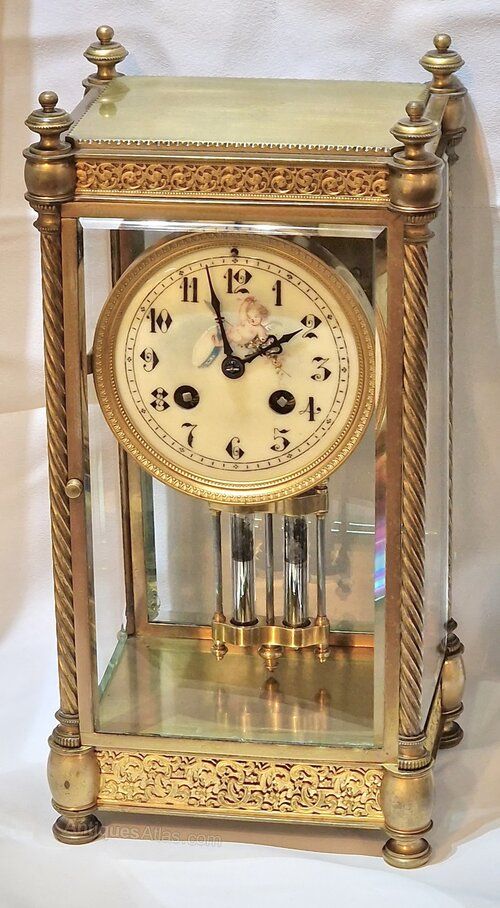
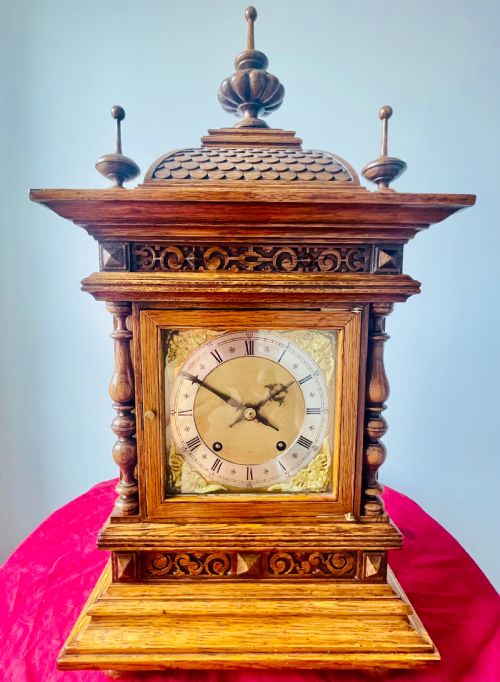
A victorian brass bracket clock sits heavy on a shelf, built to mark the hours with the steady tick of a fusee movement.

Victorian Brass Bracket Clock
When you search for a victorian brass bracket clock, you look at nineteenth-century timepieces housed in substantial wooden or metal cases, often featuring detailed dial work. These objects originated as portable clocks that sat on wall brackets or furniture, designed to be moved between rooms in large houses.
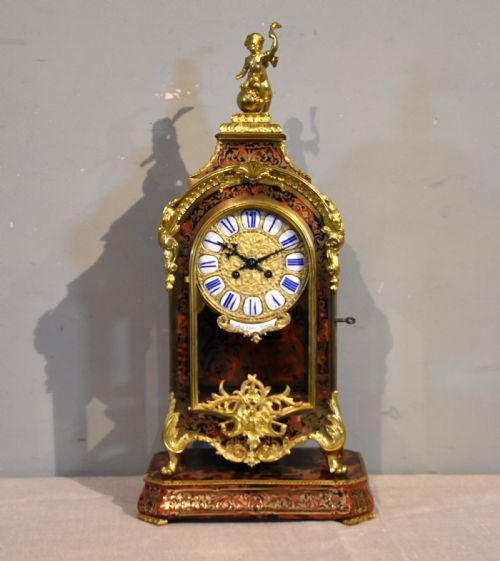
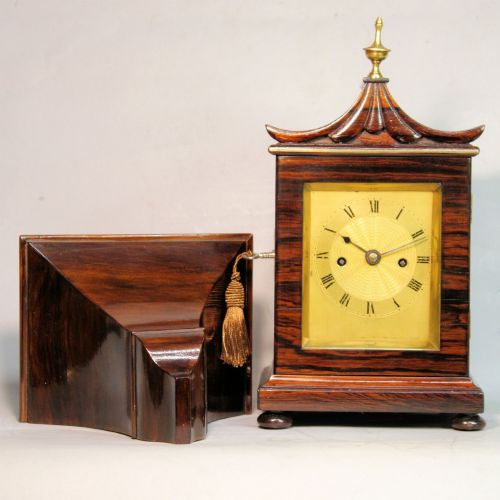
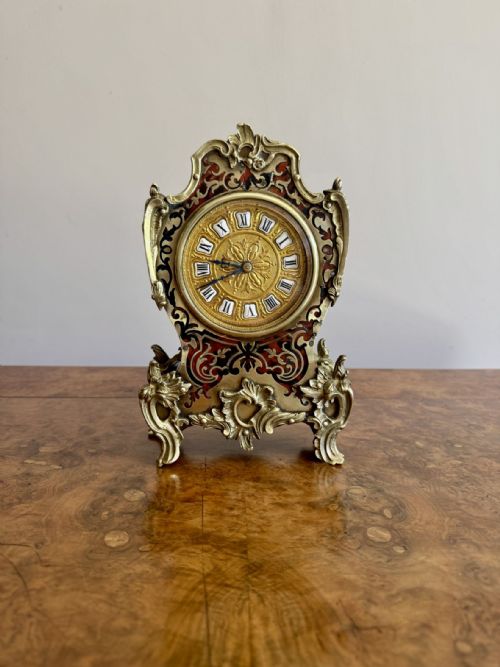
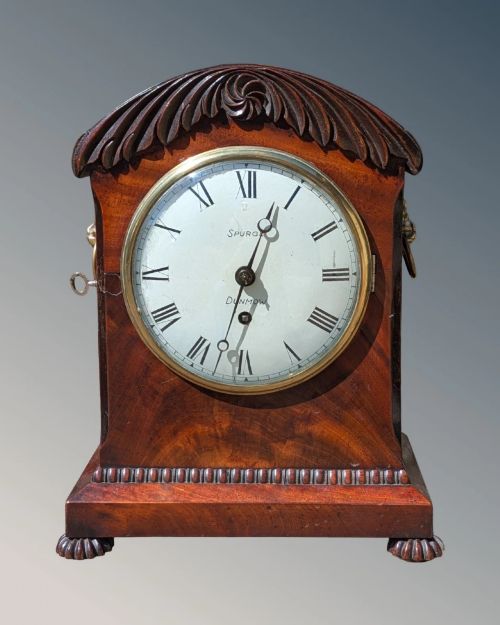
The versions you meet most frequently on this page date from the mid to late nineteenth century, spanning the Victorian period alongside occasional Regency and French revival styles. They appear in forms ranging from traditional mahogany fusee designs to ornate ormolu-mounted and Boulle mantel pieces.
How They Were Made
Maker workshops built these clocks using dense hardwoods like mahogany, rosewood, and ebonised wood, frequently fitted with brass bezels, dials, and glass panels. Many incorporate intricate ormolu mounts, tortoiseshell finishes, and enamel or silvered clock faces.
Movements relied on mechanical fusee or spring-driven systems, constructed by skilled horologists to drive striking mechanisms and chime the hours. Cases were carved, polished, and inlaid with brass or marquetry to create a finished piece that combined cabinetry with precision engineering.
Listings feature nineteenth-century timepieces incorporating brass, glass, mahogany, enamel, ormolu, and tortoiseshell.
What Varies in Quality
The distinction between standard examples and top-tier pieces rests on the complexity of the movement and the crispness of the case carving. Fine fusee movements by known makers command attention for their precise gear-cutting and reliable timekeeping over longer intervals.
Cousens And Whiteside London·Brockbanks And Atkins·Lenzkirch·Winterhalder And Hofmeier·William Payne·Arnold And Frodsham
The Victorian Brass Bracket Clock Glossary
- Fusee
- A conical pulley used in antique clocks to maintain even tension on the mainspring as it unwinds. This mechanism ensures consistent force is delivered to the gear train for accurate timekeeping.
- Ormolu
- Gilt bronze ornamentation applied to the exterior of clock cases. It provides a bright golden finish that catches the light in grand interiors.
- Boulle
- A style of marquetry utilising tortoiseshell and brass inlay developed in France. It creates a striking pattern of contrasting dark shell and glowing metal across the clock case.
- Ting Tang
- A striking train that sounds two notes on different bells to announce the quarters before the hour. It offers a distinct auditory cadence compared to single-bell gongs.
Victorian Brass Bracket Clock: Frequently Asked Questions
How do I wind a fusee clock safely?
Insert the key into the winding square and turn it gently in the direction specified by the mechanism. Avoid over-winding to prevent strain on the internal spring.
Take care not to let the key slip, as sudden releases can damage the delicate teeth of the surrounding brass gears.
Where should I place a heavy bracket clock?
Choose a sturdy mantelpiece, sideboard, or dedicated wall bracket capable of supporting considerable weight. Ensure the surface is entirely level so the pendulum swings symmetrically.
Keep the clock away from direct sunlight and draughty windows to protect the wooden case and sensitive internal oils.
What is the difference between a bracket clock and a mantel clock?
Bracket clocks historically included an optional wall bracket for hanging, whereas mantel clocks sat directly on flat furniture surfaces. Over time, the terms became largely interchangeable.
Both formats served identical domestic functions throughout the nineteenth century, marking time in primary reception rooms.
How can I tell a Victorian clock from a later reproduction?
Examine the construction of the movement plates, hand-cut screws, and the natural ageing of the wood and brass components. Authentic nineteenth-century examples show honest wear consistent with decades of use.
Inspect the dial signature and case joinery for the hand-finished details characteristic of period workshops rather than modern mass production.