





Victorian Book Rest Stand
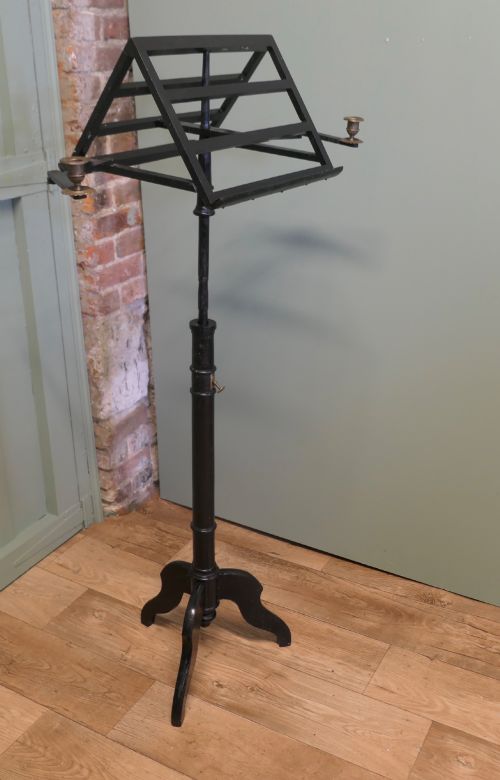
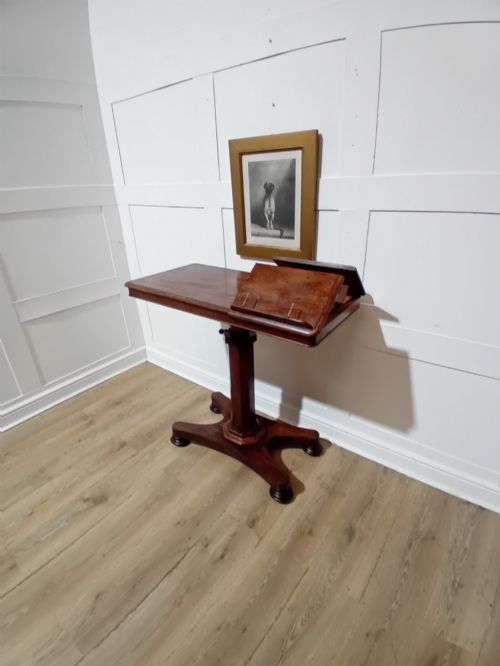
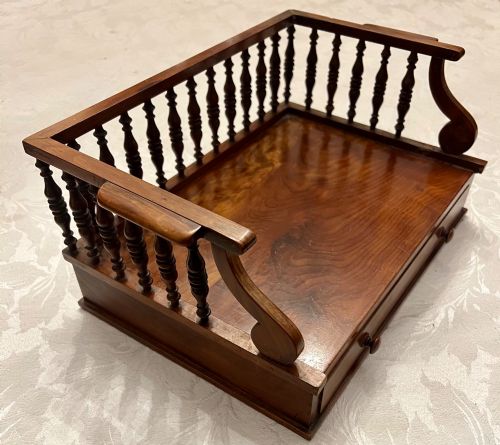
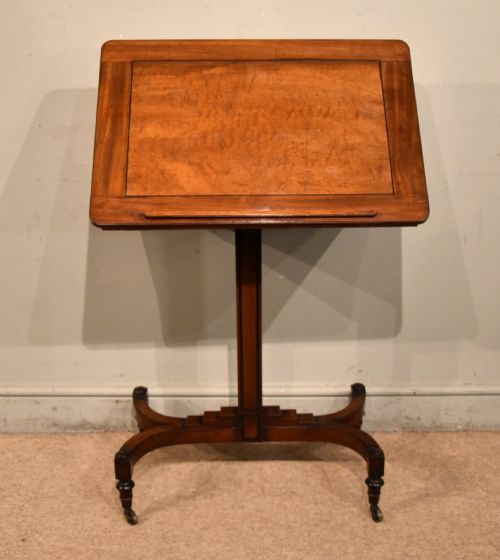
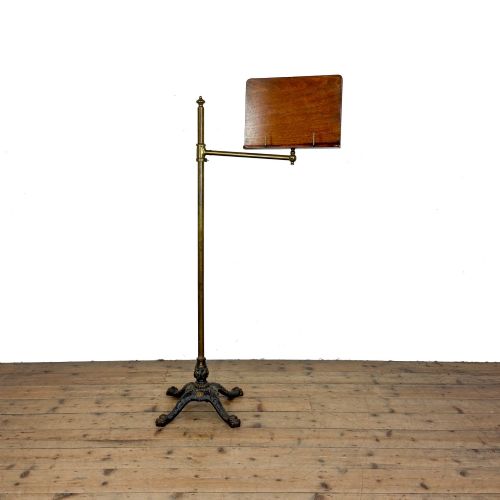
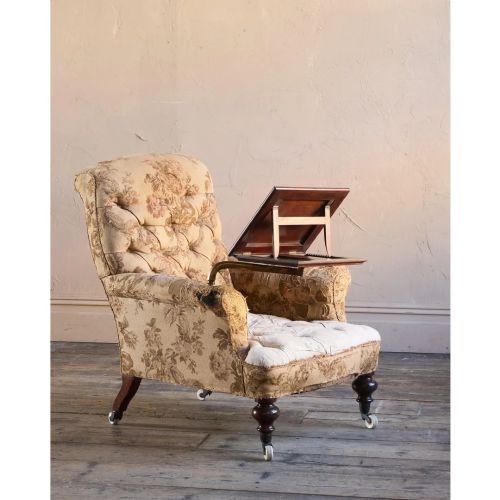
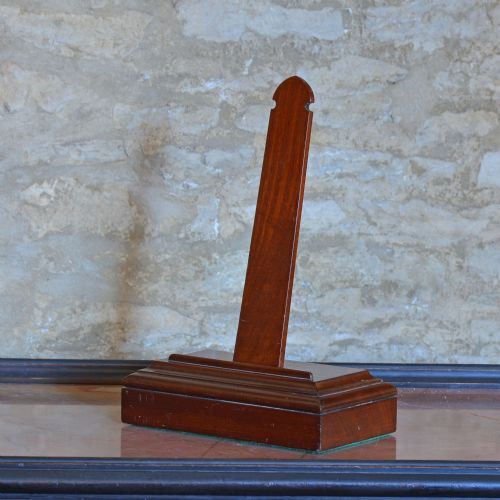
These victorian book rest stand pieces solve the simple problem of holding a volume at a comfortable reading angle, spanning desk-top rests and floor-standing lecterns.
Victorian Book Rest Stand
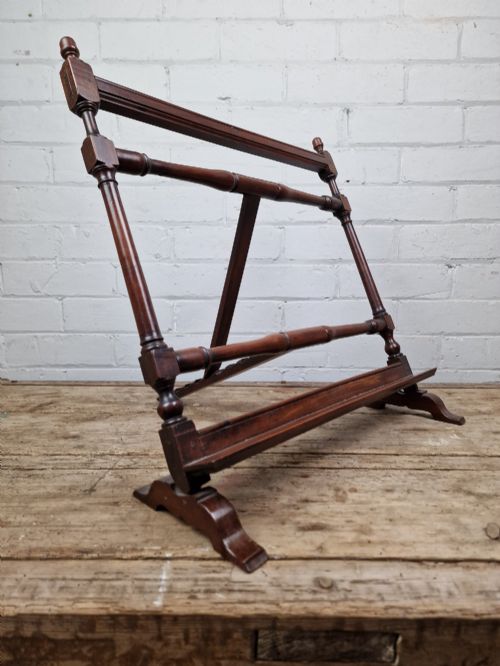
A victorian book rest stand encompasses portable table-top book slides and desk accessories alongside substantial floor-standing lecterns and reading tables. Most examples on this page date from the nineteenth century, ranging from eighteen-sixties mahogany reading tables to later Arts and Crafts oak stands.
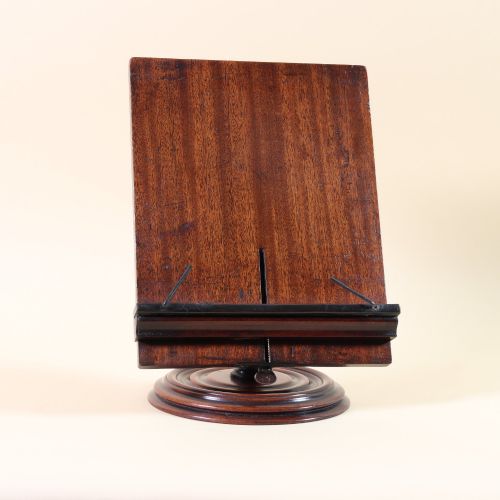
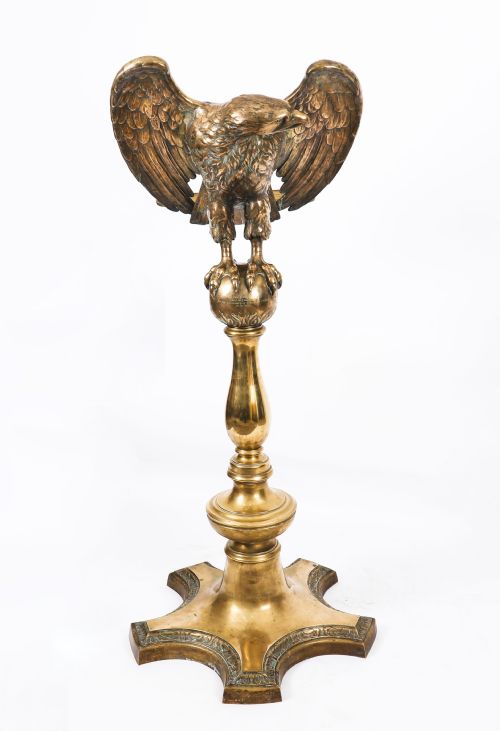
The selection includes extending book slides with folding book rests, adjustable music stands, and specialised ecclesiastical brass eagle lecterns. Buyers frequently encounter smaller mahogany or walnut table-top easels designed to support heavy volumes in a home library or study.
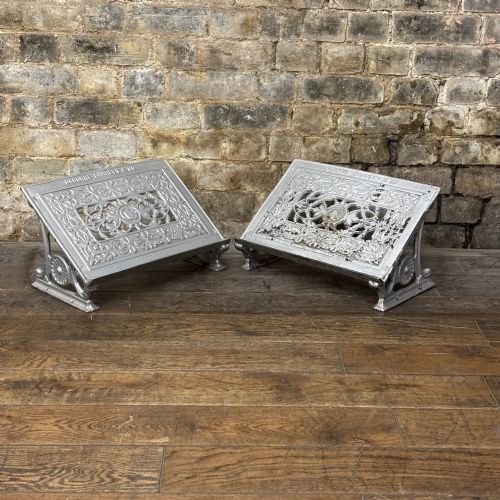
Makers adapted these stands for specific environments, creating compact folding book pedestals for scholars and marine-themed tables with adjustable book rests. Anglo-Indian and Burmese teak pieces introduce carved details, whilst cast iron church book rests demonstrate heavier utilitarian forms.
Materials and construction
Cabinet makers utilised dense hardwoods such as mahogany, walnut, and oak to build stable reading surfaces and extending slides. Ebonised wood and yew wood appear alongside carved teak and burmese teak on pieces influenced by global styles.
Metal components provide necessary mechanical adjustments, utilising brass for hinges, extending rods, and eagles, whilst heavy cast iron supports church book rests and mechanical tables. Mother of pearl inlay and brass details decorate the wooden frames of magazine stands and book rests.
Victorian Book Rest Stand Retail Price Guide 2026
Typical asking prices for victorian book rest stand among the pieces listed under this phrase on Sellingantiques today, from the lower quarter to the upper quarter. They describe what is for sale here now, not the wider market.
A brass eagle spreads its wings to hold the page, watching silently over centuries of earnest theological study.
Judging quality in reading stands
The refinement of the mechanical adjustment mechanism separates standard production pieces from superior examples. Smooth movement in extending book slides and fully adjustable reading stands indicates careful original engineering.
Material selection and decorative carving dictate the tier of a piece, from plain mahogany desk-top rests to intricately carved Anglo-Indian teak and ecclesiastical brass lecterns. Solid timber construction without excessive veneer splitting defines the better surviving items.
Osborne Garrett Co·Carters of London
The Victorian Book Rest Stand Glossary
- Lectern
- A tall stand with a sloping top designed to hold a book or notes for a standing reader. These often take the form of brass eagles or wooden reading pedestals.
- Book slide
- An extending rack designed to hold a variable number of books upright on a desk or table. These frequently incorporate folding book rests.
- Ebonised wood
- Timber treated to resemble ebony through a dark staining or finishing process. It appears on nineteenth-century desk accessories and book rests.
- Gothic Revival
- An architectural and decorative style drawing inspiration from medieval ecclesiastical design. This style surfaces on church book rests and architectural stands.
Victorian Book Rest Stand: Frequently Asked Questions
How do I adjust a vintage book stand?
Most period stands utilise brass ratchets, extending concertina actions, or screw-threaded pedestals to alter the viewing angle and overall width.
Carefully release the locking mechanism or slide the wooden framework gently to prevent binding in the timber joints.
Where were these reading stands used?
Victorian readers placed smaller book rests and slides upon library tables, partner desks, and writing surfaces within the home study.
Larger lecterns and adjustable reading tables stood in churches, drawing rooms, and dedicated libraries to support heavy folios and music.
What is the difference between a lectern and a book slide?
A lectern is an upright reading stand featuring a fixed or adjustable sloping desk for a single large volume or manuscript.
By contrast, a book slide is a horizontal rack with expanding sides intended to corral a row of books on a desktop.
How do I care for mahogany book stands?
Maintain the timber by keeping it away from direct heat sources and sudden humidity changes that cause wood to split.
Apply a traditional beeswax polish sparingly with a soft cloth to nourish the grain without building up a sticky residue.