




Victorian Boat Painting
When you examine a victorian boat painting, you encounter nineteenth-century coastal scenes and maritime watercolours that capture the working vessels of British shores.
Victorian Boat Painting
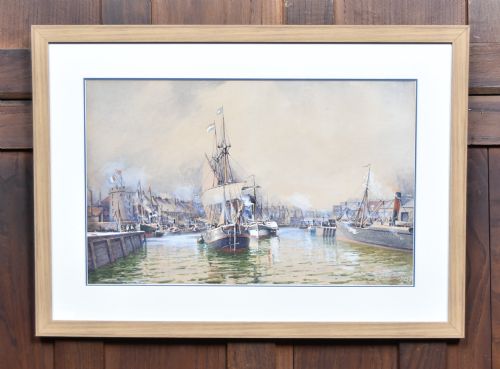
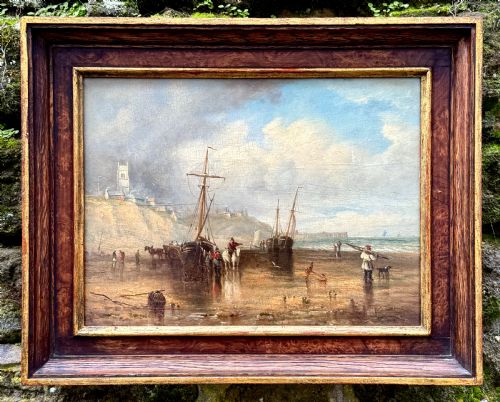
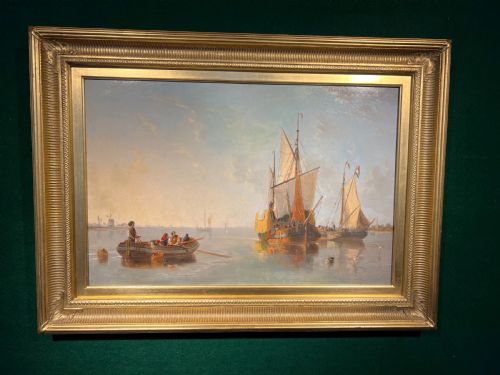
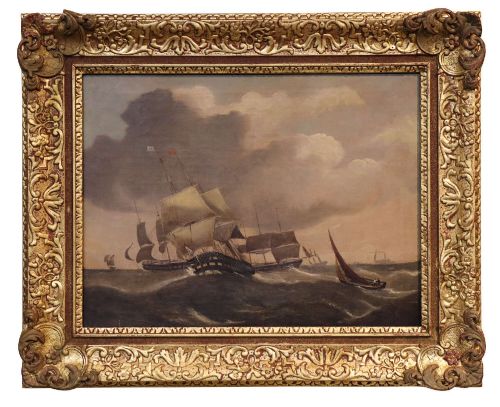
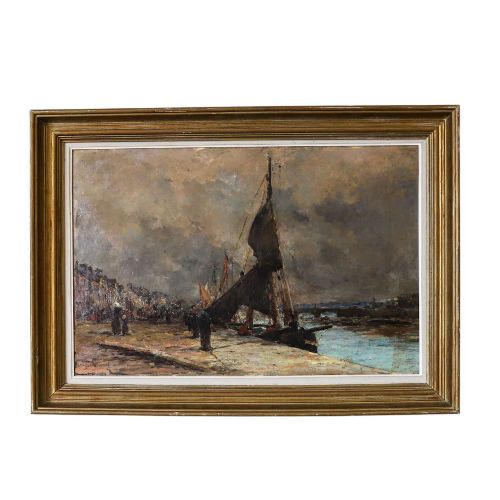
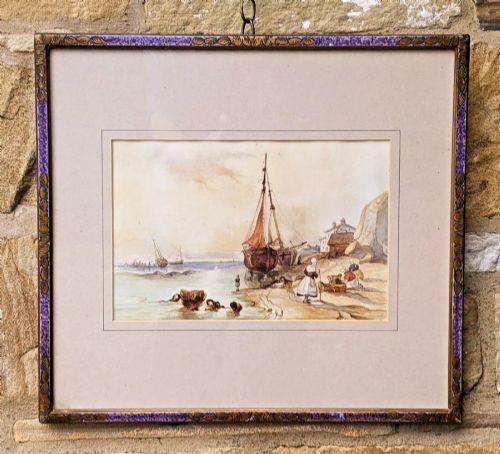
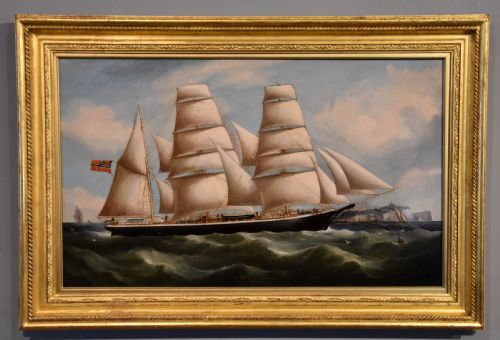
A victorian boat painting typically depicts coastal waters, fishing harbours, and shipping vessels operating around Britain during the nineteenth century. These works document maritime life through detailed depictions of sailing boats, heavy seas, and calm estuaries.
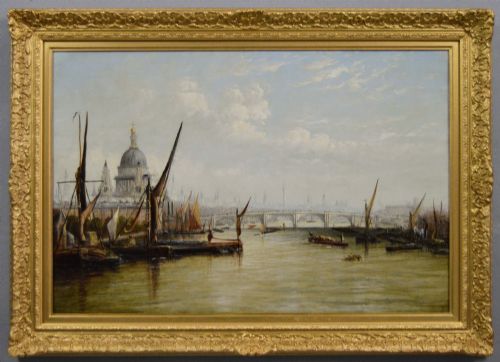
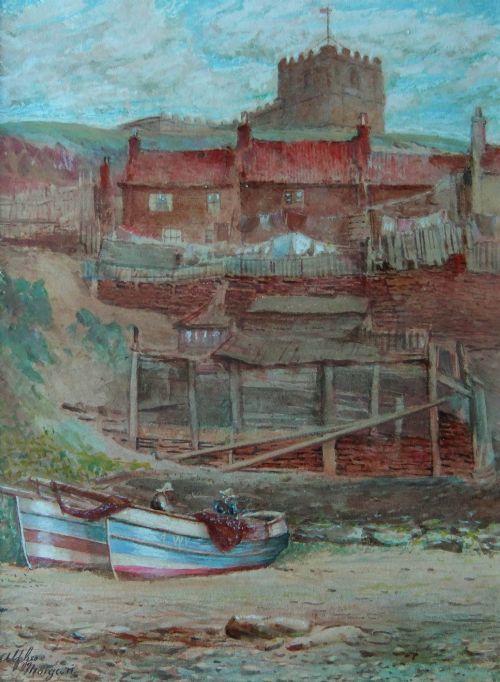
The most common formats on this page include watercolours on paper and oil paintings on canvas or board. Artists record specific locations ranging from Scarborough and Whitby to the River Thames and foreign ports.
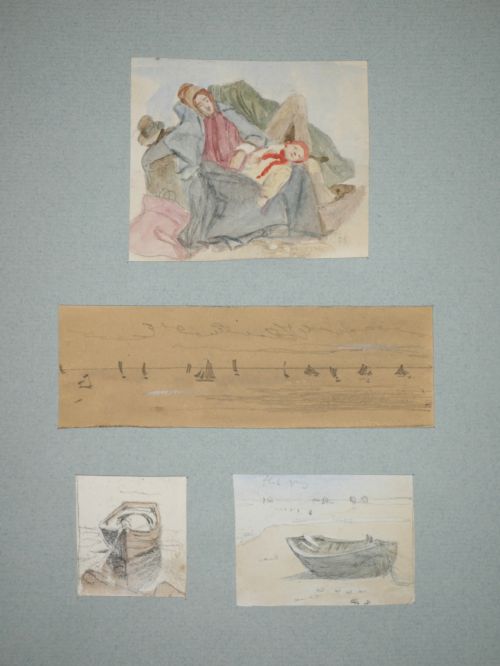
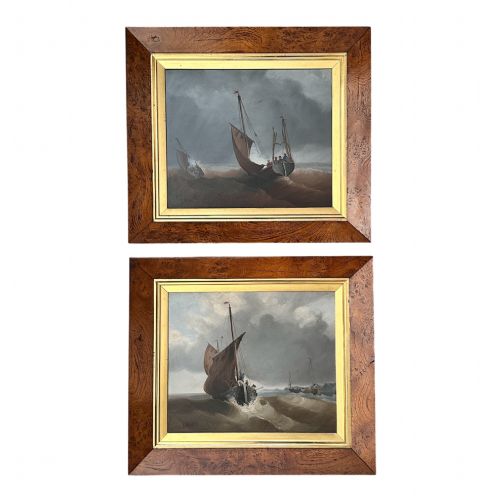
Subjects span from rugged seascapes with stormy weather to serene river scenes featuring small craft and figures. Works range from intimate sketches to large framed gallery pieces.
How They Were Made
Artists utilised oil paint on canvas, board, or card to build rich textures and deep tones for dramatic maritime scenes. Canvas works often received protective layers of varnish, whilst works on card offered immediate preparatory surfaces.
Watercolour paintings on paper rely on transparent washes and fine brushwork to capture coastal light and atmospheric harbour conditions. Many surviving pieces retain their period giltwood frames, sometimes enhanced with ornate mouldings.
Listings feature works created across the nineteenth century, utilising oil paint, watercolour, and giltwood frames.
What Varies in Quality
The standard of a victorian boat painting depends largely on the artist's command of maritime perspective and rigging detail. Accomplished painters render vessels with structural accuracy and convincing water movement.
Compositional balance and atmospheric depth separate routine topographical records from compelling marine art. Superior examples demonstrate confident brushwork that conveys the weight of heavy seas and the specific quality of coastal light.
Francis Moltino·John Wilson Carmichael·Thomas Bush Hardy·George Stanfield Walters·Gustave De Breanski
The Victorian Boat Painting Glossary
- Giltwood
- Wood that has been treated with gold leaf or a gold-coloured finish. This material frequently frames nineteenth-century paintings to enhance their visual presence.
- Marine art
- Artistic works that document ships, harbours, and coastal scenes. This genre encompasses both calm harbour studies and dramatic shipwrecks.
- Wash
- A thin, transparent layer of diluted watercolour paint applied to paper. Artists utilise this technique to establish skies and open water.
- Provenance
- The documented history of ownership surrounding an artwork. Clear records help establish the authenticity and origin of a nineteenth-century painting.
Victorian Boat Painting: Frequently Asked Questions
How do I date a nineteenth-century marine painting?
Examine the style of the vessel rigging, artist signatures, and framing materials. Nineteenth-century works often carry gallery labels or handwritten inscriptions on the reverse.
Period costumes on figures and the construction of the canvas support further narrow down the decade of production.
Where were these maritime watercolours typically displayed?
Middle-class Victorian homes frequently displayed framed watercolours and oil paintings in parlours and drawing rooms. Maritime scenes signified Britain's naval power and seafaring economy.
Matching pairs of seascapes were often hung symmetrically on either side of a fireplace or doorway.
How should I care for an antique watercolour painting?
Keep works on paper away from direct sunlight to prevent fading of the pigments and yellowing of the paper support. Maintain stable humidity levels to protect both the watercolour surface and the backing board.
Display pieces behind conservation-grade glass where possible.
What is the difference between an oil painting and a watercolour?
Oil paintings utilise pigment suspended in drying oils applied to stretched canvas or wooden board, creating a heavier texture. Watercolours employ water-soluble pigments on paper, offering a lighter and more transparent finish.
Oils generally require a protective frame without glass, whereas watercolours need glazing for protection.