


Victorian Blue Planter
A victorian blue planter brings rich colour and nineteenth-century craftsmanship directly into domestic spaces.
Victorian Blue Planter
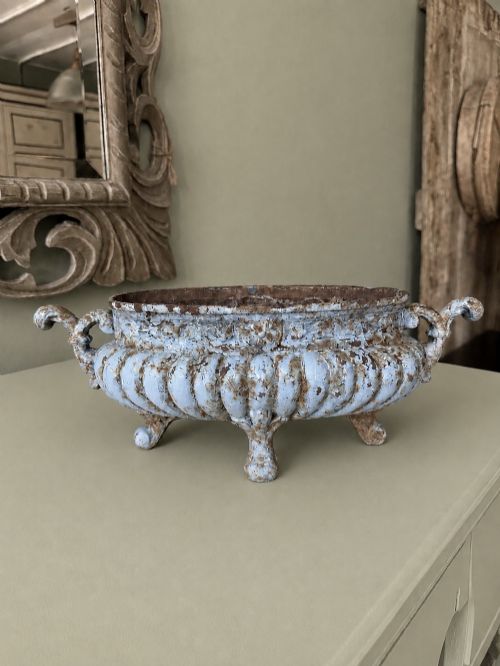
When you search for a victorian blue planter, you encounter large jardinieres, wall pockets, and footbaths shaped from earthenware, stoneware, and ceramic. These pieces were originally made to house indoor palms and flowering plants during the nineteenth century.
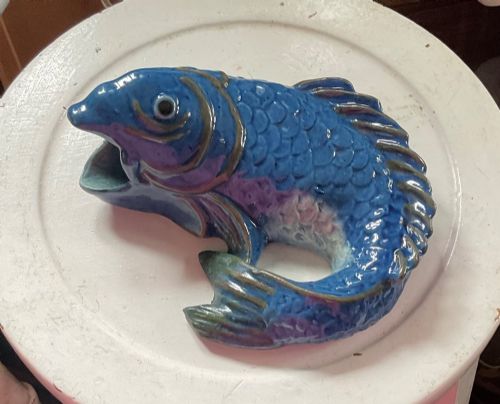
The selections on this page span the Victorian era alongside related periods such as eighteen eighty and nineteen twenty. Forms range from heavy salt-glazed vessels to delicate jasperware and majolica pots resting on three feet or griffin stands.
How they were made
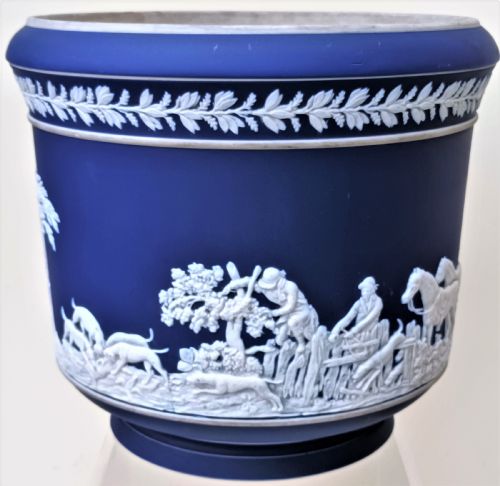
Potters shaped these vessels using earthenware and stoneware bodies, applying rich glazes, enamel, and occasional gold leaf. Some items incorporate hand-painted details or relief moulding such as classical jasperware motifs.
Techniques varied from slip-casting to salt-glazing and lustre finishes. Factories utilised specialised kilns to achieve the deep blue tones characteristic of these jardiniere forms.
Listings feature earthenware, stoneware, and ceramic bodies finished in rich blue glazes across the Victorian era and early twentieth century.
What varies in quality
Quality rests upon the crispness of the moulded relief and the depth of the glaze. Pieces decorated by named artists or produced by leading potteries show superior control over colour and firing.
Substantial weight, clean interiors, and well-defined feet or stands separate standard utility vessels from finely finished display pieces.
William Adams and Sons·Lauder Pottery Barnstaple·Doulton Burslem·Royal Doulton·Doulton Lambeth·Clement Massier·Spode·Minton·Royal Worcester·Wedgwood·George Jones·Coalport
The Victorian Blue Planter Glossary
- Jardiniere
- A large ornamental pot or stand designed to hold indoor plants. They sit on tabletops or floor stands.
- Jasperware
- A fine stoneware developed with a matte surface, typically featuring white raised reliefs against a coloured ground such as blue.
- Majolica
- earthenware covered with an opaque tin-lead glaze and brightly painted. It produces vibrant coloured surfaces on nineteenth-century vessels.
- Slaterware
- A ceramic technique involving applied lace or textured fabrics pressed into the clay body before firing. This creates a distinctive tactile pattern beneath the glaze.
- Wall pocket
- A decorative vessel with a flat back designed to hang on a wall. They held dried or fresh floral arrangements in Victorian interiors.
Victorian Blue Planter: Frequently Asked Questions
What is a jardiniere?
A jardiniere is an ornamental container designed to hold potted plants indoors. They were built to protect furniture from water drainage.
Unlike standard flowerpots, these vessels prioritized decorative appeal, often matching the formal style of nineteenth-century reception rooms.
How were these planters used?
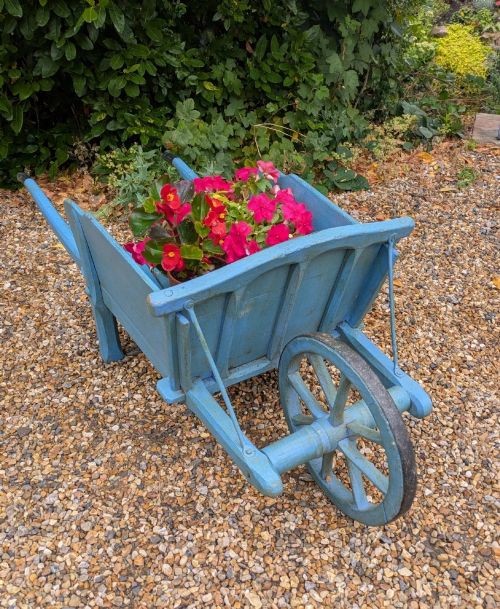
Victorian households placed large ceramic vessels on pedestals, tabletops, or hearths to display ferns and palms. Footbaths and basins were sometimes repurposed for this botanical role.
Wall pockets provided a way to introduce greenery or flowers onto vertical surfaces where floor space was limited.
How do I clean my planter?
Wash the ceramic surface gently with warm water and a soft cloth to remove dust. Avoid harsh chemical cleaners that might damage antique glazes.
Keep the interior dry when possible to prevent moisture from seeping into historical earthenware bodies.
How can I tell periods apart?
Examine the base for factory marks, registration numbers, and artist signatures. Weight and glaze type also indicate whether a piece originates from early nineteenth-century production or later revival periods.
Stylistic shifts from neoclassical jasperware to Art Nouveau lustre finishes help narrow down the decade of manufacture.