


Victorian Black Forest
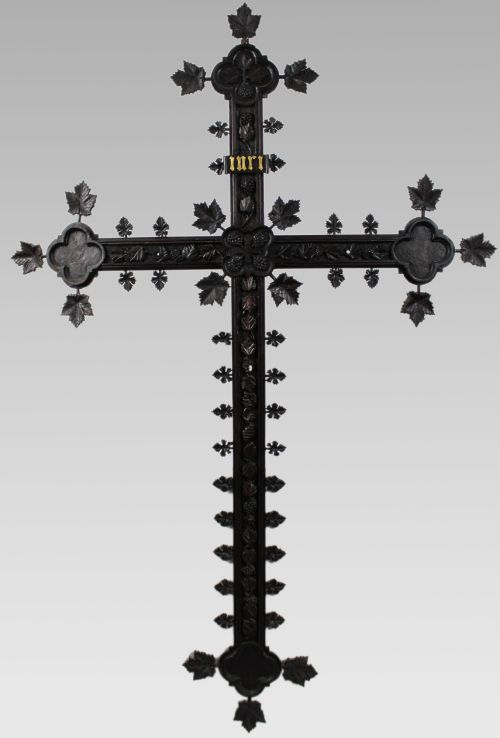
Victorian black forest carvings bring the dense woods of Central Europe indoors through elaborate animal figures and furniture made during the nineteenth century.
Victorian Black Forest
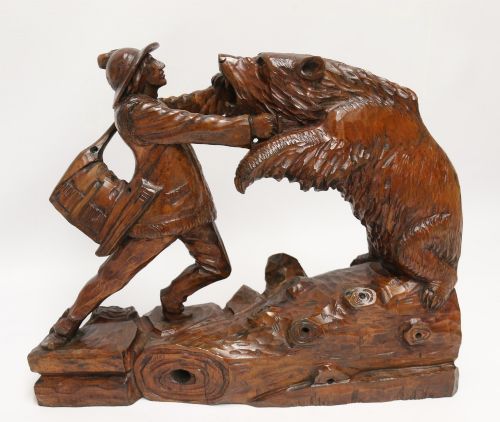
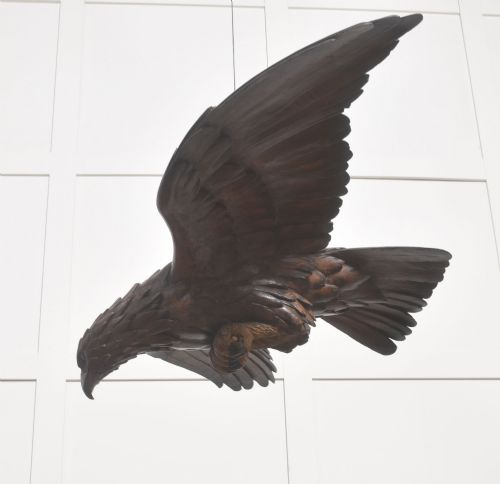
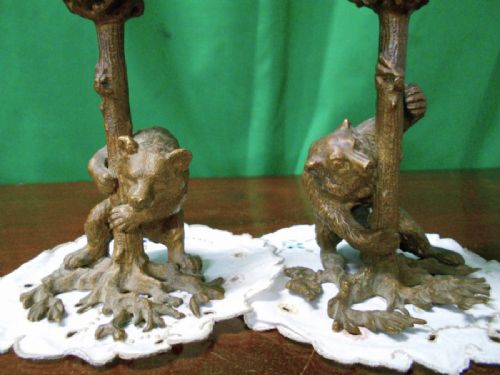
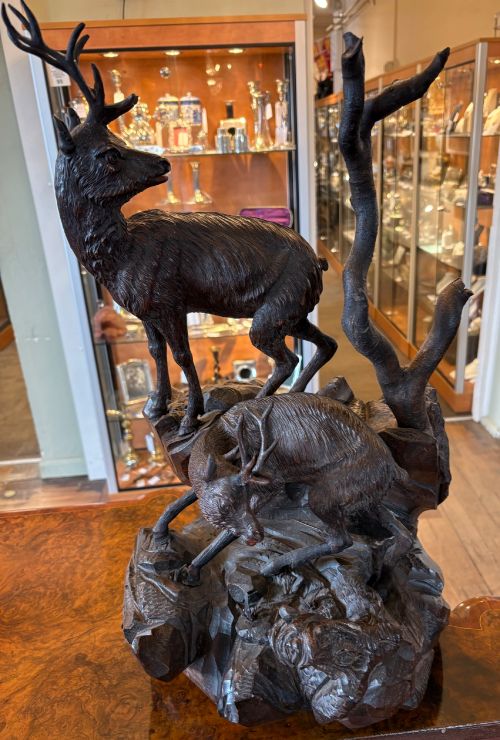
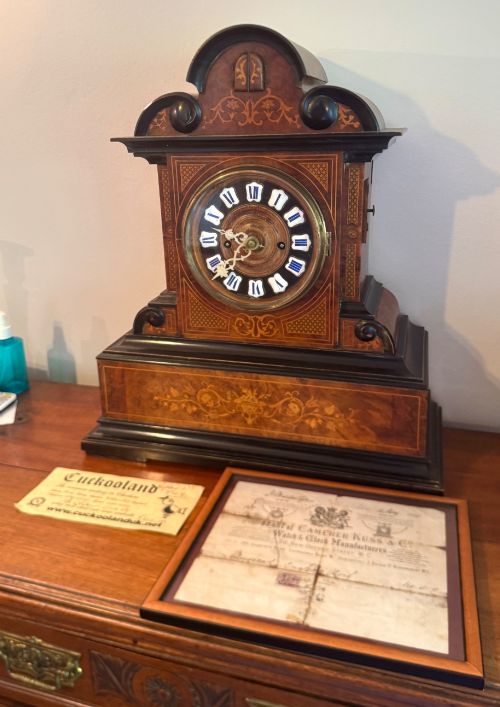
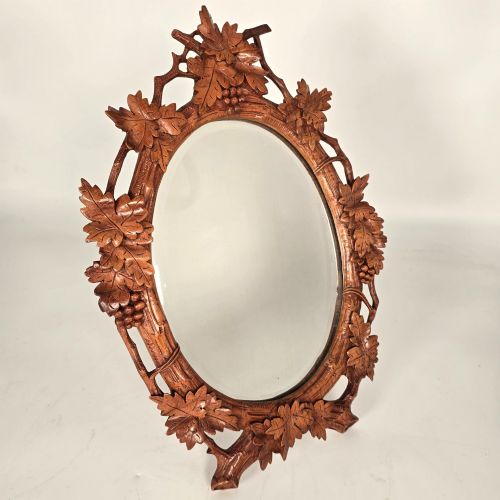
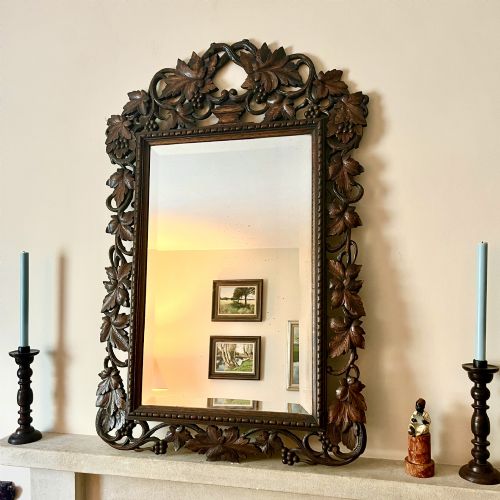
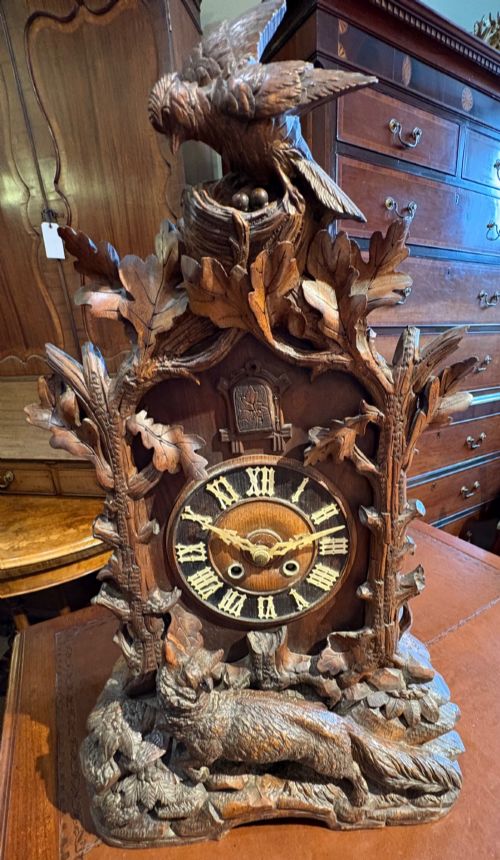
Victorian black forest carvings include large functional furnishings such as hall stands, stick stands, and overmantle wall mirrors, alongside smaller items like inkwells, nutcrackers, and cuckoo clocks. Bears, deer, and birds of prey dominate the animal subjects depicted in these nineteenth-century decorative sculptures and figure groups.
Most items you encounter belong to the late nineteenth century, spanning the 1880s and 1890s, originating from workshops in Switzerland and Germany. These domestic objects combine naturalistic animal carvings with practical uses, from matches and tobacco holders to umbrella stands and jewellery boxes.
How they were made
Carvers used native European timbers such as walnut, linden wood, lime wood, and oak, selecting softer woods for deep undercut foliage and harder woods for structural furniture. Detail was achieved with specialised gouges and chisels to render fur, feathers, and muscular forms with high realism.
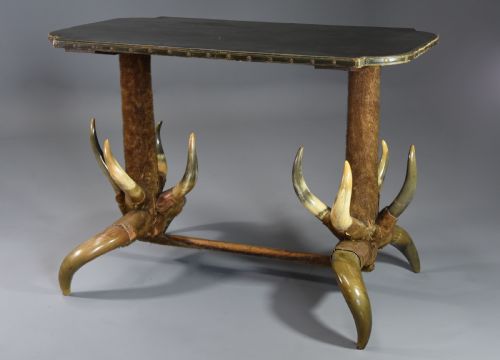
Many works incorporate natural elements such as real deer antlers attached to carved wooden heads, or cow horn integrated into table structures. Marquetry inlay in contrasting wood veneers often embellished table tops and clock brackets alongside the primary carved elements.
Look closely to find mischievous carved gnomes serving as functional whip hooks in the hallway.
What varies in quality
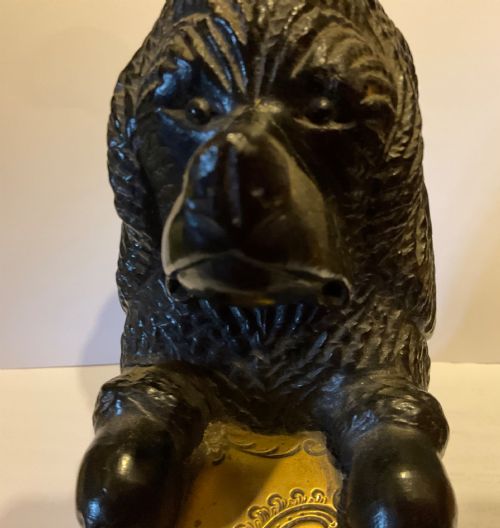
The degree of anatomical accuracy and depth of undercut relief distinguish exceptional carving from standard production pieces. Master carvers captured tension in animal limbs and lifelike expressions in glass-eyed bears and deer, whereas lesser items rely on shallow surface incisions and rigid postures.
The integration of the carving into the functional object matters greatly, as seen in how structural weight is handled in heavy oak hall stands or how cleanly cuckoo clock mechanisms and dial marquetry are executed.
J. HUGGLER
The Victorian Black Forest Glossary
- Swiss Brienz
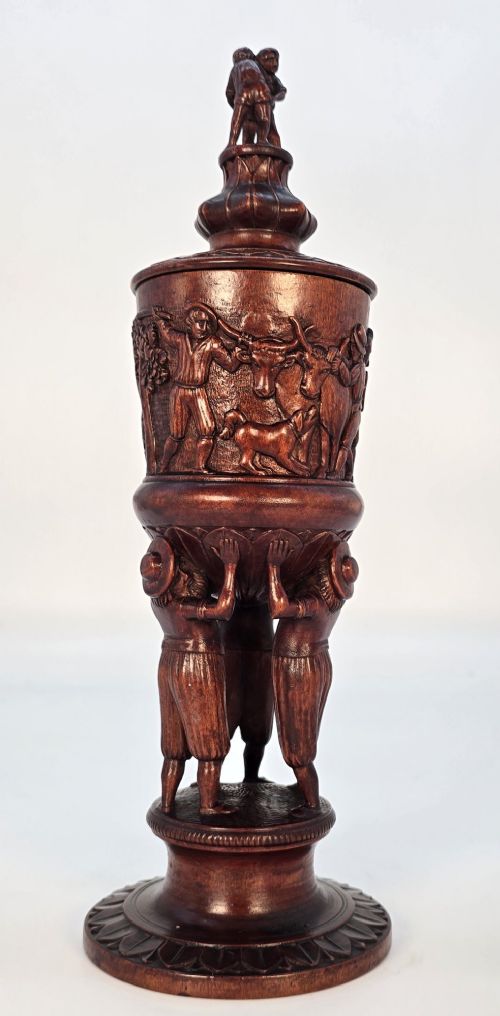
- A Swiss valley region renowned for producing highly detailed wood carvings of alpine animals and human figures during the nineteenth century. Carvers from this tradition supplied many of the decorative table mirrors and chalices found today.
- Linden wood
- A pale, fine-grained wood favoured by carvers for its uniform texture and lack of prominent grain, which allowed for intricate undercutting without splintering. It was frequently used in German and Swiss animal studies.
- Overmantle
- A large mirror or decorative panel designed to be hung directly above a fireplace mantelpiece. In this style, they often feature expansive carved eagles, deer heads, or foliate framing.
- Humidor
- A specialised box or container designed to keep tobacco moist, often lined with wood and decorated with carved hunting dogs, bears, or forest foliage on the exterior lid.
Victorian Black Forest: Frequently Asked Questions
What animals appear most often?
Bears and deer appear most frequently across these nineteenth-century items, taking the form of freestanding figures, bear stick stands, and wall-mounted deer heads with real antlers.
Birds of prey, particularly eagles, also feature prominently on wall mirrors, while gnome figures and hunting dogs emerge on smaller utility items like match holders and whip hooks.
How were these items used originally?
These pieces served practical functions in Victorian and Edwardian entrance halls, libraries, and parlours, holding walking sticks, umbrellas, pocket watches, and tobacco.
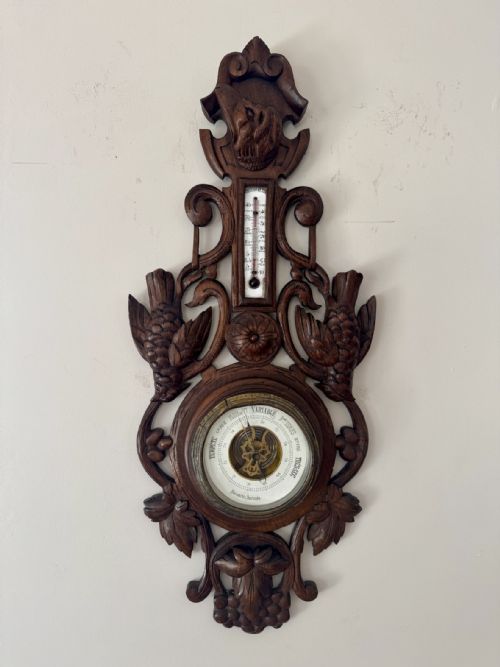
Larger furniture items like hall stands and cabinets provided storage and seating for guests, while bracket clocks and barometers measured time and weather in domestic spaces.
Where were these pieces made?
Production centred primarily in the Alpine regions of Switzerland, notably Brienz, as well as workshops in Germany during the nineteenth century.
Swiss and German artisans exported these carved wooden goods across Europe, catering to travellers and collectors seeking rustic decorative art.
How do I care for carved wood?
Keep carved wooden pieces away from direct heat sources and strong sunlight to prevent the timber from drying out and splitting over time.
Dust gently with a soft, dry brush to clean the deep recesses of the fur and foliage without damaging the delicate projecting details.