


Antique Camel Carving
These antique camel carving pieces bring sculptural presence and historic craftsmanship into a room.
Antique Camel Carving
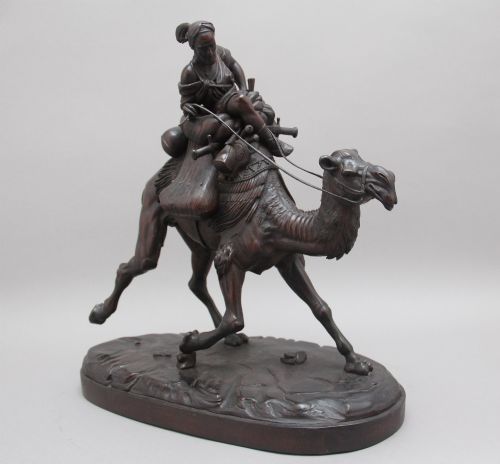
An antique camel carving encompasses diverse sculptural objects and decorative furniture forms rooted in the eighteenth and nineteenth centuries. Buyers searching for an antique camel carving encounter pieces ranging from Chinese hardstone serpentine groups to Black Forest wooden sculptures.
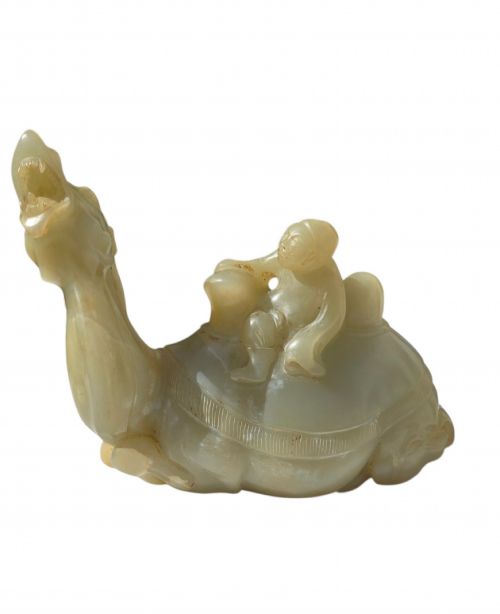
The selection on this page demonstrates that the phrase bridges different material traditions and geographic origins. While some examples represent European decorative arts, others reflect Qing Dynasty craftsmanship or regional tribal artefacts.
The most substantial forms include carved jade or bowenite serpentine figures depicting camels alongside riders. These works display meticulous attention to anatomical detail and harness decoration.
How they were made
Carving these objects required specialised skill in working tough materials such as hardwood and bowenite serpentine. Artisans utilised hand chisels and abrasive cutting techniques to shape dense stone and timber.
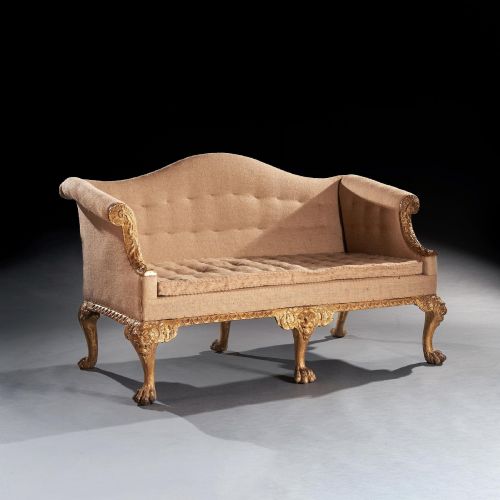
Wooden items relied on traditional joinery and surface finishing, while hardstone pieces demanded patient abrasion and polishing to achieve a smooth lustre. Giltwood elements incorporated gesso applied over a wooden base before receiving gold leaf.
Some nineteenth-century carvers clearly studied camels through secondhand accounts, resulting in expressions of mild astonishment upon the wooden beasts.
What varies in quality
Quality in an antique camel carving rests upon the precision of the anatomical rendering and the clarity of the surface detail. Master carvers captured the natural musculature and posture of the animal with greater fidelity.
The grade of the raw material also dictates value, particularly in hardstone carvings where the purity and colour variation of the serpentine or jade elevate the piece. Finer examples exhibit balanced proportions and undisturbed surface patination.
Giles Grendey
The Antique Camel Carving Glossary
- Bowenite
- A hard, compact variety of serpentine often utilised in Chinese carving. It takes a fine polish and resembles jade.
- Serpentine
- A group of rock-forming hydrous magnesium iron phyllosilicate minerals. Carvers frequently selected it for Asian sculptural works due to its workable nature.
- Black Forest
- A nineteenth-century style of intricate wood carving originating from central Europe. These works typically depict animals in realistic detail.
- Giltwood
- Timber that has been coated with gold leaf or powder over a preparation layer. It appears frequently on eighteenth-century decorative frames and furniture.
Antique Camel Carving: Frequently Asked Questions
What is an antique camel carving?
An antique camel carving is a sculptural object or decorative element shaped from materials like hardwood or bowenite serpentine during the eighteenth or nineteenth century. These pieces capture the form of the animal through traditional regional techniques.
They serve primarily as display items or focal points within a collection of Asian art or European woodwork.
How do I date a carving?
Dating relies on examining the tool marks, material composition, and stylistic conventions characteristic of specific periods like the Qing Dynasty or nineteenth-century Europe. Natural wear and patination also offer clues to age.
Comparing the piece with documented examples helps confirm its historical timeframe.
How should I care for hardstone carvings?
Hardstone carvings require gentle dusting with a soft, dry cloth to prevent surface scratching. Avoid chemical cleaners and keep them away from direct sunlight and extreme temperature fluctuations.
Stable indoor humidity preserves the structural integrity of both the stone and any accompanying display stands.