



Victorian Black Forest Furniture
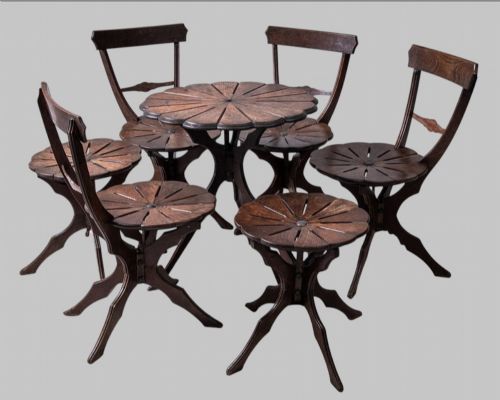
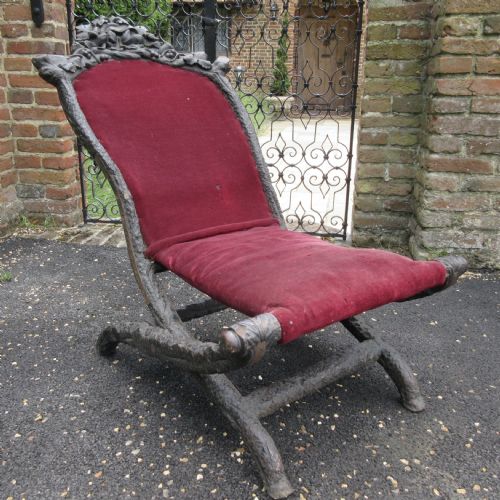
These Victorian black forest furniture pieces bring deep carved animal figures and rich timber into the hallway or parlour.
Victorian Black Forest Furniture
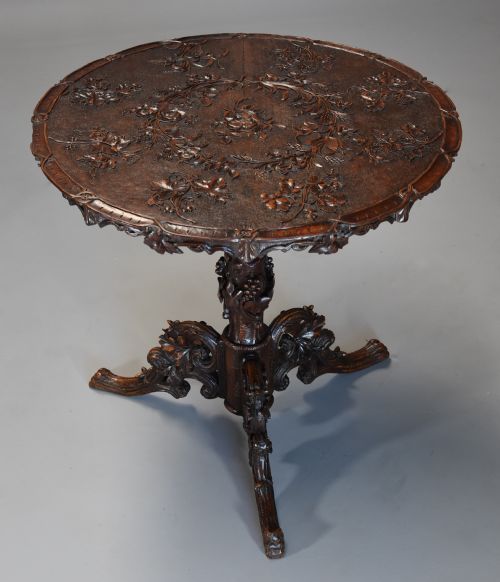
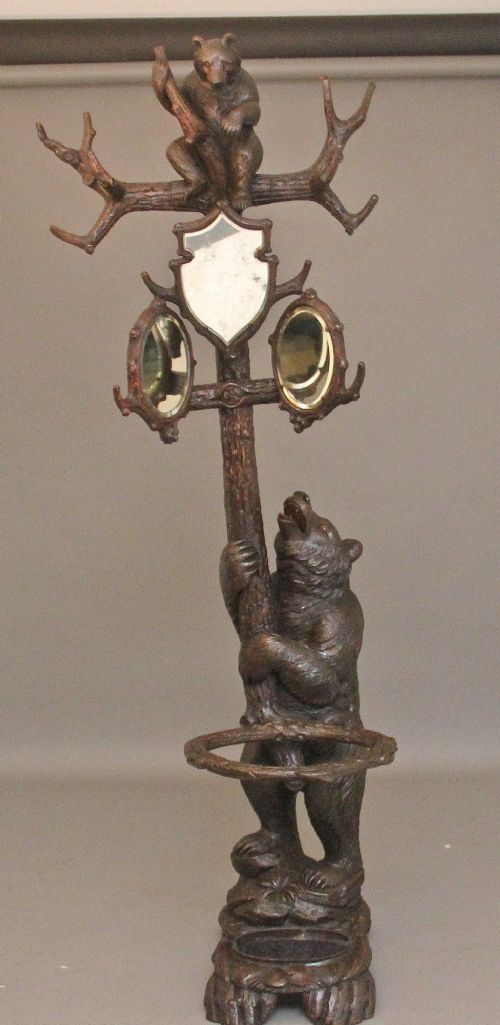
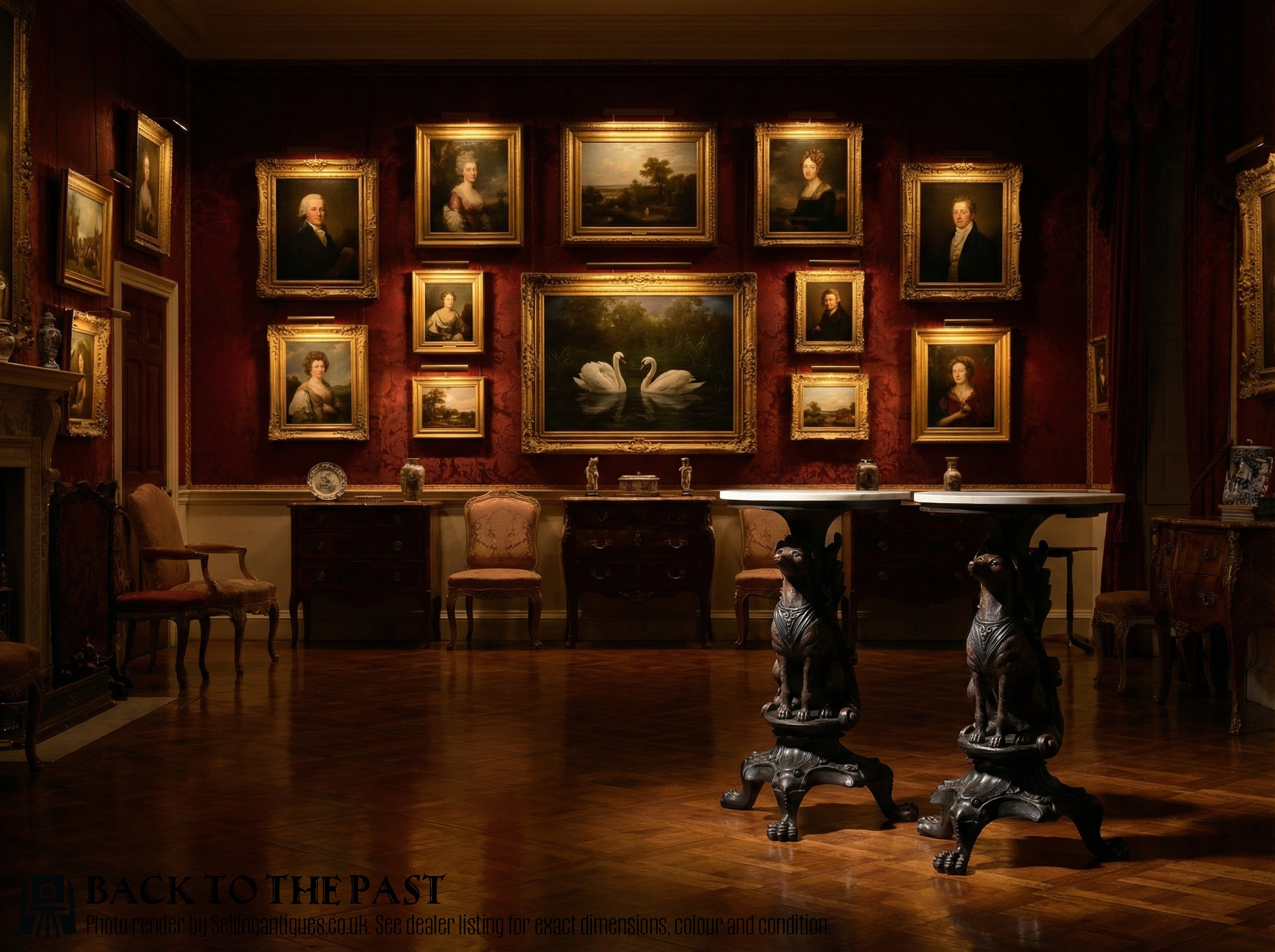
Victorian black forest furniture spans grand hall stands, carved bear seats, occasional tables and folding chairs shaped by nineteenth-century Swiss and German carvers. You will frequently encounter hall stands featuring bears, foxes, and eagles, alongside tables supported by carved hounds or detailed with marquetry inlay.
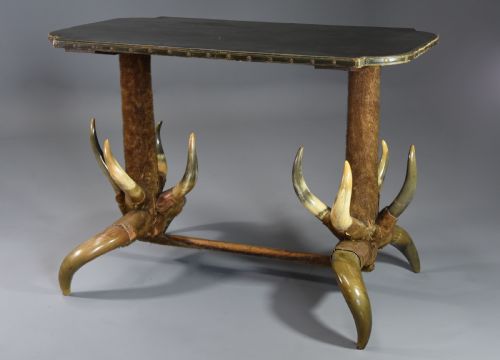
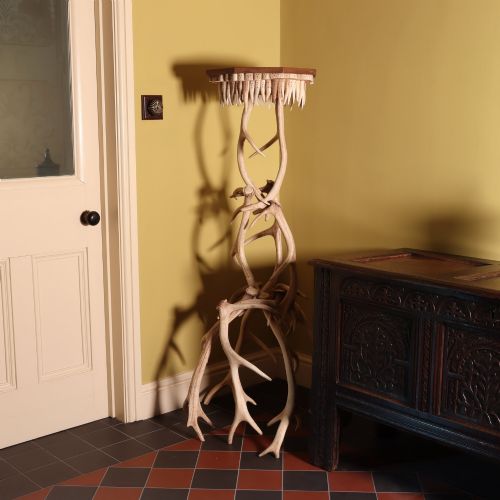
The aesthetic bridges Alpine folk art and Victorian hunting lodge styles, often incorporating natural forms such as deer antlers and cow horns into functional household objects. Pieces range from large exhibition-quality stands to smaller side tables and music stands designed for domestic settings.
Materials and construction methods
Carvers shaped these pieces primarily from linden wood, walnut, and carved hardwood, relying on the fine grain of linden for intricate animal fur and facial expressions. Timber construction often joins with natural materials including red deer antler, cow horn, and hide upholstery.
Makers integrated marquetry inlay into tabletops while employing structural joinery to support heavy carved elements like seated bears holding card trays or umbrella rings. Surfaces received careful finishing to highlight the depth of the deep relief carving.
The listings show nineteenth-century dates ranging from 1860 to 1920, with materials spanning linden wood, walnut, glass, and hide.
Assessing quality in carving and design
Construction robustness also matters, as heavy carved bears supporting hall seats or tables require stable internal bracing to bear weight without compromising the delicate undercut foliage and branch work surrounding them.
The Victorian Black Forest Furniture Glossary
- Linden wood
- A pale, close-grained timber favoured by nineteenth-century carvers for its softness and lack of prominent grain, allowing deep undercutting without splintering.
- Marquetry
- The art of applying small pieces of veneer to a structure to form decorative patterns or pictorial scenes on tabletops and panels.
- Torchiere
- A tall ornamental stand or floor lamp, often formed from natural antlers or carved wood during the nineteenth century.
- Alpine folk art
- A regional decorative style originating in mountain communities, characterised by rustic motifs and figurative wood carving.
- Undercutting
- A carving technique where wood is removed beneath a subject to create a three-dimensional effect that stands free from the background.
Victorian Black Forest Furniture: Frequently Asked Questions
Where did these pieces originate?
These pieces originate primarily from the nineteenth-century Swiss and German regions associated with Alpine carving traditions.
Craftsmen in these areas produced functional furnishings for European and British domestic interiors influenced by hunting lodge aesthetics.
How were bear hall stands used?
Bear hall stands served as functional entryway furniture where visitors could leave walking sticks, umbrellas, hats, and coats.
The carved bear figures frequently held card trays or metal drip pans to catch water from wet gear.
What materials appear most often?
Linden wood and walnut form the structural and carved components of most items found in this category.
Makers also incorporated natural animal materials such as red deer antlers, cow horns, and hide.
How do I care for carved wood?
Keep carved wooden pieces away from direct heat sources and dramatic humidity shifts to prevent timber splitting.
Dust intricate recesses gently with a soft brush rather than a cloth that might snag on delicate carved edges.