
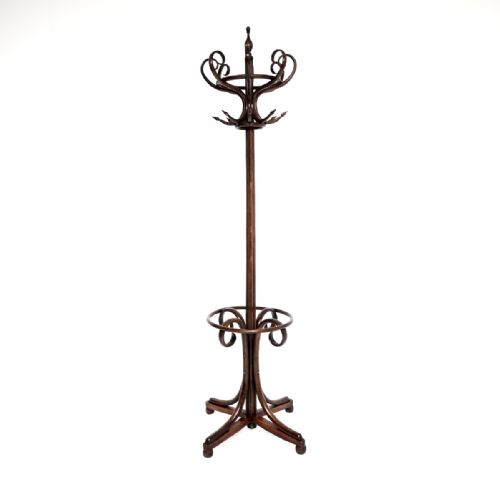
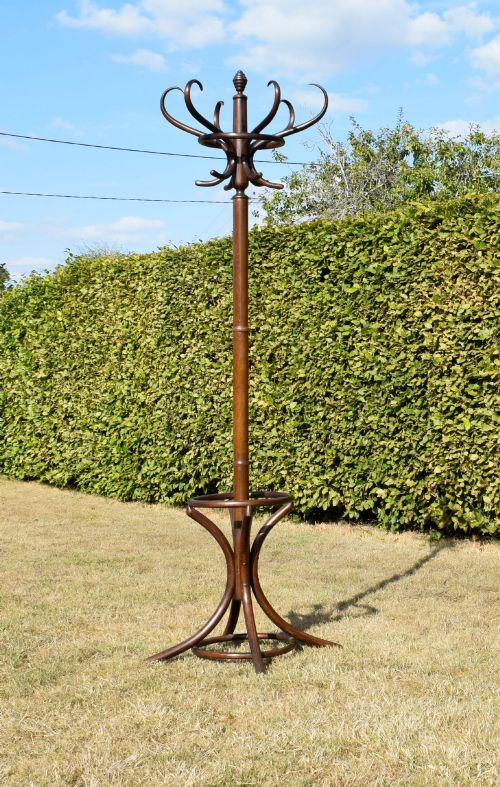
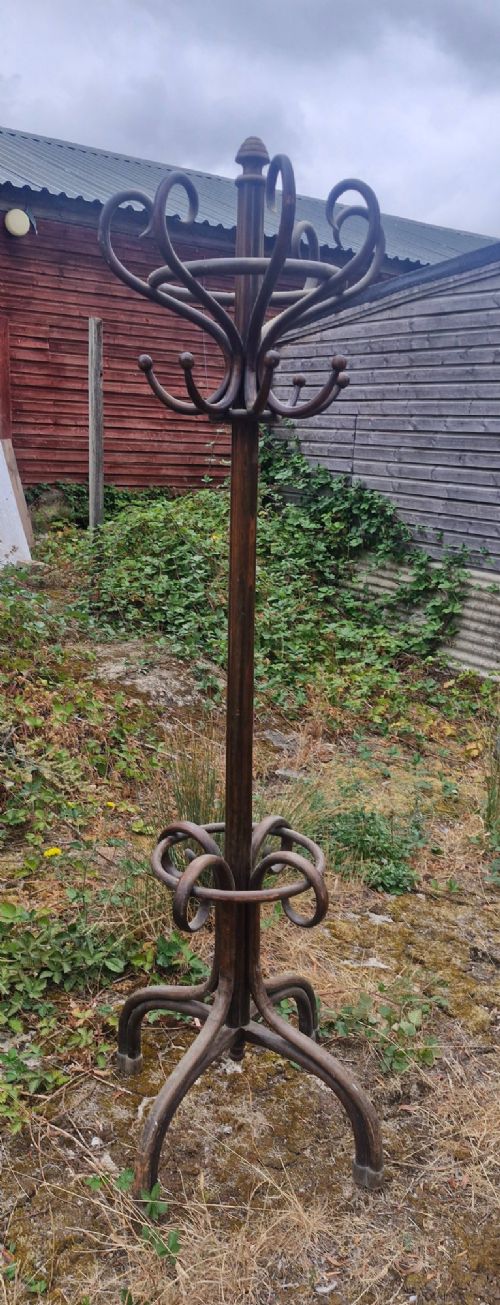
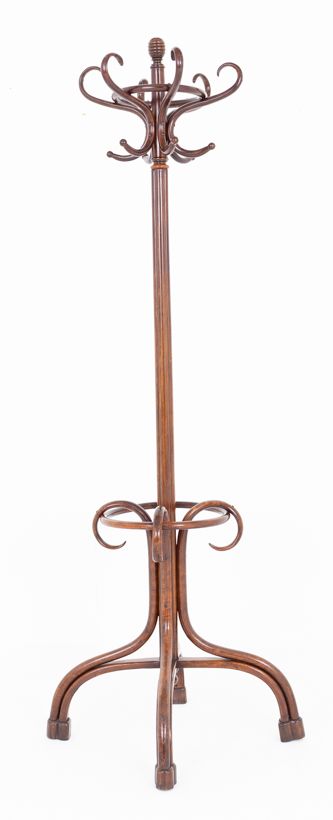


Victorian Bentwood Rack
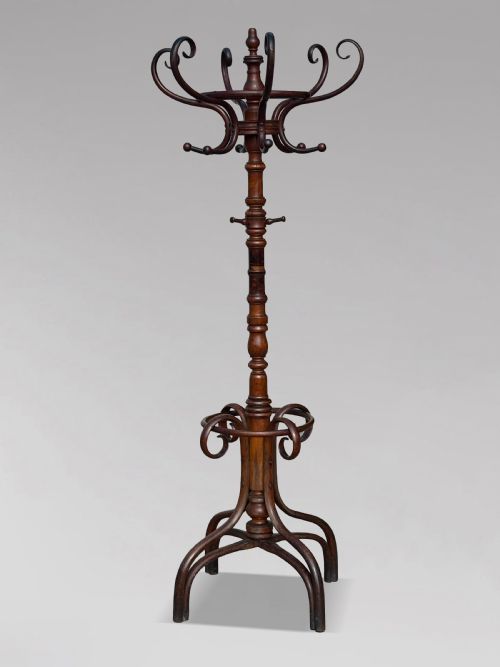
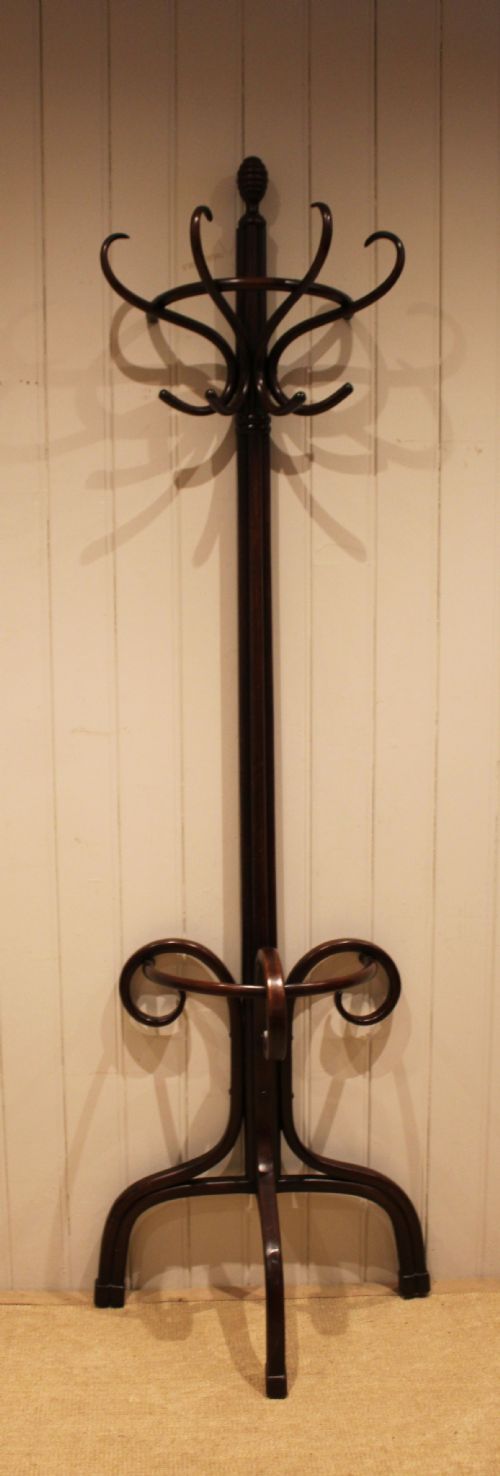
A victorian bentwood rack offers light yet sturdy architecture for hats and coats, combining steaming techniques with organic curves to suit domestic hallways.
Victorian Bentwood Rack
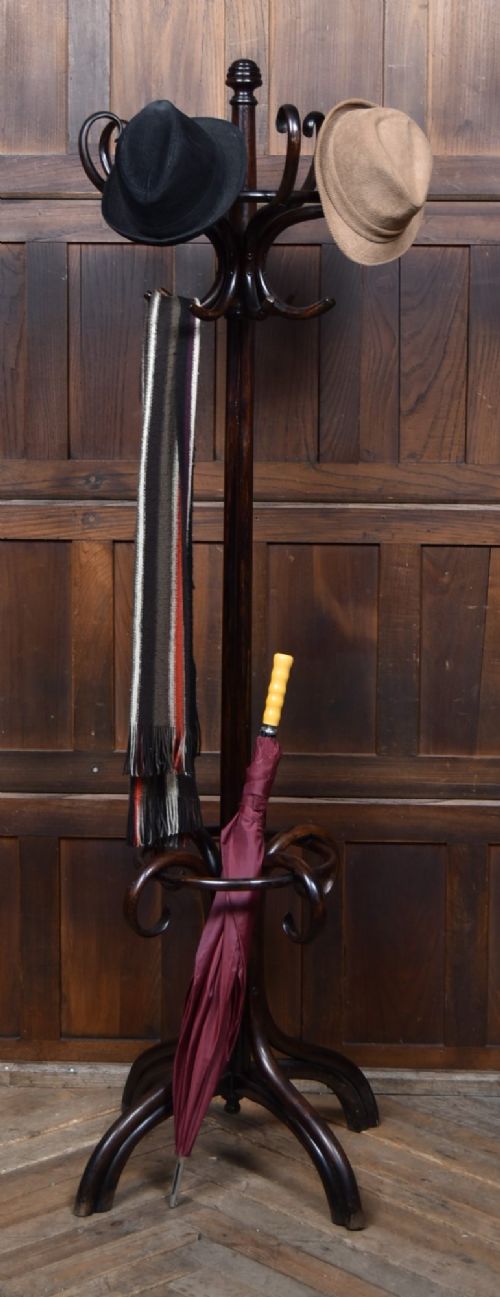
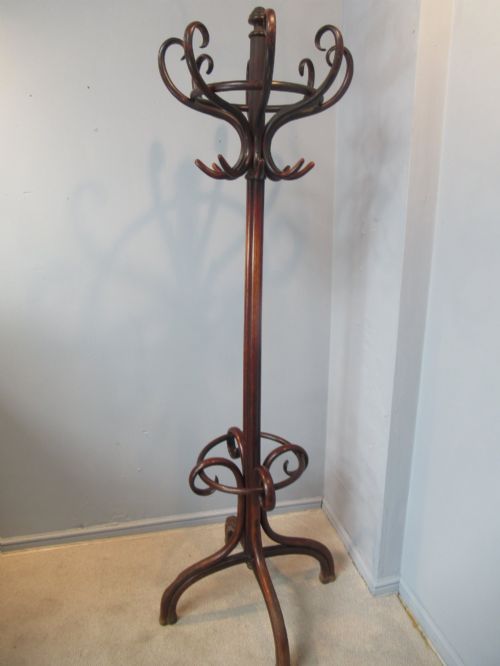
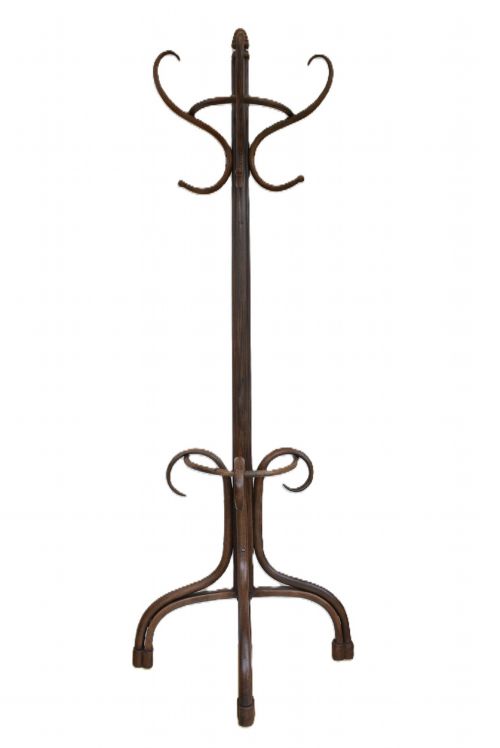
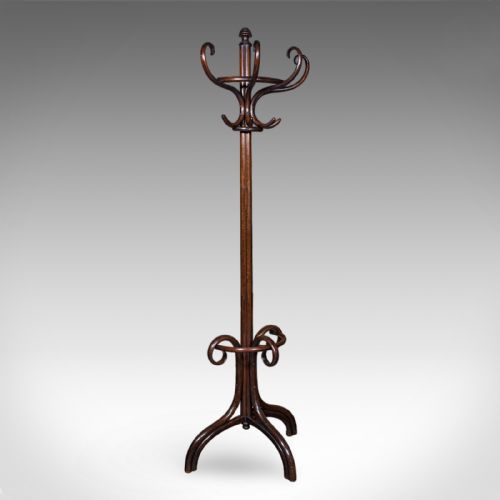
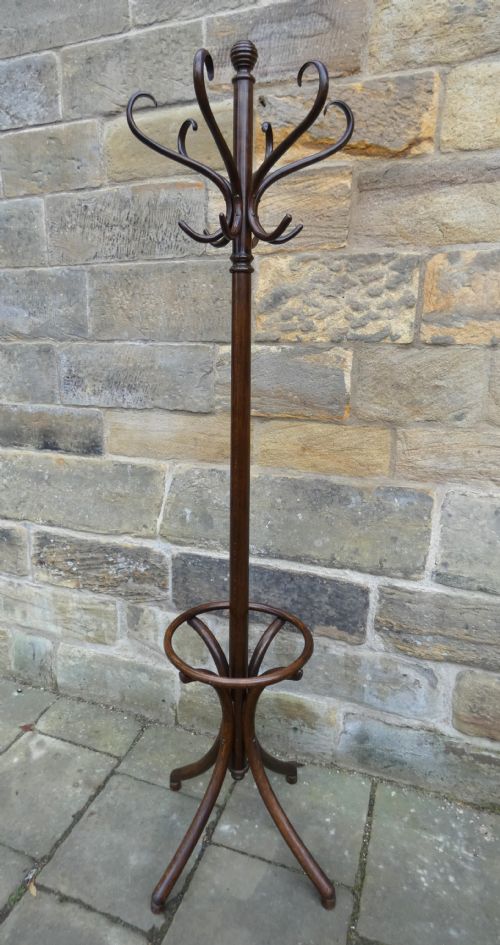
A victorian bentwood rack comprises tall floor-standing coat trees, wall-hanging rails, and combination hall stands designed for domestic entranceways. These pieces organise outerwear efficiently while occupying minimal floor space in narrow hallways.
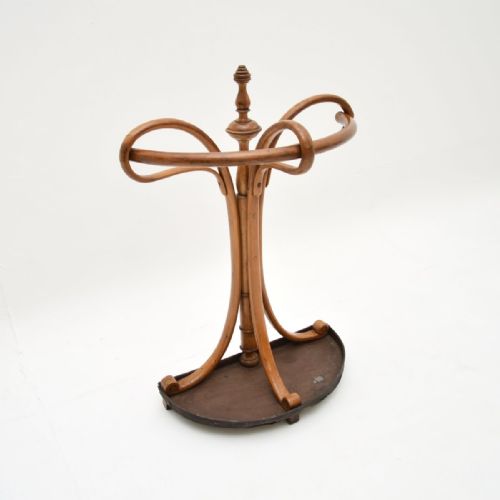
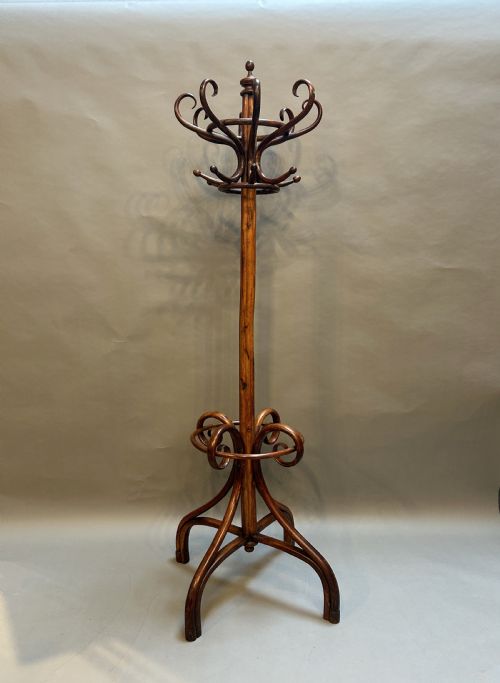
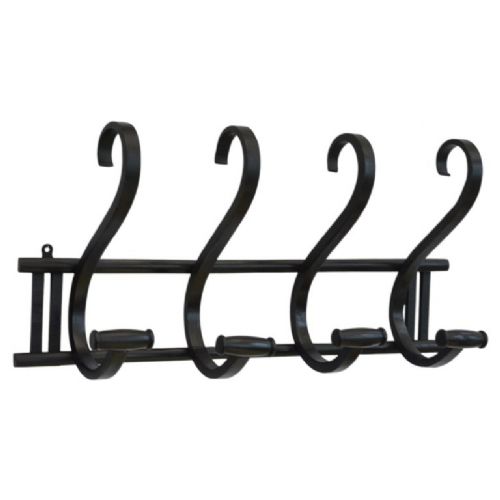
Floor-standing hat and coat stands dominate the selection, often incorporating umbrella rings and revolving top sections for multiple garments. Wall-mounted racks with rows of curved hooks provide alternative options for smaller spaces.
Originating largely from the nineteenth century into the Edwardian era, these items reflect continental manufacturing methods imported to Britain. Pieces range from simple wall hooks to grand architectural hall stands with integrated mirrors and stick holders.
What varies in quality
Construction complexity dictates distinction within this category, separating simple multi-hook wall strips from revolving stands featuring double tops and integrated umbrella trays. The presence of maker labels from prominent workshops indicates higher manufacturing standards.
The precision of the steam-bending technique defines the refinement of the silhouette, visible in the symmetry and tightness of the scrollwork. Heavier gauge timber and substantial section thicknesses provide greater structural stability across taller floor-standing examples.
Listings feature beech and bent Beechwood across 19th Century, Victorian, and Edwardian periods, alongside Austrian and Viennese styles.
Thonet·Fischel
The Victorian Bentwood Rack Glossary
- Bentwood
- Wood shaped by applying steam and pressure to create permanent curves. This technique allows for lightweight frames with high structural strength.
- Hall stand
- A multi-functional piece of furniture placed in an entranceway. It typically combines coat hooks, a hat shelf, an umbrella stand, and sometimes a mirror.
- Revolving top
- A rotating upper tier on a coat stand that allows users to access garments from any angle. It relies on a central metal pivot mechanism.
- Ebonised
- Wood finished with a dark stain or black coating to resemble ebony. This treatment was popular for achieving a formal appearance.
- Umbrella stand
- A base section or ring integrated into a hall stand to catch drips from wet sticks and parasols. It often includes a metal liner tray.
Victorian Bentwood Rack: Frequently Asked Questions
Where should I place a bentwood hall stand?
These pieces suit entrance halls and corridors where their narrow footprints accommodate coats, hats, and umbrellas without blocking pathways.
Ensure adequate clearance around revolving models so the upper tiers turn freely without striking adjacent walls.
How do I care for bentwood furniture?
Maintain the wood surface by dusting regularly with a dry cloth and avoiding excessive moisture during cleaning.
Keep pieces away from direct heat sources and dramatic temperature shifts to prevent stress on the steamed timber joints.
What is the difference between a wall rack and a coat stand?
Wall racks attach directly to vertical surfaces and feature rows of curved hooks suited to hanging coats and hats in confined areas.
Coat stands provide freestanding vertical storage that can be relocated easily across different rooms or hallways.
How do I identify a piece from the Victorian period?
Victorian examples often display darker wood stain finishes and heavier architectural proportions compared to later Edwardian designs.
Construction details like slotted screws and early paper maker labels help confirm the nineteenth-century manufacturing era.