
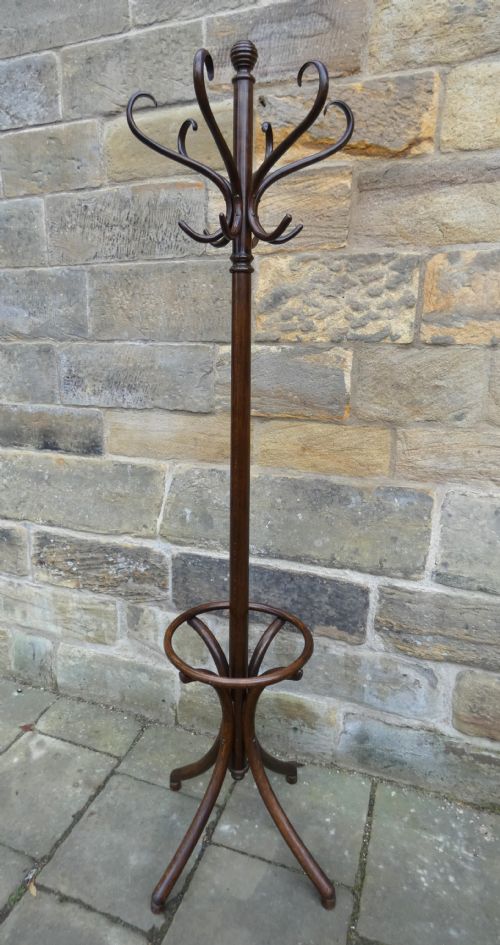
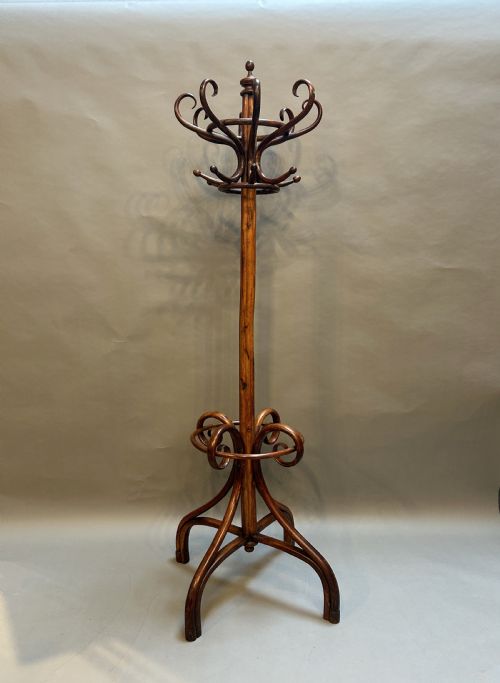
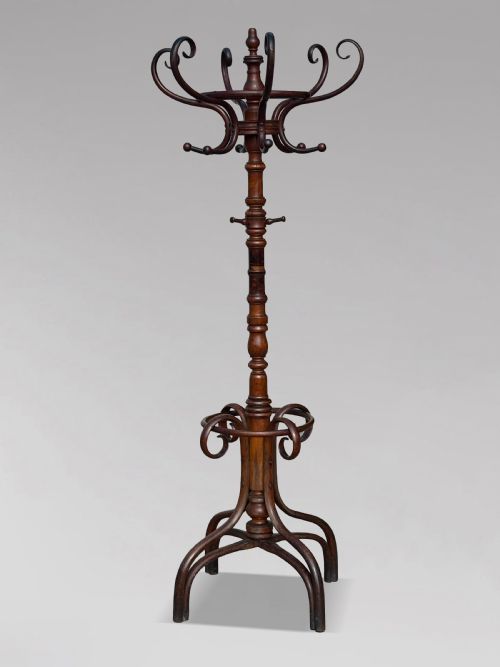
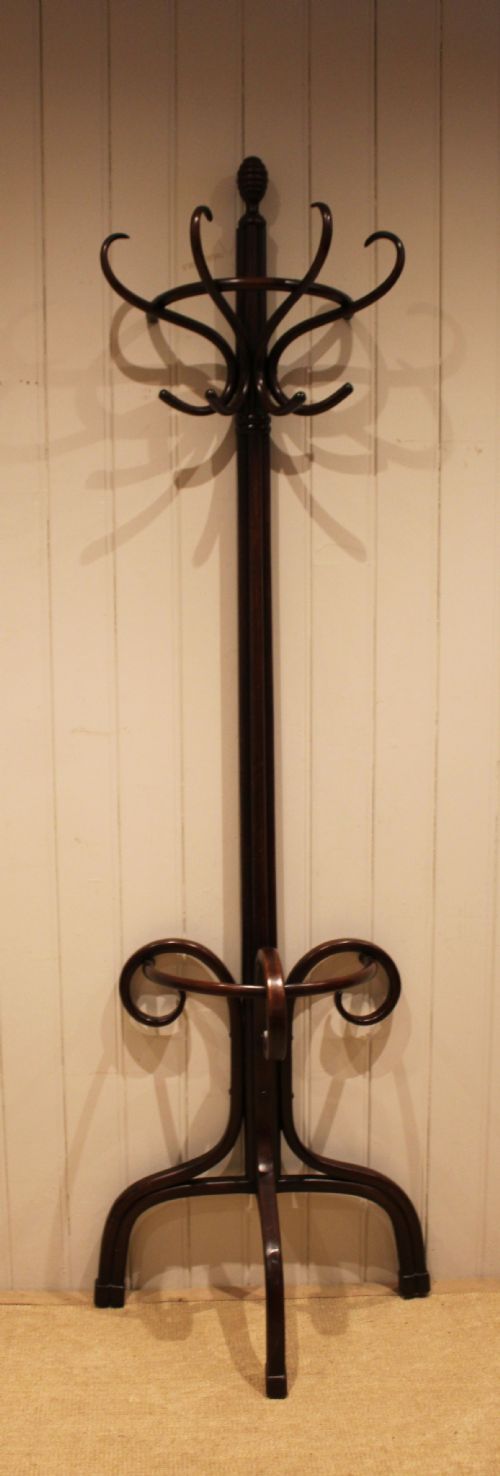


Victorian Bentwood Hall Stand
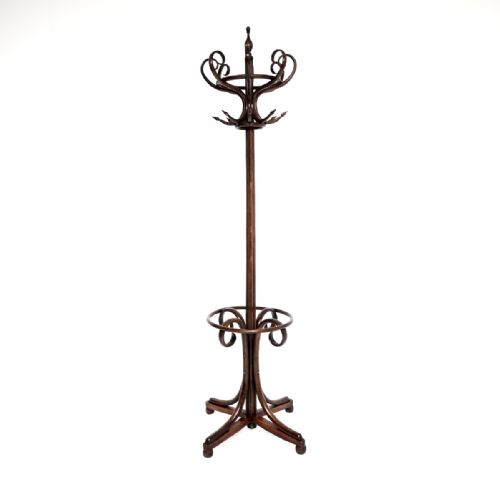
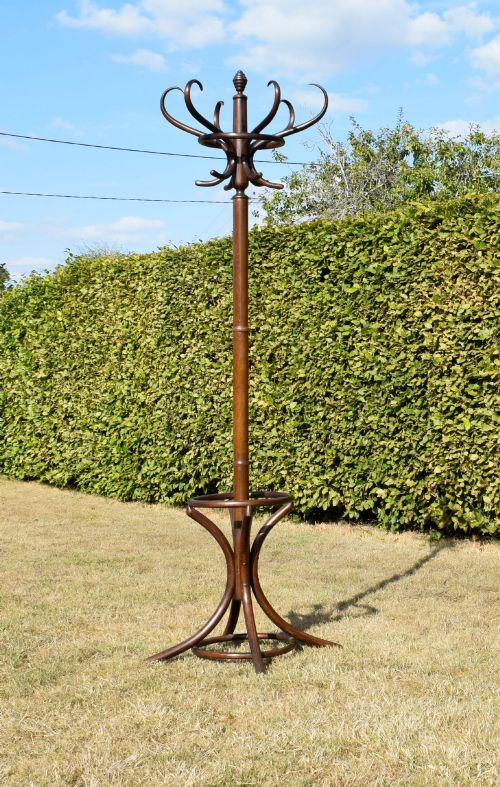
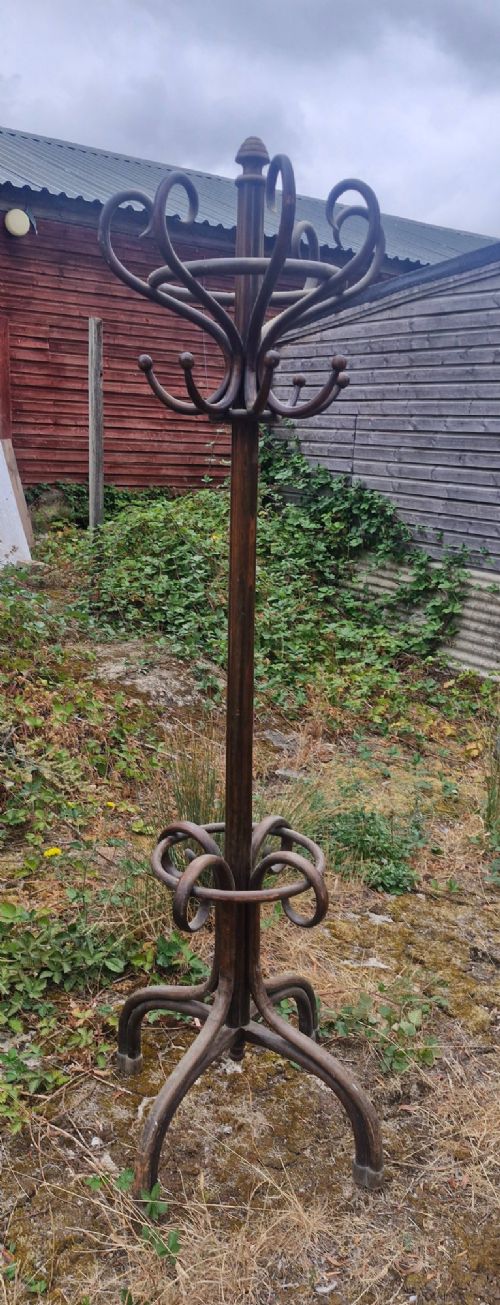
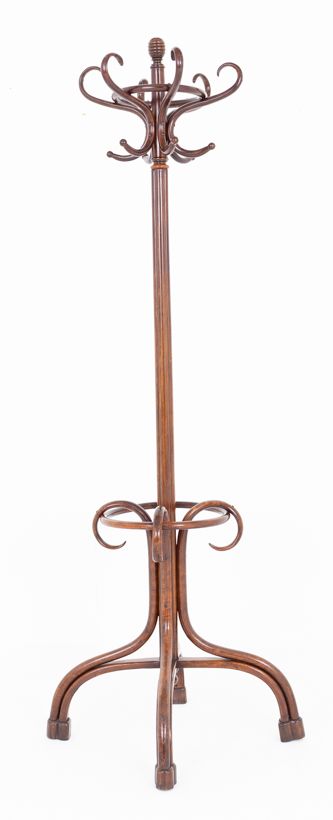
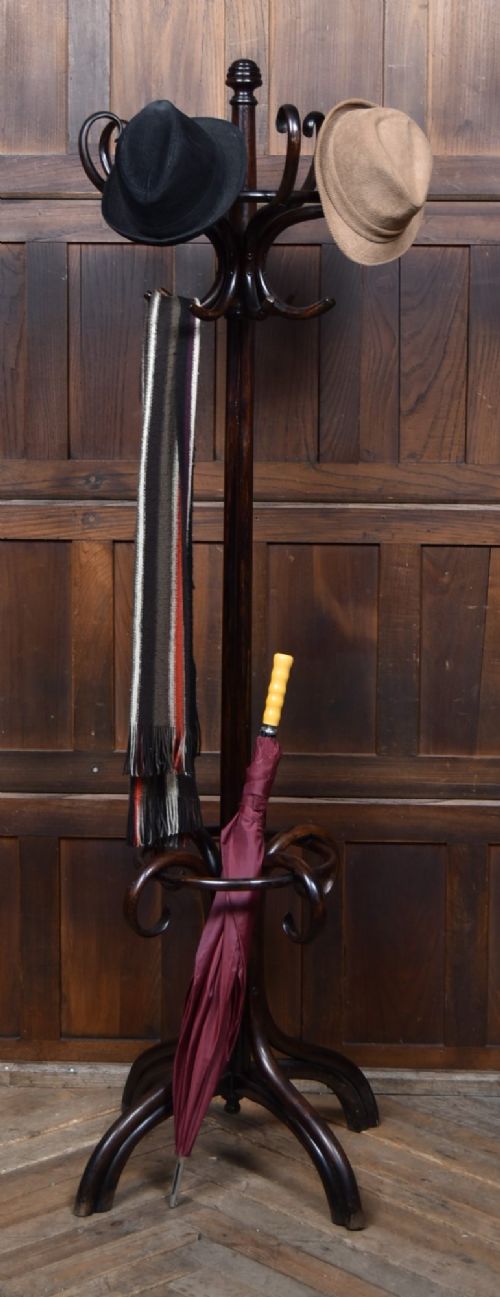
A victorian bentwood hall stand offers clever engineering and slender curves to organise hats, coats and umbrellas in an entrance.
Victorian Bentwood Hall Stand
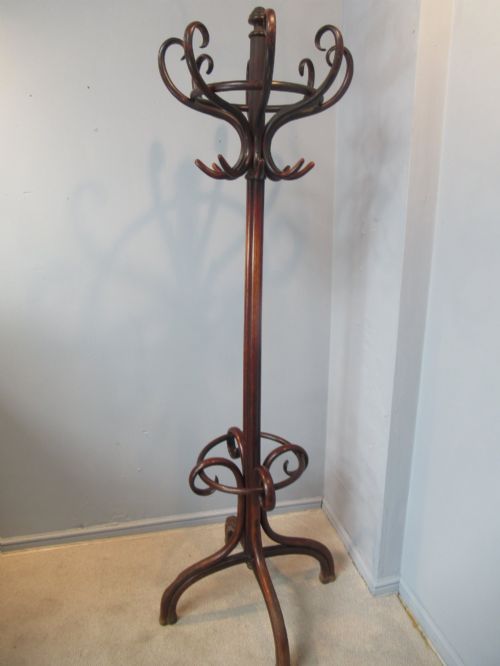
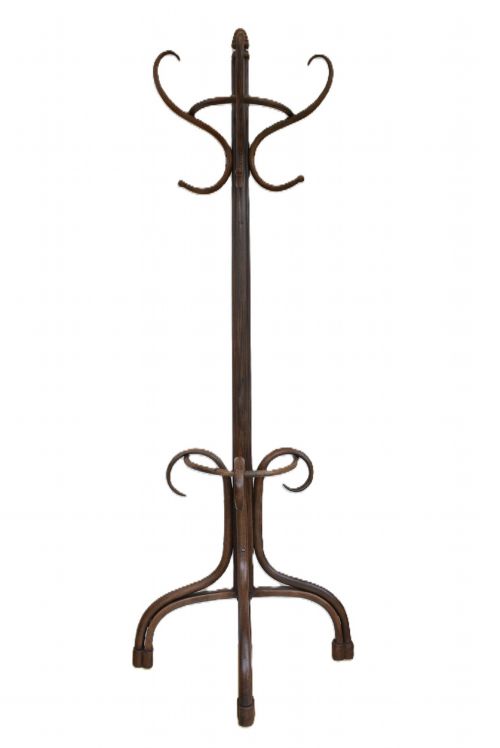
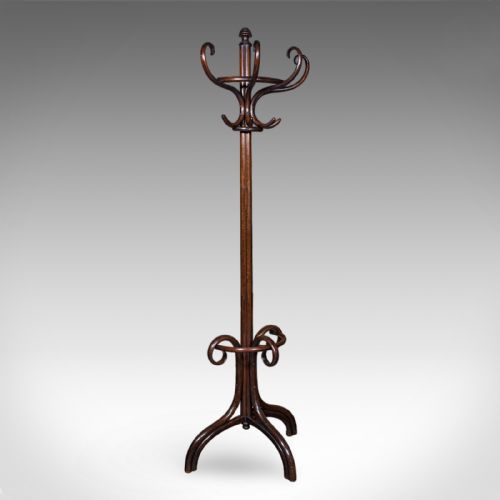
A victorian bentwood hall stand takes the form of a vertical upright fitted with multiple arched hooks for hats, coats and scarves. Many examples incorporate lower ring sections and metal drip pans designed specifically to hold walking sticks and umbrellas.
The pieces on this page span the late nineteenth century through to the early decades of the twentieth century. Forms range from half-round wall-standing variants to revolving designs and large central stands with double tops.
Makers working within Victorian, Edwardian and Austrian styles produced these items in considerable variety. The most frequent iteration is a tall beech frame featuring curved loops and scrolling brackets.
How they were made
Makers utilised solid beech and steamed beechwood for its unique flexibility under heat and moisture. Once softened in steam vats, workers bent the wood into flowing curves and held it in metal forms until the timber dried and retained its shape.
The components join together using screw threads, bolts and internal metal rods rather than complex joinery. Many finished items receive a coat of wood stain to highlight the grain of the bentwood loops and structural collars.
Listings feature items from the 1880s, Victorian and Edwardian periods, constructed primarily from beech, bentwood and stained wood.
What varies in quality
Quality rests in the complexity of the scrolling brackets and the presence of a double top or revolving mechanism. Simpler items offer standard coat hooks, whilst finer productions incorporate specialised umbrella rings and original metal drip trays.
The crispness of the steam-bent curves and the retention of maker labels indicate superior workshop production. Thicker gauge timber and robust central turning denote a sturdier structure designed for daily hallway use.
Thonet·Fischel
The Victorian Bentwood Hall Stand Glossary
- Bentwood
- Timber shaped by applying heat and moisture to create permanent curves. This technique allows for lightweight yet rigid furniture frames.
- Hall stand
- An item of furniture placed in an entrance hall to store outdoor garments and walking gear. These typically combine coat hooks, hat racks and umbrella holders.
- Steamed beechwood
- Beech timber softened in steam chambers prior to bending. It forms the primary structural material for these stands.
- Revolving
- A design feature allowing the upper tier of hooks to turn on a central axis. This mechanism provides easier access to coats in tight spaces.
Victorian Bentwood Hall Stand: Frequently Asked Questions
How do I use a hall stand in a modern home?
Position the stand near your front entrance to hold everyday coats, hats and umbrellas. The vertical footprint takes up minimal floor space while offering substantial hanging capacity.
Ensure the stand sits on a flat surface so the weight of heavy winter coats distributes evenly across the base.
What is the difference between a coat stand and a hall stand?
A coat stand focuses primarily on hanging garments from upper hooks. A hall stand frequently incorporates lower umbrella rings and metal trays to catch rainwater.
Many Victorian examples combine both functions into a single unified frame.
How do I identify a Thonet bentwood piece?
Look for paper labels, stamped signatures or characteristic design patents pressed into the wood. Thonet pieces often display refined proportions and smooth steam-bent structural joints.
Similar Austrian and Viennese workshops produced comparable designs using identical bending techniques.
Can these stands support heavy winter coats?
The sturdy beech construction handles daily garments with ease. Distribute heavy coats evenly around the upper hooks to maintain balance.
Avoid overloading one side of a half-round or revolving stand to keep the frame stable.