

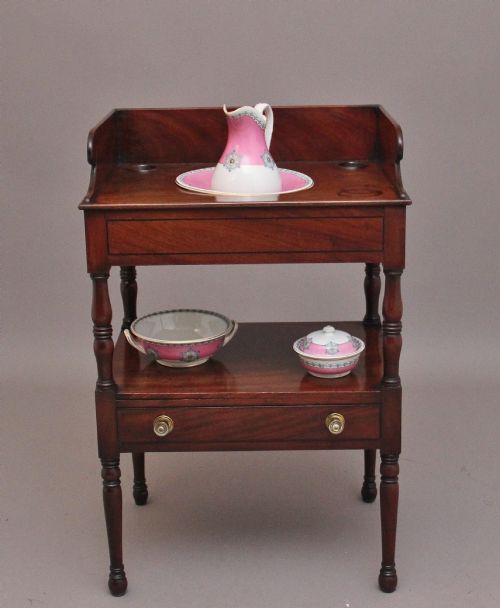


Victorian Basin Stand
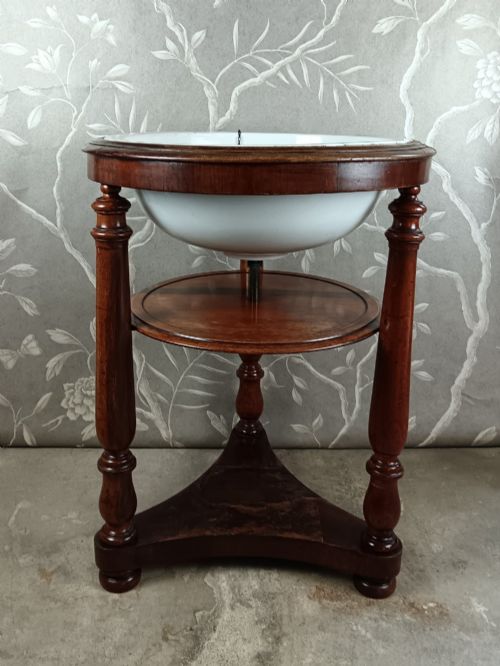
A victorian basin stand is a practical piece of bedroom furniture designed to hold a wash bowl and jug before plumbed bathrooms existed.
Victorian Basin Stand
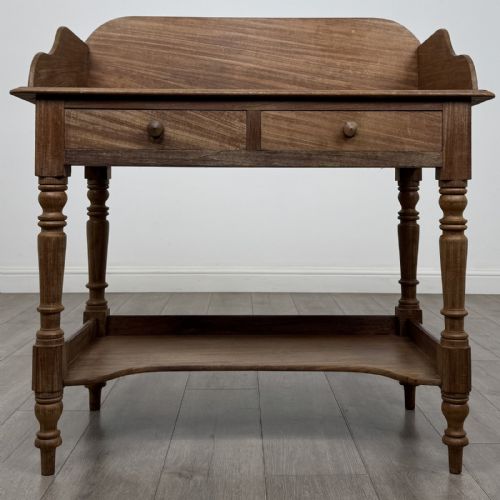
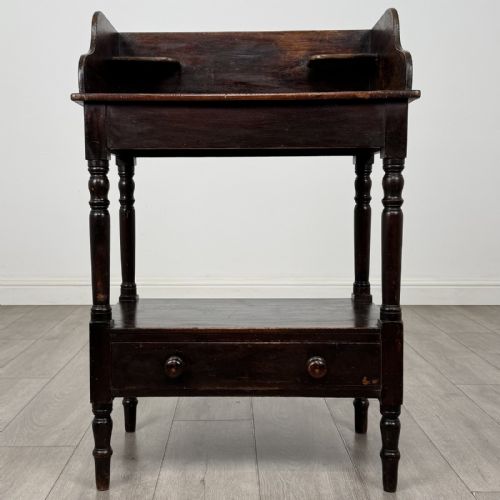
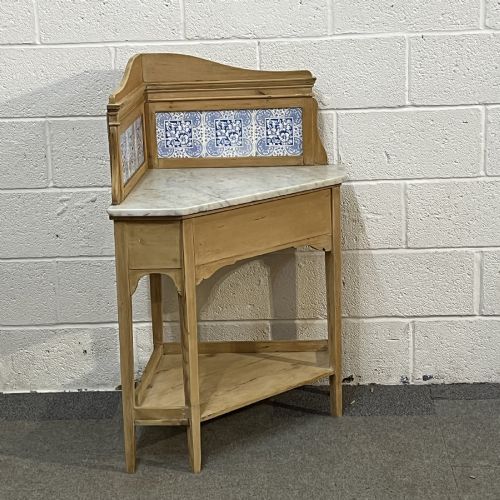
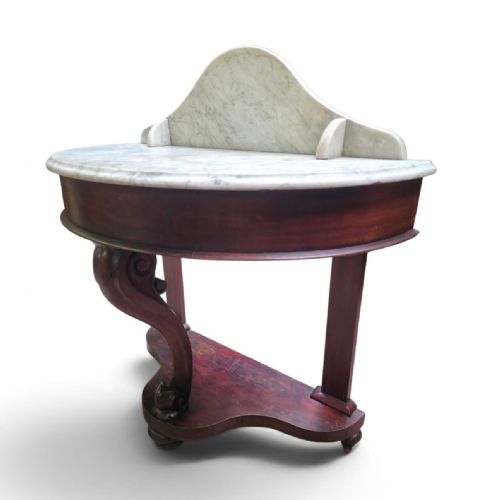
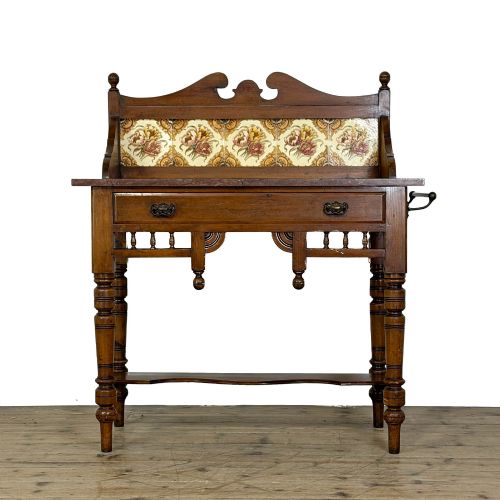
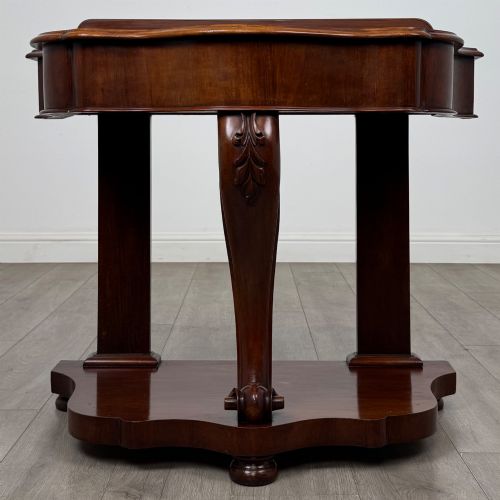
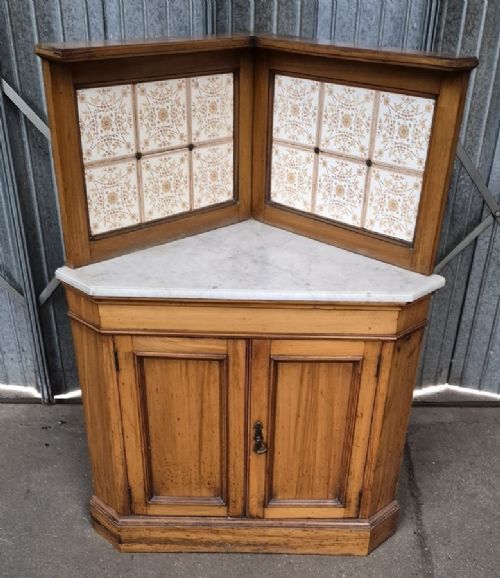
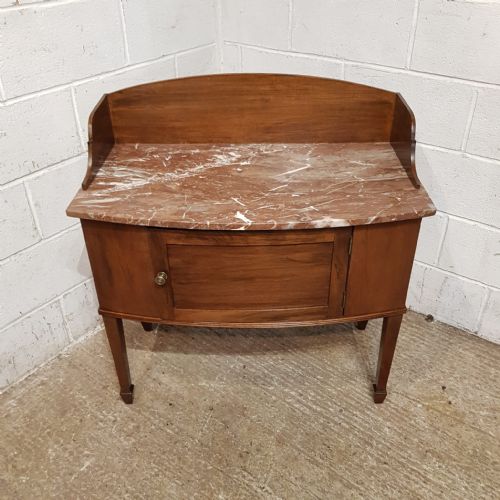
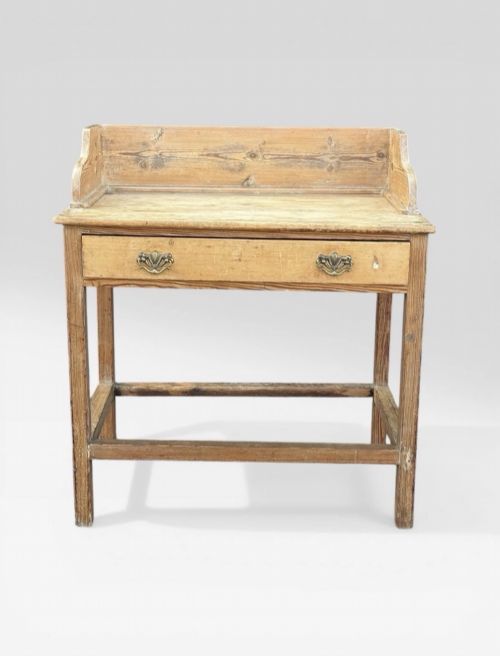
A victorian basin stand takes several distinct forms, ranging from corner washstands and bow-fronted tables to campaign pieces and cabinet designs. You will frequently meet mahogany and pine versions on this page, spanning the Victorian and Edwardian periods.
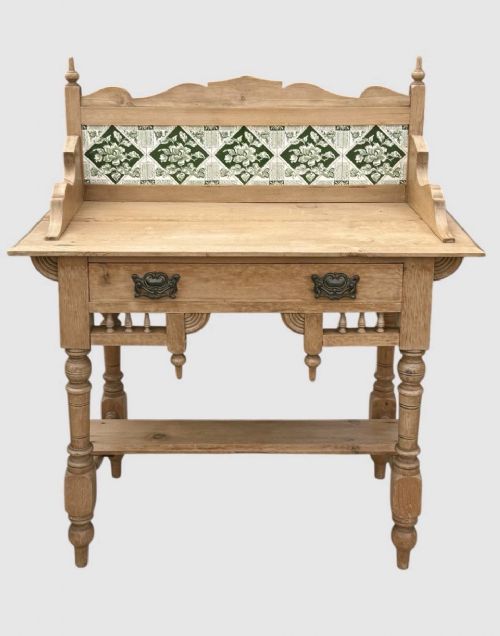
Makers produced these stands in various configurations, including round campaign models, ship stands in teak or mahogany, and rustic painted pine units. Some examples feature marble tops and tile gallery backs designed to protect walls from splashing during daily washing routines.
Materials and Construction
Cabinetmakers utilised hardwoods such as mahogany and satin birch alongside softer timbers like pine, occasionally applying paint finishes or faux marble effects. Brass fittings appear on campaign and maritime variants designed for travel.
Many better pieces incorporate fitted marble tops to withstand water contact, while others rely on ceramic basins and tile backs. Joinery methods follow traditional nineteenth-century workshop practices, accommodating drawers, shelves, and basin rings.
Victorian Basin Stand Retail Price Guide 2026
Typical asking prices for victorian basin stand among the pieces listed under this phrase on Sellingantiques today, from the lower quarter to the upper quarter. They describe what is for sale here now, not the wider market.
Listings feature mahogany, pine, marble, brass, and satin birch across Victorian and Edwardian periods.
Distinguishing Quality
The choice of timber and the sophistication of the design dictate the standing of each piece, from simple rustic pine to figured mahogany and satinwood inlay. Superior examples display refined proportions, integrated tile gallery backs, and original brass hardware.
The retention of original surfaces, such as grain paint finishes or untouched marble slabs, separates standard utilitarian pieces from finer specimens produced by established makers.
Walker And Sons·Gillows
The Victorian Basin Stand Glossary
- Washstand
- A piece of furniture built to hold a basin, jug, and washing accessories for personal hygiene. These items became standard bedroom furnishings throughout the nineteenth century.
- Campaign
- Portable furniture constructed for travel, typically featuring dismantling frames or brass mounts. These pieces were utilised by military officers and travellers.
- Satinbirch
- A timber derived from the birch tree exhibiting a natural shimmering grain pattern. Cabinetmakers favoured it for polished bedroom furniture during the Victorian era.
- Tile gallery back
- A raised ceramic tile arrangement positioned at the rear of a washstand top. This feature protected walls from water splashes.
Victorian Basin Stand: Frequently Asked Questions
What is a victorian basin stand used for?
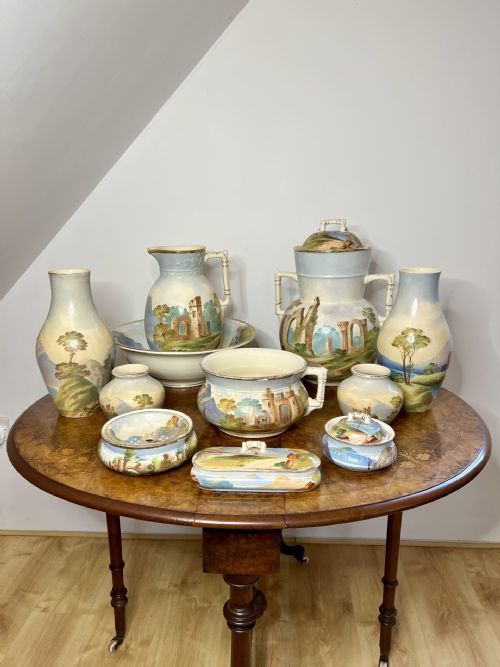
These pieces served as personal washing stations in bedrooms before the widespread installation of indoor plumbing. They held ceramic bowls, ewers, and soap dishes for morning and evening routines.
Today, many buyers repurpose them as bathroom sink units or hallway console tables, combining period character with modern utility.
How do I identify campaign washstands?
Campaign washstands feature portable elements designed for easy packing and transport during military or maritime travel. They often include folding frames, round basins, and durable brass hardware.
Woods like mahogany and teak were chosen for their resilience against changing climates during transit.
Are marble tops original to these stands?
Many nineteenth-century washstands were fitted with marble tops to provide a water-resistant surface for daily washing. These slabs were embedded into the wooden frame during manufacture to handle moisture.
Purchasers should examine the fit between the marble and the timber surround to assess originality.
How do I care for antique wood?
Antique timber surfaces benefit from occasional waxing and protection from excessive moisture and direct sunlight. Wiping away standing water promptly preserves the original polish and grain.
Gentle maintenance preserves the historical finish without stripping the patina accumulated over the decades.