
Victorian Barley Twist
When you encounter a victorian barley twist, you meet a spiralled wooden or turned metal form that brings tactile depth to nineteenth-century domestic furniture.
Victorian Barley Twist
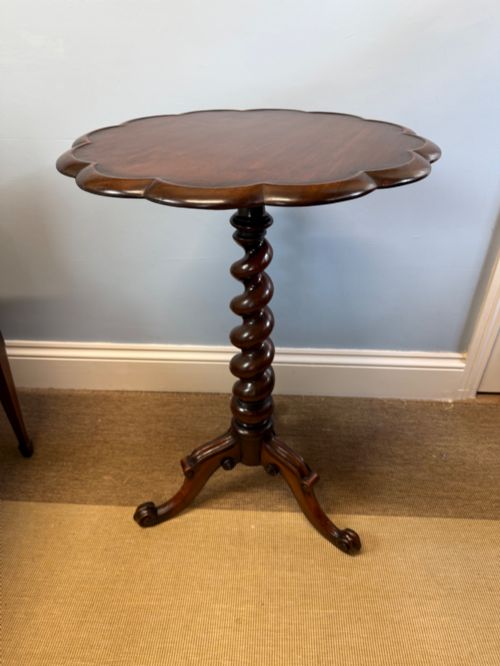
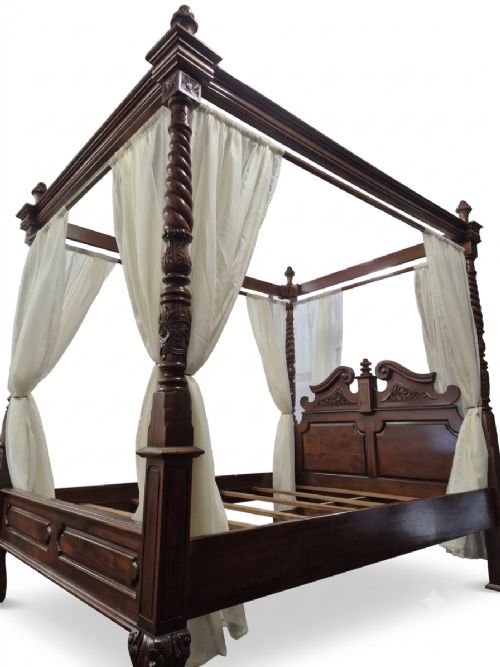
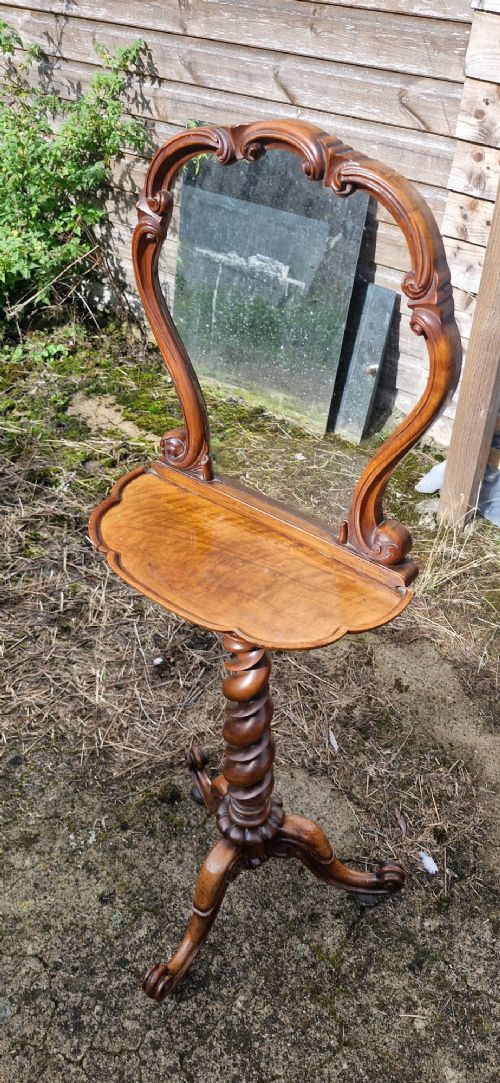
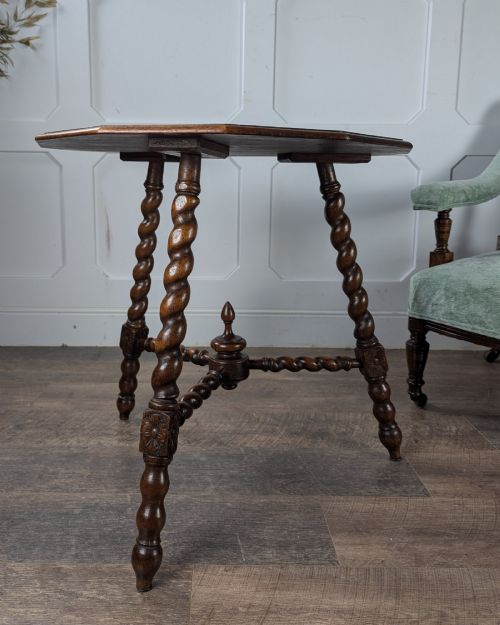
Pieces bearing a victorian barley twist span domestic furniture and decorative objects from the nineteenth century, including small occasional tables, stands, and seating frames.
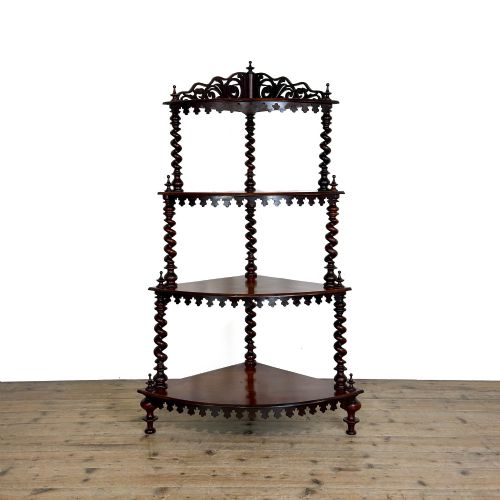
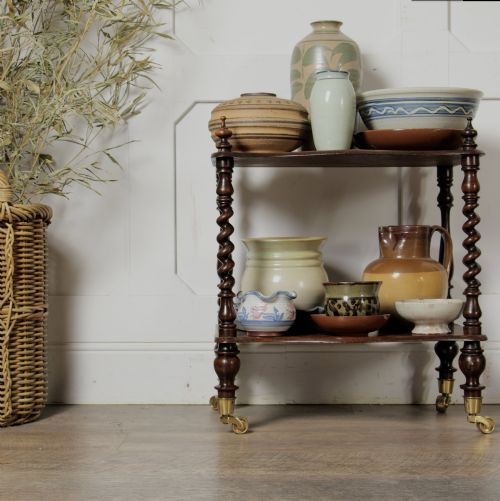
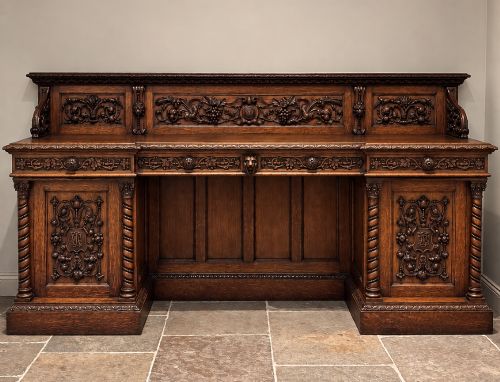
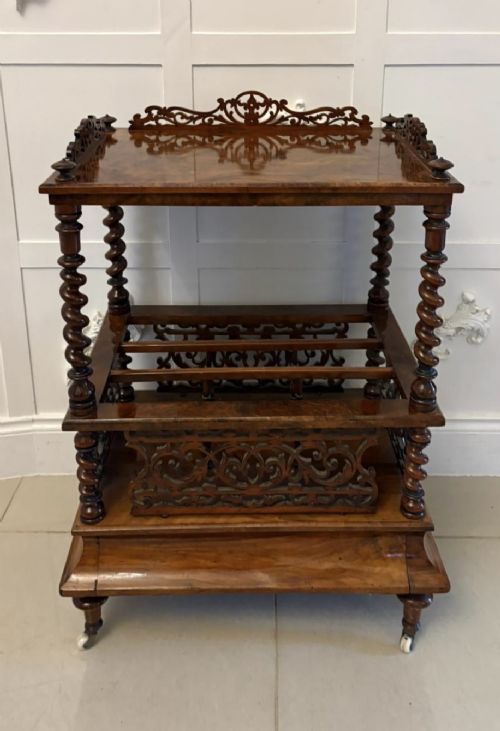
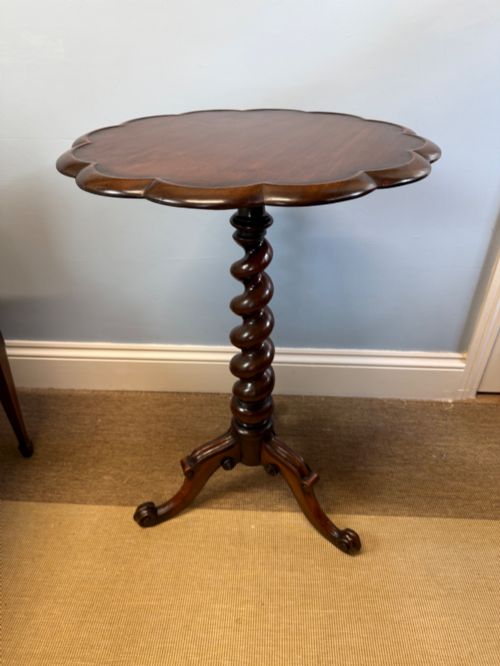
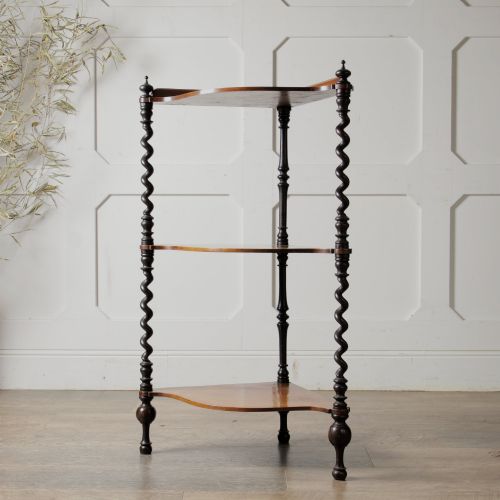
The spiral turning appears on walnut, mahogany, and oak pieces, frequently defining the legs of side tables or the upright supports of three-tier whatnots.
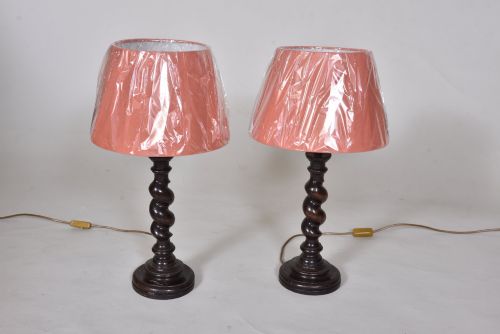
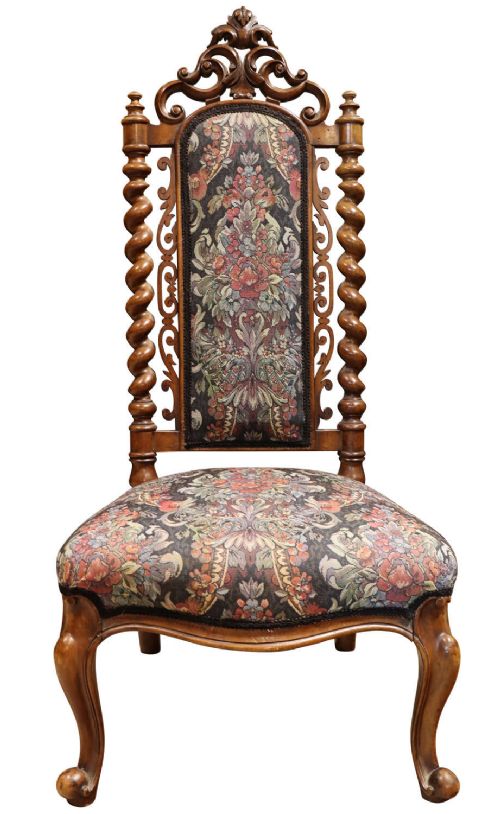
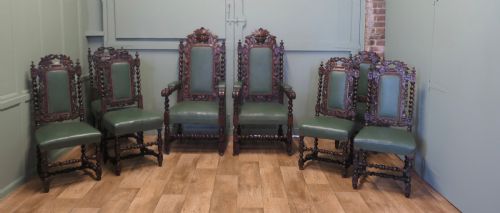
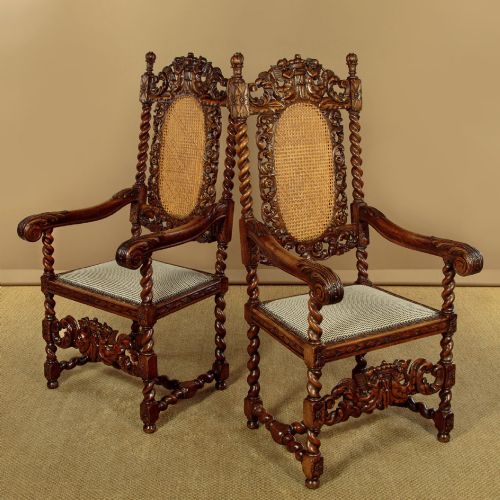
Buyers most commonly meet these turned spirals on occasional tables, lamp stands, and dining chairs originating from the mid-Victorian decades.
Materials and Turning Technique
Cabinet makers utilised dense hardwoods such as walnut, mahogany, and oak to carve and shape the continuous diagonal ridges of the twist.
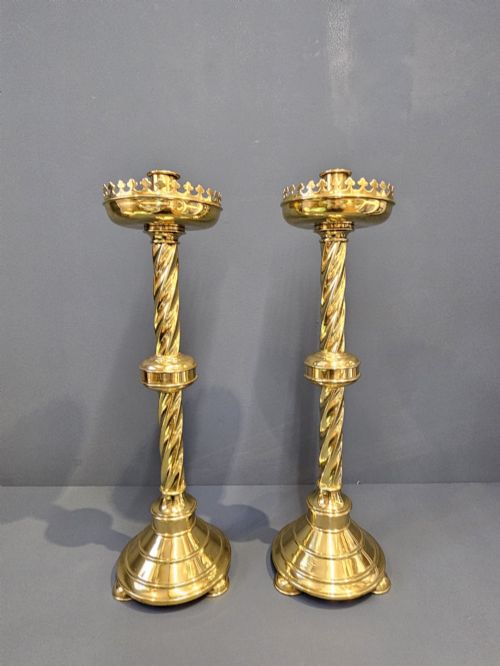
The spiral profile was produced by hand or on a lathe, requiring steady precision to maintain an even pitch and clean rotation along the length of a table leg or candlestick stem.
Listings feature walnut, oak, mahogany, and rosewood alongside brass and bronze across tables, chairs, whatnots, and candlesticks.
Evaluating Execution and Timber
Quality rests in the crispness of the carved spiral and the selection of figured timbers like burr walnut or flame mahogany rather than plain secondary woods.
Superior examples display harmonious proportions between the turned elements and the structural frame, whereas lesser pieces show blunt edges and clumsy joinery.
C. Hindley & Sons·J. Parker of Woodstock
The Victorian Barley Twist Glossary
- Barley twist
- A spiral turning resembling the stalk of barley, popular in furniture and decorative metalwork during the nineteenth century.
- Whatnot
- A set of open shelves supported by upright pillars, used for displaying ornaments or holding books.
- Occasional table
- A small, movable table designed for minor domestic uses such as holding a lamp or book.
- Chiffonier
- A low sideboard or cabinet featuring shelves or a raised back above a central storage compartment.
Victorian Barley Twist: Frequently Asked Questions
What periods do these pieces date from?
The recorded inventory spans the nineteenth century, with particular concentration in the Victorian era from the eighteen-fifties through the eighteen-eighties.
Earlier influences appear in revival styles, while the core manufacturing aligns directly with mid-Victorian cabinet making.
How were barley twist tables used?
These small tables served practical roles beside armchairs or in hallways as stands for lamps, writing materials, or decorative objects.
Their portable proportions allowed them to move easily about nineteenth-century reception rooms.
Which woods appear most often?
Walnut and mahogany form the majority of the surviving furniture, accompanied by solid oak in heavier dining chairs and occasional pieces.
Brass and bronze also occur in candlesticks and fender rails utilising the same spiral motif.
How do I distinguish walnut from mahogany?
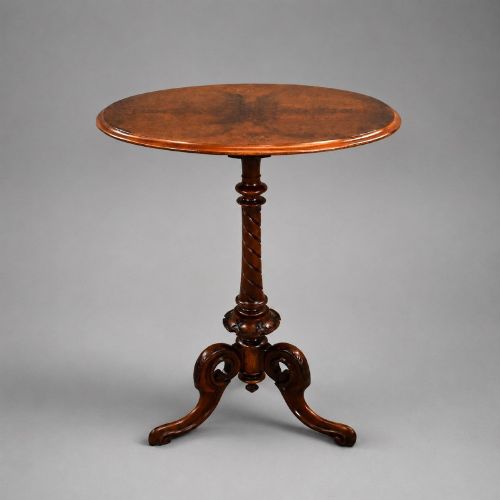
Walnut tends to exhibit richer grain patterns and warmer, lighter brown tones, frequently enhanced by burr figuring on table tops.
Mahogany displays a deeper reddish-brown coloration with a tighter, more uniform grain structure.