

Victorian Bamboo Stand
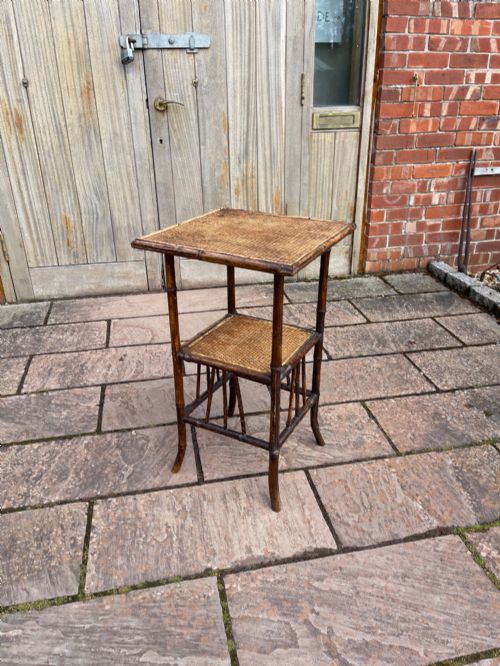
When you search for a victorian bamboo stand, you are looking at lightweight furnishings spanning side tables, hall stands, and plant holders.
Victorian Bamboo Stand
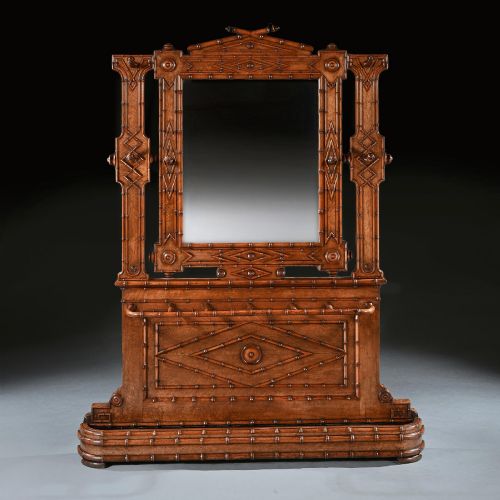
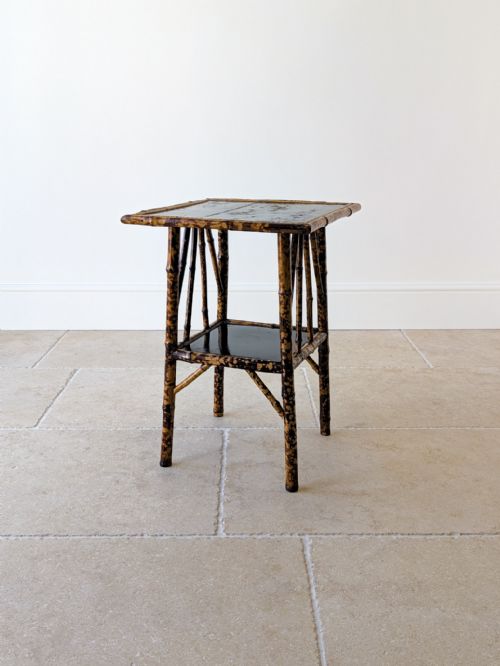
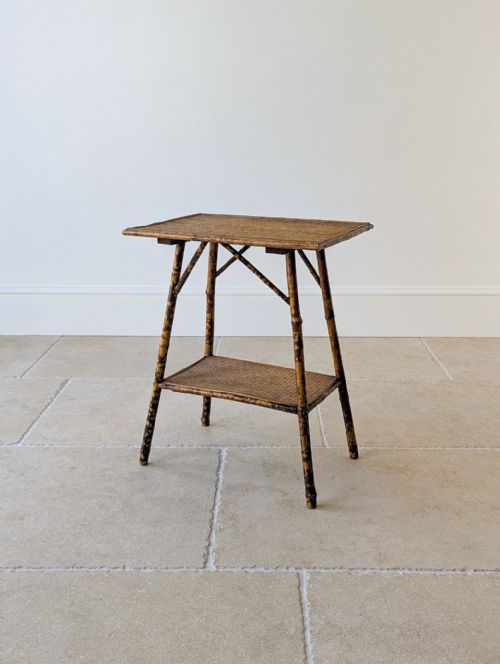
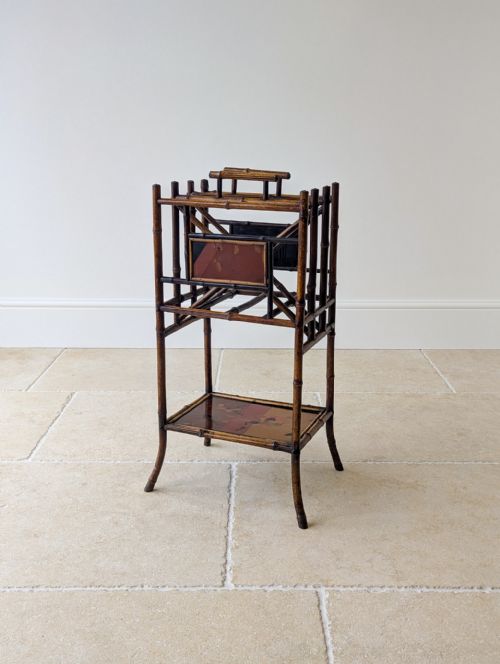
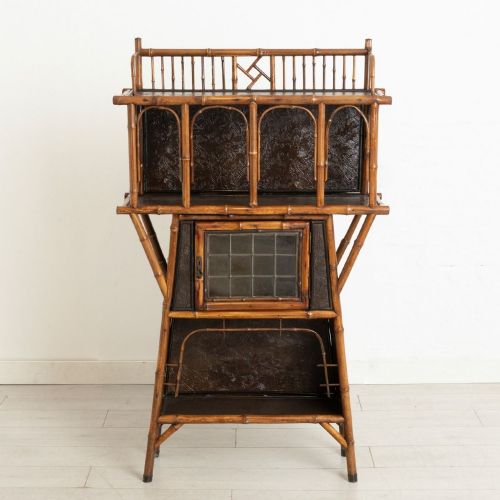
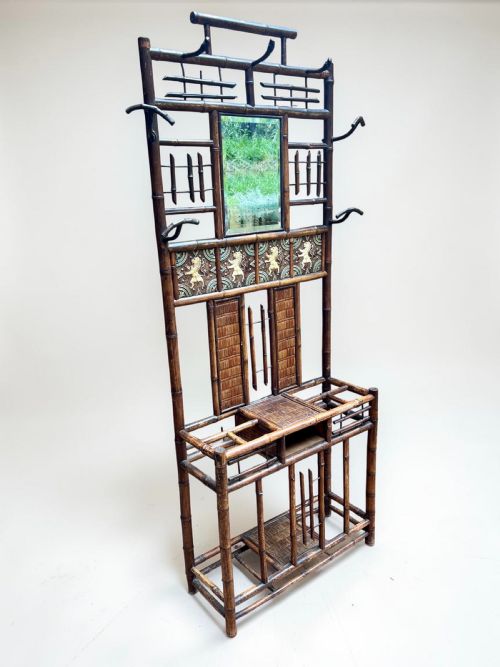
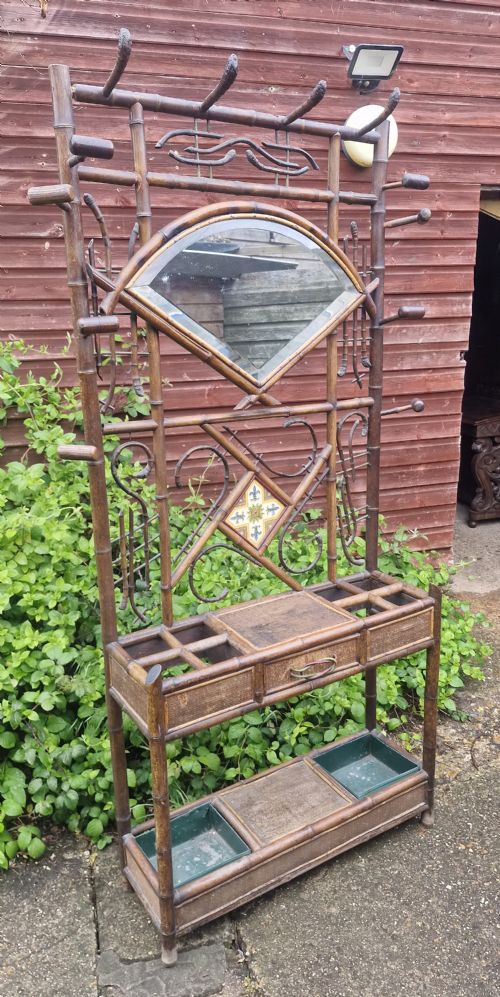
A victorian bamboo stand encompasses a diverse array of domestic furnishings created primarily during the late nineteenth century and the early decades of the twentieth century. The selection ranges from compact occasional tables and tiered shelves to functional hall stands equipped with mirrors and umbrella racks.
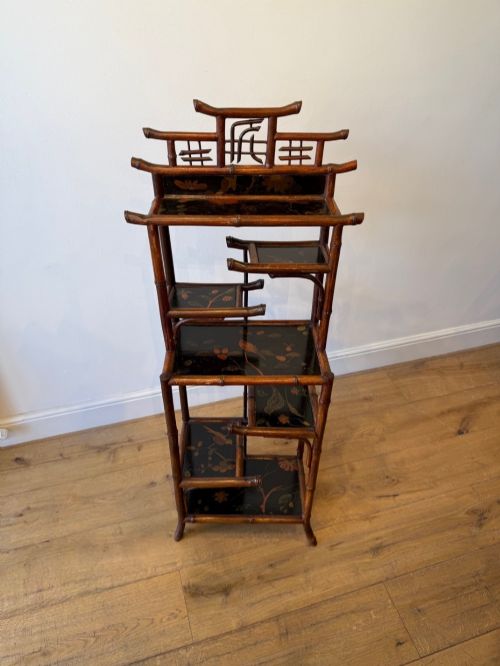
Buyers encounter numerous variations aligned with the Aesthetic Movement and Chinoiserie tastes of the period. These forms serve practical roles in hallways, drawing rooms, and bedrooms while introducing distinct orientalist motifs to domestic interiors.
The material expression extends beyond natural cane into painted wood and cast iron shaped to mimic the characteristic joints of natural bamboo. Pieces frequently incorporate supplementary elements such as lacquer panels, glass inserts, and woven rattan.
Materials and construction
Makers utilised natural bamboo stems and mottled tiger bamboo varieties, bending and joining the cane to form rigid frameworks for tables, cabinets, and umbrella stands. These lightweight skeletons were often paired with contrasting materials like leather, marble tops, and papier-mâché trays.
Surface decoration played a central role, employing hand-painted Chinoiserie scenes, Japanese-inspired motifs, and glossy black ebonised finishes. Metal variants cast from iron successfully replicated the segmented appearance of natural cane for heavy-use hallway furniture.
Listings feature items spanning the Victorian era through to the early twentieth century, incorporating natural bamboo, cast iron, and lacquer.
Factors of quality
Quality rests upon the structural integrity of the bamboo joints and the rigidity of the assembled frame. Superior examples demonstrate secure bindings, well-fitted tiers, and undamaged lacquer or hand-painted decorative panels.
Design complexity and maker attribution elevate certain items, particularly those produced by prominent firms or associated with the Aesthetic Movement. The inclusion of original mirrors, intact woven rattan, and specialised hardware distinguishes finer examples from utilitarian pieces.
Liberty and Co·Leonard Wyburd·Jennens and Bettridge
The Victorian Bamboo Stand Glossary
- Aesthetic Movement
- A nineteenth-century design philosophy prioritising visual beauty over narrative subject matter, heavily influenced by Japanese art and decorative traditions. This style shaped much of the bamboo furniture produced during the period.
- Canterbury
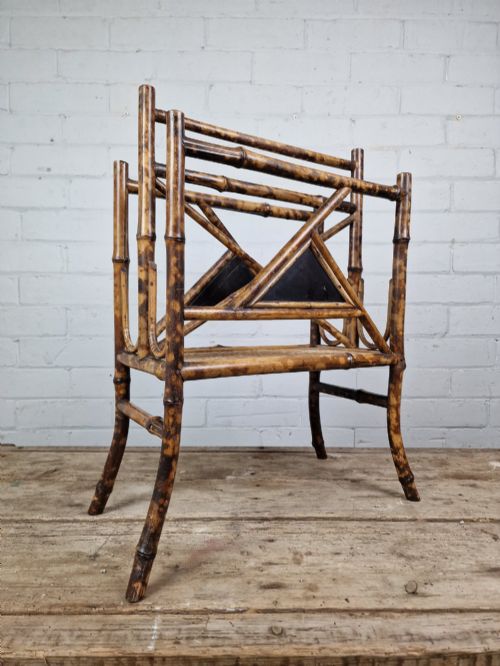
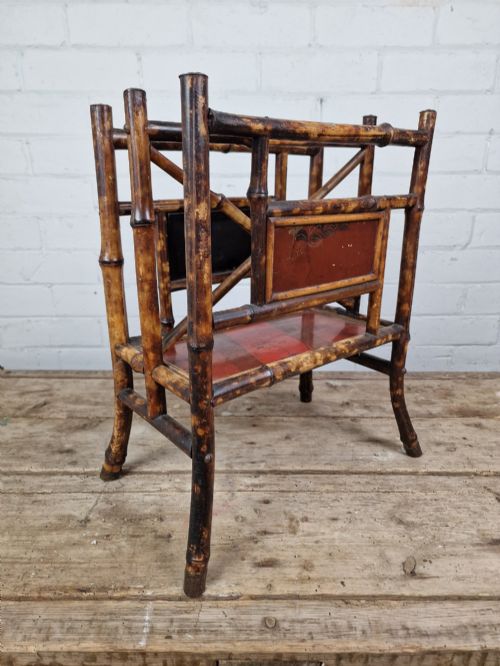
- A low multi-section rack designed specifically for holding sheet music, newspapers, or magazines. Many Victorian examples utilise bamboo frames and woven compartments.
- Chinoiserie
- European artistic interpretations of Chinese and East Asian decorative styles, commonly featuring painted motifs, lacquered surfaces, and exotic landscapes. It frequently appears on trays, cabinets, and stands.
- Faux bamboo
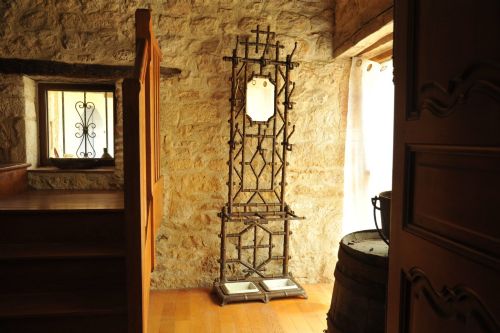
- Simulated bamboo carved or moulded from alternative materials such as pine, maple, or cast iron. This technique provided the exotic look of cane with increased durability for heavy items like hall stands.
- Tiger bamboo
- A distinctive variety of bamboo featuring natural dark mottled markings resembling tiger stripes. Makers selected this patterned cane for decorative plant stands and occasional tables.
Victorian Bamboo Stand: Frequently Asked Questions
What is a bamboo hall stand used for?
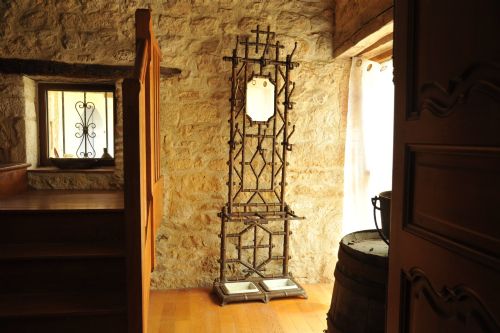
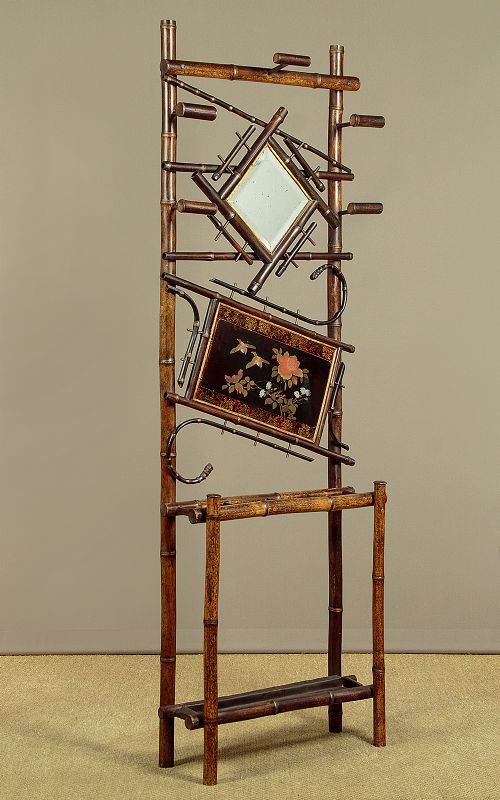
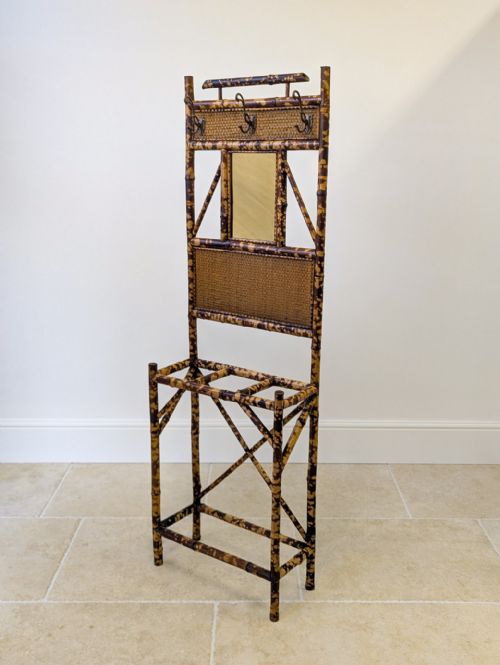
These tall hallway pieces provide designated hooks for hats and coats, alongside integrated umbrella or stick wells at the base. Many also incorporate a central mirror for last-minute checks before leaving the house.
Their narrow footprint made them practical additions to Victorian entranceways, combining storage with decorative display space.
How do I care for antique bamboo furniture?
Keep these pieces away from direct sunlight and excessive moisture to prevent the natural cane from drying out or splitting. Dust gently with a soft dry cloth and avoid harsh liquid cleaning products.
Due to the lightweight construction, avoid placing excessively heavy loads on delicate tiered shelves or small occasional tables.
How can I tell if a piece is Aesthetic Movement?
Aesthetic Movement pieces often display Japanese-inspired motifs, ebonised surfaces, and asymmetrical designs. They emerged in the late nineteenth century as a rejection of heavy Victorian upholstery in favour of artistic simplicity.
Look for combinations of lacquered panels, bamboo frames, and motifs drawn from nature.