


Victorian Balloon Chair
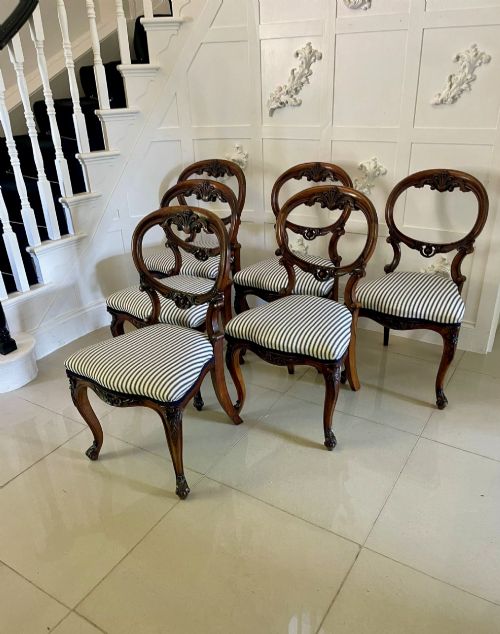
When choosing a victorian balloon chair, you are selecting a curving masterpiece of nineteenth-century seating designed for comfort and elegance.
Victorian Balloon Chair
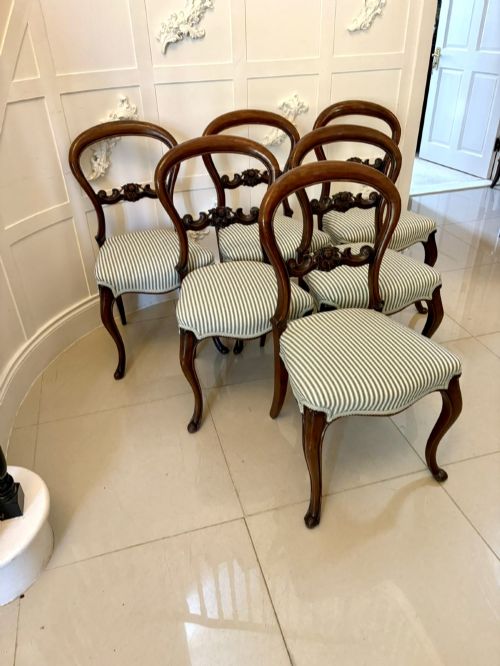
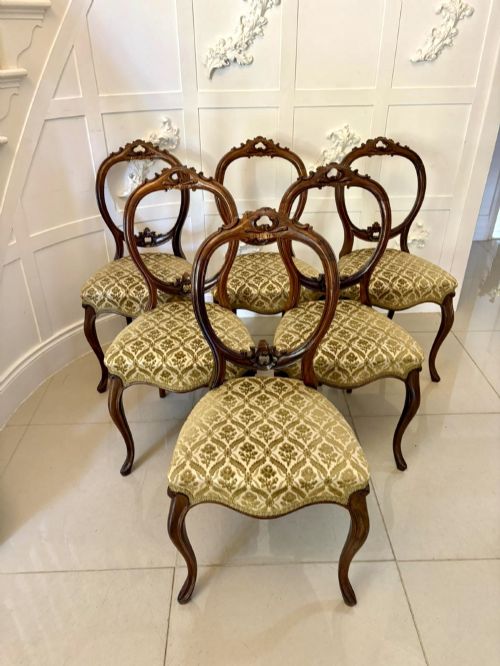
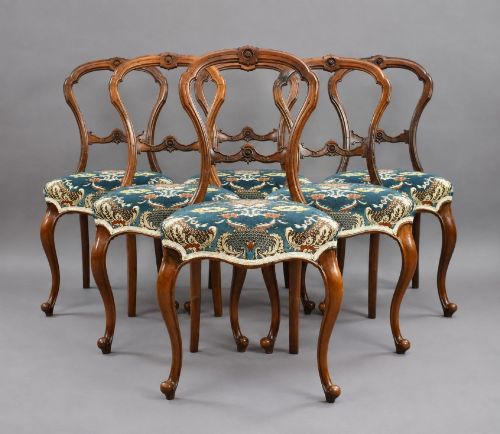
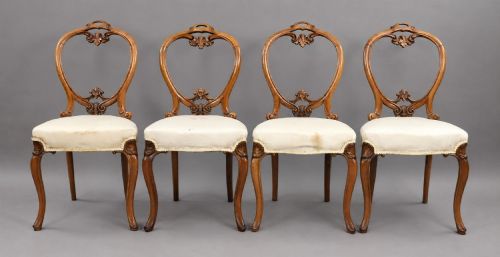
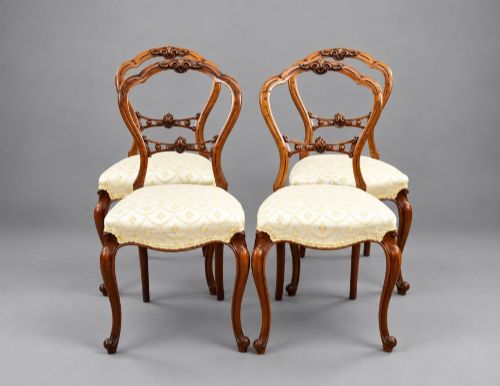
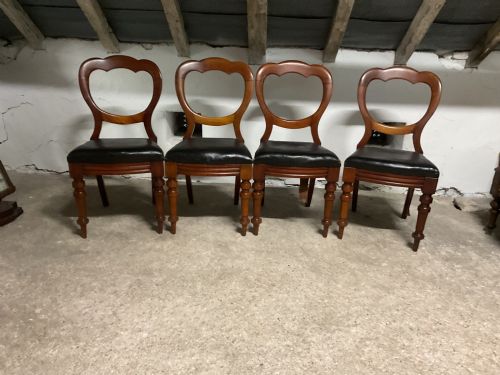
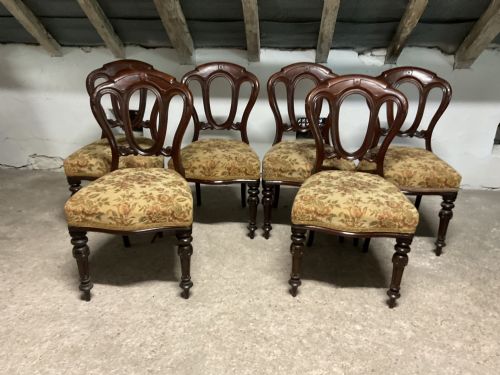
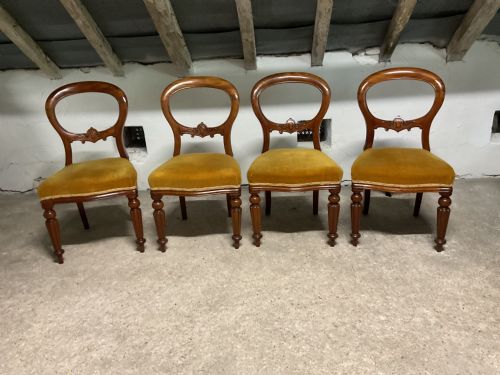
A victorian balloon chair is defined by its rounded, oval backrest that mimics the shape of a hot air balloon, offering both structural support and visual lightness. These pieces appear most frequently as dining chairs, side chairs, and occasional chairs within the records.
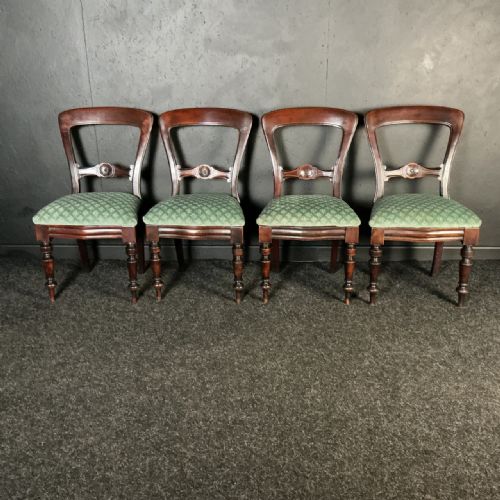
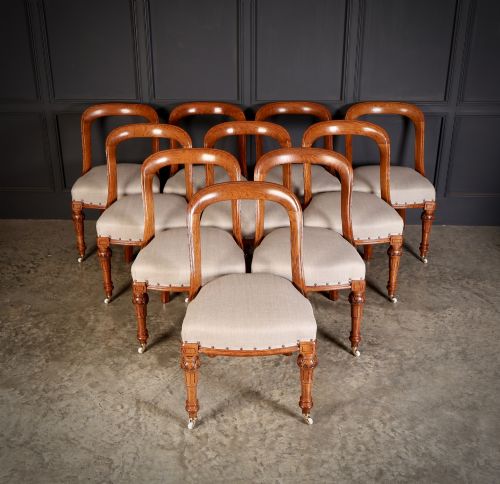
Makers produced these seating options in matched sets of four, six, eight, or ten for formal dining rooms, alongside individual armchairs and bedroom pieces. The form emerged strongly during the mid-nineteenth century, remaining a staple of domestic interiors through the Victorian era.
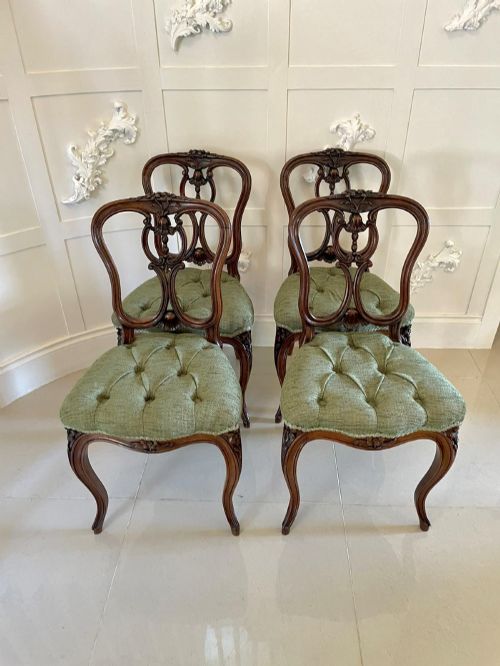
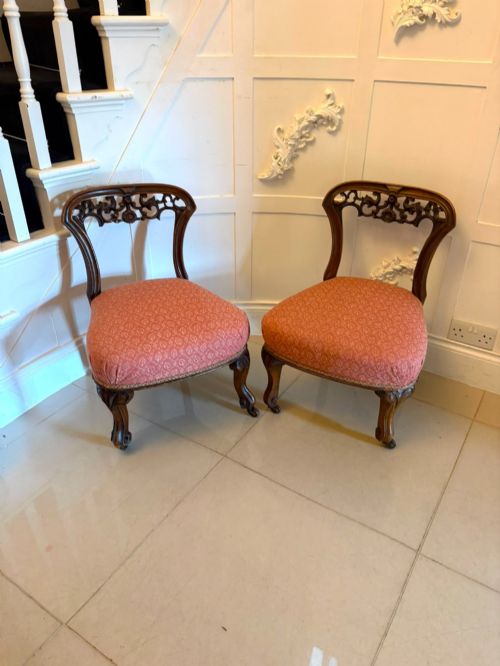
Buyers encounter walnut and mahogany examples most often, frequently featuring carved rails and upholstered seats. The overarching aesthetic ranges from restrained classical lines to ornate rococo revival curves.
What Varies in Quality
Quality rests significantly in the depth and crispness of the hand-carved details upon the wooden frame, particularly where the back meets the seat rail. Superior examples exhibit fluid, deep relief carving rather than shallow, machine-cut stamping.
The integrity of the timber joinery dictates longevity, with top-tier pieces maintaining tight tenon joints without excessive dowel reinforcement or wobble. Furthermore, the selection of figured mahogany or highly grained walnut veneers elevates the visual standard of the finished seat.
Form variations on this site include dining chairs, occasional chairs, armchairs, and matching sets.
Gillows
The Victorian Balloon Chair Glossary
- Balloon back
- A chair back shaped in a continuous oval curve resembling a traditional hot air balloon. This silhouette defines the primary aesthetic of the seating group.
- Cabriole leg
- A furniture leg that curves outward at the knee and tapers inward toward the ankle, ending in a pad or scroll foot. This style draws inspiration from ancient Chinese forms and eighteenth-century French design.
- Rococo Revival
- A nineteenth-century design movement characterised by asymmetrical C-scrolls, naturalistic floral motifs, and lavish ornamentation. It heavily influenced the carved wooden frames of mid-Victorian seating.
- Side chair
- An upright chair without arms, intended primarily for dining tables or occasional use against a wall. These form the vast majority of surviving sets.
- Brocade
- A rich, heavy shuttle-woven fabric featuring raised decorative patterns, often utilised for period upholstery. It adds texture and colour to the seat pads.
Victorian Balloon Chair: Frequently Asked Questions
What is a balloon back chair?
A balloon back chair is a nineteenth-century seating form featuring an oval wooden backrest shaped like a hot air balloon. The design provides ergonomic support while maintaining an open, graceful silhouette.
These pieces were produced extensively across the Victorian period in various woods like mahogany and walnut. They served primarily as dining and occasional chairs in formal homes.
How do I date a victorian balloon chair?
Dating involves examining the wood species, carving style, and construction methods used in the frame. Mid-century examples often display rich rosewood or finely figured walnut with hand-carved rococo motifs.
Later Victorian versions tend toward simpler mahogany frames or machine-assisted joinery. Matching sets often retain original upholstery tack patterns or remnants of early stuffing materials.
Are these chairs comfortable for daily dining?
These chairs offer surprisingly comfortable seating thanks to the supportive curve of the oval backrest. Many retain traditional sprung or deeply padded seats designed for long dinner parties.
When modern webbing and padding are professionally restored, they easily accommodate daily use around a modern dining table. The upright posture encourages good dining etiquette.
How should I care for antique wood and upholstery?
Maintain the timber frames by applying natural beeswax sparingly to nourish the grain and prevent drying. Avoid placing antique wood in direct sunlight or near heat sources.
Vacuum upholstered fabric gently with a soft brush attachment to remove dust. Professional cleaning is recommended for delicate textiles like velvet or antique brocade.