
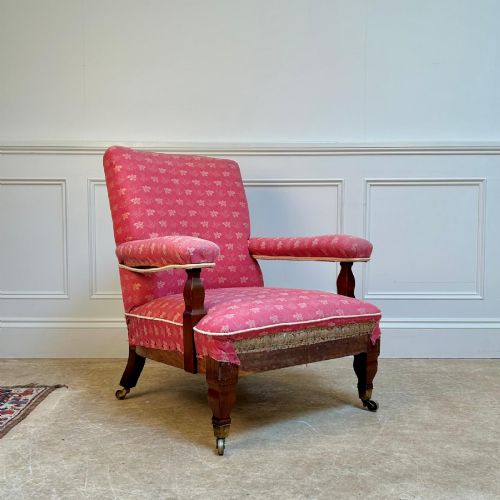




Victorian Arts Crafts Chair
These seating designs unite honest construction with utility, offering a direct link to nineteenth-century reform aesthetics.
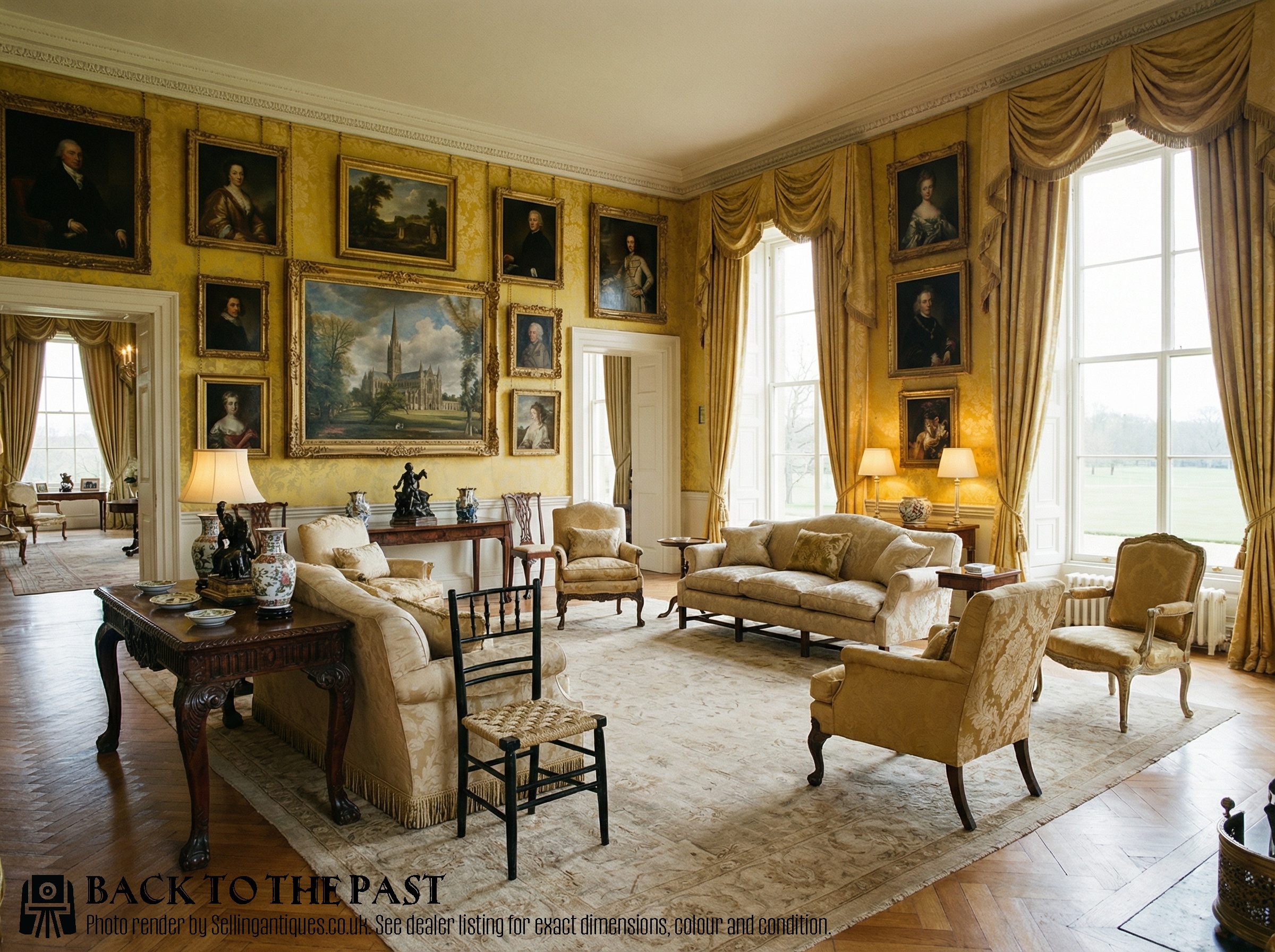
Victorian Arts Crafts Chair
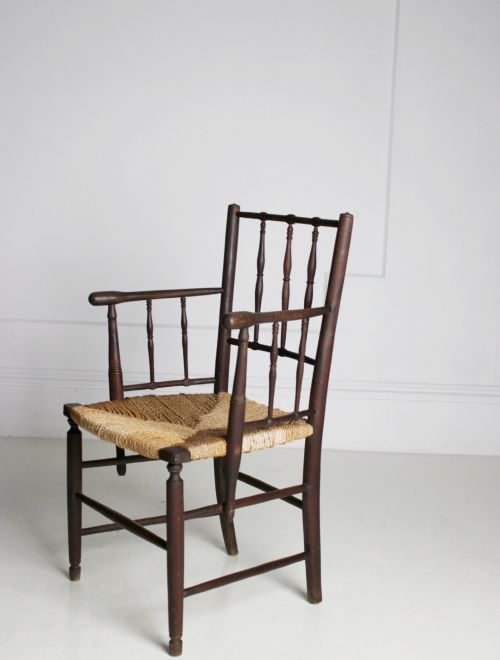
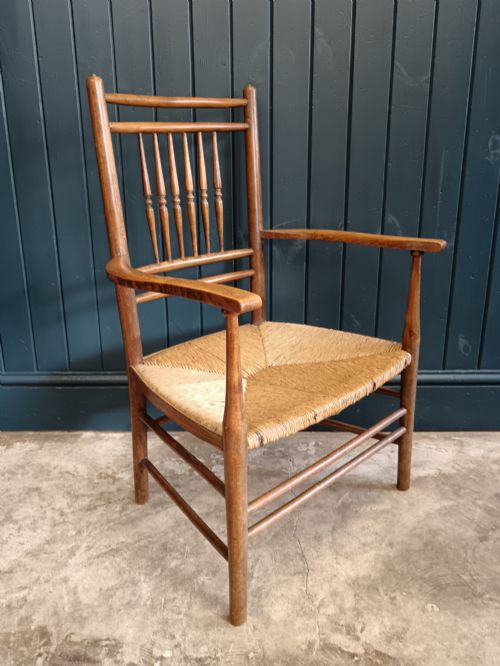
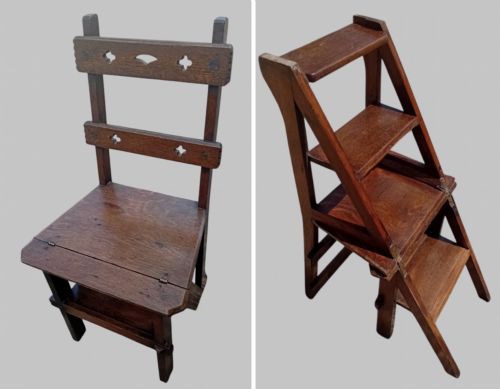
A victorian arts crafts chair encompasses various domestic and institutional forms, ranging from simple rush-seated fireside models to revolving office seats and metamorphic library steps.
The material record shows a prevalence of oak, walnut, and beech frames, often associated with workshops producing vernacular or reform furniture during the latter half of the nineteenth century.
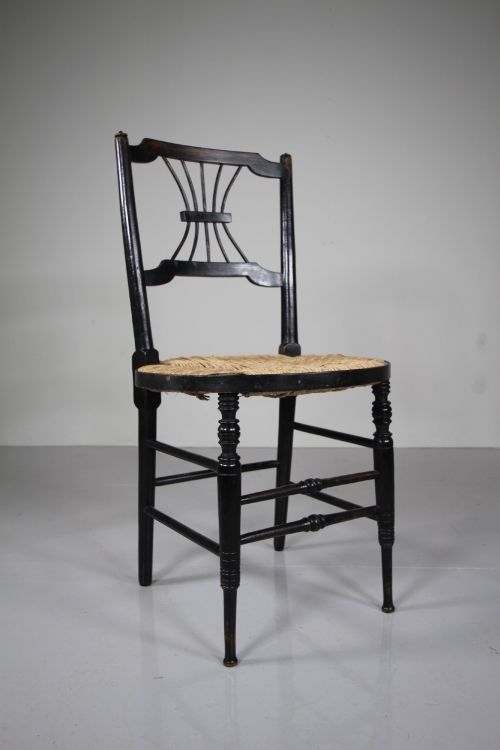
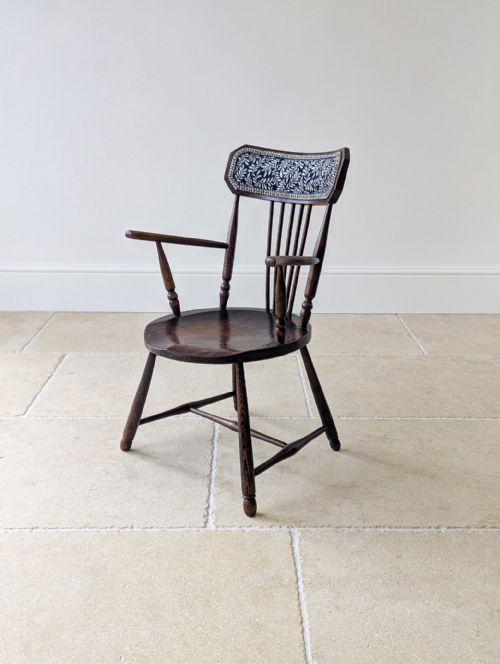
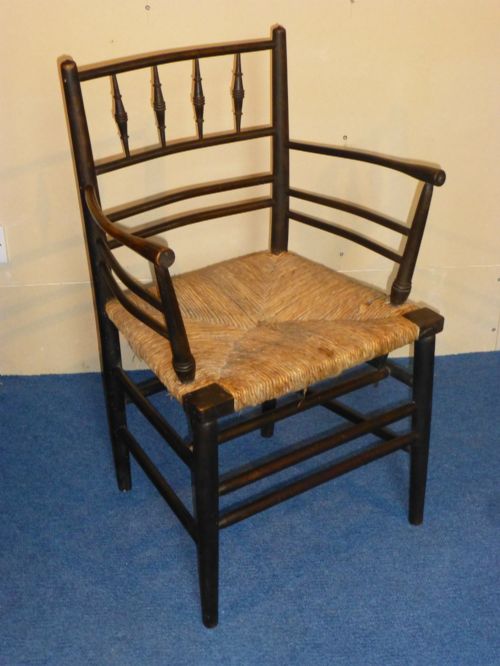
Buyers regularly encounter specific variations such as the Sussex armchair, spindle-backed side chairs, and heavy oak hall chairs featuring inset ceramic tiles or carved panels.
Materials and Construction
Frames rely primarily on solid native timbers like oak, beech, and walnut, frequently joined with exposed pegs or simple turned spindles rather than concealed metal fixings.
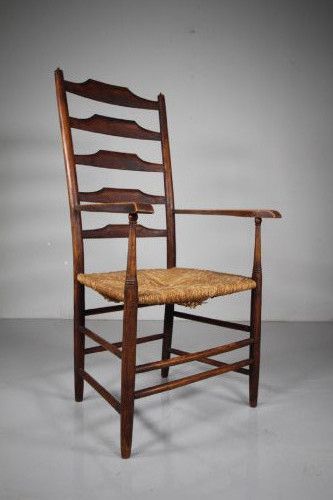
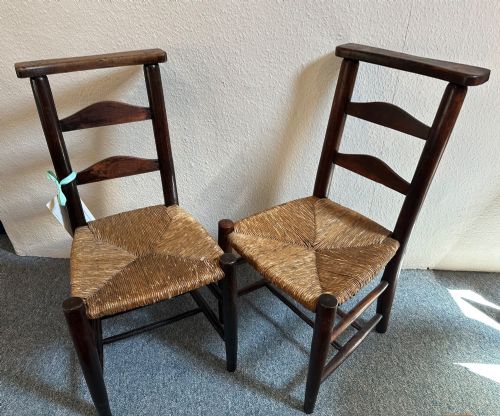
Seating surfaces utilise woven rush, split cane, upholstered leather, or patterned fabric dropped into rebated wooden rails.
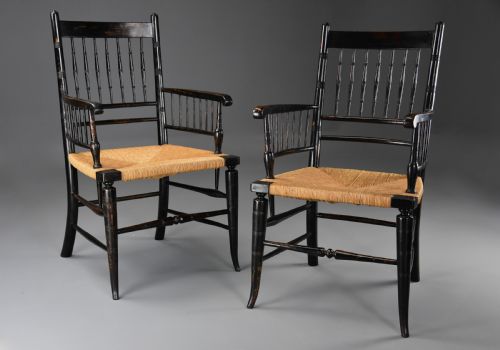
Surface treatments range from ebonised finishes and dark staining to waxed golden oak that highlights the natural grain of the wood.
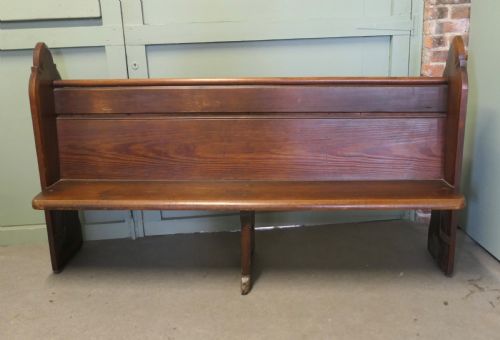
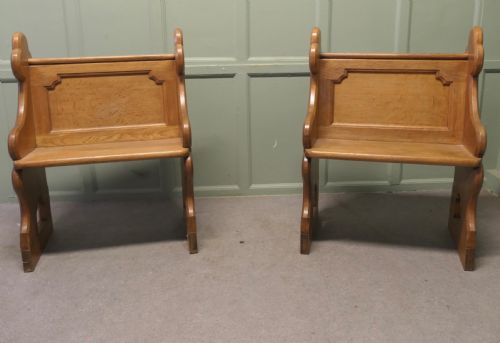
Some church pews double as quiet places to contemplate eternity while waiting for Sunday service.
Evaluating Quality
Excellence in these pieces lies in the crispness of turning, the structural integrity of the frame joints, and the survival of original components such as rush seats and maker stamps.
Subtleties of design, including balanced proportions in spindle placement and thoughtful carving, distinguish workshop productions from mass-market equivalents.
William Morris·Philip Webb·Liberty and Co·Gillows·Bruce James Talbert·E W Godwin·Shoolbred
The Victorian Arts Crafts Chair Glossary
- Sussex chair
- A lightweight spindle-backed seating form with a rush seat, produced by Morris and Co. based on traditional vernacular prototypes.
- Metamorphic chair
- A dual-purpose object that transforms from a functional seat into a set of library steps through hinged mechanical movement.
- Rush seat
- A seating surface woven from dried marsh grass twisted into cords, common on vernacular and Arts and Crafts chairs.
- Ebonised
- Wood finished with a black stain or polish to imitate ebony, widely utilised during the Aesthetic Movement.
- Gothic Revival
- An architectural and decorative style drawing inspiration from medieval forms, characterised by pointed arches and heavy timber construction.
Victorian Arts Crafts Chair: Frequently Asked Questions
What defines a Sussex chair?
A Sussex chair is a lightweight seating form characterised by turned wooden spindles and a woven rush seat. These designs originated from traditional vernacular patterns popularised by reform workshops in the nineteenth century.
They function well as occasional or dining seating, providing a slender profile that suits compact interiors.
How do metamorphic library chairs work?
Metamorphic library chairs pivot or unfold on integrated hinges to transform from an armchair or side chair into a small set of steps. This dual purpose provided practical utility for reaching high bookshelves in Victorian libraries.
Operation requires careful handling of the original wooden pivots to prevent strain on the historical joints.
What materials are typical for these chairs?
Solid timbers such as oak, walnut, beech, and mahogany form the structural frames, often complemented by rush, cane, leather, or fabric inserts. Ebonised finishes and exposed grain waxing frequently appear across different models.
Maintenance involves feeding dry wood with appropriate wax and protecting woven rush from excessive moisture.
Where were these chairs used originally?
These pieces served multiple environments, from domestic libraries and bedrooms to offices, halls, and ecclesiastical spaces like churches and cathedrals. Hall chairs often incorporated ceramic tiles or carved panels for decorative impact in entranceways.
Living with them today involves placing them in studies, hallways, or dining rooms where their structural joinery remains visible.