



Victorian Art Glass Shade
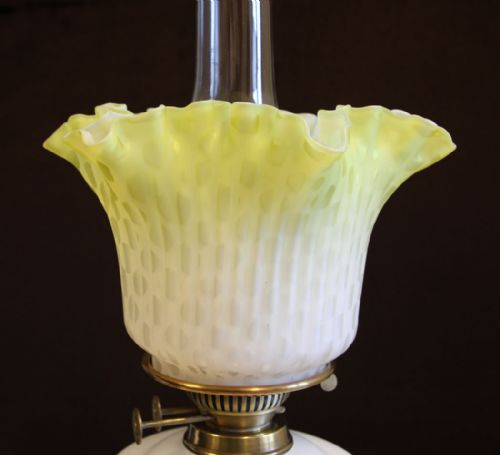
These victorian art glass shade examples bring warmth and period character to domestic lighting, offering rich colour and texture through blown and moulded glass.
Victorian Art Glass Shade
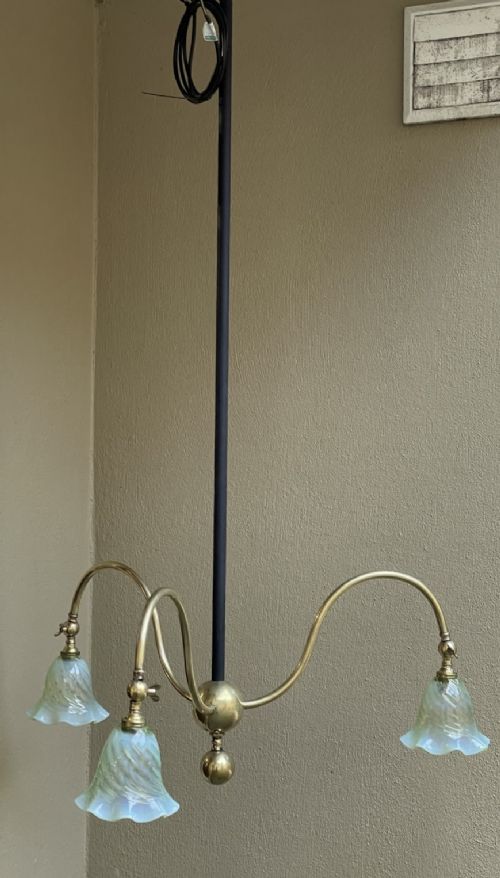
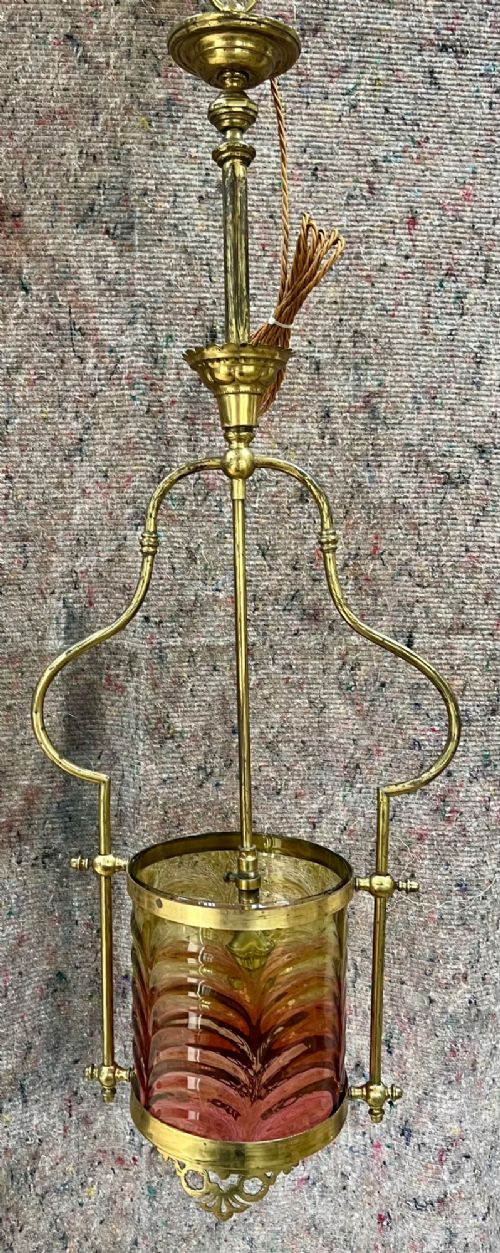
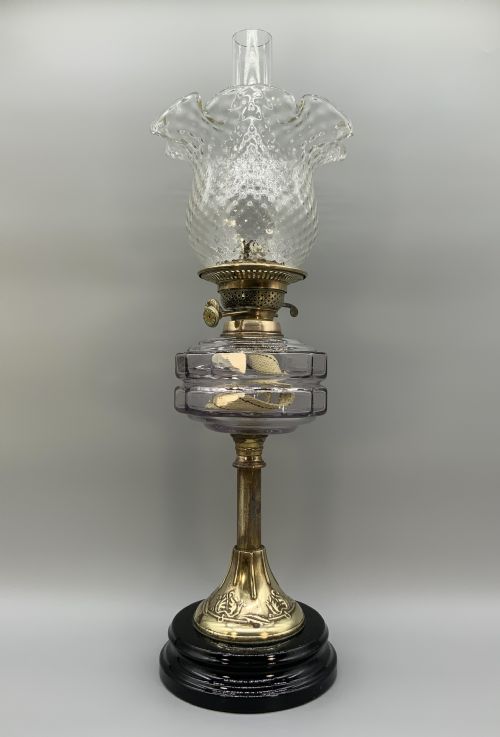
When you search for a victorian art glass shade, you encounter a selection of decorative fittings designed for oil lamps, ceiling lights, and wall sconces. These components appear in periods spanning the nineteenth century through to the early twentieth century, alongside Edwardian and later interpretations.
The most common forms on this page include hand-blown and moulded glass shades paired with brass, bronze, and copper mounts. They reflect design influences from Victorian Art Nouveau to Arts and Crafts styles, often integrated into oil lamps and pendant lights.
Materials and construction
Makers shaped these items using techniques such as hand-blowing and etching, producing frosted, cranberry, and amber glass finishes. These glass components are frequently set into cast or spun brass, bronze, and ceramic mounts.
The combination of metallic fixtures with decorative glass required precise thermal handling during blowing and careful fitting into metal galleries and collars.
Victorian Art Glass Shade Retail Price Guide 2026
Typical asking prices for victorian art glass shade among the pieces listed under this phrase on Sellingantiques today, from the lower quarter to the upper quarter. They describe what is for sale here now, not the wider market.
Some oil lamps retain their original hand-blown cranberry shades, having survived over a century of household updates without a single chip.
Judging quality and execution
Quality rests in the depth of colour within the glass, such as rich cranberry or amber tones, and the weight and finish of the supporting brass or bronze metalwork. Hand-blown surfaces display subtle variations that distinguish them from mass-produced alternatives.
The integration between the glass shade and its metal mount indicates the care taken during initial manufacture, with finer examples showing harmonious proportions across both elements.
Messengers·Harrods
The Victorian Art Glass Shade Glossary
- Cranberry Glass
- A rich red-pink glass coloured with gold chloride during production. It is frequently seen in Victorian and Art Nouveau lighting fixtures.
- Art Nouveau
- A decorative style characterised by organic lines, plant motifs, and flowing forms. It heavily influences the brass and glass designs found in this category.
- Arts and Crafts
- A movement prioritising traditional craftsmanship and simple, honest materials. It appears here in copper, brass, and opalescent glass light fittings.
- Frosted Glass
- Glass treated to scatter light and create a translucent appearance. This finish softens the glare from oil lamps and early electric bulbs.
- Etched Glass
- Glass decorated by acid or mechanical abrasion to create surface patterns. It adds delicate textural detail to period lamp shades.
Victorian Art Glass Shade: Frequently Asked Questions
How do I clean a glass shade safely?
Wash the glass gently in lukewarm soapy water using a soft cloth to avoid scratching the surface. Dry it thoroughly before refitting it to any metal hardware.
Avoid submerging antique metal mounts or painted sections in water, as moisture can damage finishes and adhesives.
Can these shades fit modern lamps?
Many period shades use standard fitter dimensions that can adapt to contemporary ceiling pendants or table lamps. You should measure the fitter rim carefully before making adjustments.
Consult a qualified electrician to ensure any mounting hardware meets current safety standards for electrical fittings.
What period do most shades belong to?
The listings span the Victorian era, Edwardian period, and early twentieth century up to the nineteen-thirties. Many designs bridge these timelines through transitional styles.
Art Nouveau and Arts and Crafts movements heavily shape the aesthetic of these pieces, regardless of the exact manufacturing decade.
Were these originally for oil or electricity?
A significant number of these items originated with oil lamps or early gas lighting before later conversion to electricity. This history is visible in the burner galleries and central openings of the glass shades.
Converted oil lamps retain their original decorative ceramic or bronze bowls alongside newer internal wiring.