
Victorian Armchair Set
When you search for a victorian armchair set, you enter a world of matched seating, encompassing everything from robust farmhouse Windsors to elaborate walnut drawing room suites.
Victorian Armchair Set
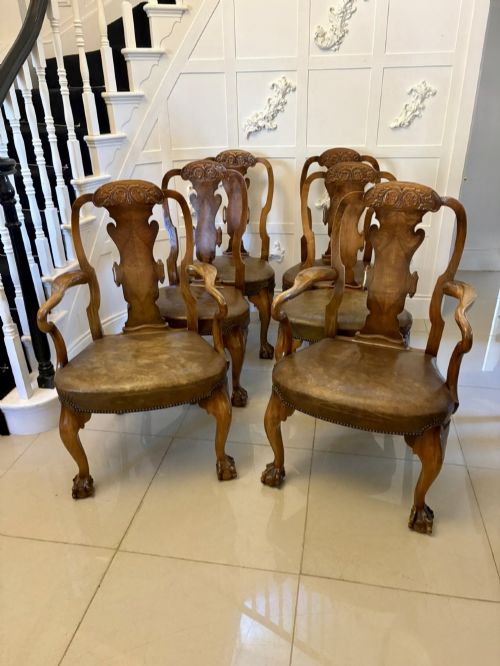
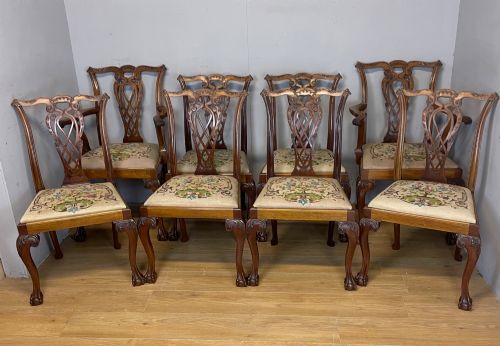
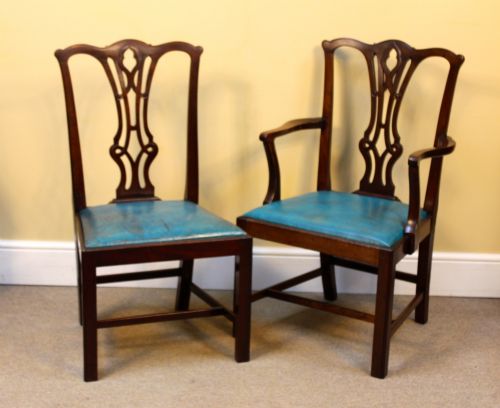
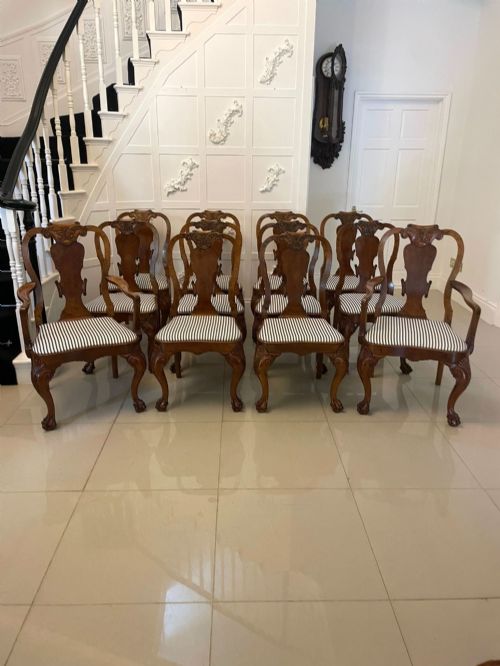
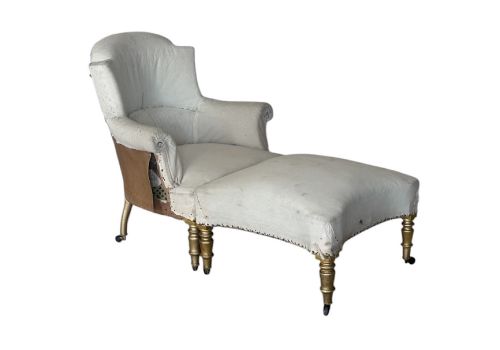
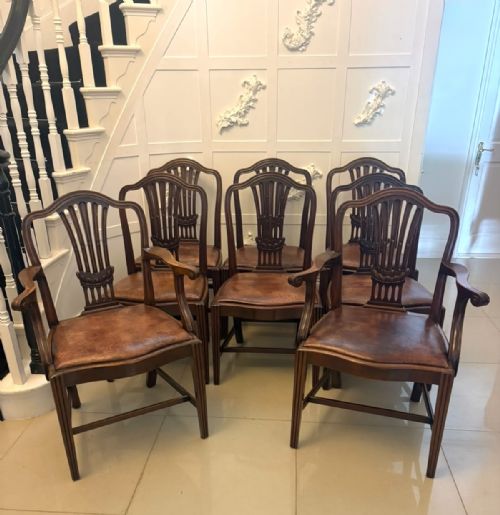
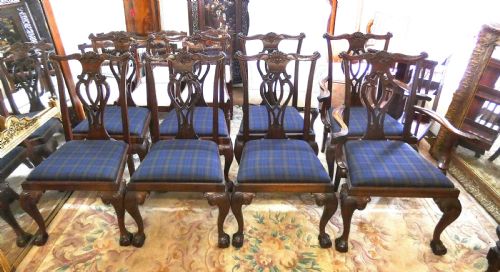
A victorian armchair set typically brings together coordinated seating for dining rooms, salons, or libraries. You will find combinations ranging from pairs of fireside armchairs with matching stools to extensive multi-piece salon suites and large dining sets featuring both single chairs and carvers.
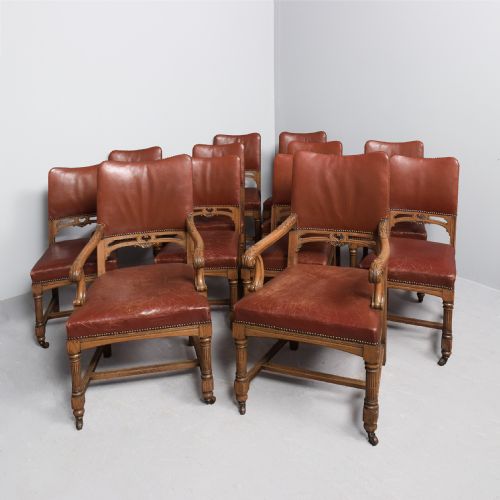
The materials span native and imported timbers, with mahogany, walnut, and oak dominating formal designs, while elm, ash, beech, and rush appear in country iterations. Upholstery choices include original tan leather, deep buttoned fabrics, and tapestries.
While formal dining sets dominate numerical listings, salon suites and farmhouse Windsor sets offer alternative ways to bring matched seating into a home. These groupings reflect the Victorian preference for coordinated room schemes rather than mismatched pieces.
Materials and construction methods
Cabinetmakers and chair makers built these suites using solid hardwoods such as mahogany, walnut, and oak for formal styles, often employing carved decoration like ball and claw feet, shield backs, or Gothic tracery. Regional vernacular makers relied on turnery and steam-bending for elm, ash, and beech Windsor and ladderback chairs.
Upholstered seating relied on deep buttoning, horsehair stuffing, and heavy showwood frames made of walnut or mahogany, frequently mounted on brass castors. Joinery techniques combined traditional mortise and tenon joints with robust framing to support daily use in busy households.
Listings demonstrate a strong presence of mahogany and oak dining chair sets alongside elm country Windsor chairs from the nineteenth century.
Distinctions in craftsmanship and scale
Quality reveals itself in the depth and crispness of the carving, the selection of figured veneers such as burr walnut, and the structural integrity of the frame. Larger multi-piece salon suites and expansive dining sets involving twelve or more chairs indicate higher initial commissions made for substantial residences.
Subtleties in timber selection, such as closely matched grain patterns across a set of eight or twelve dining chairs, separate standard workshop output from exhibition quality pieces. The retention of original upholstery details, leather surfaces, and matching castors adds to the integrity of a surviving suite.
Warings·Glenister
The Victorian Armchair Set Glossary
- Carver
- An armchair designed with elbow rests, traditionally placed at the head of a dining table or matched with a set of single chairs. These pieces often repeat the decorative motifs of the non-armed chairs in the suite.
- Smokers Bow
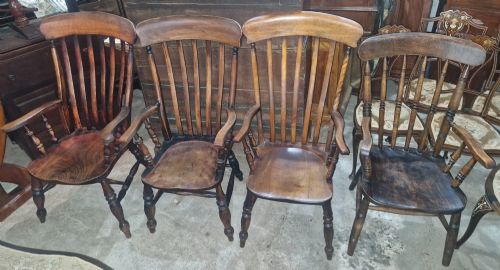
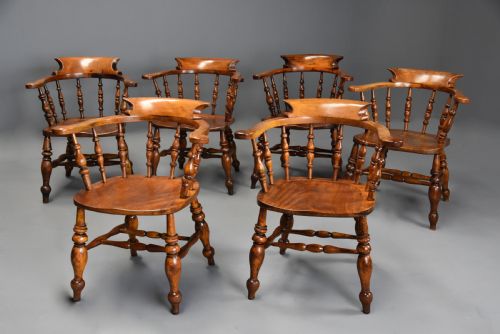
- A robust, low-backed Windsor armchair originating in the nineteenth century, featuring a curved rail supported by turned spindles. These chairs frequently appear in sets made of ash and elm.
- Salon Suite
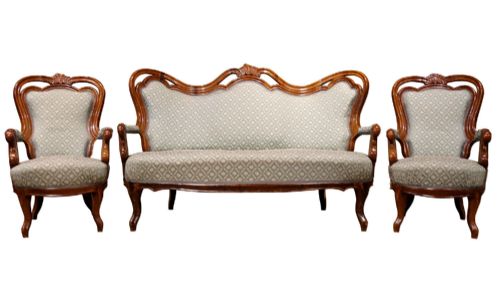
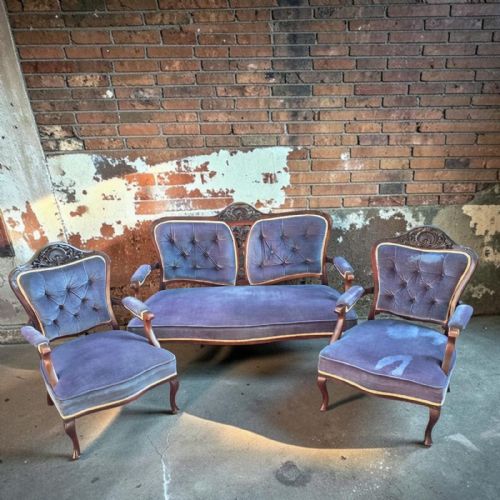
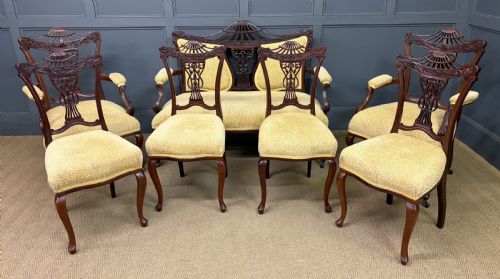
- A matched group of seating furniture for a drawing room or parlour, usually comprising a settee and several armchairs or side chairs sharing identical showwood frames and upholstery.
- Showwood
- Polished wooden framing left exposed around the upholstered elements of an armchair or settee. This technique highlights the carved mahogany or walnut structure of Victorian seating.
- Shield Back
- A chair back shaped in the outline of a heraldic shield, popularised in revival styles referencing eighteenth-century designs. This form is frequently seen in mahogany dining sets.
Victorian Armchair Set: Frequently Asked Questions
What is a Victorian salon suite?
A Victorian salon suite is a coordinated group of upholstered seating designed for formal entertaining in the drawing room. It typically includes a settee or sofa paired with matching armchairs and side chairs, all sharing the same carved woodwork and fabric.
These suites allowed nineteenth-century homeowners to present a unified aesthetic in their public rooms. They range from modest three-piece arrangements to large multi-piece sets featuring carved walnut or mahogany frames.
How do I use a large dining chair set?
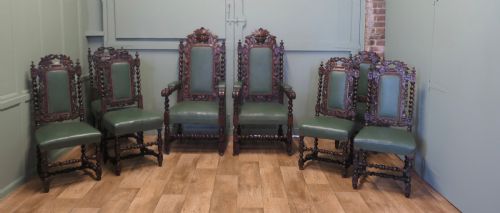
Large dining chair sets, often comprising eight to twelve pieces, are designed to accommodate extended dining tables in traditional or contemporary dining rooms. They usually include a mix of single side chairs and armed carvers for the heads of the table.
When living with these sets, distribute the carvers at opposite ends of the table and intersperse the single chairs along the sides. Regular maintenance involves gentle polishing of the timber frames and careful attention to the upholstered seats.
What are Windsor armchairs?
Windsor armchairs are vernacular seating pieces constructed with a solid wooden seat into which the legs, back spindles, and bow rail are wedged and pinned. Nineteenth-century examples often use combinations of ash, elm, and beech.
These chairs were built for durability in farmhouse kitchens, studies, and rustic settings. They are commonly found in matched sets or pairs, valued for their comfortable saddled seats and sturdy turnery.
How do I tell different revival styles apart?
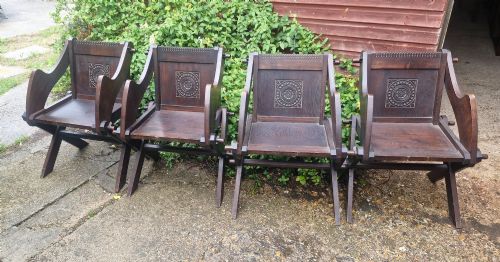
Revival styles draw inspiration from earlier periods, with Chippendale revival pieces displaying carved interlaced ribbon backs and cabriole legs, while Gothic revival chairs feature pointed arches, tracery, and heavy oak construction. Jacobean and Hepplewhite influences introduce distinct back shapes and leg turning.
Examining the carving detail, timber choice, and overall proportions helps distinguish these historical revivals from one another. Understanding these design references aids in identifying the specific character of a dining or salon set.