


Victorian Apothecary Vessel
These Victorian apothecary vessel pieces are heavy chemist glass and brass mortar sets that bring genuine period utility and striking colour to an interior.
Victorian Apothecary Vessel
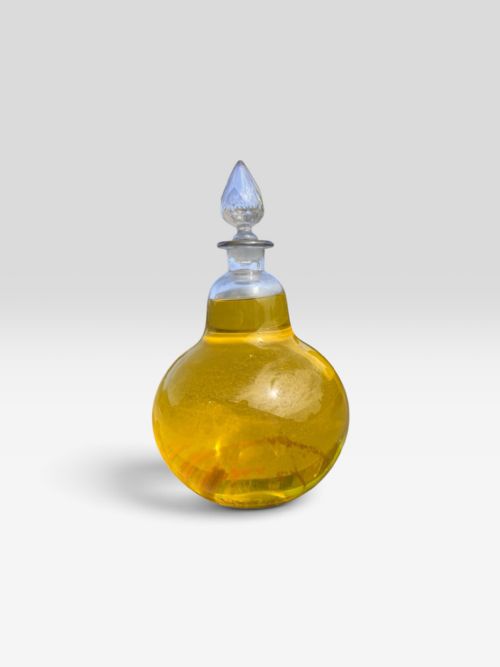
When you search for a victorian apothecary vessel, you encounter functional storage and dispensing items originating from nineteenth-century dispensaries and chemists. The selection centres on apothecary jars, carboys, mortar and pestle sets, and medicine glass measures produced during the Victorian and Edwardian eras.
Most examples hail from English and French workshops, encompassing hand blown glass pharmacy carboys, heavy brass mortars, and labelled storage jars. These objects span various decades of the nineteenth century, reflecting the practical glassware used in historical medical trades.
How they were made
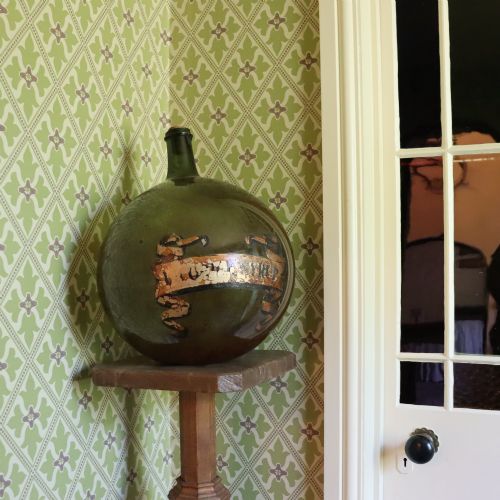
Makers utilised traditional hand blowing techniques to shape molten glass into heavy carboys, bottles, and jars, often employing lead glass or mercury glass. Brass was cast and turned to create solid mortar and pestle sets designed for grinding medical ingredients.
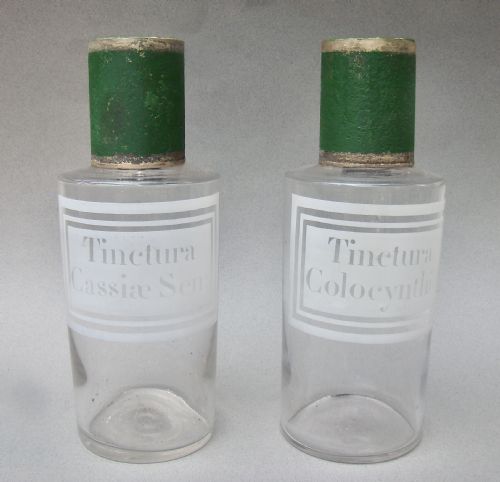
Decoration involved applied enamel, gold leaf, paint, and surface etching, such as the white labels found on Bristol blue glass bottles or Mary Gregory designs. Cut glass examples exhibit precise wheel-cut facets across thick walled vessels.
Materials across these listings include glass, gold leaf, enamel, paint, metal, glaze, mercury glass, and cut glass.
What varies in quality
The standard of a victorian apothecary vessel rests upon the clarity and weight of the glass, alongside the crispness of any hand-applied enamel or etched detailing. Heavy hand blown pieces with intact original covers and legible labels hold greater visual presence than simpler utilitarian containers.
Proportion and scale dictate desirability, particularly in large carboys and substantial mortar sets where the thickness of the metal or glass demonstrates superior craftsmanship. Pieces featuring specialised colours like Bristol blue or detailed Mary Gregory decoration exhibit higher artistic ambition.
Samuel Alcock and Co
The Victorian Apothecary Vessel Glossary
- Carboy
- A large globular glass bottle or jar, typically enclosed in wicker or fitted with a base, used in pharmacies for holding bulk liquids.
- Mortar and pestle
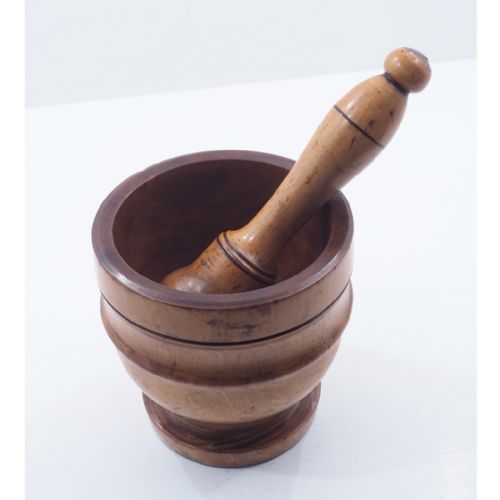
- A heavy bowl and club-shaped tool used for crushing and grinding substances in medical preparation.
- Bristol blue
- A deep cobalt blue glass produced in Bristol during the eighteenth and nineteenth centuries, frequently utilised for chemical and medicine bottles.
- Mary Gregory glass
- Glassware decorated with white or tinted enamel silhouettes of children, foliage, or landscapes, popular in the late nineteenth century.
- Mercury glass
- Double-walled blown glass silvered on the inside to create a reflective mirror-like appearance, popular during the mid-Victorian period.
Victorian Apothecary Vessel: Frequently Asked Questions
What were apothecary vessels used for?
These glass and brass vessels stored dry drugs, liquids, ointments, and chemical compounds in nineteenth-century chemist shops and dispensaries.
Larger carboys held distilled water or bulk tinctures in shop windows, while mortars prepared individual medicinal doses.
How do I clean an old apothecary jar?
Gentle washing with warm water and mild soap preserves the delicate interior residue, enamel paint, and gold leaf markings.
Avoid harsh scrubbing or soaking vessels with metal lids or paper labels to prevent permanent damage.
Are these glass pieces hand blown?
Many nineteenth-century examples display pontil marks and subtle glass thickness variations characteristic of traditional mouth-blowing techniques.
Heavier cut glass items involve specialised wheel-cutting methods common in Victorian manufacturing.
How can I date a chemist mortar?
Dating relies on the weight of the brass, tool marks from turning, and stylistic shifts between Georgian and late Victorian designs.
Earlier pieces often show simpler profiles, whereas later examples incorporate more decorative rim details.