


Victorian Apothecary Glass
These heavy glass vessels and fitted chests bring practical history into a modern room when you search for victorian apothecary glass.
Victorian Apothecary Glass
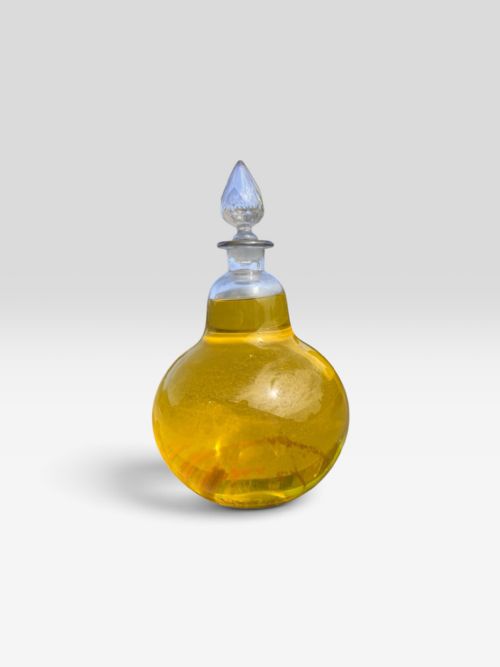
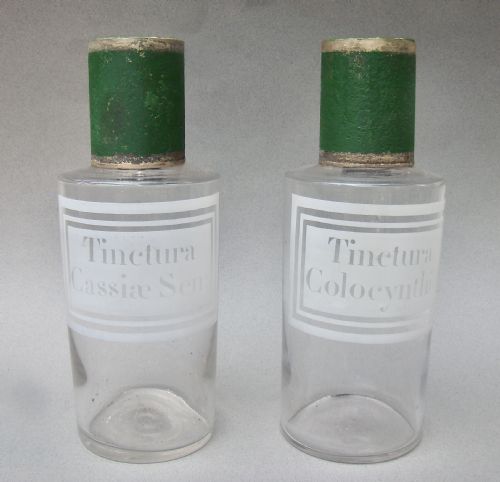
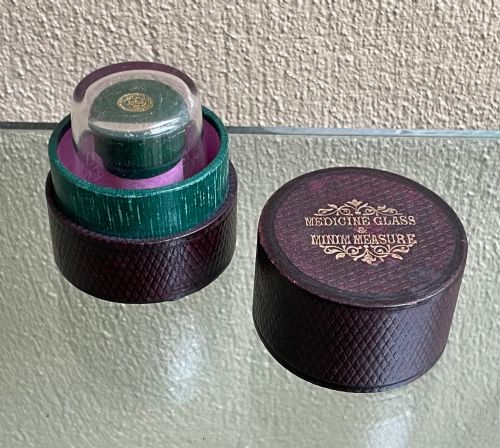
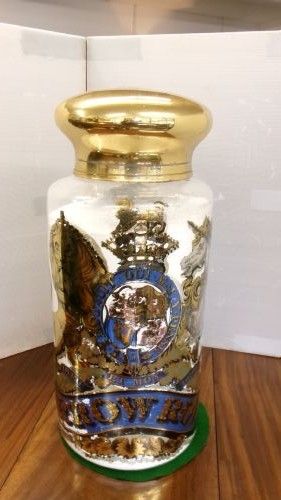
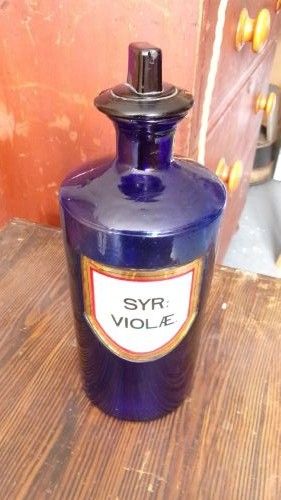
Victorian apothecary glass encompasses blown vessels, pharmacy bottles, and large display jars shaped for chemist shops and dispensaries during the nineteenth century. These pieces include tall carboys, lidded storage jars, medicine glasses, and small bottles housed in fitted wooden boxes or leather cases.
The objects frequently appear in deep blue glass, clear cut glass, or green glass, often retaining paper labels or etched inscriptions naming contents like arrowroot or gelatine. Alongside the glassware, related items such as mahogany cabinets, brass fittings, and scientific equipment emerge within the period style.
How they were made
Makers shaped these items using traditional glassblowing techniques, producing hand-blown vessels with characteristic pontil marks, bubbles, and variations in thickness. Cut glass items received precise wheel-cut facets, while bottles were formed with fitted stoppers and sometimes finished with gold leaf details or applied paper labels.
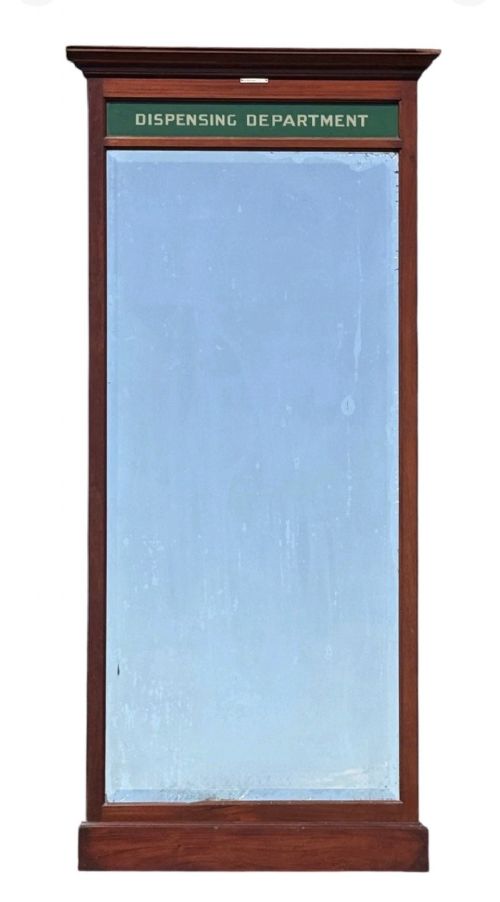
Wooden storage elements utilise mahogany and brass hardware, paired with glass fronts and internal partitions designed to hold fragile bottles and instruments securely.
Some medicine glasses survived decades of dispensing arrowroot and gelatine only to find a second career as tabletop lamp bases.
What varies in quality
Quality rests in the clarity and weight of the glass, the precision of cut facets, and the presence of original stoppers or intact paper labels. Pieces demonstrating crisp etching or deep colouration stand apart from standard utility vessels.
The standard of associated cabinetry, including dovetailed mahogany drawers, original brass handles, and complete sets of matching bottles, determines the overall integrity of a fitted chest or display unit.
The Victorian Apothecary Glass Glossary
- Carboy
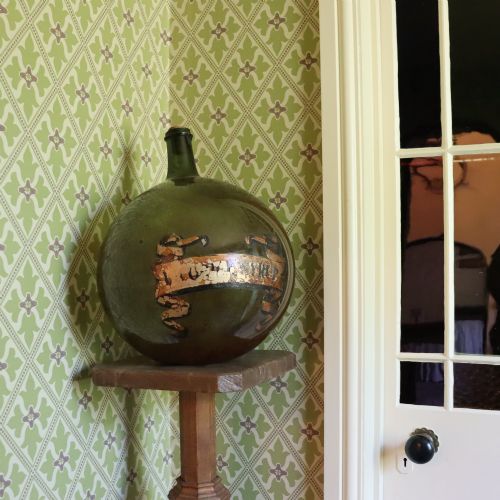
- A large globular glass bottle used in laboratories and chemist shops, often displayed in windows to attract customers.
- Bristol blue
- A deep cobalt blue glass produced in the Bristol area, highly valued for chemical and pharmacy storage bottles.
- Pontil mark
- The rough scar left on the base of a hand-blown glass object where the pontil rod was snapped off after shaping.
- Lollipop stopper
- A flat, circular glass stopper resembling a lollipop, commonly ground to fit the neck of a Victorian chemist bottle.
- Cut glass
- Glass decorated by grinding facets or patterns into the surface using a rotating wheel, creating reflective depth.
Victorian Apothecary Glass: Frequently Asked Questions
How were apothecary jars used?
Chemist shops utilised these jars to hold dry drugs, herbs, powders, and liquid medicines on shop shelves and counters.
Larger carboys sat in windows filled with coloured water to signal the presence of a dispensary to passers-by.
How do I identify Victorian glass?
Examine the base for a pontil mark and check for minor bubbles and irregularities typical of nineteenth-century hand-blown production techniques.
Heavier weight and rich colour saturation also point towards nineteenth-century manufacture rather than later machine-made reproductions.
Can I display these bottles safely?
These vessels suit placement on sturdy shelving, mantelpieces, or inside wooden display cabinets away from high-traffic edges.
Keep them out of direct sunlight if they retain original paper labels, as fading can damage the historic text.
What fits inside an apothecary box?
Fitted wooden chests contain small medicine bottles, measuring glasses, and sometimes scales or weights partitioned securely in velvet or leather-lined slots.
Travel chests were designed to transport liquid remedies and medical supplies safely during the nineteenth century.