
Victorian Animal Painting
A victorian animal painting captures the character of livestock, pets, and working beasts through the direct observation of nineteenth-century artists.
Victorian Animal Painting
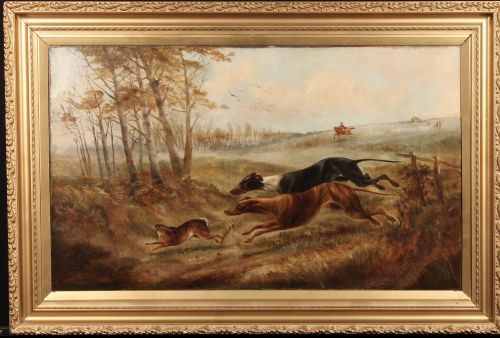
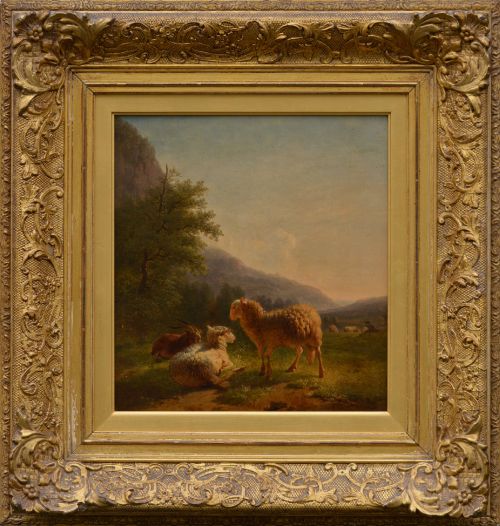
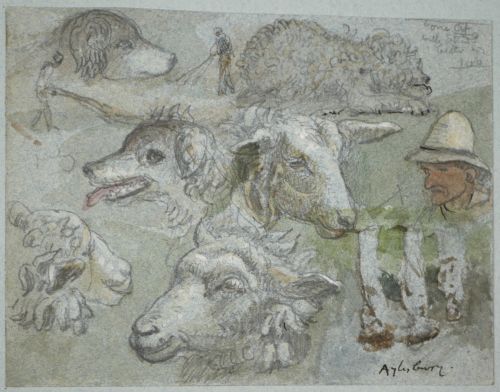
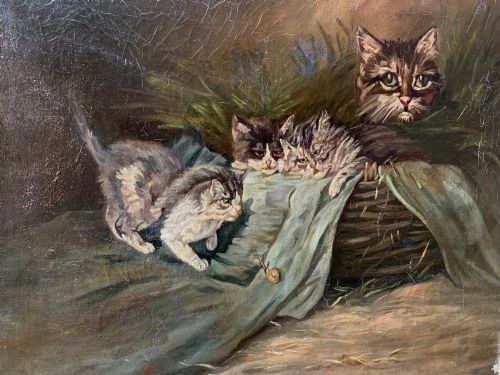
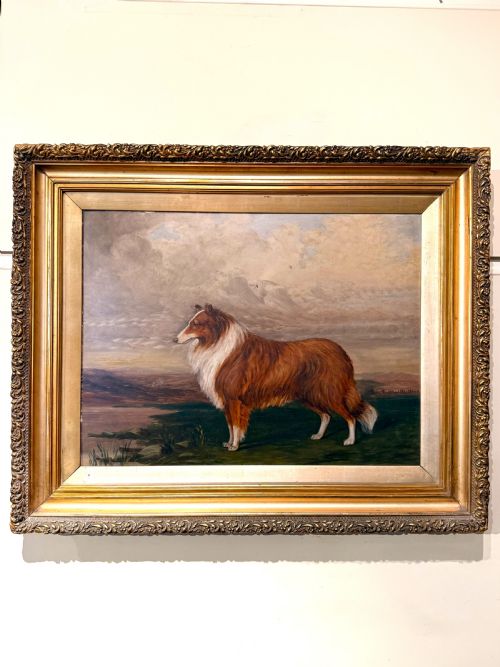
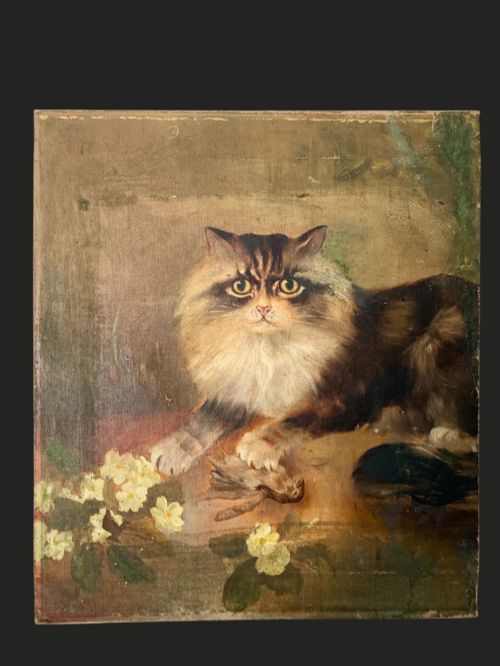
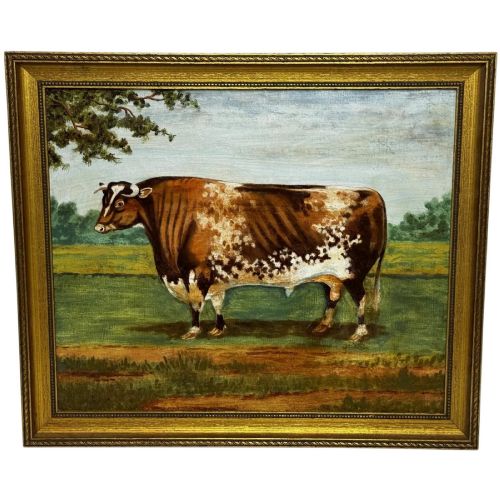
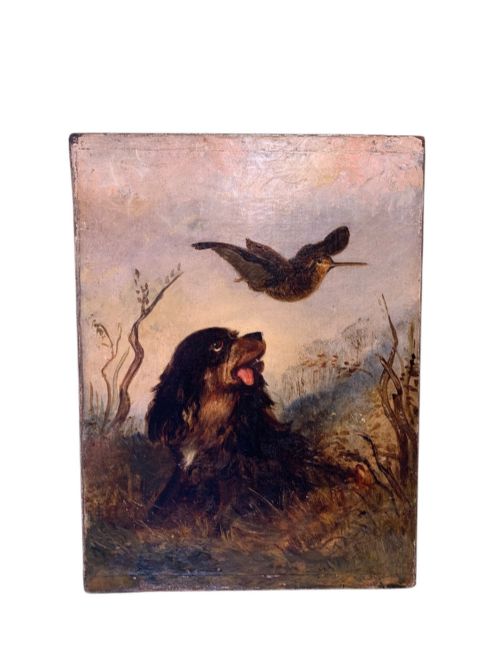
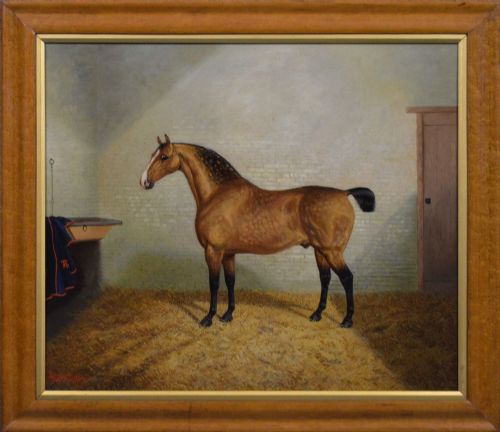
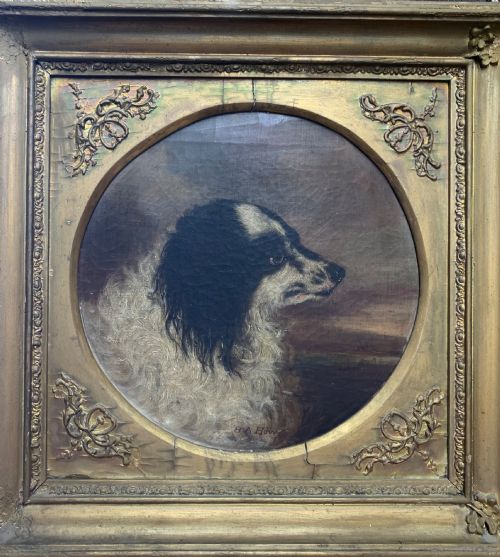
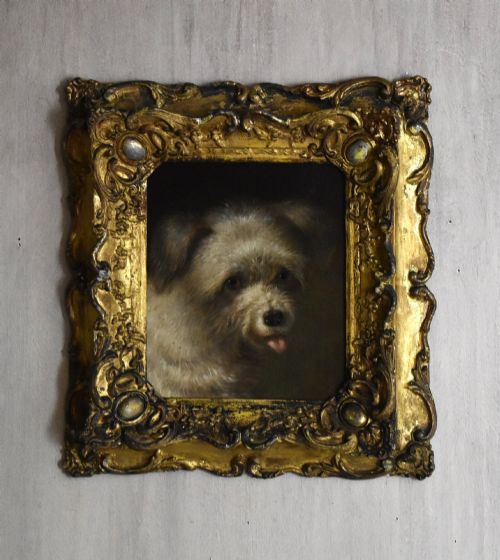
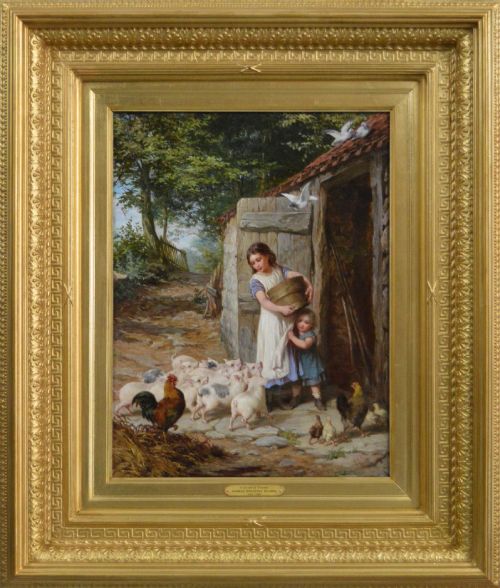
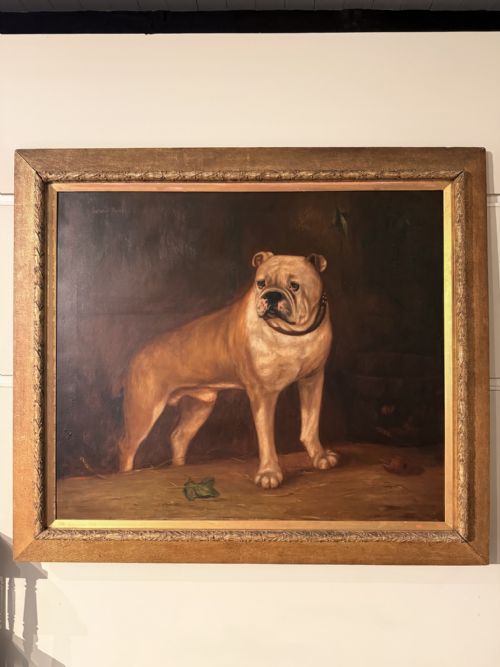
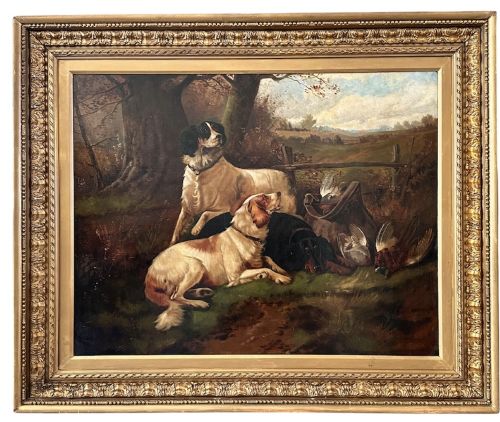
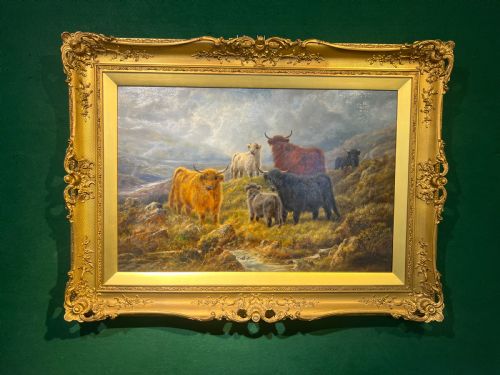
A victorian animal painting encompasses oil paintings on canvas, works on board, watercolours, and drawings depicting dogs, horses, cattle, sheep, and farm animals. These works range from naive folk art depictions to academic portraits commissioned by landowners and breeders.
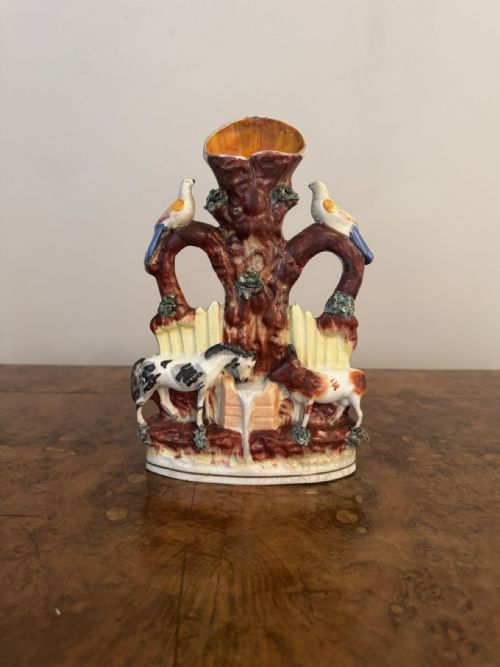
The pieces on this page lean heavily toward nineteenth-century oil paintings of dogs, horses, and Highland cattle, alongside ceramic figures and terracotta sculptures. Domestic pets, farm animals, and sporting subjects dominate the selection.
Originating largely from British, French, and Belgian schools, these items reflect both rural life and the Victorian fascination with animal companionship and livestock breeding.
How They Were Made
Artists built these works using oil paint applied to canvas, wood panels, or paper, frequently framing the finished pieces in ornate giltwood, gesso, and gold leaf frames.
Sculptural representations utilise terracotta, Staffordshire pottery, and cold-painted bronze to render dogs and cats with tactile realism.
The technical execution relies on layered oil pigments to capture the texture of fur, feathers, and stable coats under varied light.
Victorian Animal Painting Retail Price Guide 2026
Typical asking prices for victorian animal painting among the pieces listed under this phrase on Sellingantiques today, from the lower quarter to the upper quarter. They describe what is for sale here now, not the wider market.
Materials recorded span oil paint, gold leaf, gesso, giltwood, wood, and cold-painted bronze.
What Varies in Quality
Quality rests upon the artist's command of anatomy, proportion, and the individual expression of the subject rather than the mere presence of a frame or gilded mount.
Works by documented painters demonstrate superior brushwork and compositional depth compared to anonymous naive pieces, though naive works often possess distinct charm.
The preservation of the original canvas, the stability of the paint layer, and the intact condition of period gesso frames influence the integrity of each piece.
Eugène Verboeckhoven·James Smetham·Albert Clark·Martin Theodore Ward·George Augustus Holmes·John Sargent Noble·Robert Watson·Sir Edwin Henry Landseer·Henry Barraud·Fred Fitzpatrick·Edgar Hunt·William Watson Jnr·Alfred Arthur Brunel de Neuville·Henry Schouten·Claude Cardon·John Emms·Henry Robinson Hall·Arthur Wardle·William Henry Mander·Thomas Sidney Cooper·Franz van Severdonck
The Victorian Animal Painting Glossary
- Gesso
- A plaster-like mixture applied to wood frames to create a smooth surface for gilding. It provides the base for intricate moulded details on period frames.
- Naive school
- An art movement characterised by a childlike simplicity of perspective and line. These works offer direct, unpretentious charm without academic training.
- Equine portrait
- A painting specifically commissioned to record the likeness of a valued horse, hunter, or racehorse. These often include specific stable backgrounds or landscape settings.
- Canvas
- A heavy woven fabric stretched across a wooden stretcher to serve as a painting surface. Oil painters standardly used this durable material throughout the nineteenth century.
- Cold-painted bronze
- A metal sculpture technique where bronze figures are painted with cold enamel paints rather than fired in a kiln. This method allowed for delicate surface detail on small animal bronzes.
Victorian Animal Painting: Frequently Asked Questions
What animals appear most often?
Dogs, horses, cattle, and sheep dominate these canvases, reflecting the agrarian economy and domestic life of the nineteenth century.
Sporting dogs, prize bulls, and stable hunters recur frequently across the British and European schools.
How should I hang an oil painting?
Keep paintings away from direct sunlight and steady heat sources to protect the canvas and oil pigments from cracking.
Ensure the wall fixings match the weight of the heavy giltwood frames commonly paired with these works.
Are all these works British?
While British artists form a major part of the selection, continental painters from France, Belgium, and Austria are also well represented.
Terracotta sculptures and cold-painted bronzes frequently originate from Austrian workshops.
How do I spot naive school art?
Naive pieces display a flat perspective and simplified anatomy that bypasses strict academic rules of proportion.
These works rely on honest storytelling and direct charm rather than sophisticated shadow and depth.