


Victorian Ale Jug
A victorian ale jug brings sturdy nineteenth-century tavern life straight to the sideboard.
Victorian Ale Jug
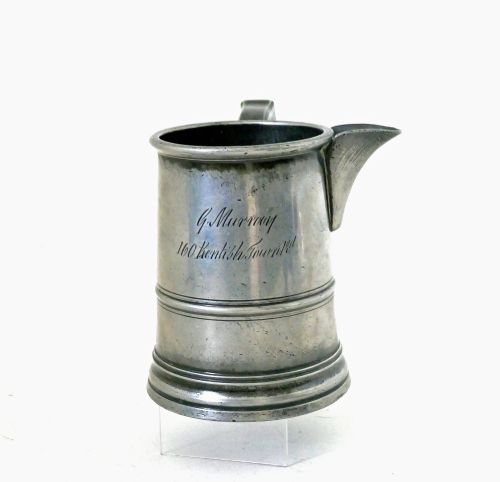
When you search for a victorian ale jug, you are looking at nineteenth-century drinking vessels used across pubs, breweries and domestic kitchens. These range from heavy metal measures and coopered tankards to salt-glazed stoneware harvest jugs.
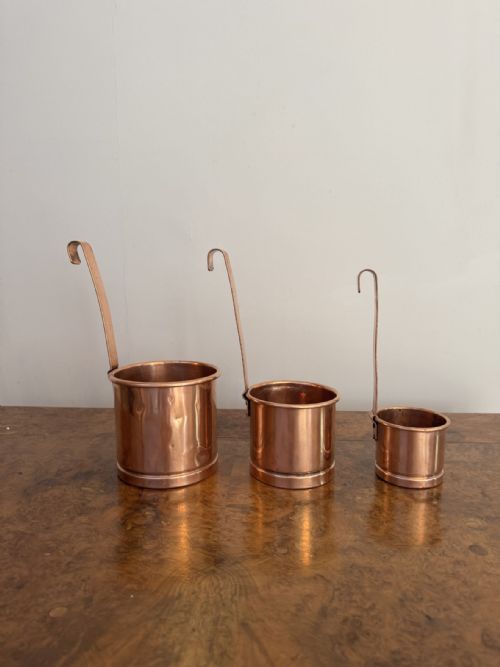
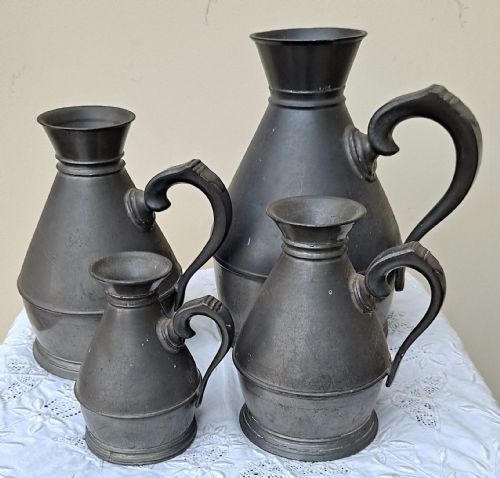
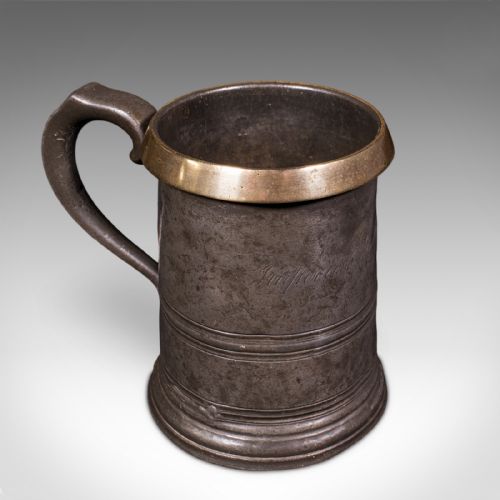
The most common examples met on this page are metal tavern measures made from copper, brass or pewter, often formed in graduated sets. Earthenware and stoneware pieces from potteries like Doulton Lambeth also appear regularly.
Origins stretch across English, Irish and Scottish provincial workshops from the mid to late nineteenth century. Forms include standard single jugs, large flagons and multi-gallon measures bearing VR verification marks.
How they were made
Metal vessels such as copper and brass measures rely on sheet manipulation, seaming and cooperative woodwork for stave-built oak flagons. Pewter versions utilise traditional casting and soldering techniques to shape heavy metal bodies.
Ceramic pieces start as thrown clay bodies, finished with salt-glazed surfaces or harvest reliefs. Many stoneware jugs feature applied sprigged decoration alongside salt-glaze firing methods.
Silver plating on base metal provides a brighter finish for hospitality settings, while engraving adds personal or public house inscriptions directly into the metal surface.
Listings feature nineteen-century materials including copper, pewter, brass, stoneware, earthenware, oak and silver plate.
What varies in quality
The distinction between ordinary utility ware and top-tier pieces rests on weight, crispness of form and maker attribution. Heavy-gauge metal and sharp, clean touchmarks indicate superior workshop output.
Sets that remain complete and graduated show higher original quality than single scavenged pieces. Crisp relief moulding on stoneware and well-preserved silver plating separate fine examples from heavy kitchen workhorses.
J Bower·S Hancock·G Murrouy·Doulton Lambeth
The Victorian Ale Jug Glossary
- Haystack measure
- An Irish or English pewter or brass jug with a distinct bulbous body tapering towards the rim, resembling a hayrick. These items served as standard liquid measures in public houses.
- Harvest jug
- A large stoneware or earthenware vessel, often salt-glazed, used to carry ale to workers in the fields during harvest time. Doulton Lambeth produced notable examples with detailed relief ornament.
- Coopered
- Built using wooden staves bound together with metal hoops, much like a barrel. This technique created large oak and brass jugs capable of holding heavy volumes of liquid.
- VR mark
- Crowned initials standing for Victoria Regina, stamped by inspectors to verify the accurate capacity of tavern measures and public house tankards.
- Breweriana
- Collectable items associated with the brewing and serving of beer, including public house tankards and spirit measures.
Victorian Ale Jug: Frequently Asked Questions
How do I clean an antique copper jug?
Wash copper surfaces gently using warm soapy water and a soft cloth to preserve the natural aged surface. Avoid harsh abrasive metal polishes that strip away historical character.
Dry thoroughly after cleaning to prevent water spotting on the metal.
What were haystack measures used for?
Haystack measures served as standard liquid measures for ale and beer in nineteenth-century public houses and taverns. Their bulbous shape allowed for easy pouring and accurate volume containment.
Publicans relied on these graduated sets to serve customers precise quantities of spirits and beer.
Are pewter jugs safe for drinking?
Nineteenth-century pewter sometimes contained varying alloy compositions, so displaying these pieces as decorative items or dry storage is generally recommended. Modern use with acidic beverages can cause surface degradation.
Examine the interior for heavy corrosion before considering any practical food use.
What does a VR mark mean?
The VR stamp stands for Victoria Regina, indicating that the vessel passed official government inspection for capacity accuracy. Inspectors applied these crown marks to ensure fair trade in public houses.
Pieces bearing these verification stamps carry documented evidence of commercial tavern use.